Stars
Forks
Watchers
Developer links
ADHDev
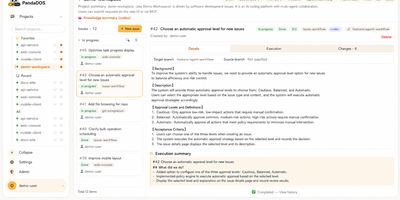
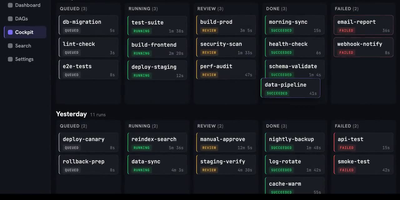
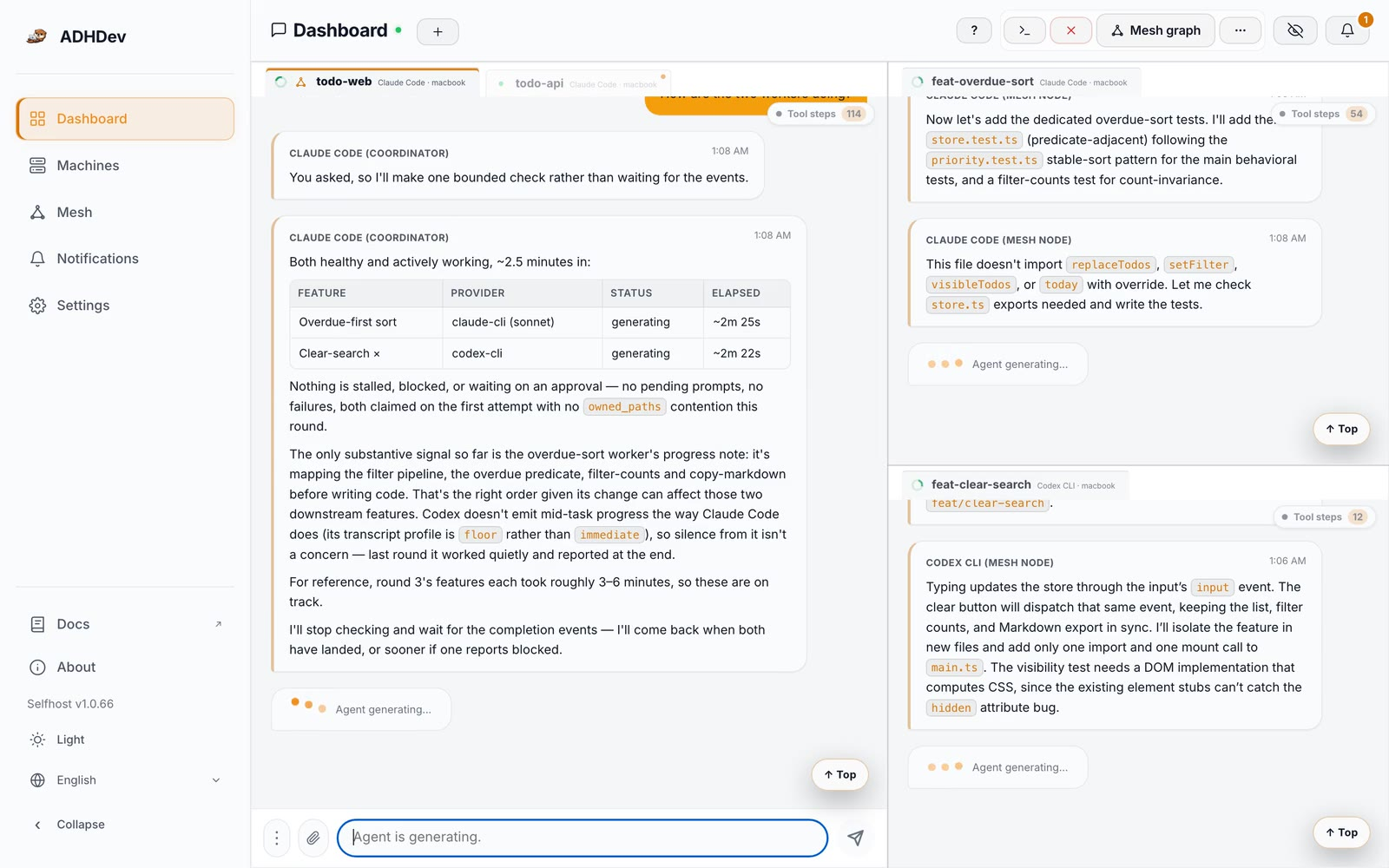
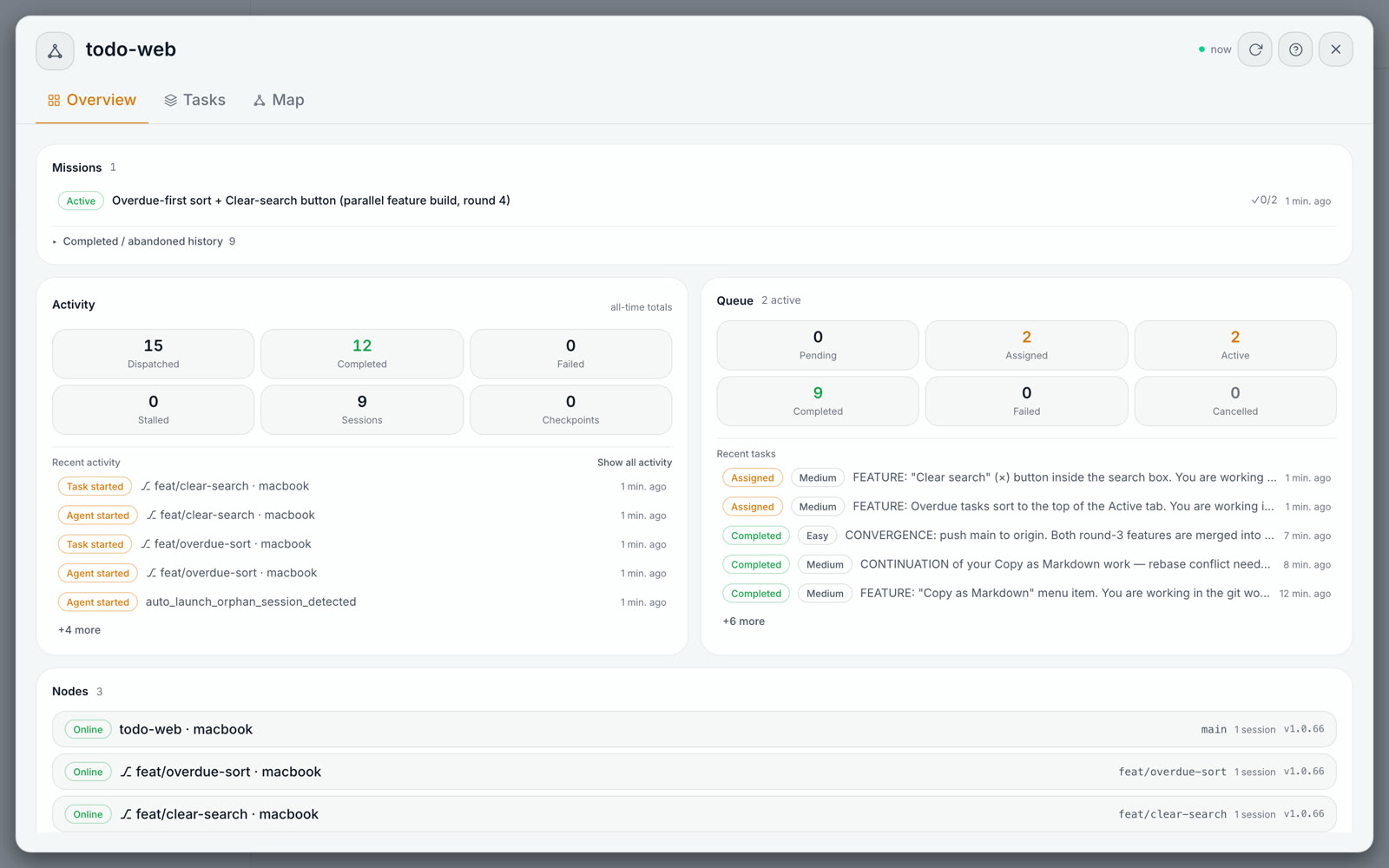
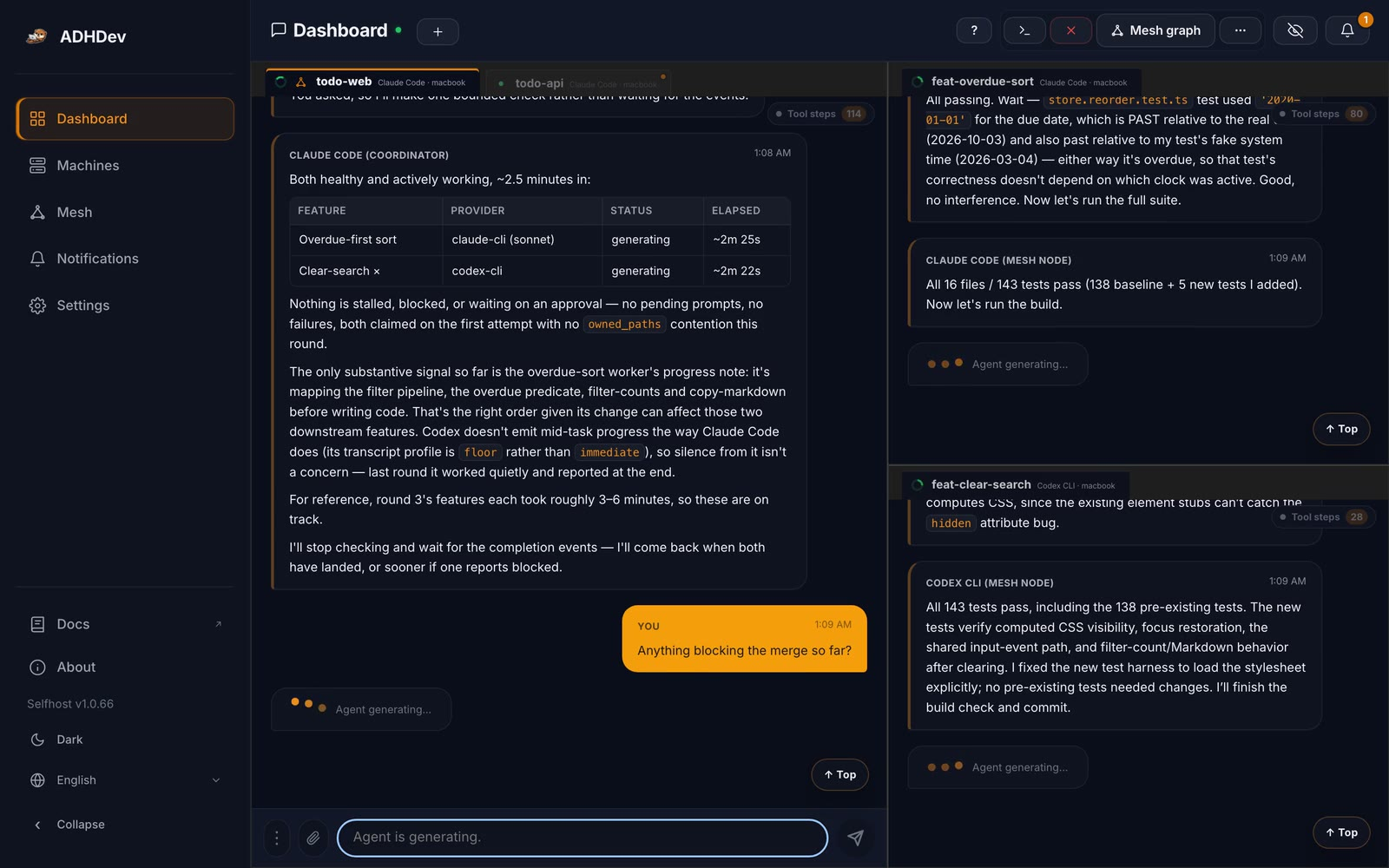
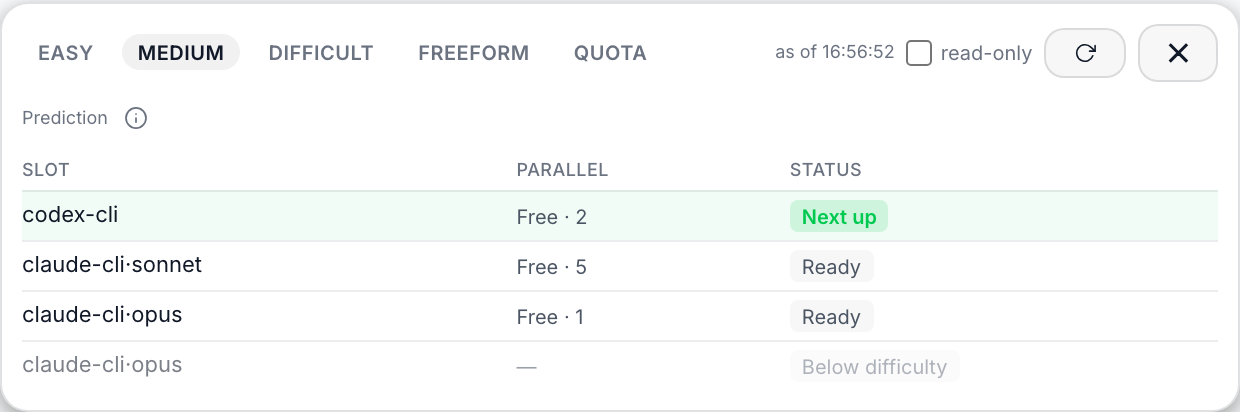
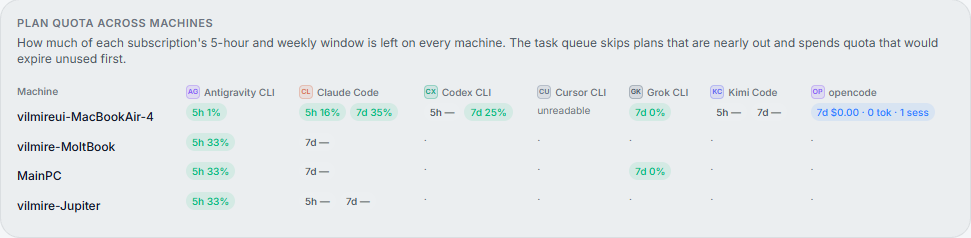
Your laptop, a desktop, and a build box each have a coding agent installed, and until now nothing has coordinated them. ADHDev is a self-hosted control plane that puts Claude Code, Codex, Kimi, Cursor CLI, Antigravity CLI, Grok CLI, and OpenCode behind one shared task queue and one web and mobile dashboard. Machines pair directly with an address and a one-time code on your own network, and a mesh binds to a single repository. Idle nodes claim tasks themselves. Dependencies order the queue, retries absorb failures, and missions group the work that belongs together. Every task gets an isolated git worktree the moment it starts. Agents build in parallel without touching each other's files, and the coordinator's prompt is rendered from live mesh state at launch, with events pushed in as they happen. Difficulty tags route easy work to cheap models and hard work to strong ones. The dashboard also reads how much of each subscription window remains, skips plans that are nearly empty, and shows the routing forecast before anything runs. Finished work enters the Refinery. Your repository's gates decide, the branch is rebased onto main, and the merge happens only when main has not moved, followed by automatic worktree cleanup. Running on a dedicated VPS on RepoCloud with guaranteed CPU, RAM, and SSD, full root SSH access, and a browser serial console. AGPL-3.0 licensed.
Benefits
- Parallel agents, no collisions
- Every task runs in its own git worktree on whichever node claims it, so several agents can build at once on one repository without stepping on each other or your checkout.
- Only gated work reaches main
- The Refinery verifies finished work against your repository's own gates, rebases it onto main, merges only when main has not moved, and cleans up worktrees without a merge day.
- Quota spent deliberately
- Difficulty and quota routing sends routine tasks to cheaper models, skips subscriptions that are nearly exhausted, and spends quota that would expire unused first, with a forecast up front.
- Approvals with the command shown
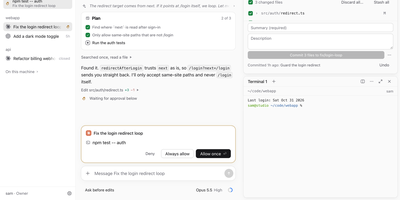
- Approval prompts carry the exact command a worker wants to run, and auto-approve only ever presses the one-time option, never a permanent or project-wide grant.
Features
- Repo Mesh task queue
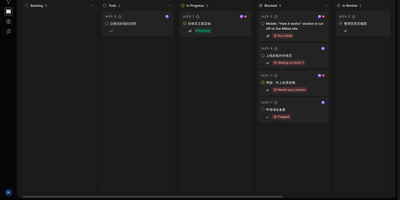
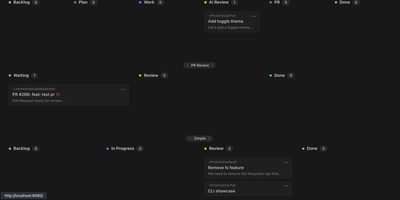
- A pull-based queue with dependencies, retries, and missions groups tasks per repository, and idle nodes claim work themselves across machines paired directly with a one-time code.
- Refinery merge pipeline
- Per-repo validation gates, patch-equivalence checks, submodule-aware rebase and merge, and automatic worktree cleanup land finished agent work on main unattended.
- Live session dashboard
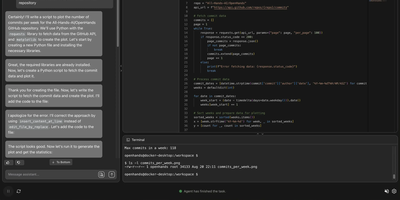
- Inspect active sessions, chat, and terminal state from a browser or phone, then approve, interrupt, reopen history, or send the next instruction without babysitting terminals.
- Difficulty and quota routing
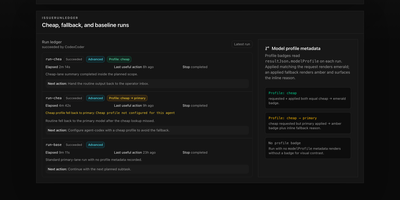
- Tag tasks easy, medium, or difficult and route each grade to its configured provider and model, reading each CLI subscription's remaining windows before dispatch.
- Multi-perspective review
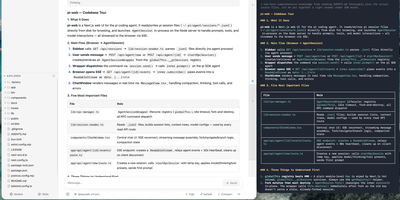
- Send one investigation to two or three workers on different providers and read a side-by-side account of agreements, disagreements, and claims only one report made.
- Append-only mesh ledger
- Every dispatch, completion, failure, stall, and checkpoint lands in an append-only local record, and operating notes learned at runtime feed future coordinator prompts.