Categories
Self-Hosted Developer Tools AI Agents Agent Orchestration Multi-Agent Systems Claude Code Agent Memory Terminal AgentsStars
Forks
Watchers
Developer links
AI Maestro
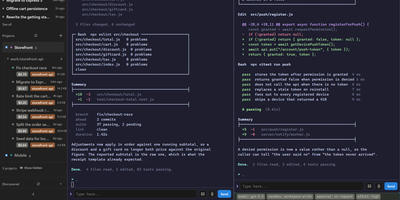
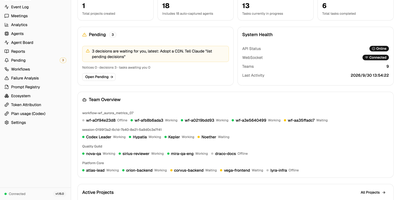
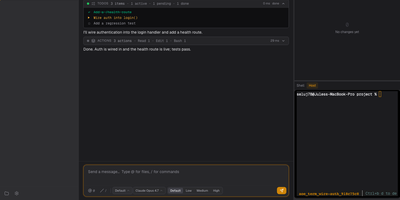
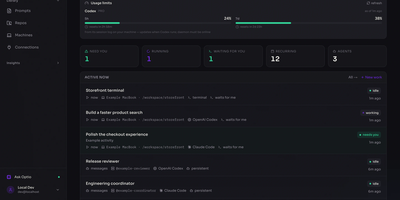
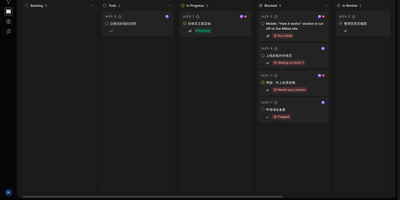
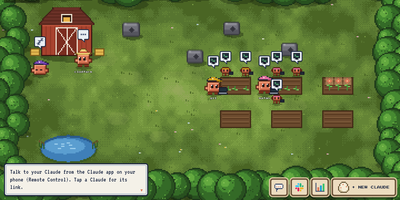
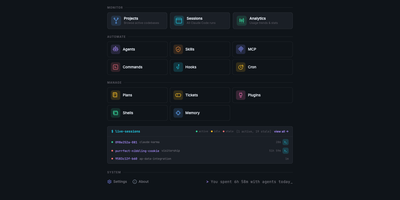
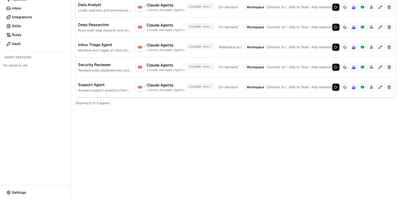
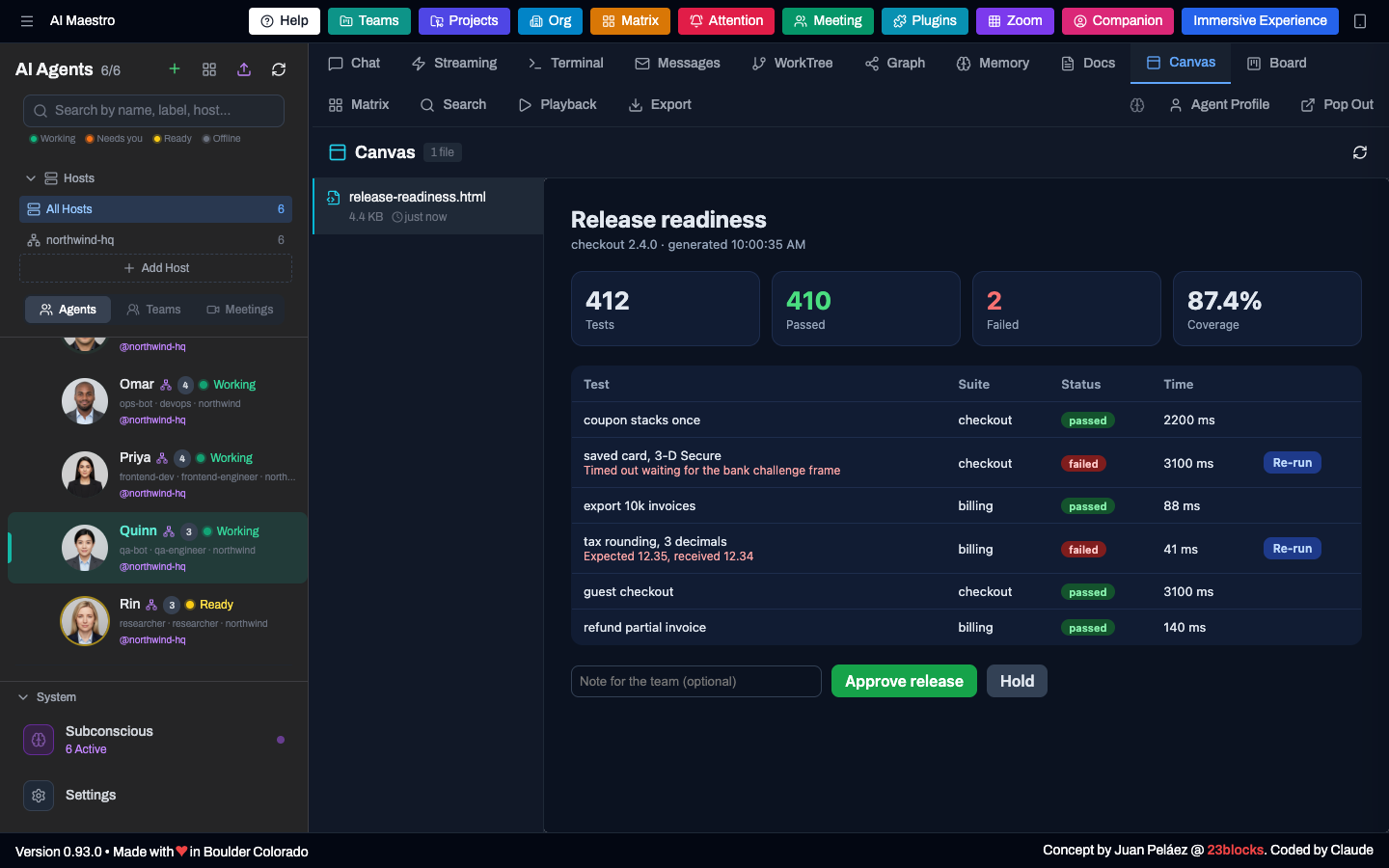
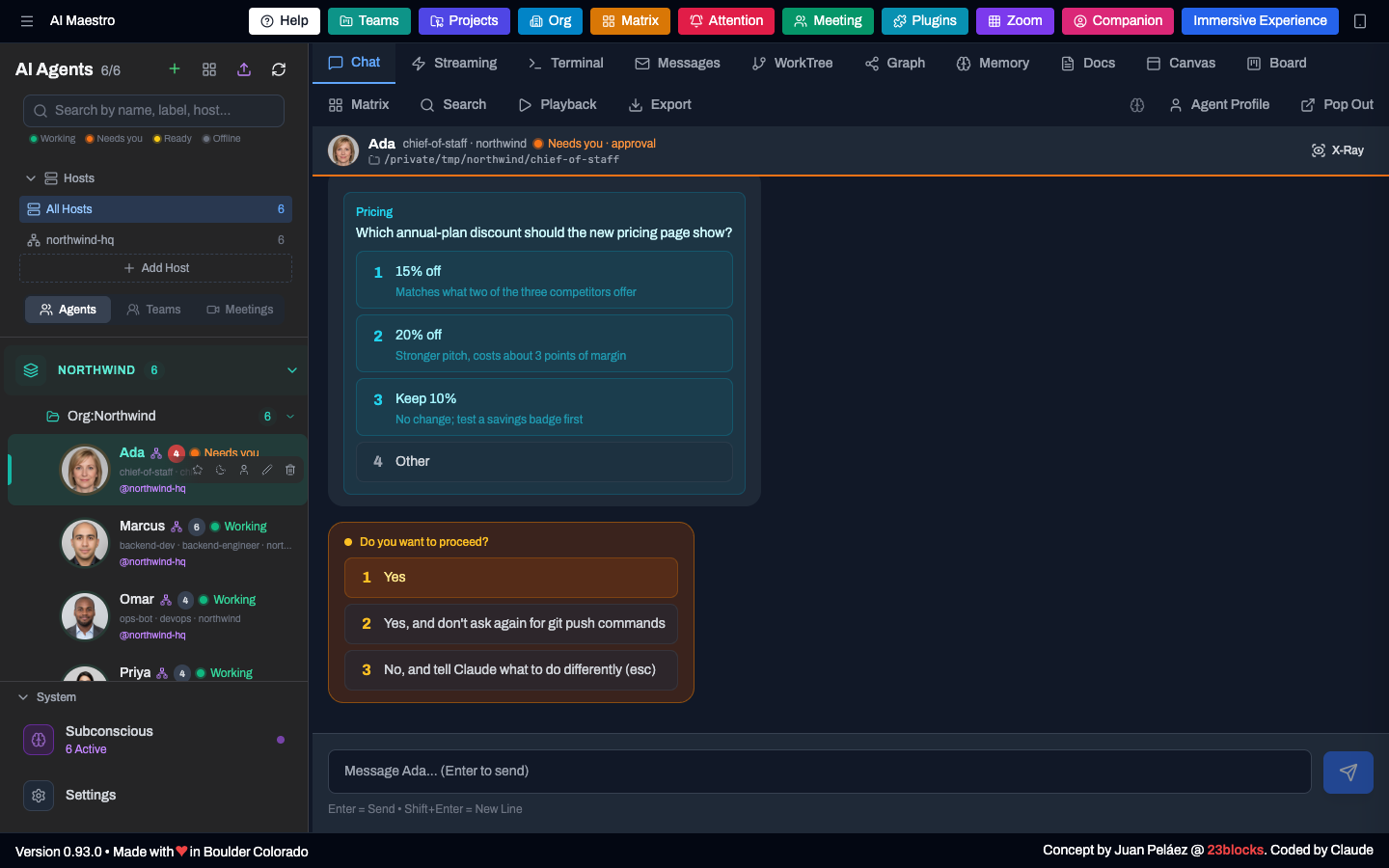
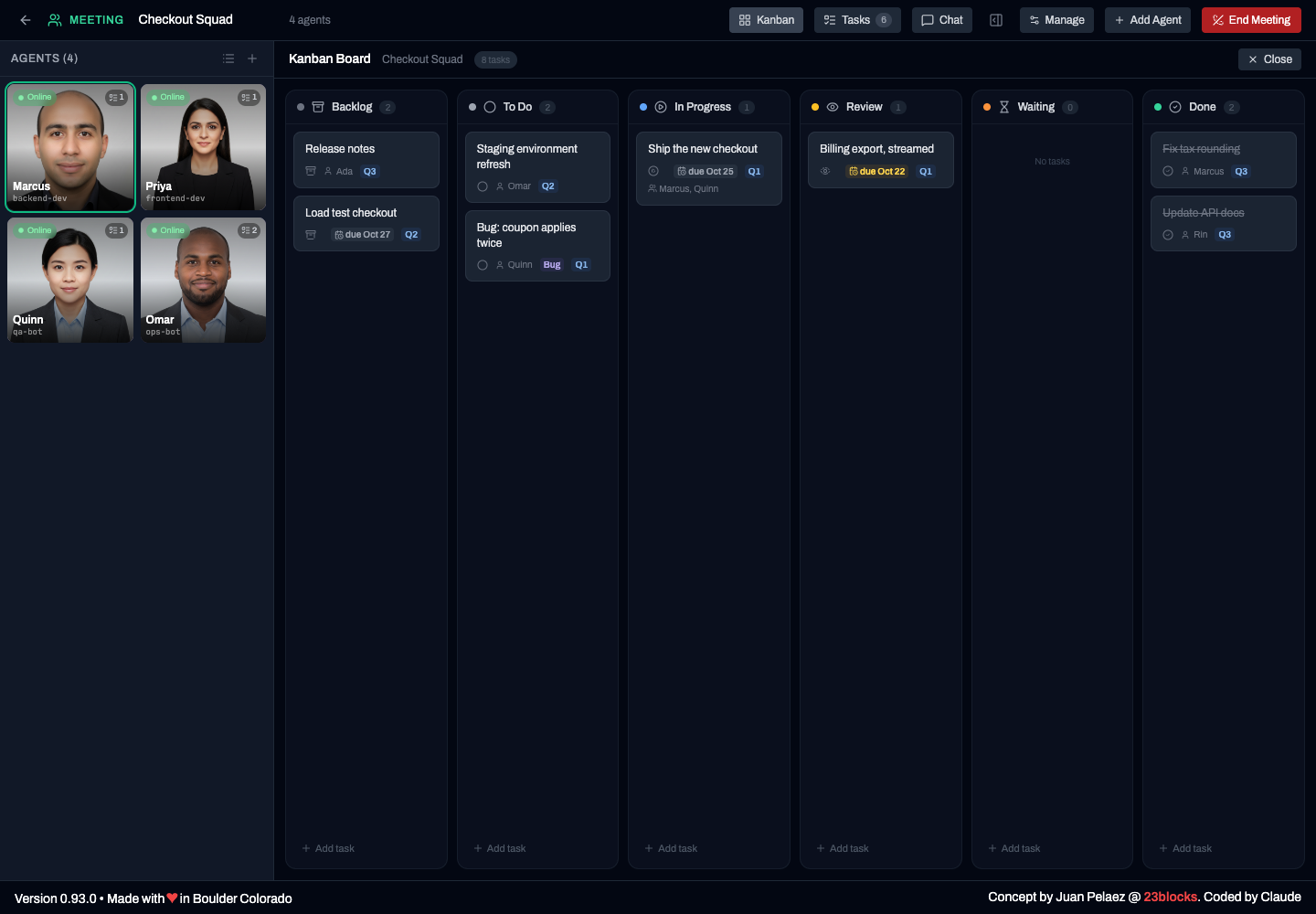
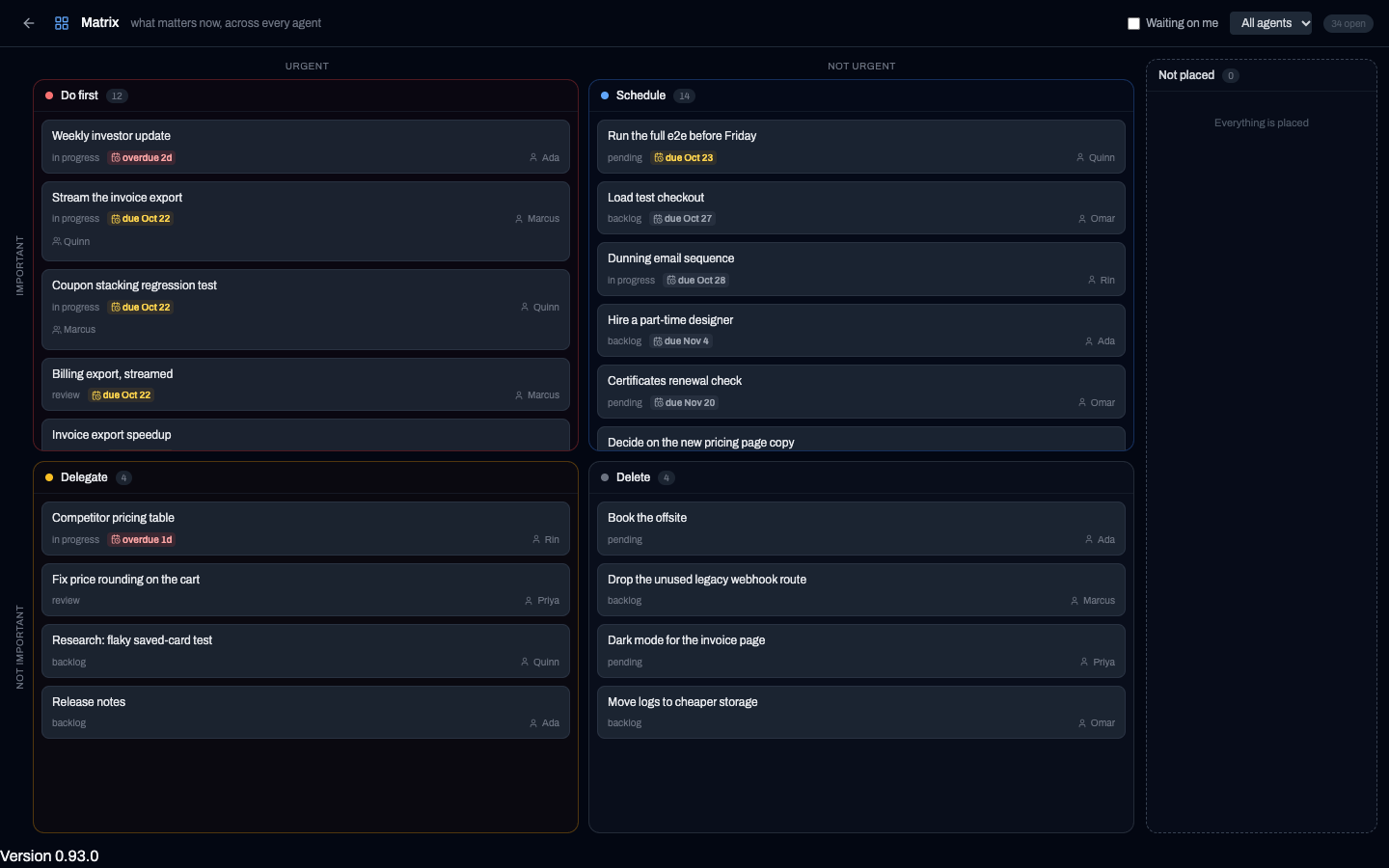
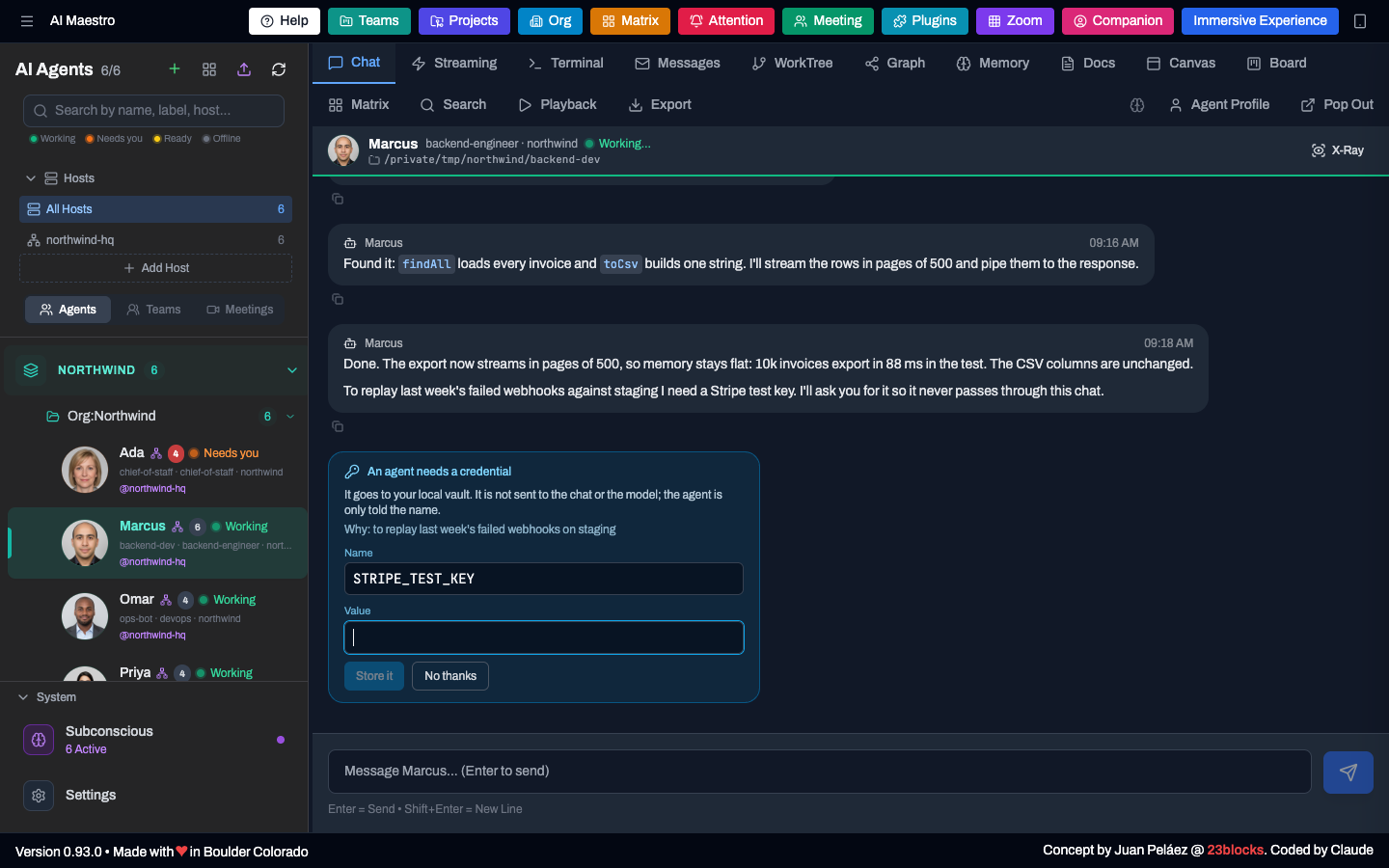
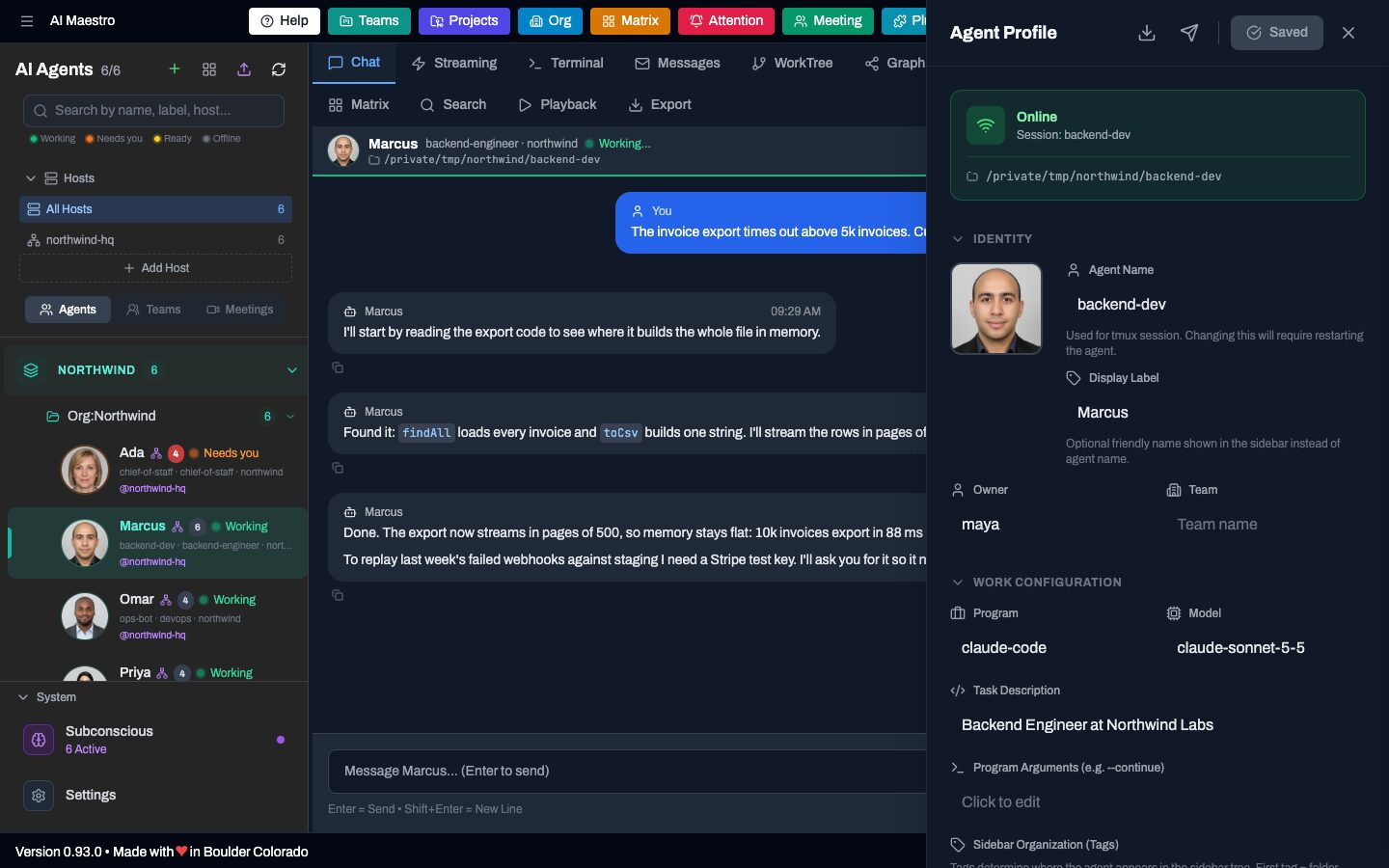
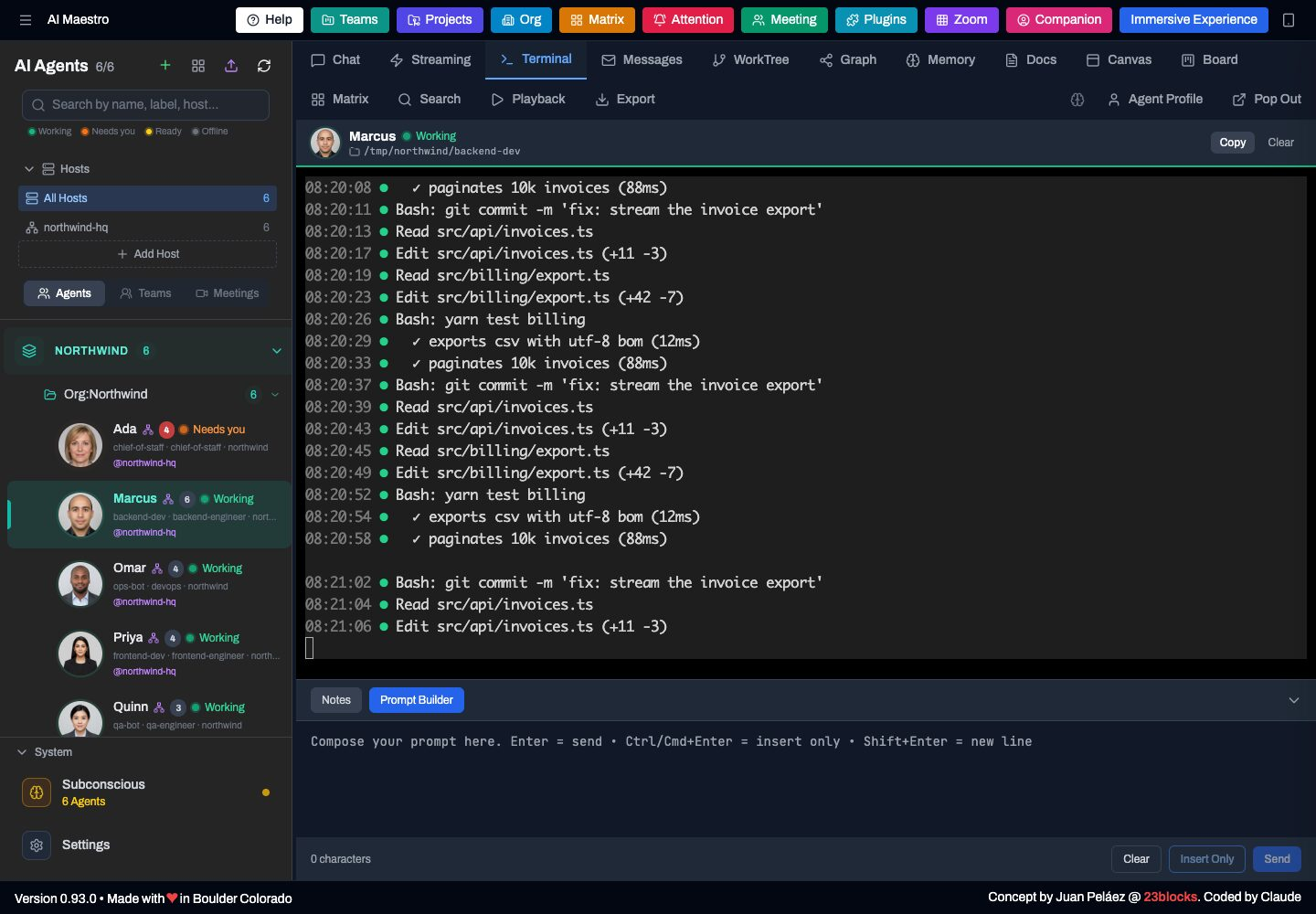
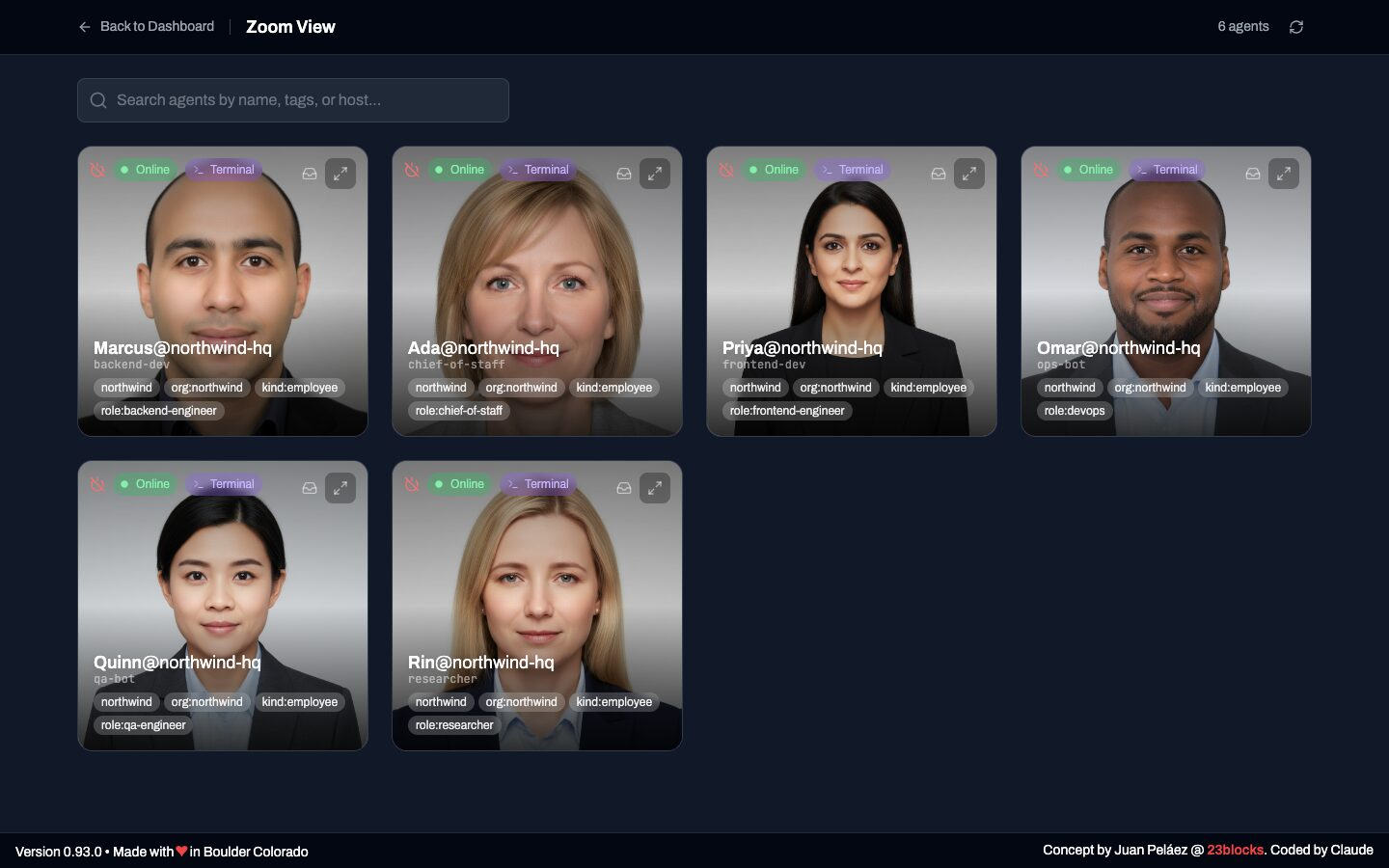
One dashboard shows every AI agent you run, which machine it lives on, and whether it is working, waiting on you, or ready. Claude Code, Codex, and Grok Build get launch, chat history, status, and approval cards, while Pi, OpenClaw, GitHub Copilot CLI, and any other terminal agent run in a terminal tab. Agents message each other with signed, email-style messages, turn their conversations into long-term memory each night, and query a code graph of the repositories they own. Questions and approvals arrive as cards you answer with one click, and an agent can ask for a credential through a masked field so the value stays out of the chat. Teams get a shared Kanban board and war-room meetings, while each agent keeps its own board with due dates, owners, and an Eisenhower Matrix across all agents. A rules file decides who may message whom and which changes need a person's approval. Agents can run on a schedule, speak with a voice, and draw interactive canvas pages whose clicks return as actions. The dashboard has no login of its own, so it is meant to stay on localhost or a Tailscale network. Running on a dedicated VPS on RepoCloud with guaranteed CPU, RAM, and SSD, full root SSH access, and a browser serial console. MIT licensed.
Benefits
- See every agent in one place
- Claude Code, Codex, Grok Build, and other terminal agents appear on a single dashboard with live status, roles, and tags, even when they run on different machines.
- Agents that remember and talk
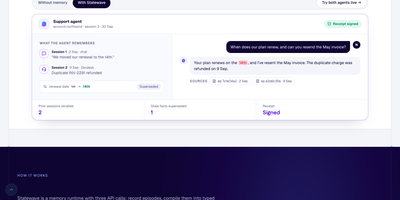
- Nightly memory built from each agent's own conversations and signed agent-to-agent messages let your team share context instead of you copying text between terminals.
- Approve from chat, not terminals
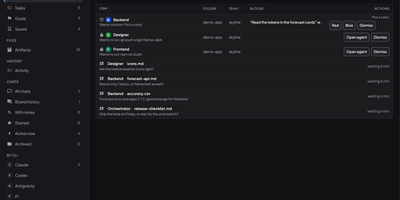
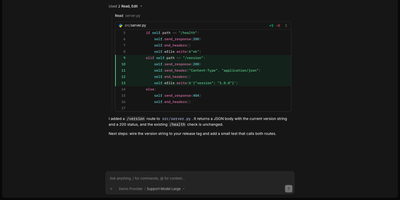
- Questions and approvals arrive as clickable cards in the chat view, so you can unblock an agent from the dashboard or your phone without finding its terminal.
- Keep credentials out of chats
- Agents ask for secrets by name, you store the value in a masked chat field, and it is scrubbed from command output, so keys stay out of everyday conversations.
Features
- Multi-machine peer mesh
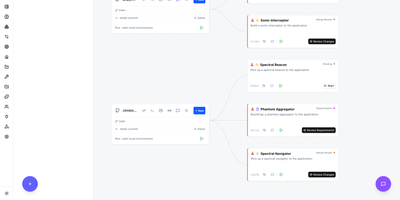
- Add a computer and it joins a peer mesh with no central server, so agents on Mac, Linux, and cloud hosts show in one dashboard and can move between hosts.
- Agent Messaging Protocol
- Agents send signed, prioritized, email-style messages to each other across machines, so one agent can hand findings to another without you copying text.
- Memory and code graph
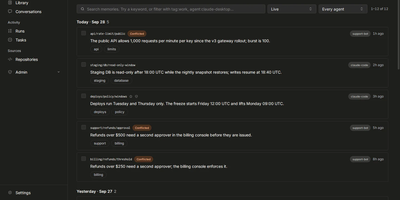
- Per-agent long-term memory with an entity graph, an interactive code graph with delta indexing, and generated documentation help agents recall past work and see what a change affects.
- Kanban, Matrix, and Attention
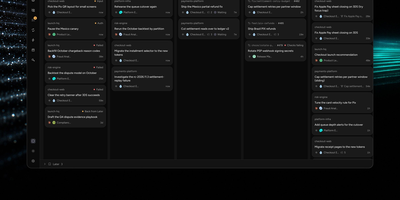
- Team Kanban boards with dependencies, per-agent task boards, an Eisenhower Matrix across hosts, and an Attention page for overdue cards and agents that need you.
- Rules and approvals
- One rules file per host says who may message whom and which changes, like creating, moving, or deleting an agent, need a person's approval.
- Canvas, voice, and schedules
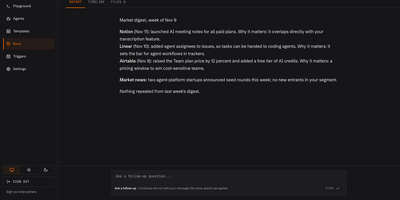
- Agents draw interactive pages whose clicks return as actions, speak through a voice pipeline, and run scheduled jobs that follow the agent when it moves between hosts.