Categories
self-hosted security vulnerability-scanner network-scanning cve nmap vulnerability-management devsecopsStars
Forks
Watchers
Developer links
Sirius Scan
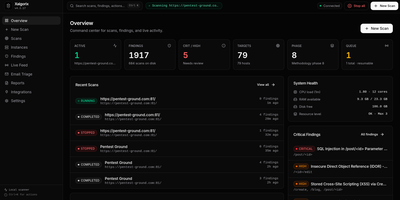
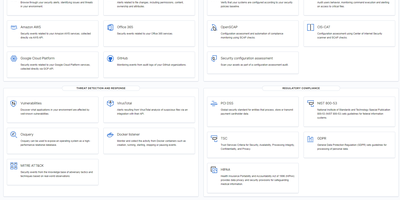
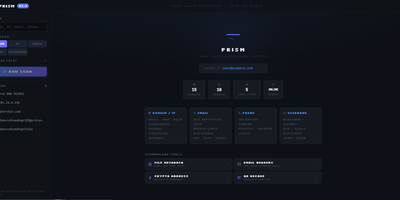
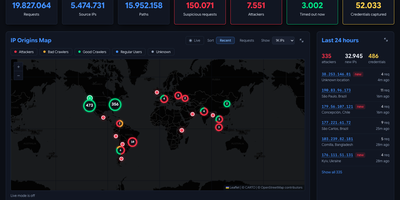
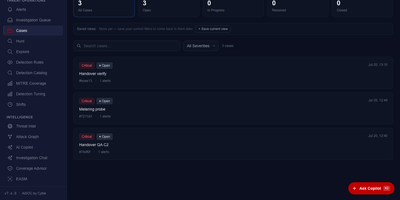
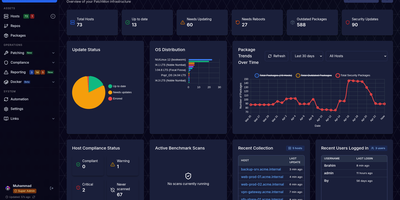
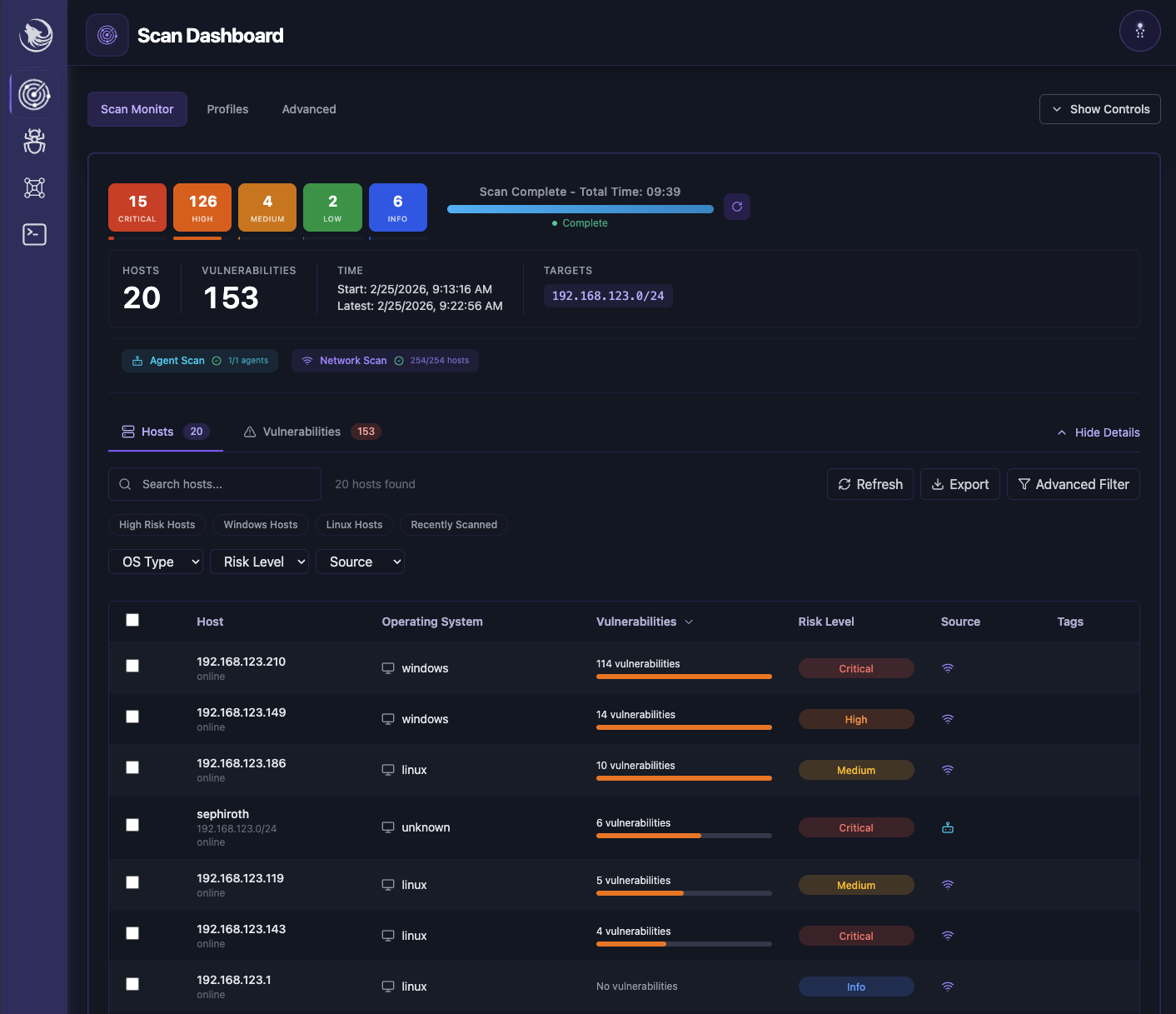
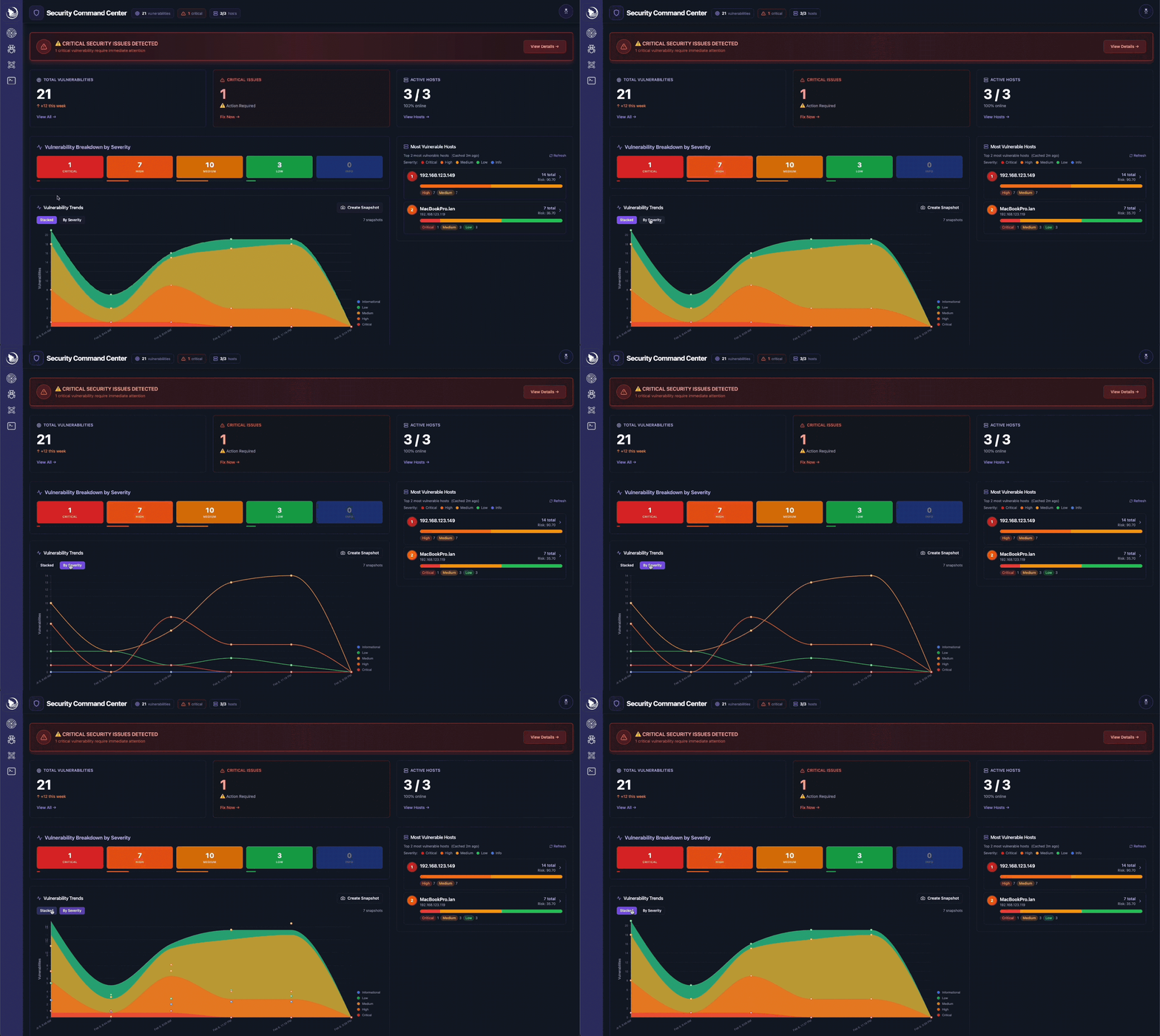
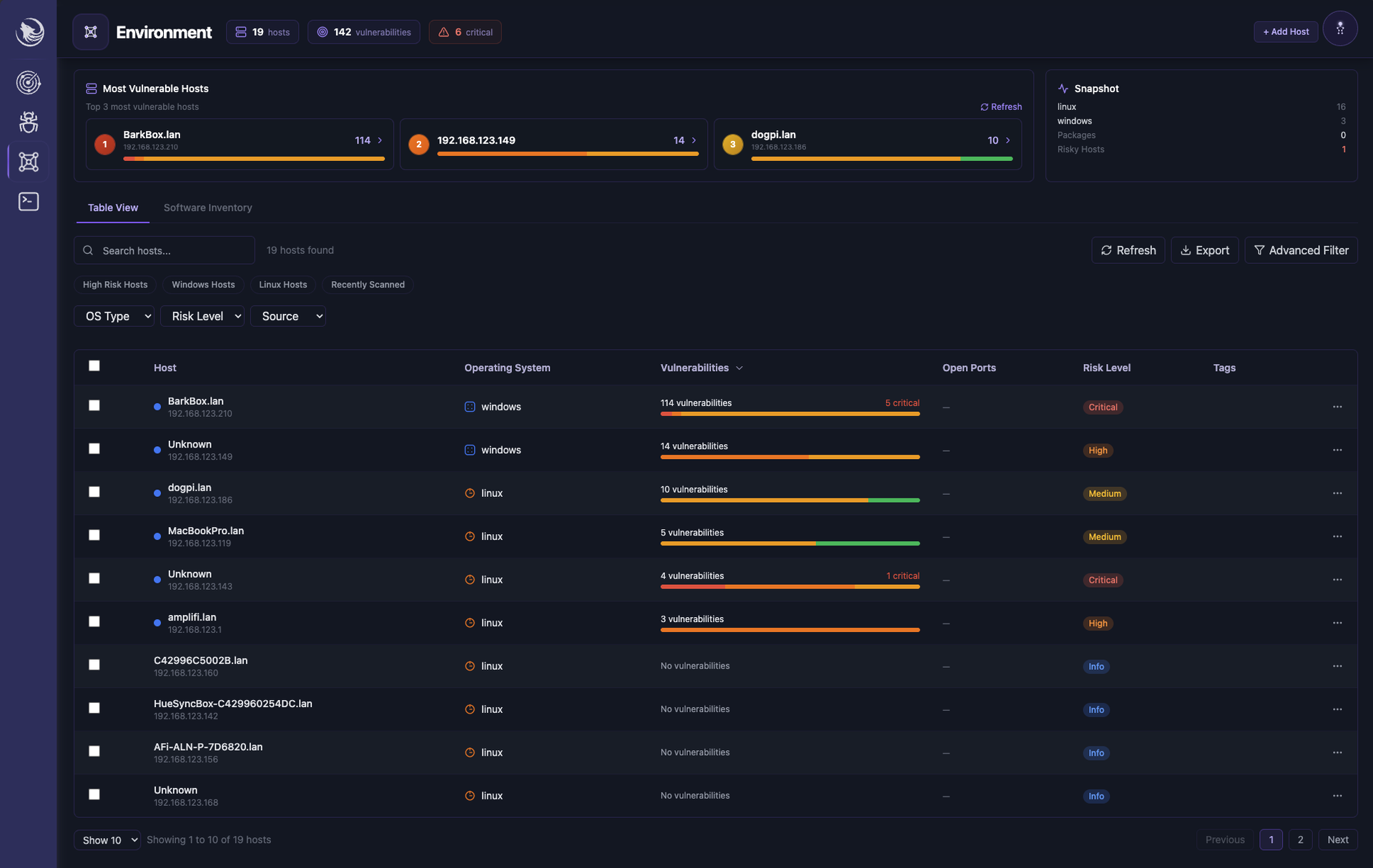
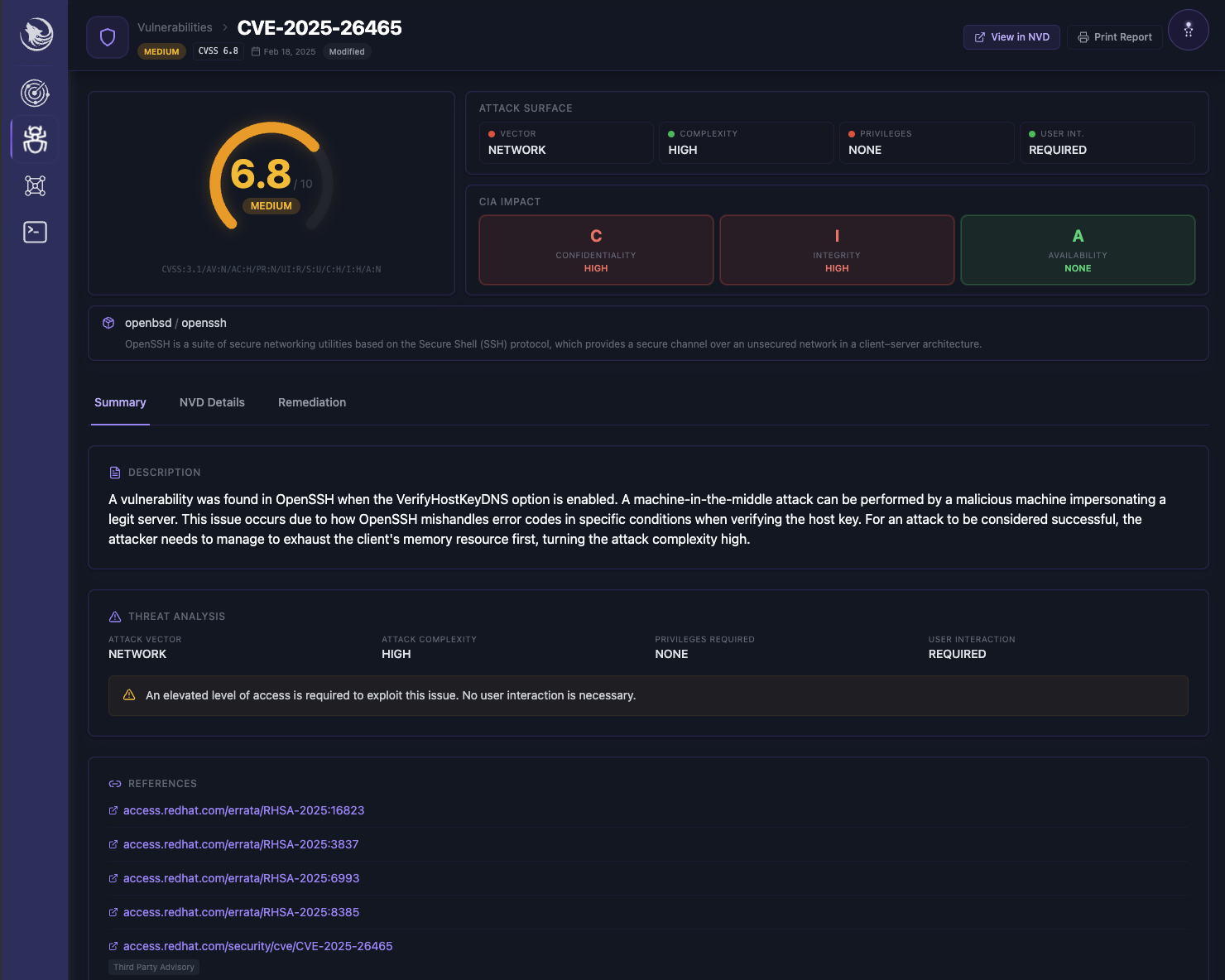
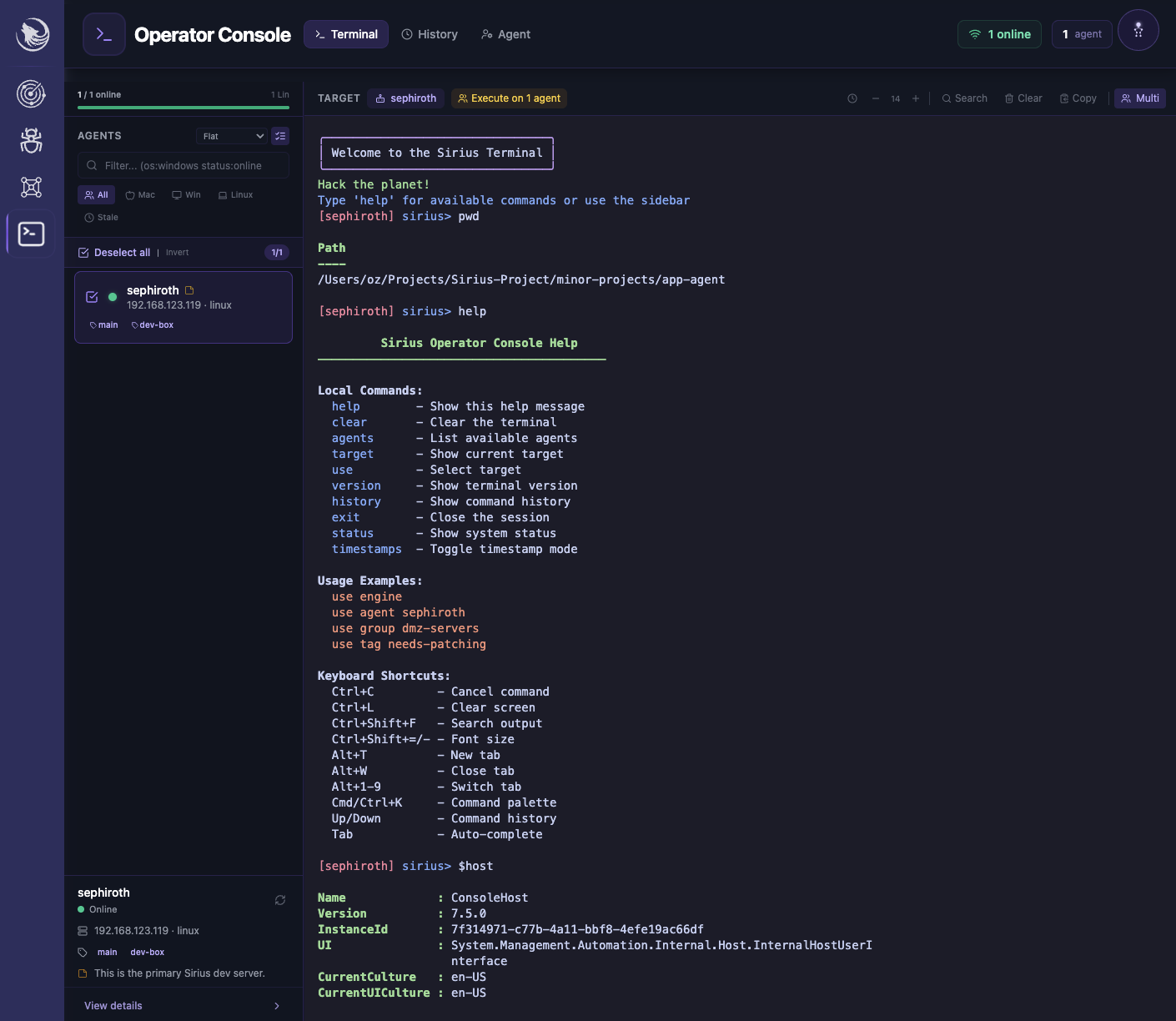
Point Sirius Scan at a network range and it finds live hosts, fingerprints their services, and lists every matching CVE with its CVSS score in a live web dashboard. The Vulnerability Navigator groups findings by severity, filters on CVSS, and exports results for remediation tracking. Scans run on Nmap with NSE scripts kept in sync with upstream, alongside Naabu port scanning. Lightweight remote agents connect back over gRPC from other networks, so segments the central scanner cannot reach still get assessed, and the same agents can run YAML detection templates locally in CLI mode with no server connection at all. An operator console runs PowerShell commands against connected agents and keeps command history beside the scan results. Real-time progress, severity trend charts, host detail pages, and an environment overview show what changed between scans. A REST API on port 9001 with API key authentication feeds results into existing security workflows, while service health monitoring and centralized logging confirm the platform itself is behaving. An installer generates fresh secrets and an initial admin password, and production overlays tighten the deployment further. Running on a dedicated VPS on RepoCloud with guaranteed CPU, RAM, and SSD, full root SSH access, and a browser serial console. MIT licensed.
Benefits
- Find Exposed Services And CVEs Quickly
- Nmap-based discovery enumerates hosts and services, then CVE matching with CVSS scoring turns raw port data into a prioritized findings list inside one dashboard.
- Assess Networks You Cannot Reach
- Remote agents connect back to the server over gRPC, extending scans to isolated segments and remote sites, while CLI mode runs YAML detection templates locally without server connectivity.
- Triage Findings With Operator Workflows
- The Vulnerability Navigator offers severity distribution, CVSS filtering, grouped views, and quick exports, while the operator console keeps command history beside active agents.
- Hardened Installer-First Deployment
- A one-shot installer generates secrets and an initial admin password, and production overlays tighten settings, so the four-command setup stays safe to repeat and to rotate.
Features
- Network Discovery Engine
- Automated host and service enumeration uses Nmap with NSE scripts synchronized from the upstream project, with Naabu port scanning in the same pipeline.
- Vulnerability Navigator
- Live severity distribution, CVSS-based filtering, grouped views, and fast export options move findings from raw scan output to concrete remediation decisions.
- Remote gRPC Agents
- Agents on remote hosts connect to the engine on port 50051 using a server address and API key, reporting results and executing delegated commands.
- Operator Console
- A PowerShell terminal with command history manages connected agents and targets, combining interactive response with scripted automation from the same interface.
- REST API Integration
- REST endpoints on port 9001 with X-API-Key authentication expose scans and health checks, so existing security workflows can launch and read scans programmatically.
- Health Monitoring And Logging
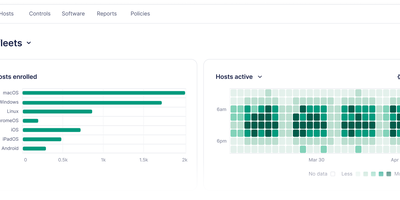
- Dashboards track service health, infrastructure metrics, and vulnerability trends in real time, backed by centralized logging across the API, engine, and database services.