Categories
Self-Hosted E-Commerce Small Business Retail Food Delivery Online Ordering Restaurants Web StorefrontStars
Forks
Watchers
Developer links
NextOrders
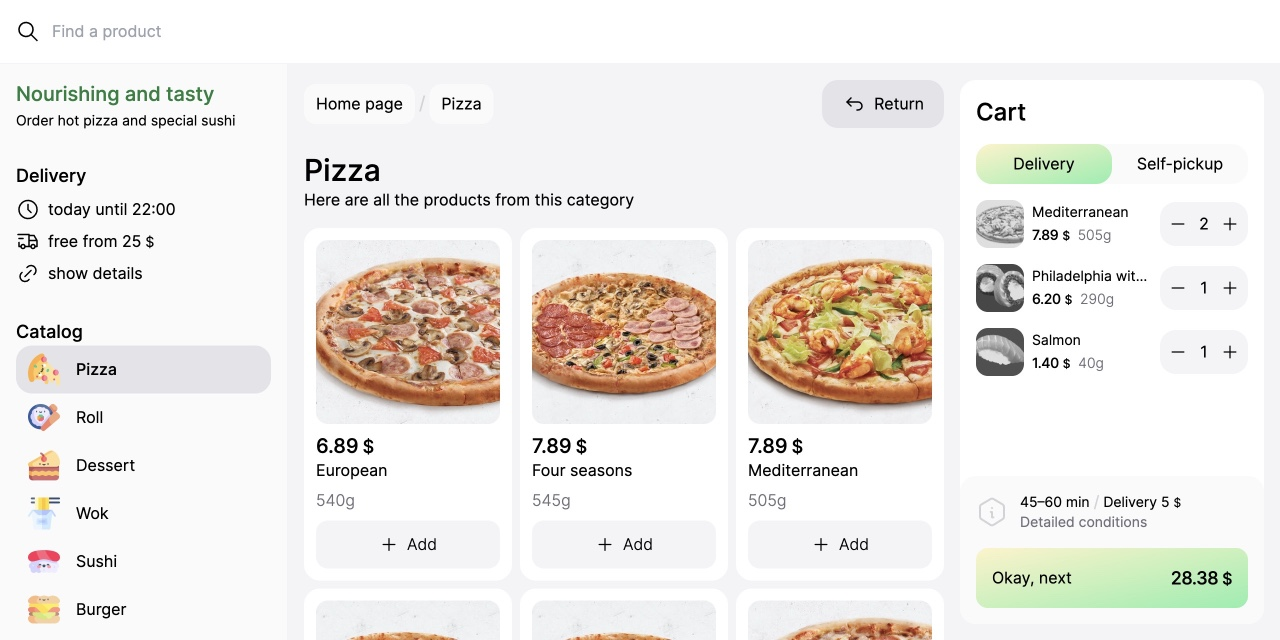
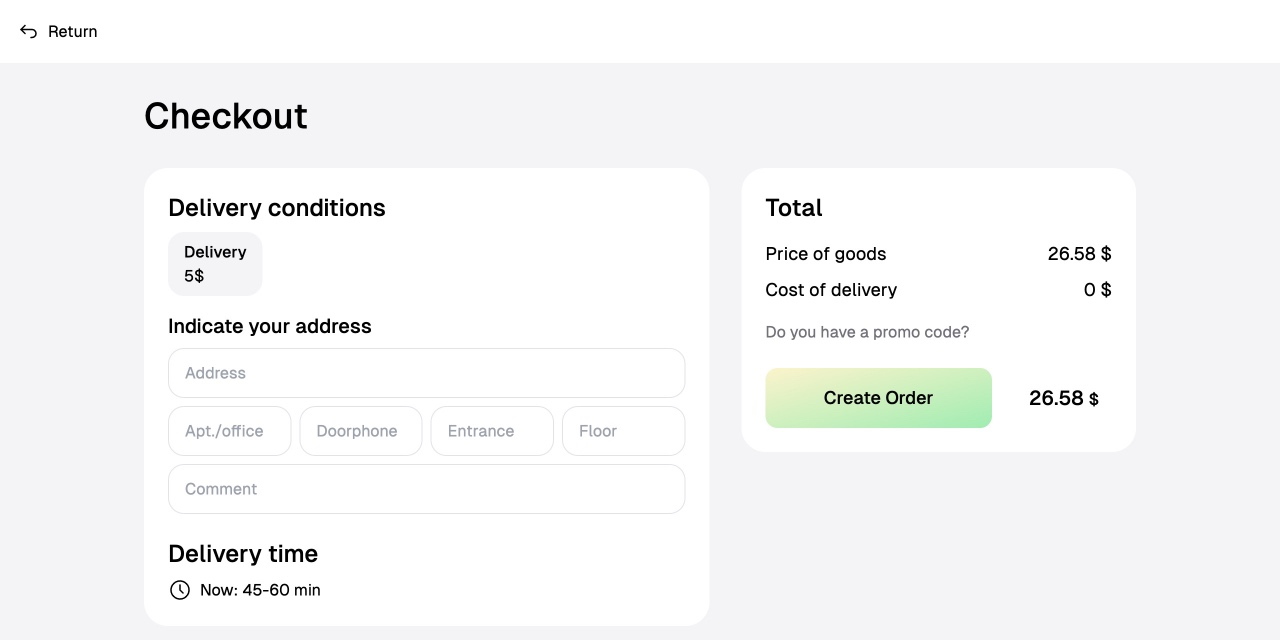
Marketplace apps take a large slice of every order, and NextOrders Food gives a restaurant its own ordering website instead. Customers land on a storefront carrying your brand, browse the menu, and check out under your domain, so the customer relationship stays with the kitchen. A city selector opens the right location storefront, which suits chains and ghost kitchens running several neighborhoods from one deployment. Menus speak to more guests with eleven or more bundled languages, from English and German to Georgian and Simplified Chinese. The cart stays visible on desktop during browsing, removing the hunt for the checkout button that loses hungry customers. Product pages can carry video, and the ordering flow highlights items frequently bought together, nudging a drink or side into the basket. Delivery and pickup are both supported at fulfillment, letting one menu serve couriers and counter collection. Pages render on the server as separate indexable pages, so search engines can find a city menu rather than a script shell. Behind the counter, the storefront talks to your backend through a typed food schema: your service supplies menus, prices, and order handling, and an example business logic service in the repository shows the contract working. Running on a dedicated VPS on RepoCloud with guaranteed CPU, RAM, and SSD, full root SSH access, and a browser serial console. MIT licensed.
Benefits
- Zero Marketplace Commission Fees
- Orders arrive through your own website under your own brand, so the 20 to 35 percent commission that aggregator platforms deduct from every sale stays in the restaurant.
- One Deployment, Many Cities
- A selector screen routes guests to separate storefronts per location, letting chains and ghost kitchens serve different menus and neighborhoods from a single hosted system.
- Menus In Eleven Languages
- Bundled locales cover English, German, Spanish, French, Russian, Chinese, and more, so international guests order in their own language without separate translated websites.
- Your Backend, Your Data
- The storefront connects through a typed schema to a service you control for menus, prices, and orders, keeping business logic and customer data on your infrastructure.
Features
- Persistent Desktop Cart
- The basket remains visible during menu browsing on desktop, keeping order totals in view and shortening the path from craving to checkout.
- Frequently Bought Together
- Product suggestions surface items often added together, turning the menu into a salesperson that remembers popular combinations across orders.
- Product Page Video
- Menu items can present video on their pages, showing texture, portion, and preparation in ways a static photograph cannot.
- Server Rendered Pages
- Multi-page server-side rendering keeps storefront pages fast and indexable, with strong Core Web Vitals scores on the public demo.
- Typed Food Schema
- A shared TypeScript schema defines the contract between storefront and backend, and the bundled Essence service demonstrates a working implementation.