Stars
Forks
Watchers
Developer links
Nacos
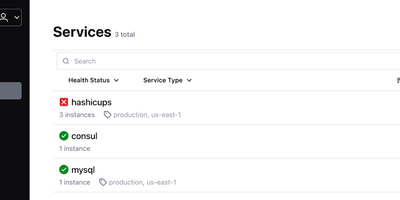
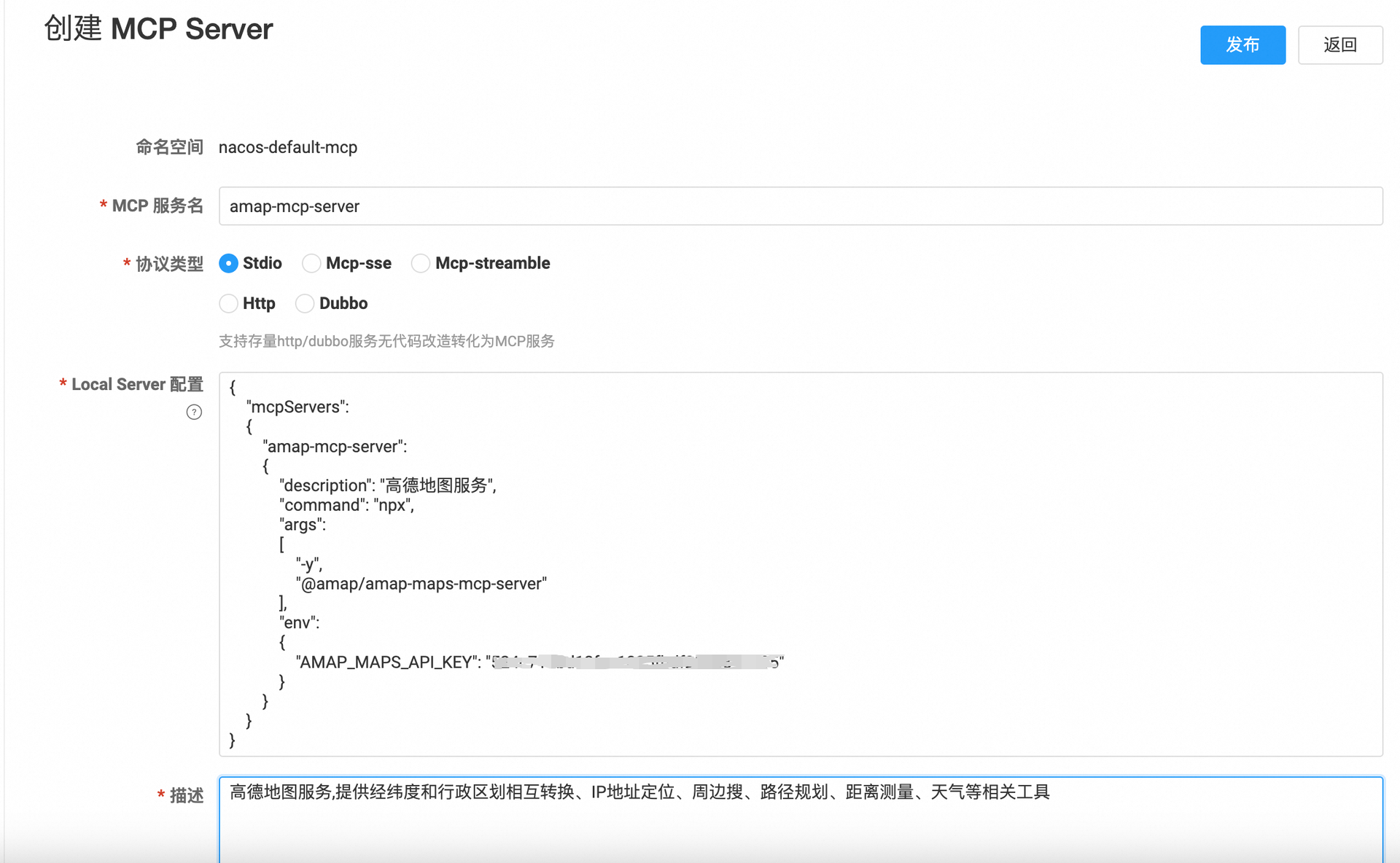
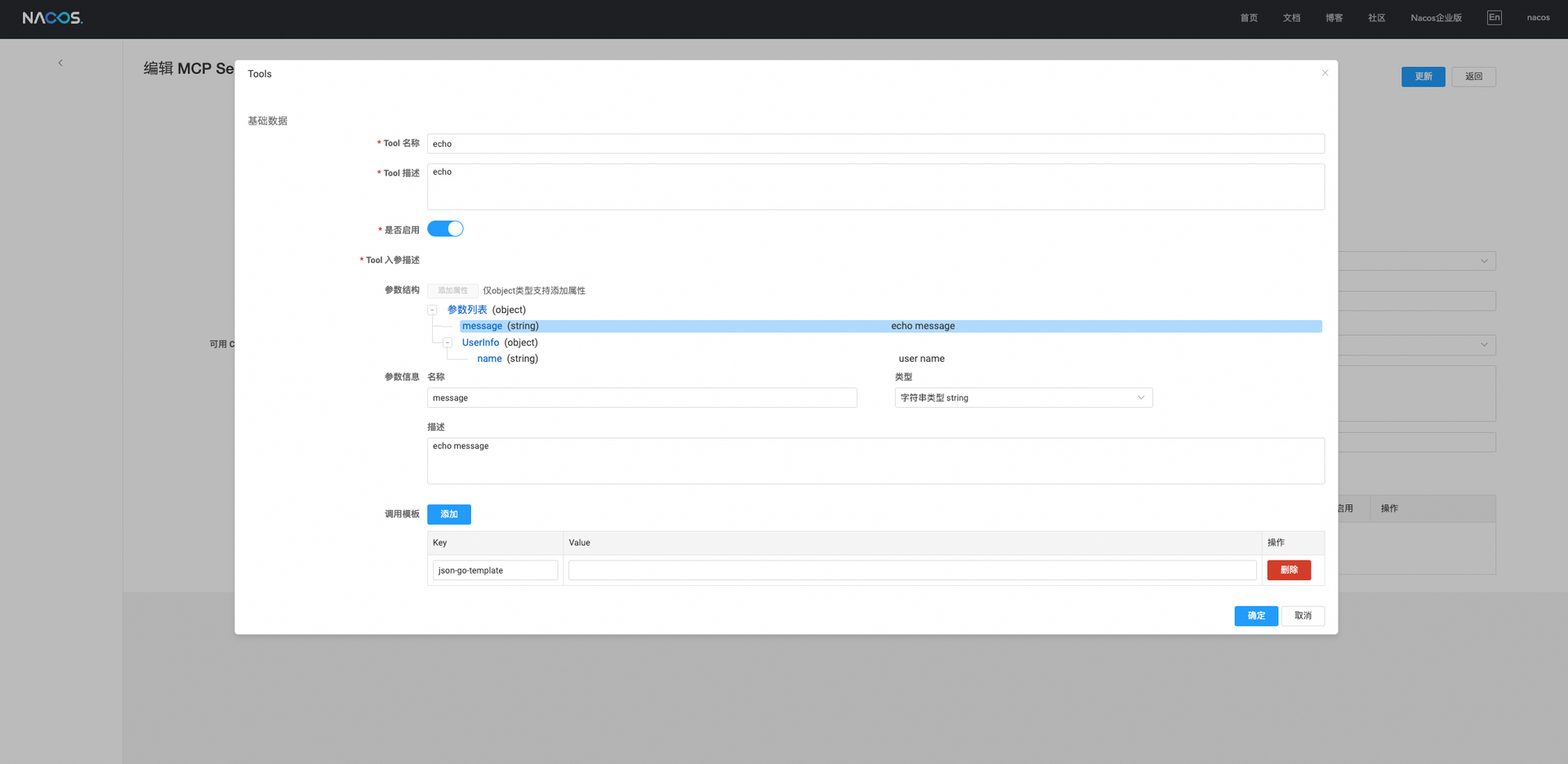
Every microservice has to find the others and learn its own settings, and Nacos is the discovery and configuration platform that answers both needs from a single server. Producers register instances with names, addresses, weights, and metadata, and consumers look services up or subscribe to changes, so a fresh instance receives traffic without hand-edited load balancer rules. Health checks drop dead instances from discovery results, while weight controls in the console shift traffic gradually during a rollout or drain a node before maintenance. Configuration lives apart from code: publish properties and YAML under a Data ID and Group, split environments with namespaces, and subscribed clients apply changes within seconds. History keeps every published version, so a typo is recoverable: rollback republishes an earlier value, and listener queries show which clients picked the change up. Gray releases push a new value to a chosen slice of instances first, so a risky flag reaches a fraction of the fleet before the rest. The registry covers AI building blocks too: MCP servers register their tools, prompts and skills carry versions and visibility, and agents publish discovery cards that gateways look up like any service. Spring Cloud, Dubbo, and Kubernetes workloads plug in through SDKs for Java, Go, Python, and other languages; run one standalone node for development or a Raft-backed cluster for production. Running on a dedicated VPS on RepoCloud with guaranteed CPU, RAM, and SSD, full root SSH access, and a browser serial console. Apache-2.0 licensed.
Benefits
- Discovery Without Hand-Edited Endpoints
- Services register address, port, weight, and metadata themselves, and subscribers receive push updates when instances join, leave, or fail health checks, so callers never hard-code host lists.
- Configuration Changes Without Redeploys
- Publish a new Data ID value and subscribed clients apply it in seconds; namespaces separate dev, staging, and production, and listener queries prove which instances received the change.
- Rollback For Every Published Value
- Each publish stores a history version with its operator and timestamp, gray releases target a slice of instances first, and one-click rollback republishes a known-good value fleet-wide.
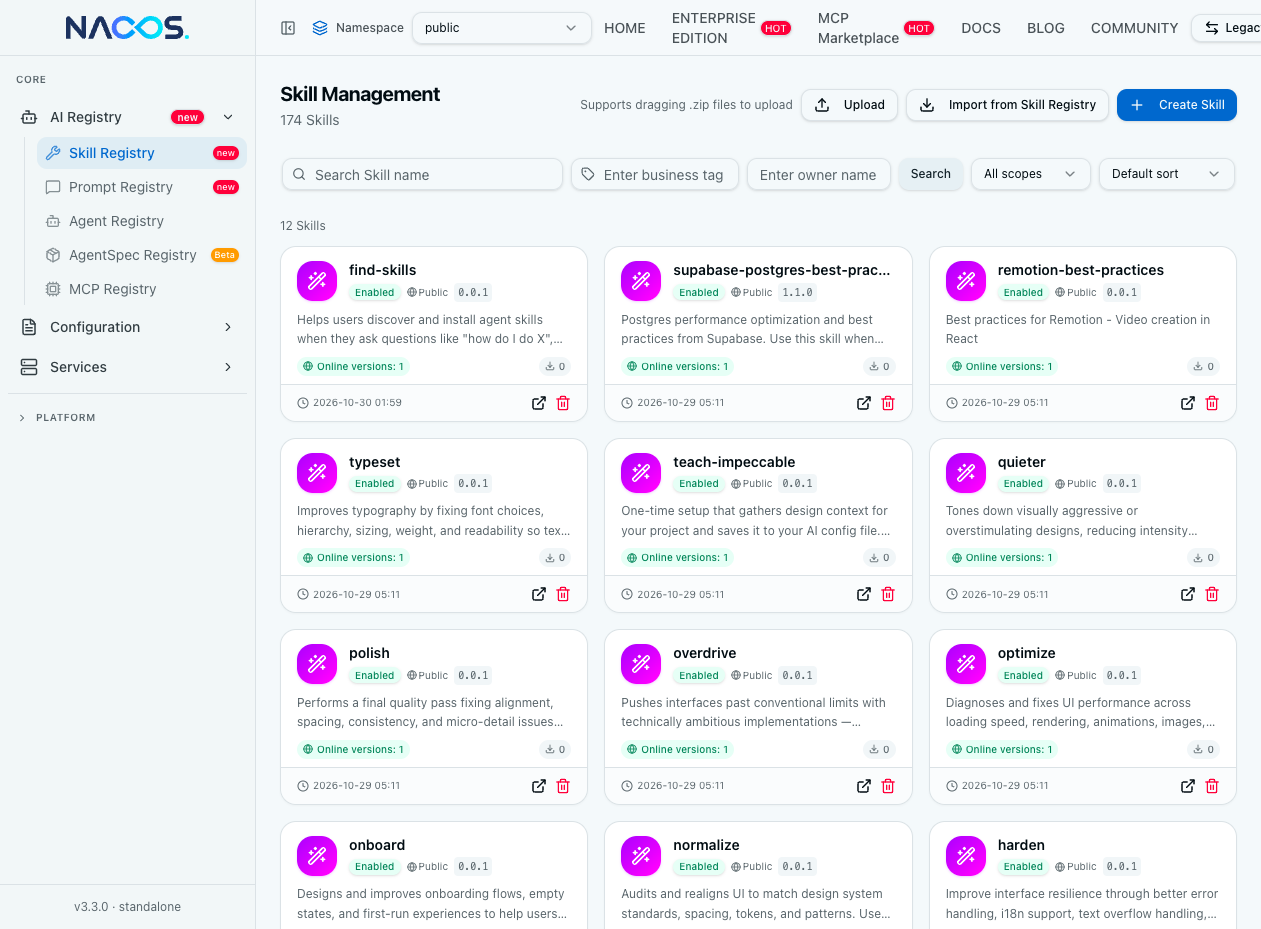
- One Registry For AI Resources
- MCP servers, prompts, skills, and agent cards get namespaces, versions, visibility, and lifecycle states in the same registry, so agents discover tools exactly like services do.
Features
- Service Discovery Registry
- Instances register over HTTP or gRPC with ephemeral or persistent modes, heartbeat health checks, clusters, weights, and metadata that consumers query through SDKs and OpenAPI.
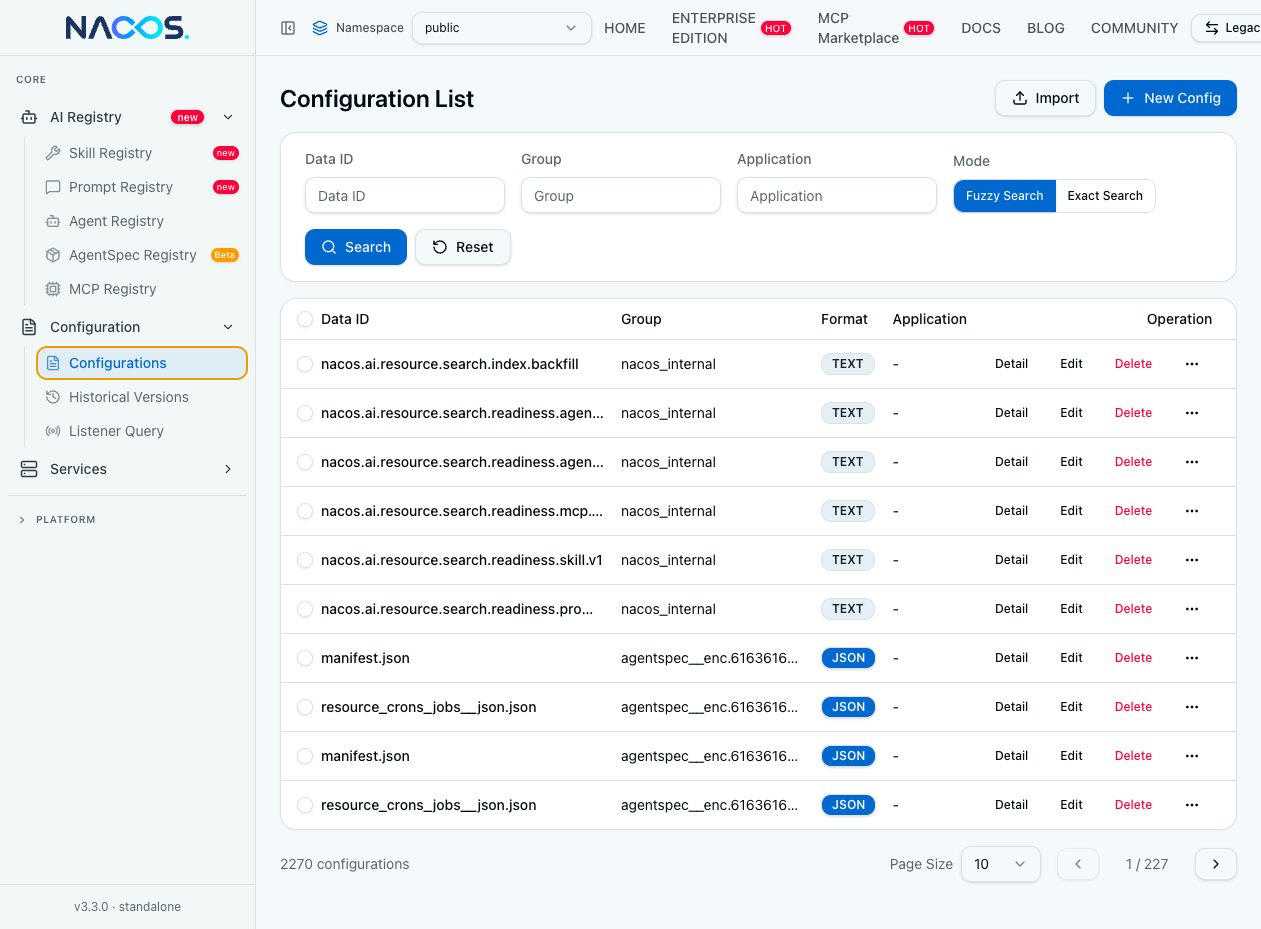
- Dynamic Configuration Center
- Data ID, Group, and namespace organize properties, YAML, JSON, and text configurations with MD5 change detection, long-polling listeners, import/export, and clone operations.
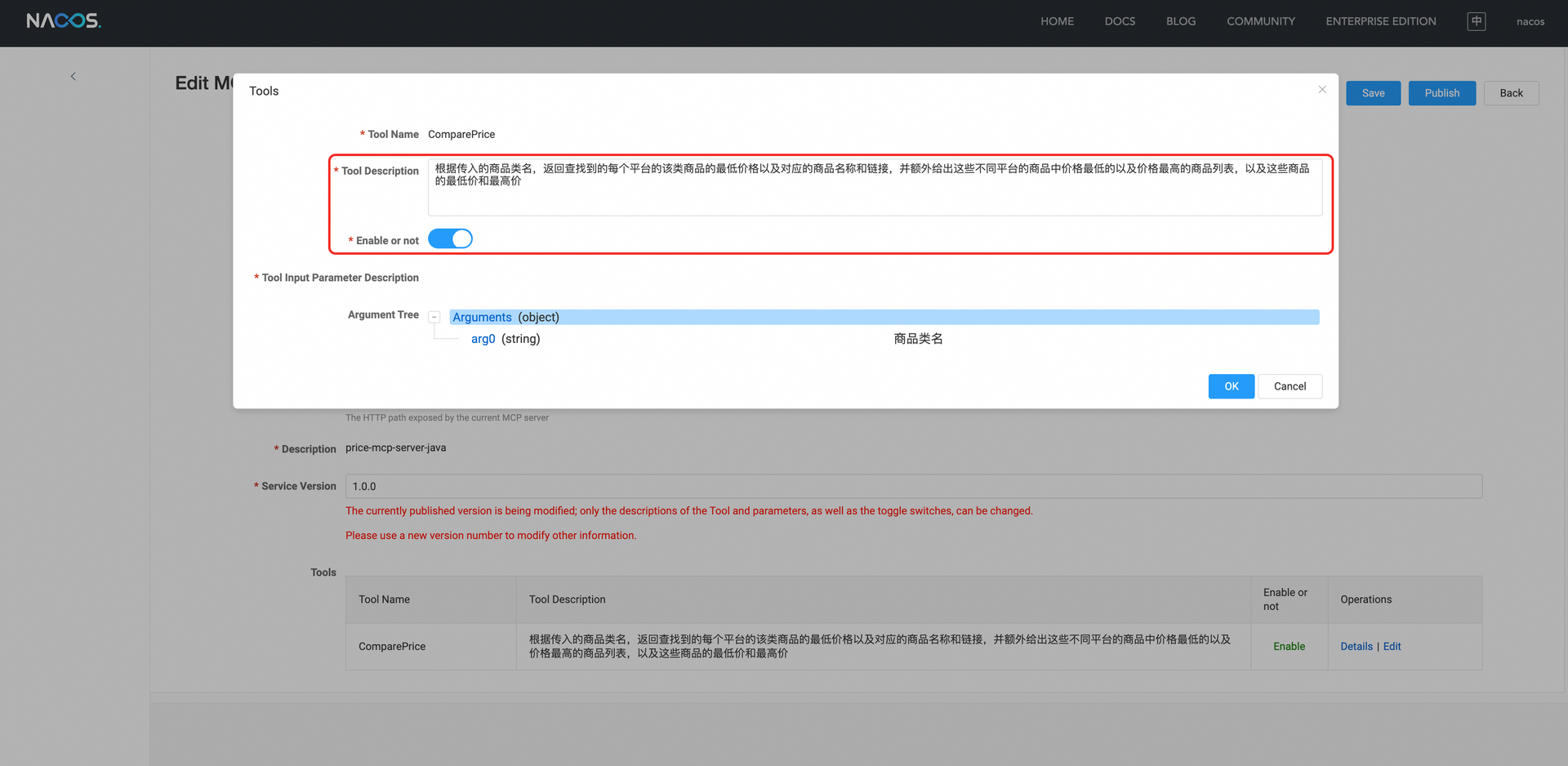
- AI Registry And MCP
- MCP servers auto-register tools that operators can rename, describe, and toggle at runtime, while Prompt, Skill, Agent, and AgentSpec registries version AI resources.
- Operations Console
- The port 8080 console manages services, configurations, namespaces, and permissions, with cluster state, connection lists, and configuration listener views for troubleshooting.
- Cluster And Standalone Modes
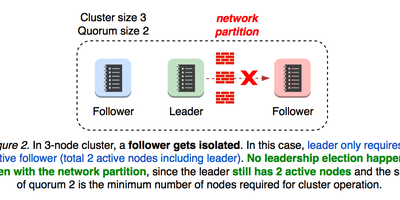
- Run one standalone node on embedded Derby, or cluster three or more servers with JRaft consensus and MySQL storage behind the same client ports.