Categories
Knowledge Management AI Agents RAG Workflow Automation Knowledge Graph Model Context Protocol Multi-TenantStars
Forks
Watchers
Developer links
Yuxi
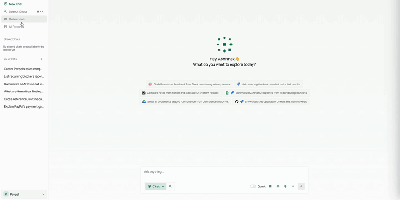
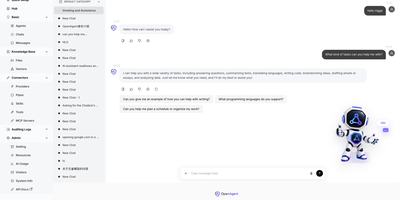
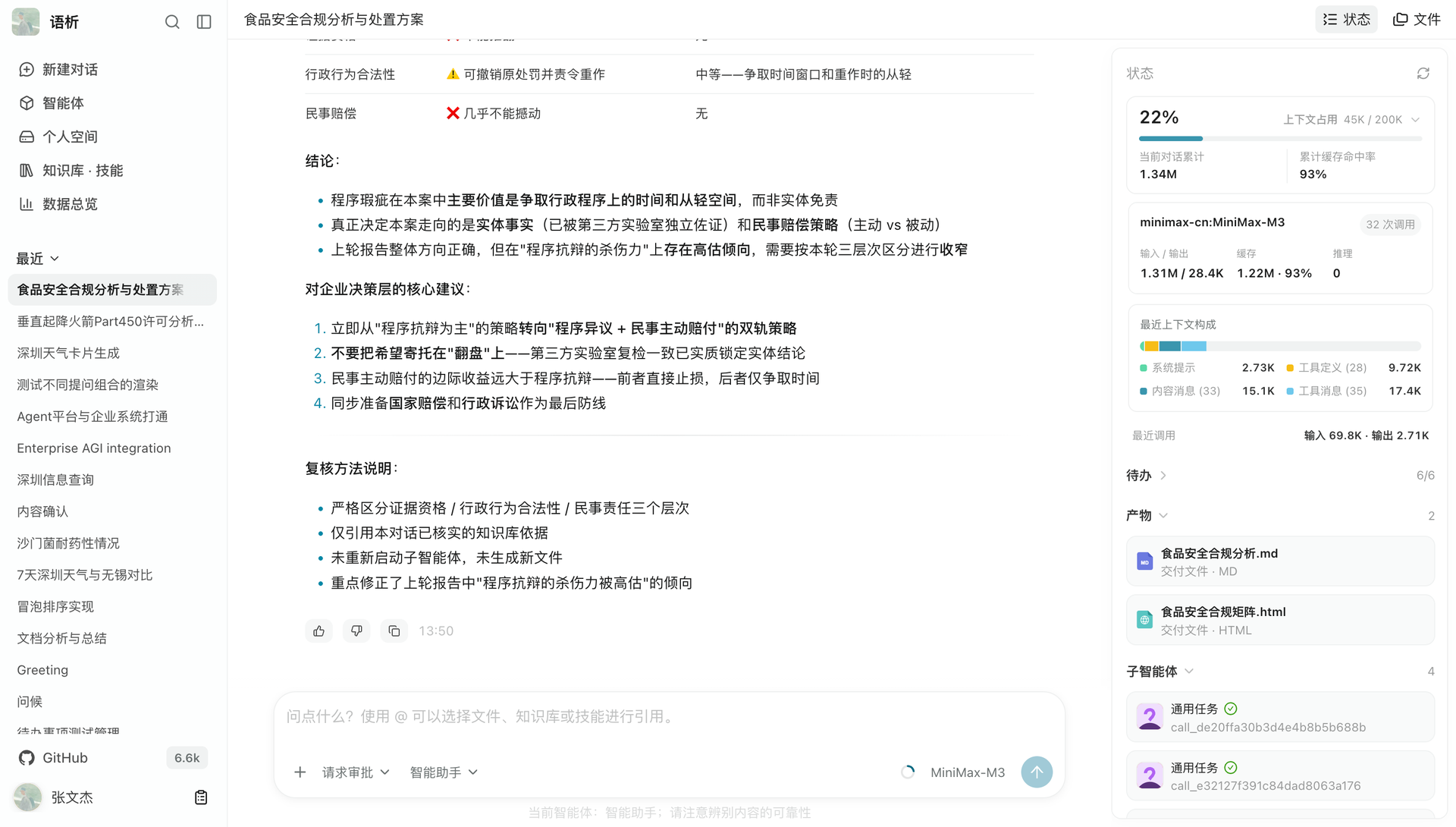
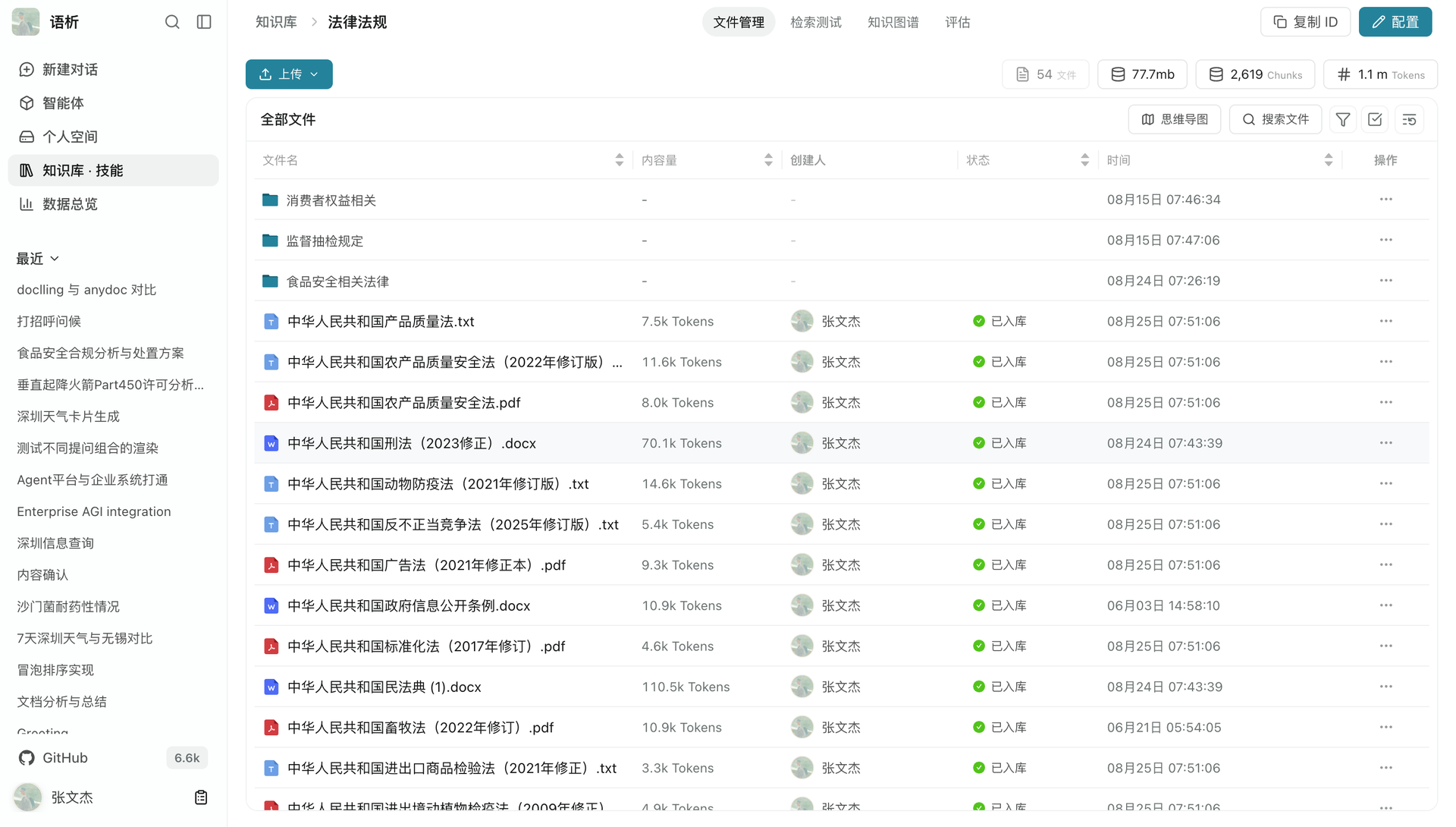
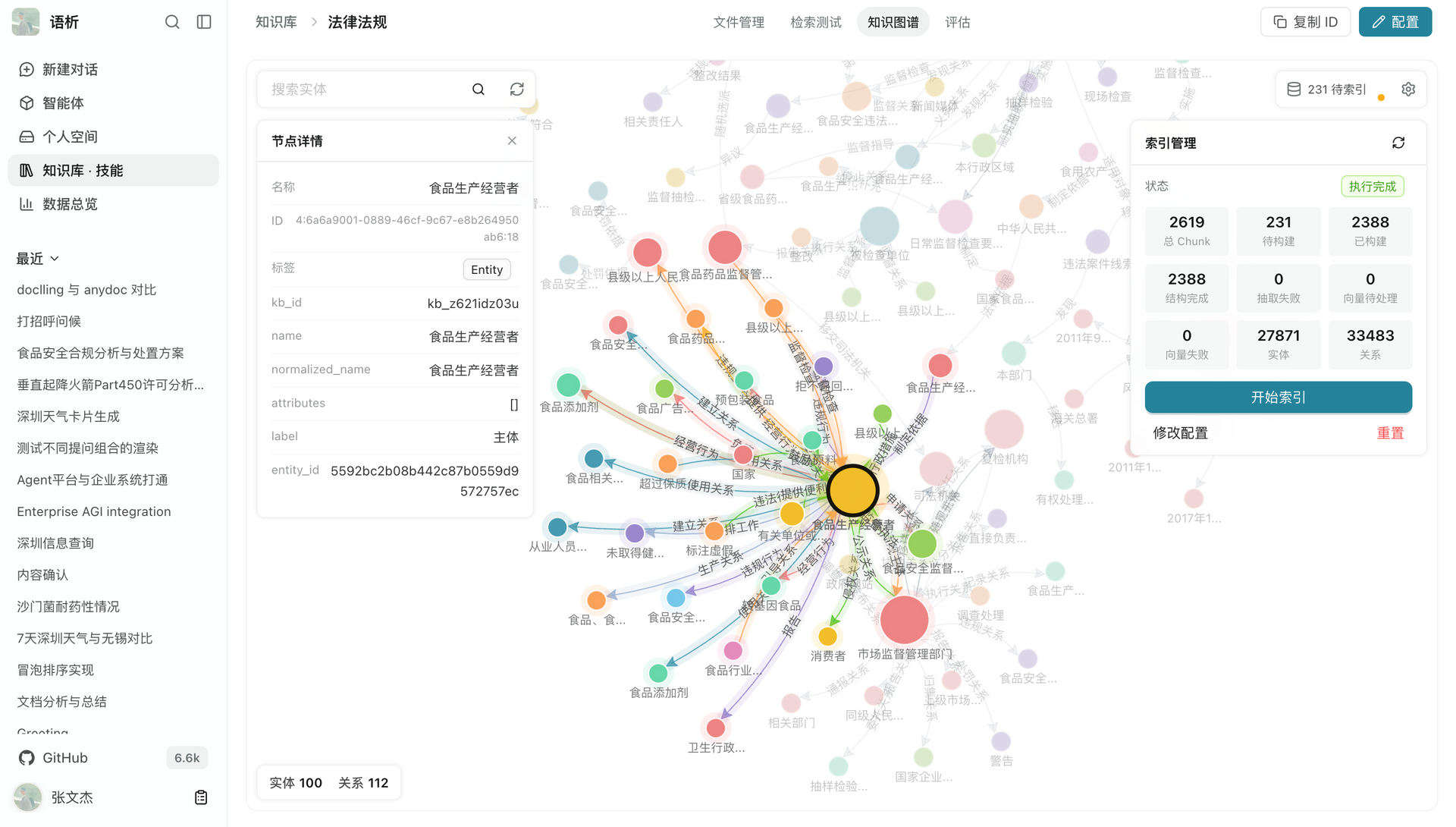
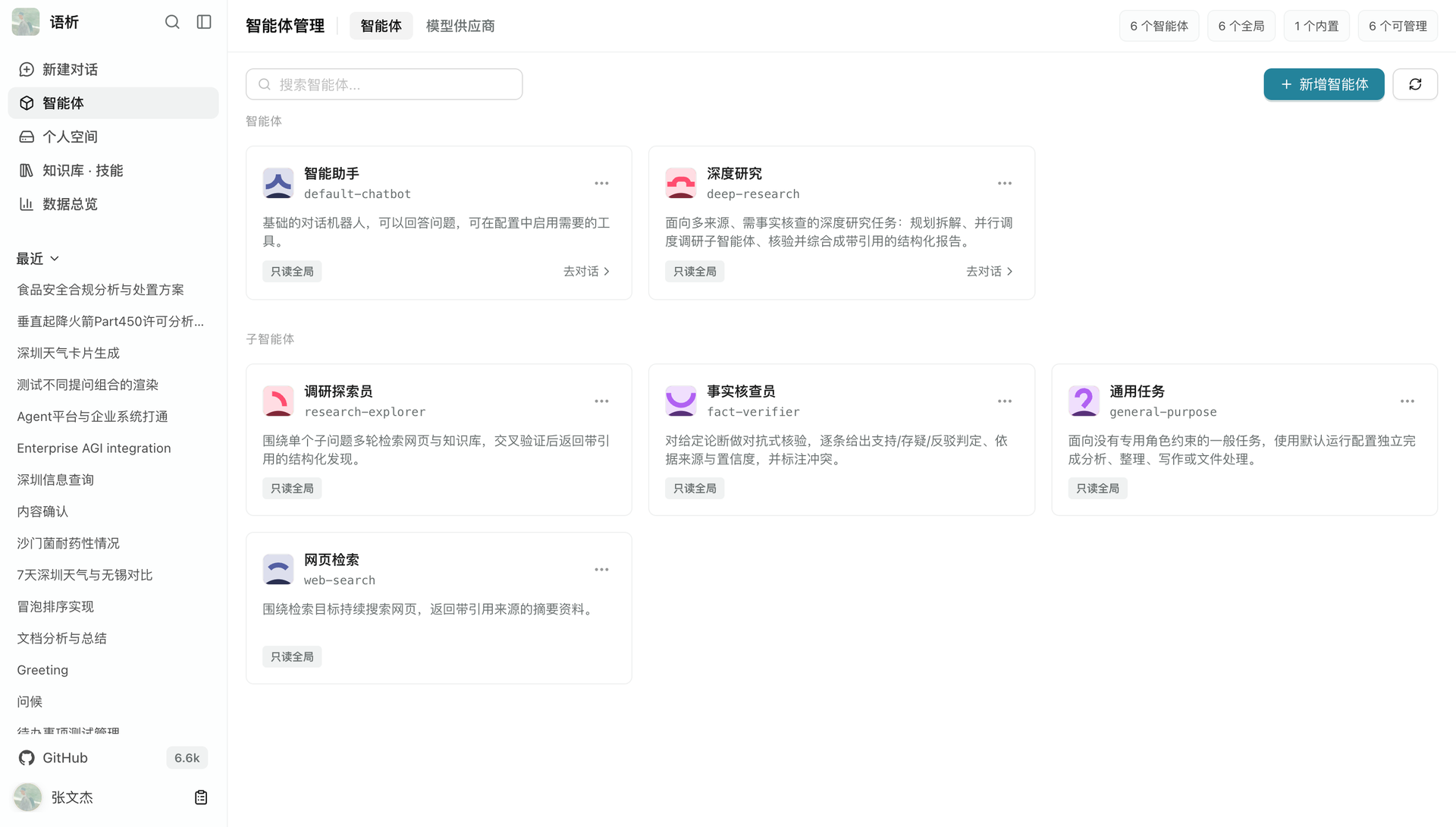
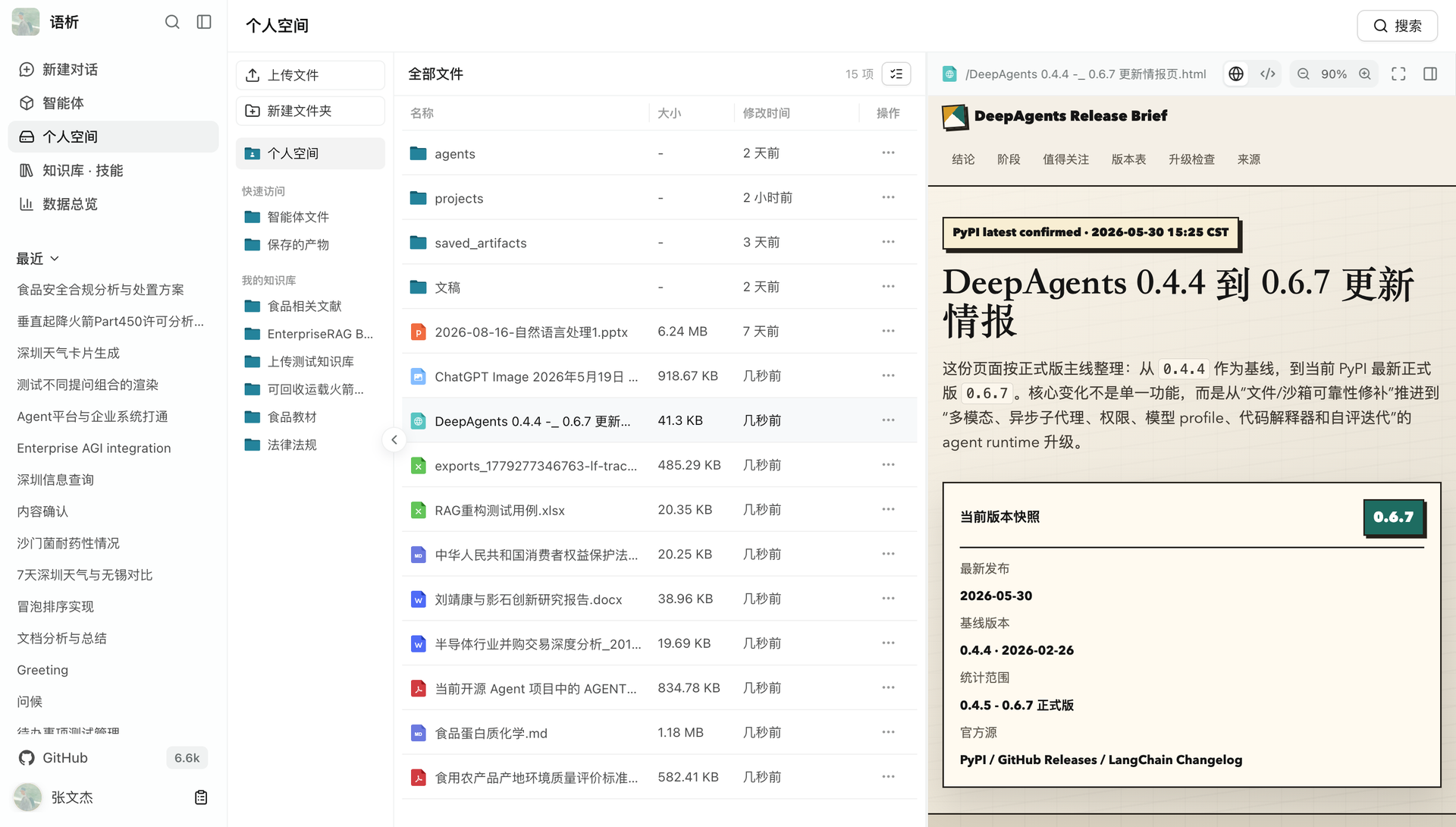
Navigating organizational knowledge, visualizing concept graphs, and orchestrating cooperative AI agents converge inside Yuxi, an open-source multi-tenant workspace built for enterprise research and deep archive exploration. Users can upload diverse business documents including scanned PDFs, spreadsheets, and slide presentations to automatically extract structured text blocks, tables, and entity relationships for semantic querying. Knowledge teams can inspect interactive topological graph views to explore connections between company entities, cross-referencing subgraphs against original file sources. Practitioners can configure autonomous agents with specialized subagents, assigning dedicated roles for concurrent research, deep data synthesis, and code execution. Human reviewers can inspect agent thought chains in real time and evaluate interactive confirmation cards before agents execute irreversible external actions or modify shared workspace files. Operators can execute sandboxed tasks that produce downloadable reports, interactive data charts, and rendered HTML pages stored within isolated workspace file systems. Administrators can govern model endpoints, set granular permission boundaries across departments, and monitor token consumption through live system analytics. Running on a dedicated VPS on RepoCloud with guaranteed CPU, RAM, and SSD, full root SSH access, and a browser serial console. MIT licensed.
Benefits
- Integrated Knowledge Graph Entity Navigation
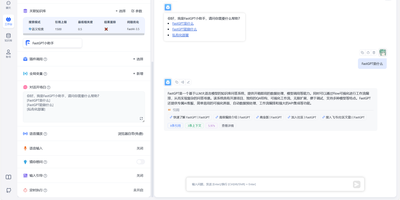
- Extracts business entities and semantic relationships directly from document chunks into Neo4j, enabling users to explore interactive relational subgraphs alongside standard vector similarity search results.
- Sandboxed Autonomous Task Execution
- Dispatches background worker processes in an isolated filesystem environment, allowing agents to generate interactive charts, rendered HTML previews, and downloadable deliverables without compromising host system integrity.
- Collaborative Multi-Tenant Access Governance
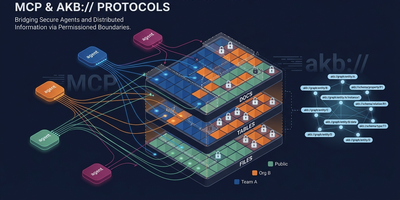
- Enforces granular permission boundaries across departments, user groups, and external knowledge bases, ensuring confidential organizational documents and specialized agents remain strictly compartmentalized.
- Human-in-the-Loop Operational Approval
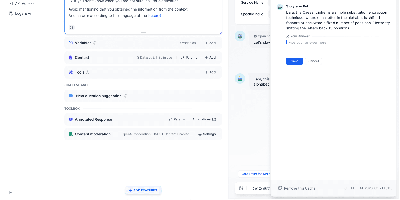
- Surfaces interactive confirmation dialogs before agents execute high-risk external tool actions or modify repository files, providing complete human oversight for critical organizational workflows.
Features
- Hybrid Vector and Graph Retrieval
- Combines Milvus vector indexing with Neo4j graph traversal and reranking algorithms to provide accurate contextual recall for complex enterprise queries.
- LangGraph Multi-Agent Orchestration
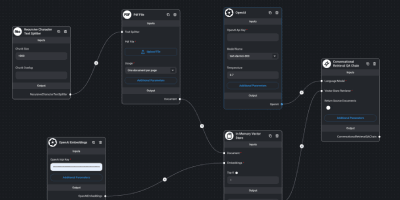
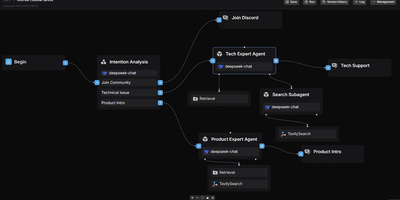
- Decomposes complex organizational goals into concurrent subtasks coordinated across specialized LangGraph agents, background ARQ workers, and MCP tool servers.
- Multimodal Document Ingestion
- Parses PDFs, presentation decks, spreadsheets, and markdown notes using MinerU and PaddleOCR to extract tabular data, text blocks, and layout hierarchies.
- Interactive Workspace Sandbox
- Provides an in-browser workspace for viewing agent-generated markdown reports, interactive HTML pages, and code scripts with real-time editing and direct export.
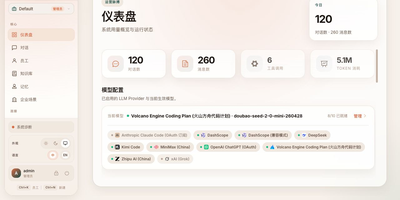
- Enterprise Governance Dashboard
- Tracks active task queues, token expenditures, model provider credentials, and retrieval quality benchmarks across organizational departments through real-time administration panels.