Categories
Self-Hosted Homelab Authentication Access Control Identity Management User Management LDAP Directory ServiceStars
Forks
Watchers
Developer links
LLDAP
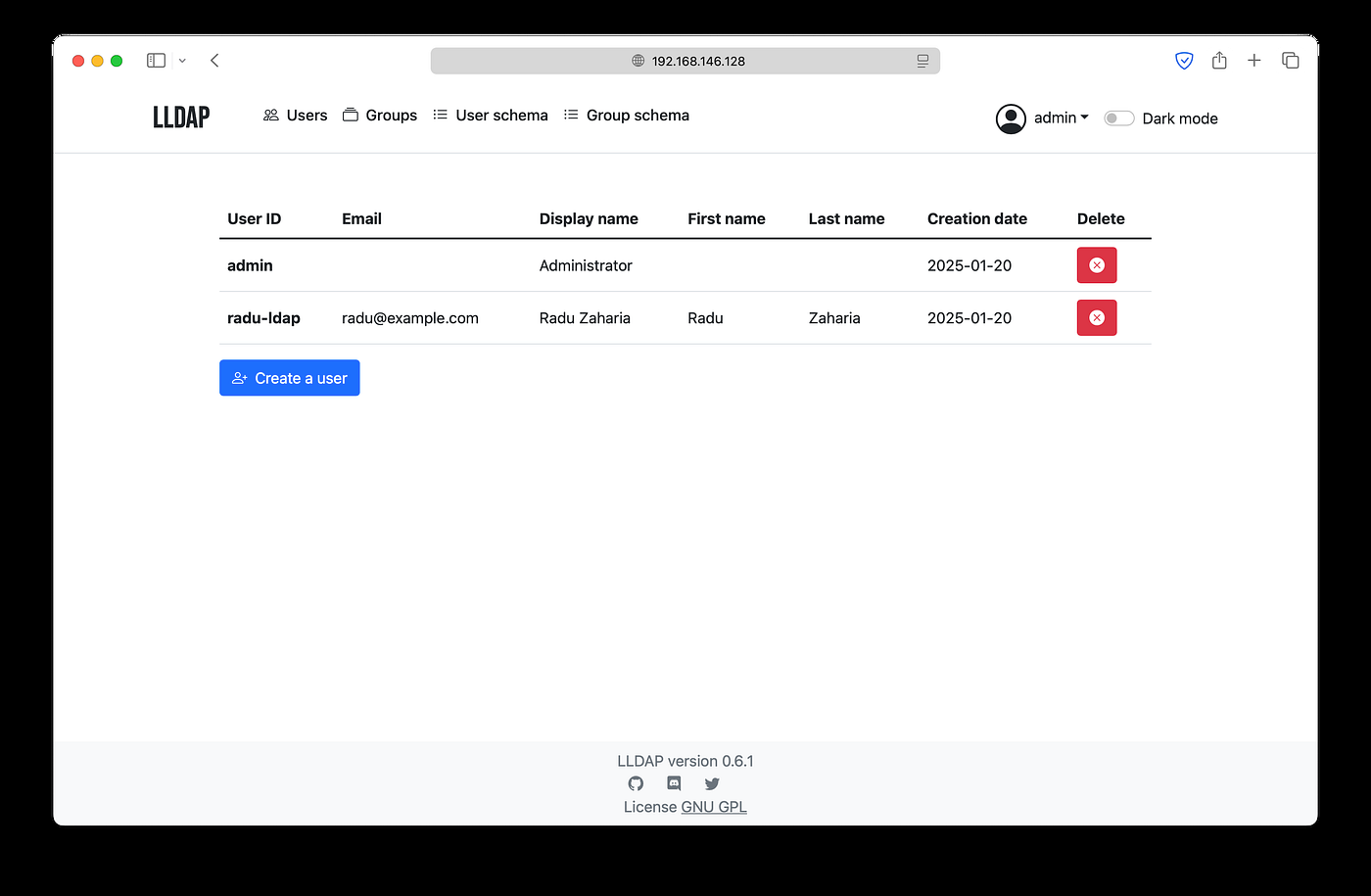
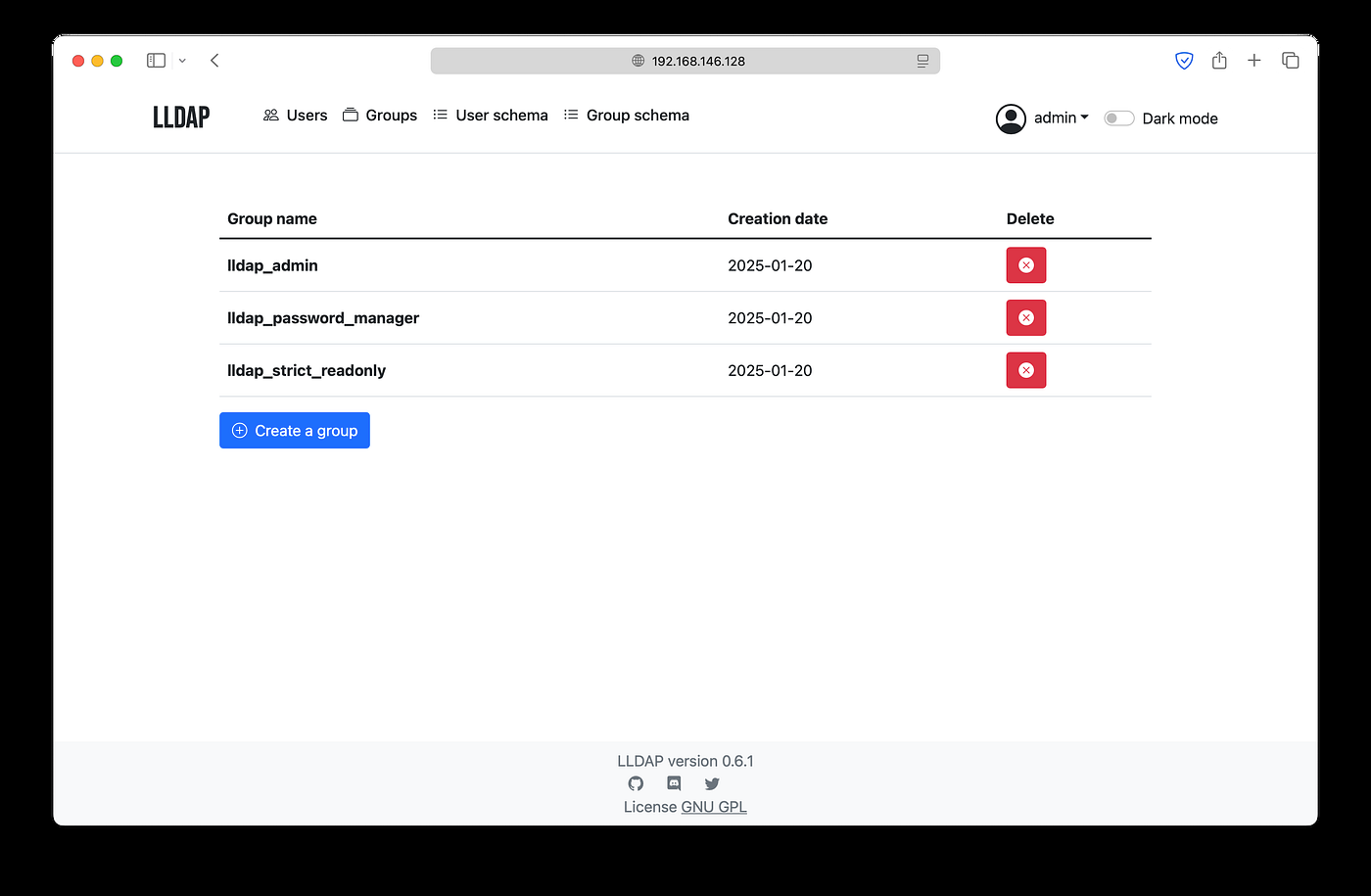
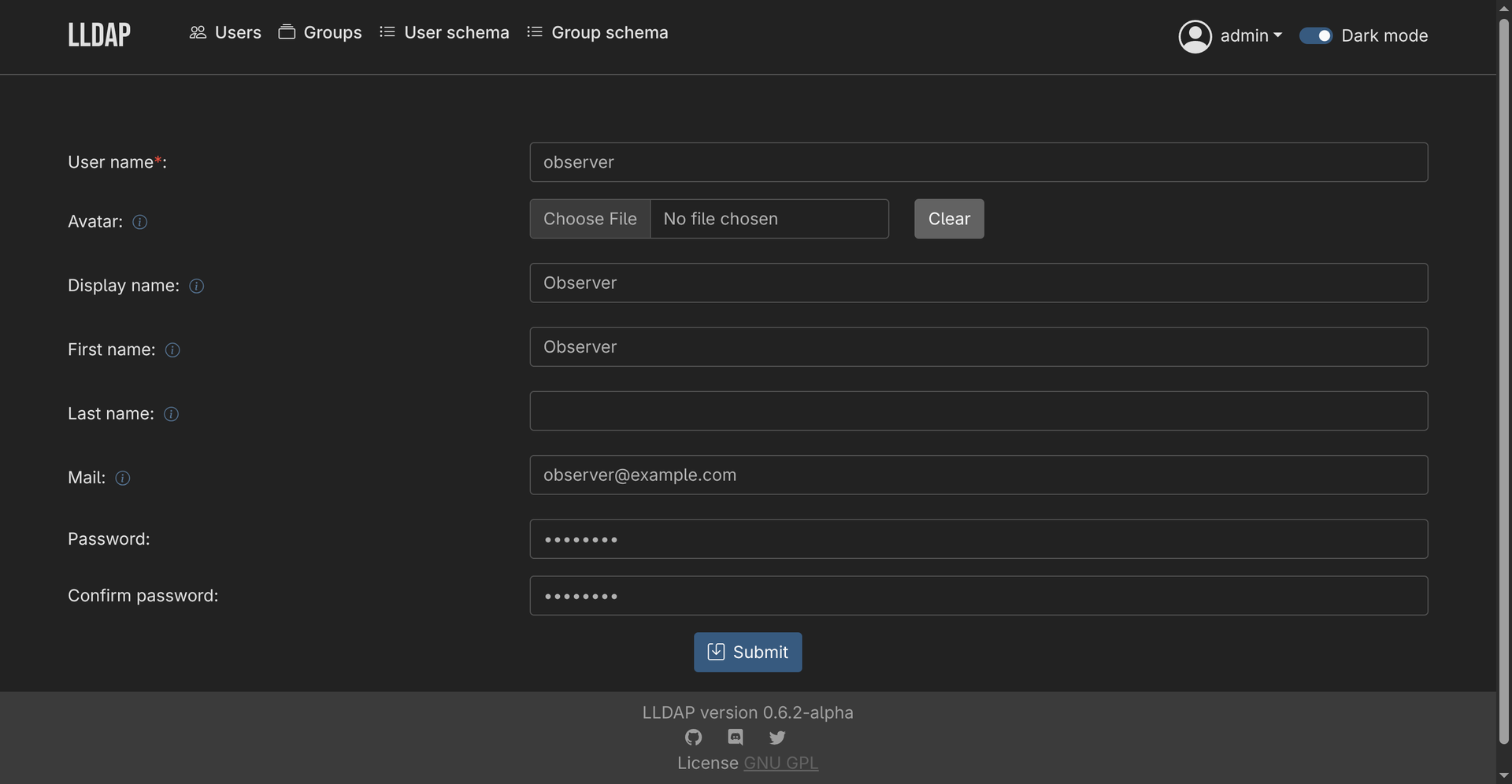
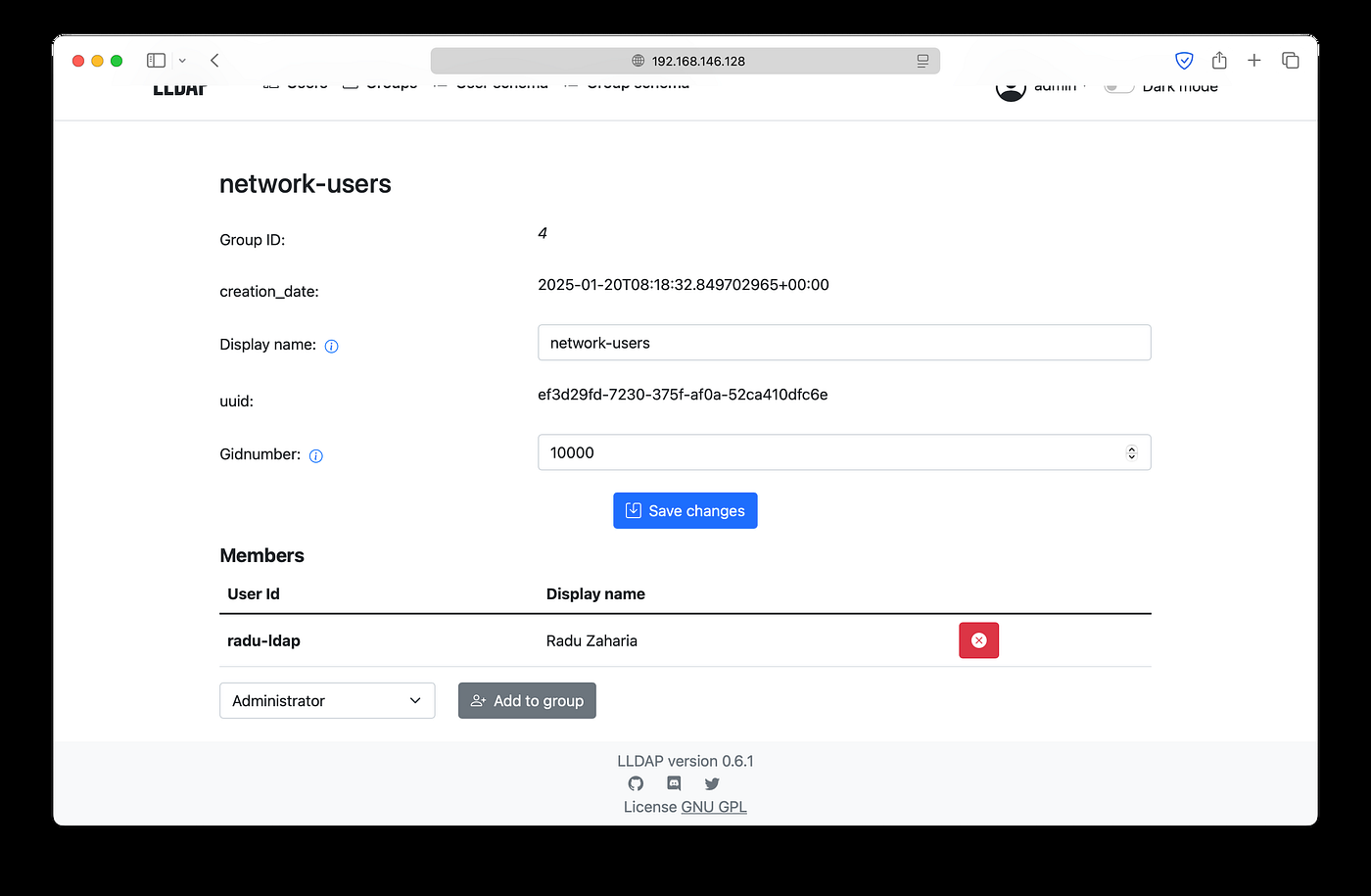
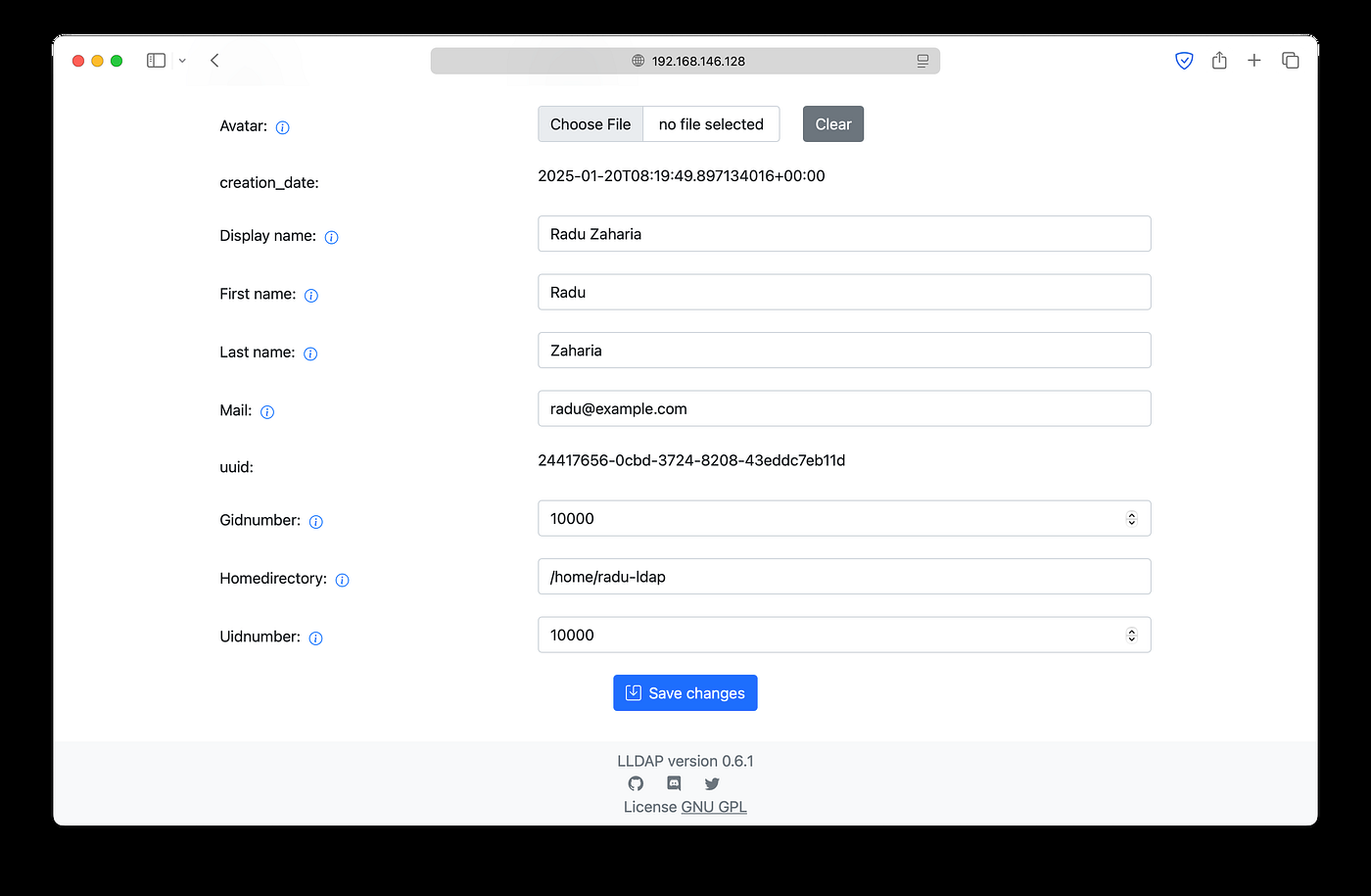
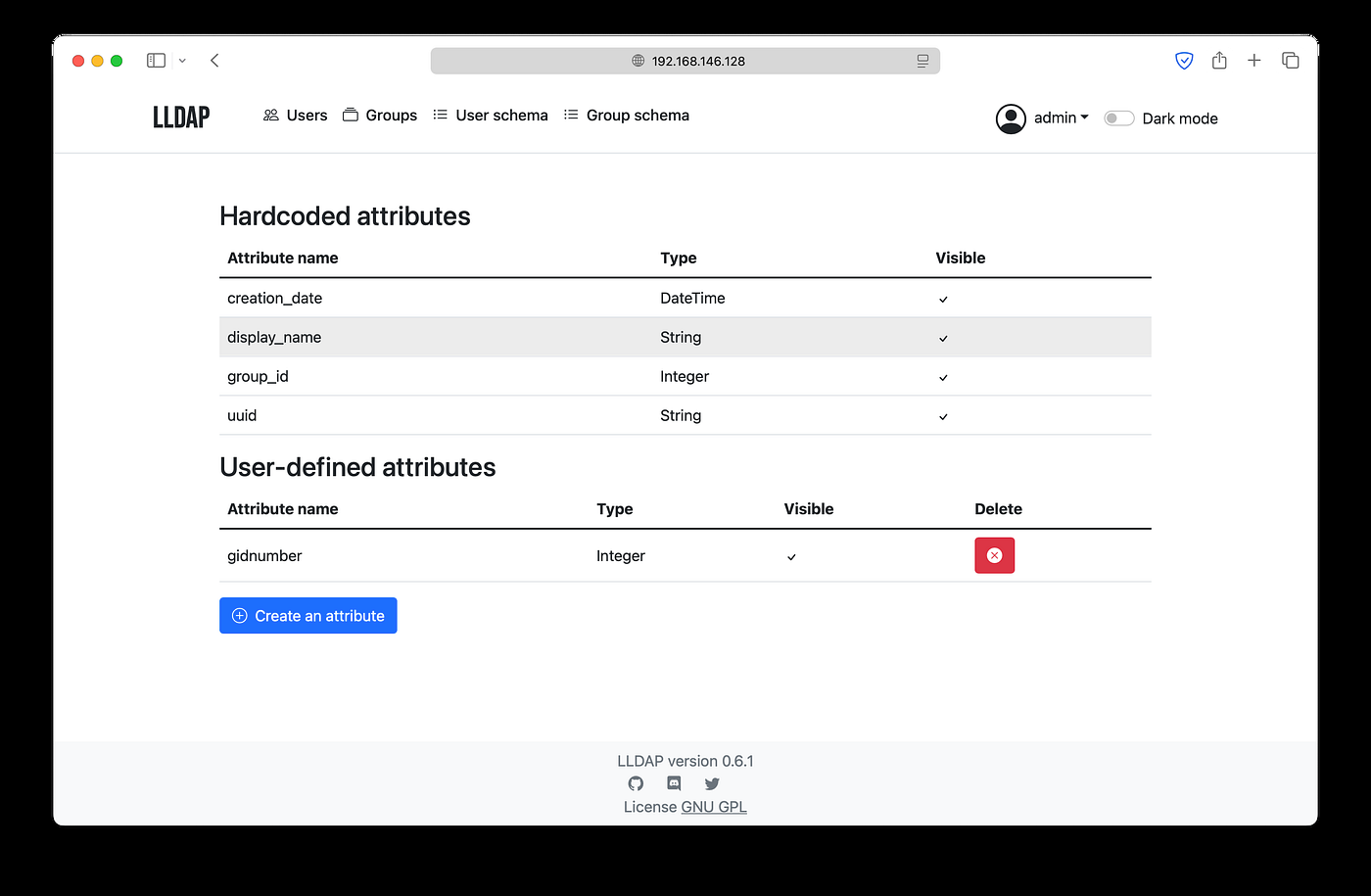
LLDAP is a lightweight user directory that lets all your self-hosted apps share one set of accounts and passwords. It speaks just enough LDAP for Nextcloud, Jellyfin, Gitea, GitLab, Grafana, Home Assistant, Proxmox VE, Vaultwarden, and many more to authenticate users against a single source of truth, with ready-made example configurations for more than 80 services. Day-to-day administration happens in a web interface where you create users, set passwords, upload avatars, build groups, and add members from a dropdown. Regular users can sign in to edit their own profile, and once SMTP is configured they can request a password-reset link by email instead of pinging the admin. Custom attributes (text, numbers, dates, or JPEG photos) are defined on the user and group schema pages, which unlocks integrations that expect fields such as uidNumber or homeDirectory, including Linux logins through PAM. Three built-in groups keep privileges tidy: lldap_admin for full control, lldap_password_manager for password resets, and lldap_strict_readonly for read-only service accounts. Group membership is exposed through memberOf filters, LDAPS secures connections when you expose the port, and a GraphQL API plus a bootstrap script let you manage users, groups, and attributes declaratively from JSON files. Pair it with Authelia, Authentik, or Keycloak when you also want single sign-on and multi-factor prompts. Running on a dedicated VPS on RepoCloud with guaranteed CPU, RAM, and SSD, full root SSH access, and a browser serial console. GPL-3.0 licensed.
Benefits
- One account for every app
- Create a user once and sign in to Nextcloud, Jellyfin, Gitea, Grafana, and any other LDAP-aware service, with example configurations documented for more than 80 integrations.
- Simple enough for family admins
- A browser UI handles users, groups, passwords, and avatars, so there is no slapd configuration, LDIF editing, or LDAP schema knowledge needed to get a working directory.
- Least-privilege service accounts built in
- The lldap_strict_readonly and lldap_password_manager groups let services bind with limited rights instead of full admin access, and password managers cannot change administrator passwords.
- Scriptable and declarative management
- A GraphQL API and a bootstrap script reconcile users, groups, and custom attributes from JSON files, so directory changes can live in version control instead of manual clicks.
Features
- Web Administration Interface
- Create users and groups, set passwords, upload avatars, and assign memberships from a browser UI with a dark mode toggle and self-service profile editing for regular users.
- Custom User Attributes
- Add string, integer, date, or JPEG attributes to users and groups on the schema pages, including uidNumber and homeDirectory for Linux logins through PAM and nslcd.
- Flexible Storage Backends
- Data lives in SQLite by default and can move to MySQL, MariaDB, or PostgreSQL through a database URL, while the /data volume holds the configuration and SQLite file.
- LDAP and LDAPS Endpoints
- Serves LDAP on port 3890 with optional LDAPS on port 6360 and memberOf group lookups, so standard bind DNs under ou=people and ou=groups work with existing clients.
- Self-Service Password Reset
- With SMTP settings configured, users request a reset link by email, recovery messages include the username, and passwords are stored with a zero-knowledge hashing scheme.
- GraphQL API and Bootstrap
- Automate with the GraphQL API, the bootstrap.sh script for JSON-defined users, groups, and schemas, the community lldap-cli, or the unofficial Terraform provider.