Categories
Developer Tools Data Extraction Prompt Engineering Document Processing Cost Optimization ETL Pipelines LLM Data Processing Entity ResolutionStars
Forks
Watchers
Developer links
DocETL
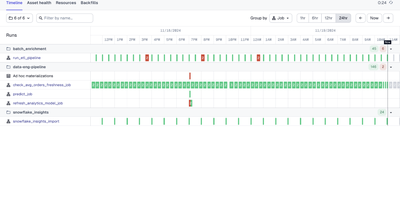
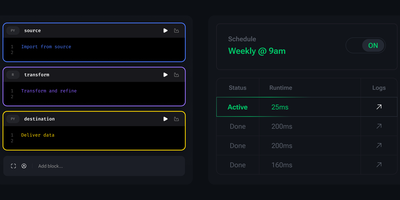
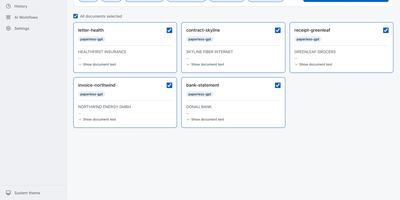
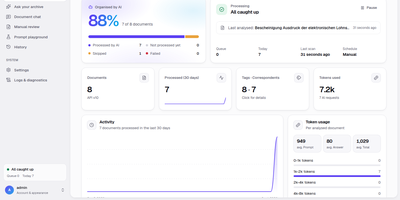
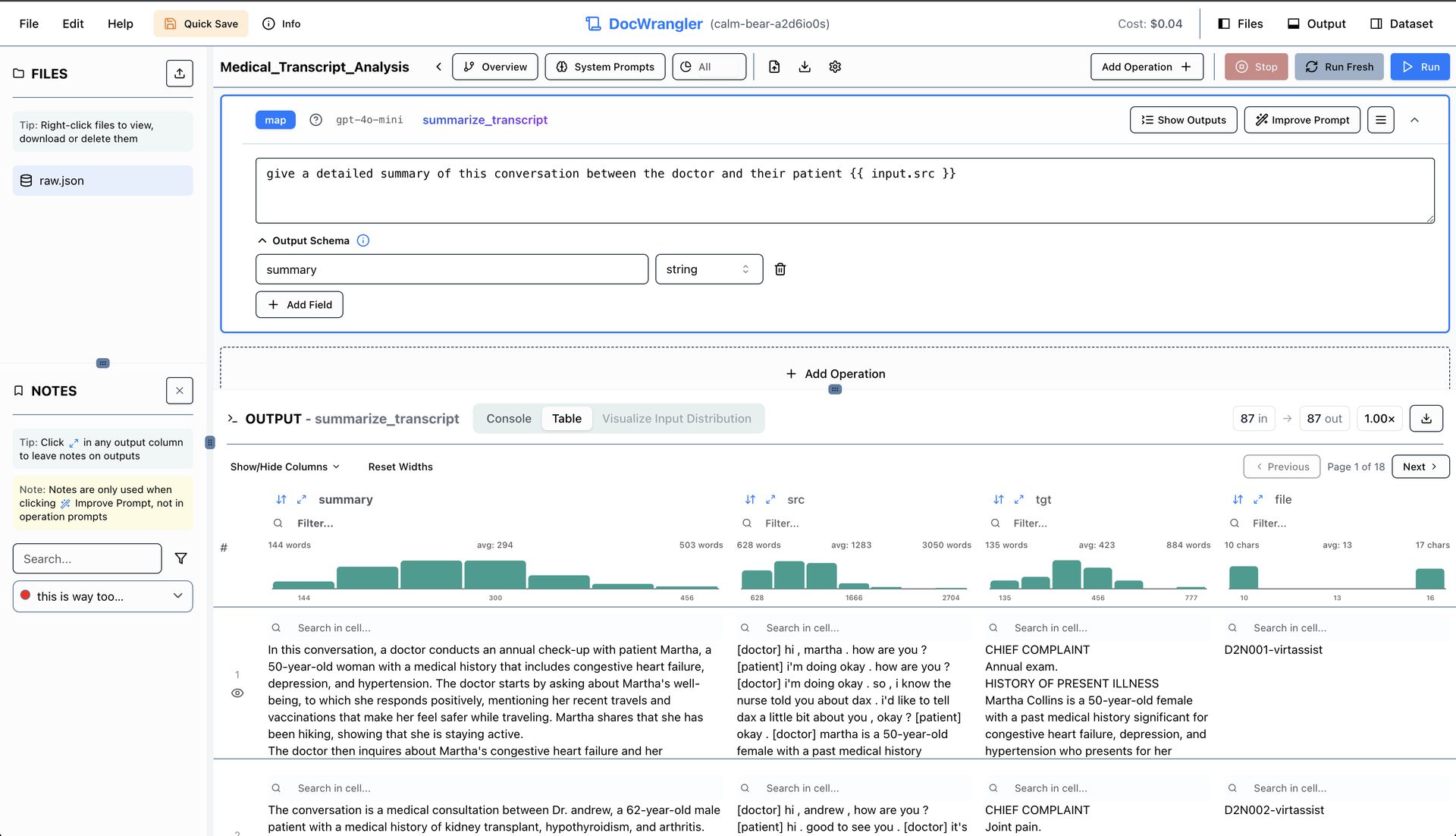
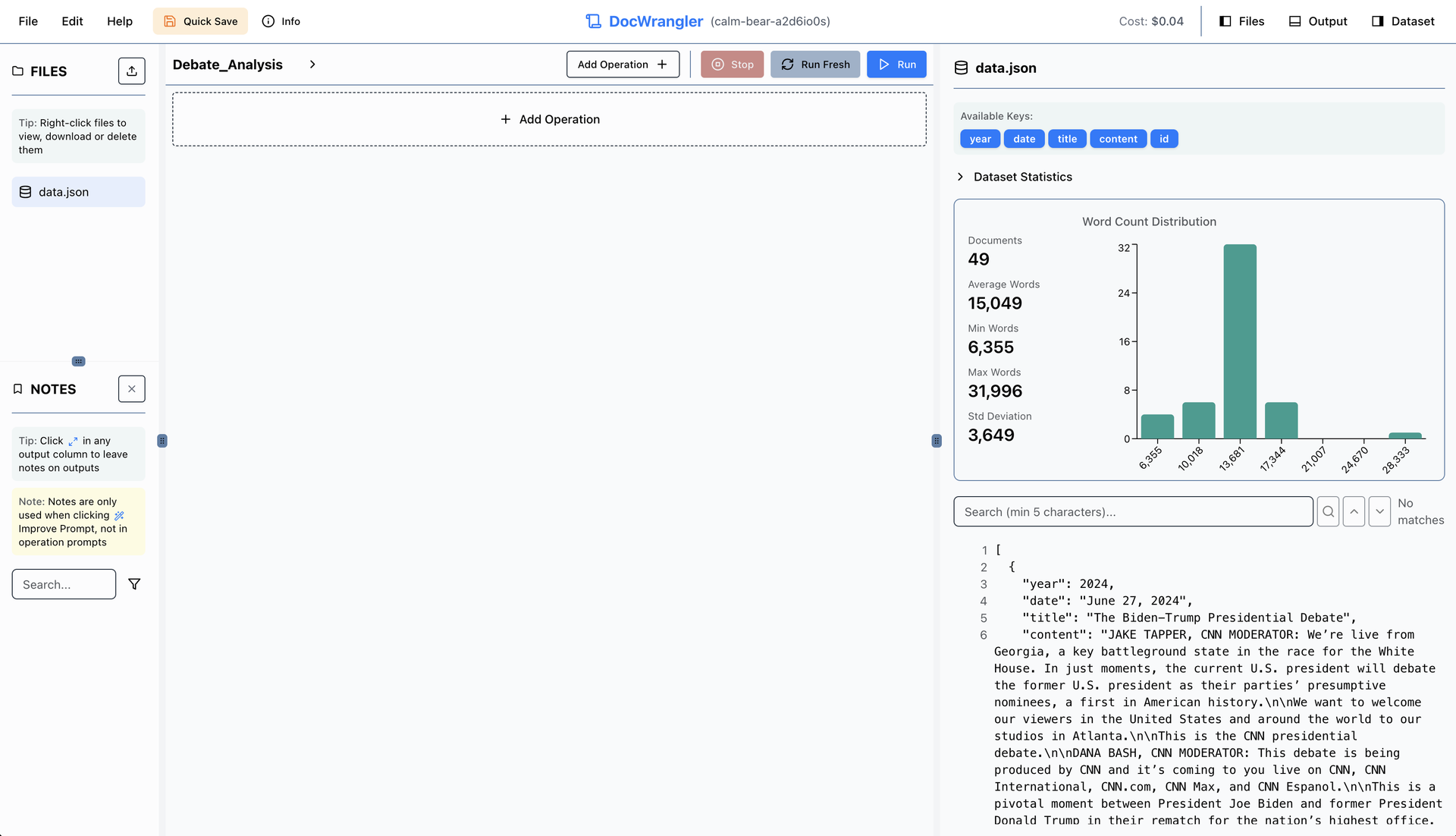
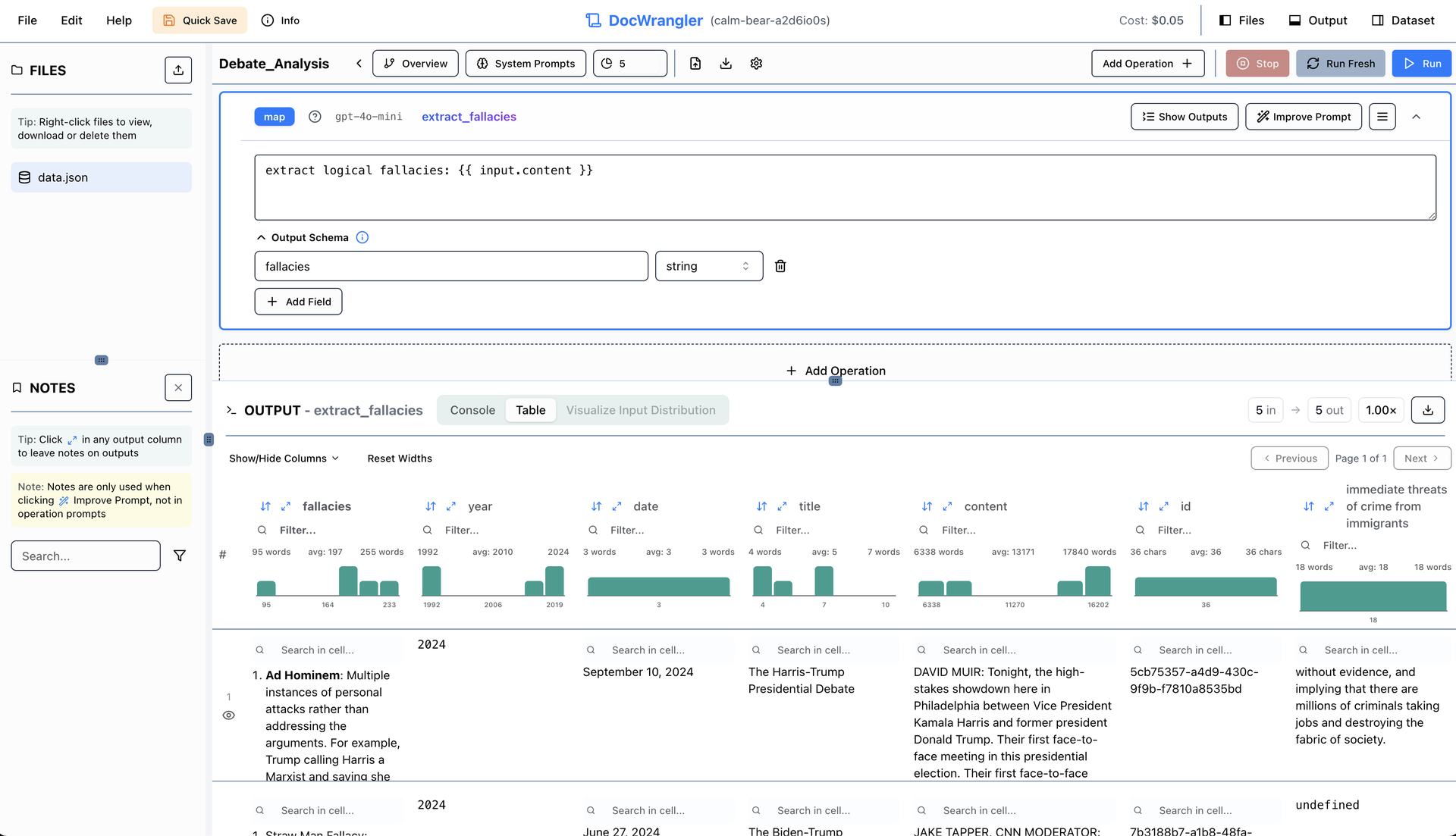
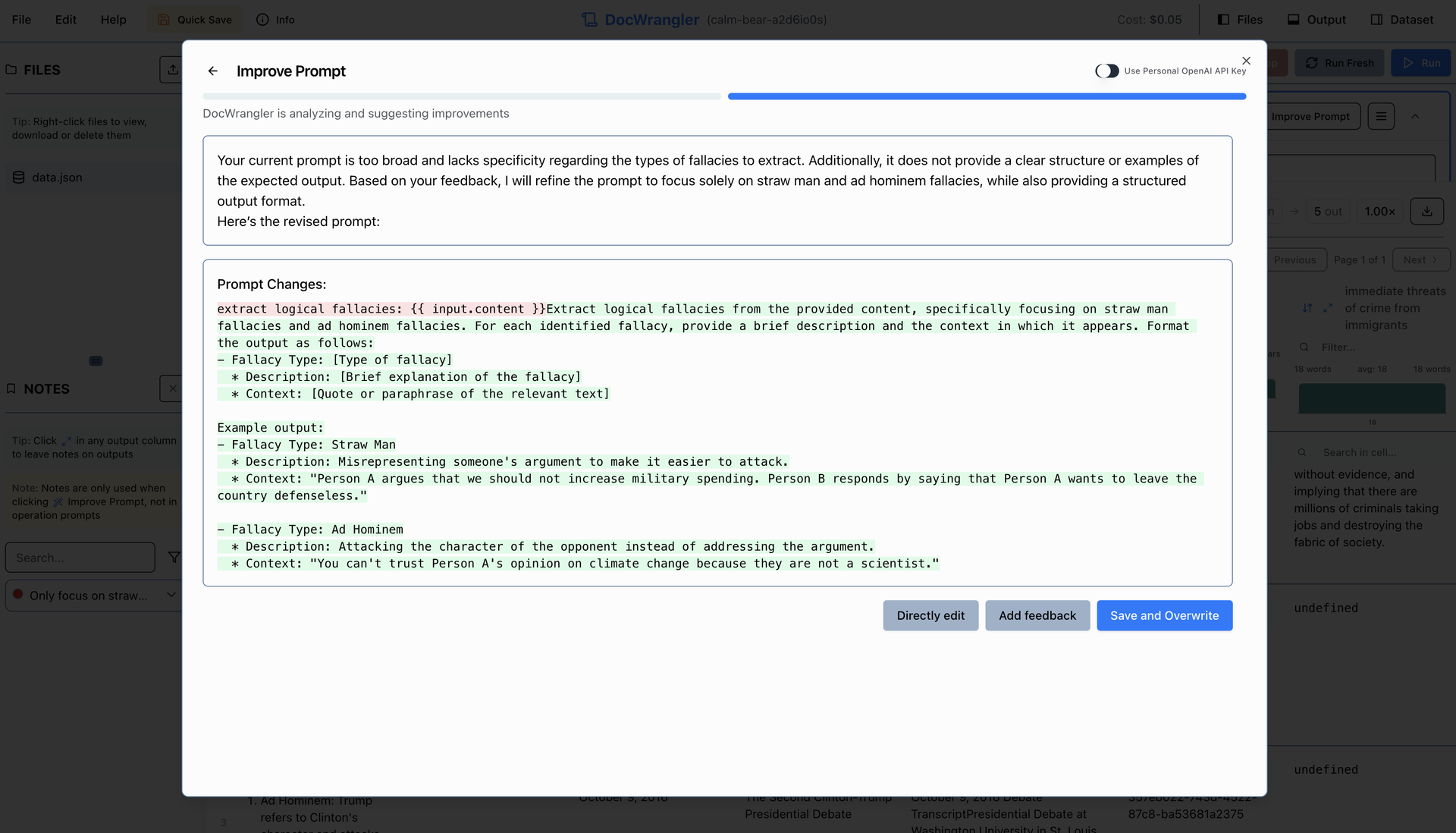
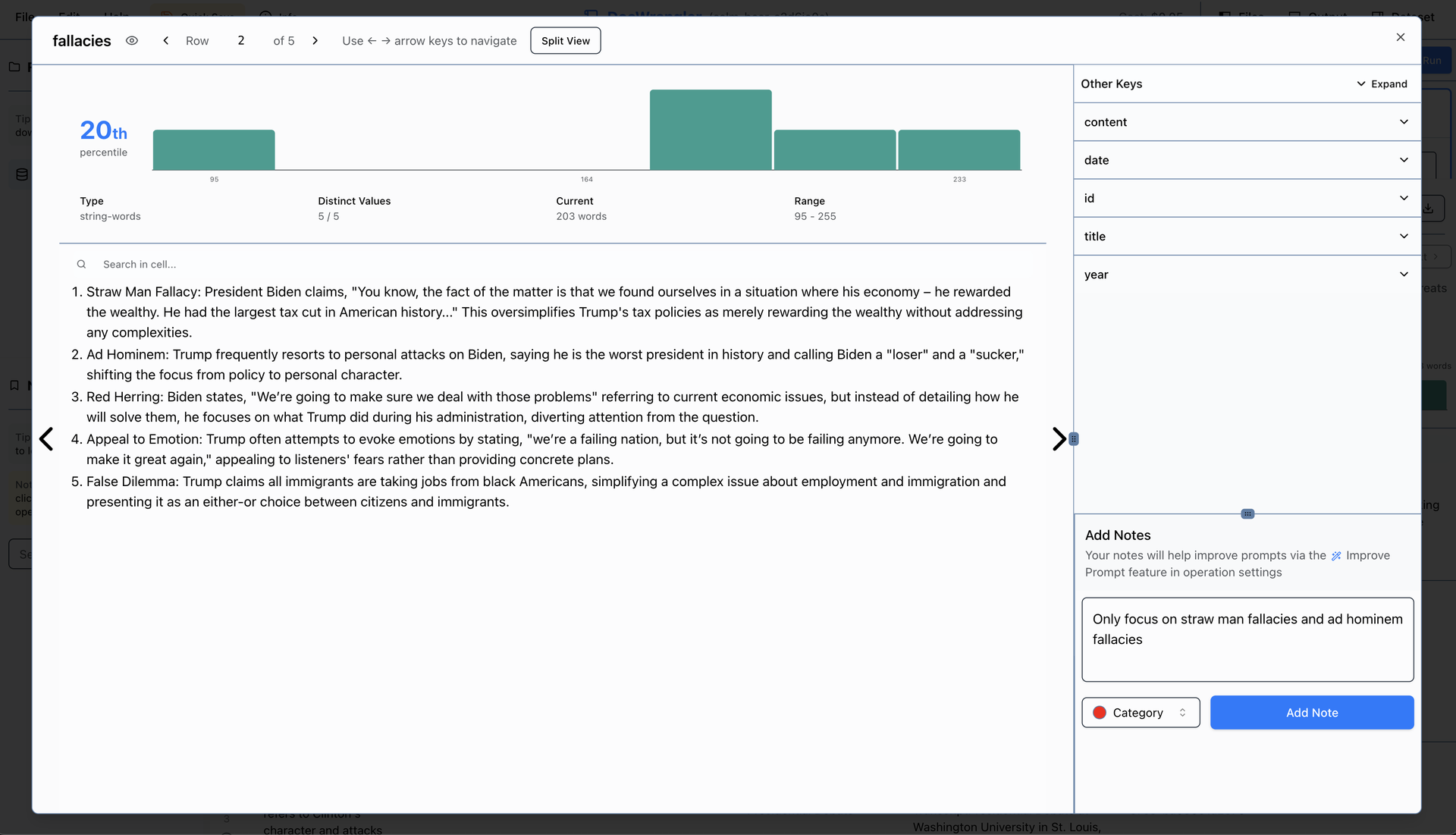
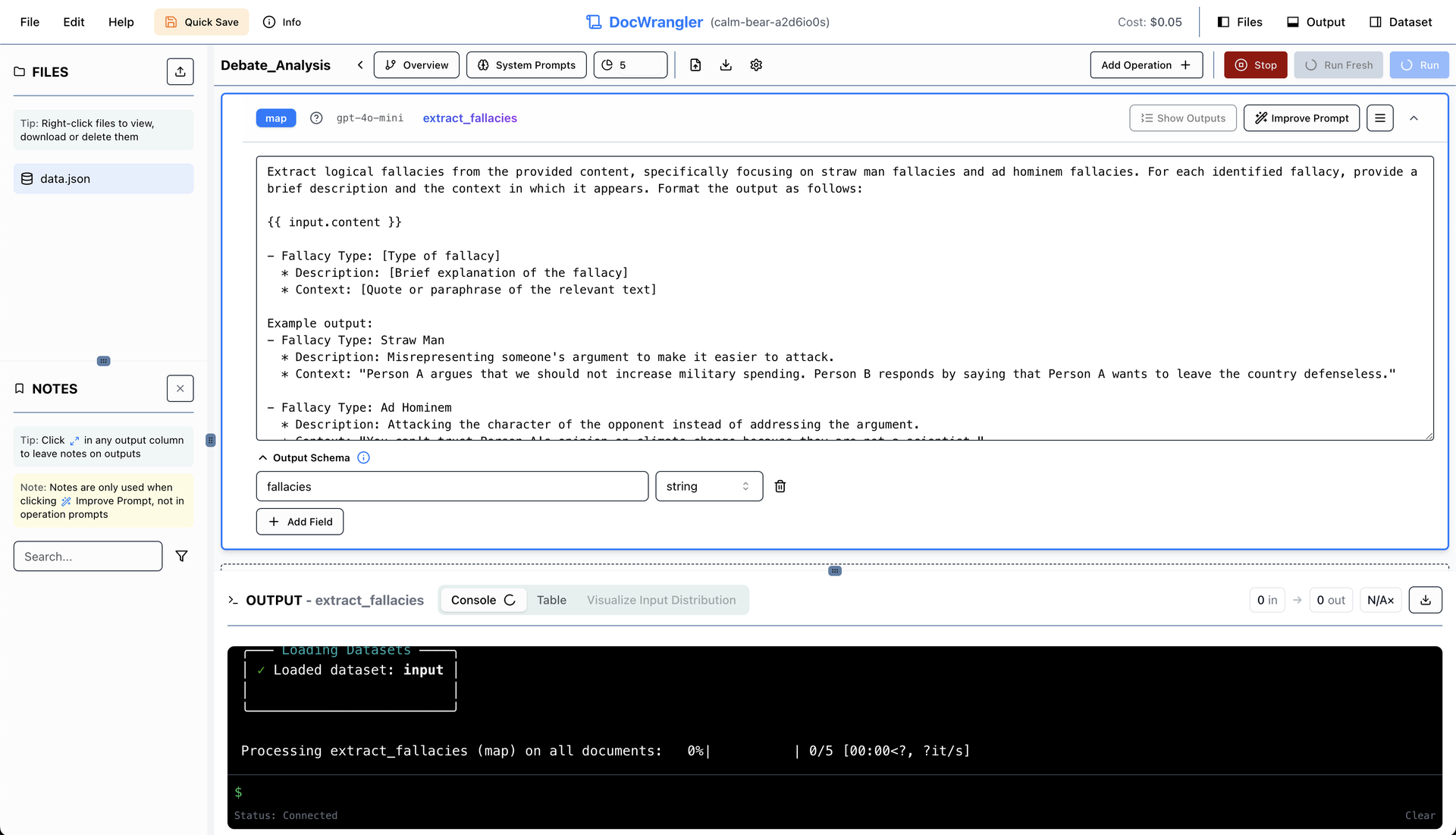
DocETL turns piles of contracts, transcripts, support tickets, and product reviews into clean, queryable tables, with every processing step written as a plain-English prompt. Map applies a prompt to each document, reduce summarizes groups, filter drops what does not qualify, and resolve merges "Jon Smith" and "John Smith" into one canonical entity. Split cuts long files into chunks, and gather hands each chunk the surrounding context it needs. Cluster groups items by meaning and summarizes each group, while the experimental equijoin matches two datasets by criteria the model judges. Prompts are templates over your own fields, outputs follow typed schemas, validation rules retry weak answers, and gleaning lets a second pass critique and refine them. Runs execute in parallel and every model call is cached, so rerunning an edited pipeline reuses earlier answers. The MOAR optimizer tries model swaps, prompt rewrites, and task decomposition, then returns several plans that trade accuracy against cost. In the DocWrangler playground you run a draft on a handful of documents, scan column histograms, annotate bad outputs, and ask for an improved prompt shown as a diff. You can also describe a goal, upload a CSV or JSON file, and review a drafted pipeline before applying it. More than 100 model providers are supported, including OpenAI, Anthropic, and Azure. Running on a dedicated VPS on RepoCloud with guaranteed CPU, RAM, and SSD, full root SSH access, and a browser serial console. MIT licensed.
Benefits
- Describe Each Step in Plain English
- Every operation is a natural-language prompt templated over your document fields with a typed output schema, so analysts can express extraction, classification, and summarization without writing per-document model-call glue code.
- Pipelines That Optimize Themselves
- The MOAR optimizer swaps models, rewrites prompts, decomposes operations, and replaces subtasks with code, then returns several plans so you can choose the balance of accuracy and cost you prefer.
- Tune Prompts Before Paying at Scale
- DocWrangler runs a draft on a small sample, shows column histograms and rows, and lets you attach notes to weak outputs, so prompts improve before you process the full collection.
- Cached, Parallel, Provider-Agnostic Runs
- Calls reach more than 100 providers, run in parallel across documents, and are cached in your home directory, so reruns and small edits reuse earlier answers instead of paying twice.
Features
- DocWrangler Web Playground
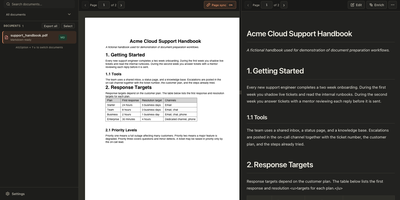
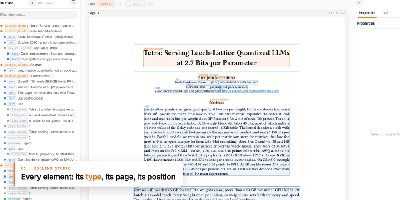
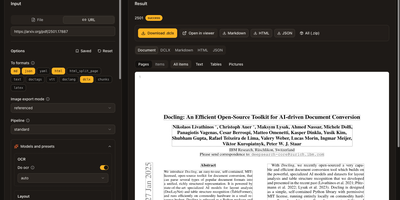
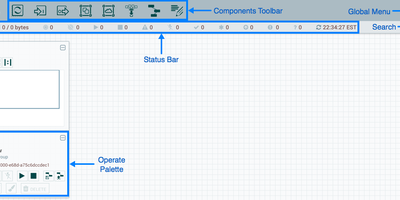
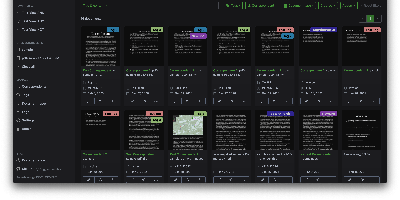
- Browser IDE with a file explorer, operation cards, console and table output, dataset statistics, and an assistant, served by a Next.js frontend and FastAPI backend on ports 3000 and 8000.
- Semantic Operator Library
- Map, parallel map, reduce, filter, resolve, split, gather, unnest, extract, cluster, rank, top-k, sample, equijoin, and code operators compose into multi-step LLM pipelines.
- Python, YAML, and Pandas
- Write pipelines with the Python Frame API (read_json, map, reduce, collect), YAML files run by the docetl CLI, or a pandas accessor for quick one-off DataFrame jobs.
- MOAR Cost-Accuracy Optimizer
- Monte Carlo tree search over model choices and rewrites, scored by your evaluation function, returns a Pareto frontier of plans through frame.optimize() or the docetl build command.
- Validation and Gleaning
- Python validation statements trigger retries when an answer fails, and gleaning adds an LLM validator that critiques and refines each output for a set number of rounds.
- Assistant and Agent Skills
- Improve Prompt proposes a revision as a diff from your notes, an optional OpenAI-powered chat helps design pipelines, and docetl install-skill teaches Claude Code to write them.