Stars
Forks
Watchers
Developer links
Databasement
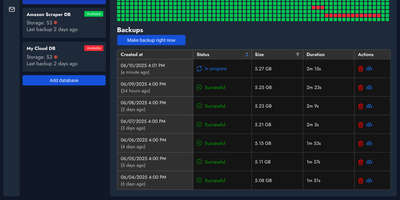
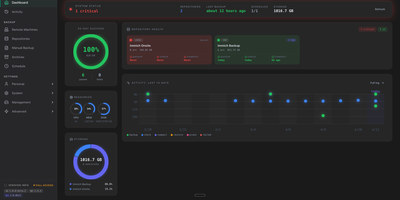
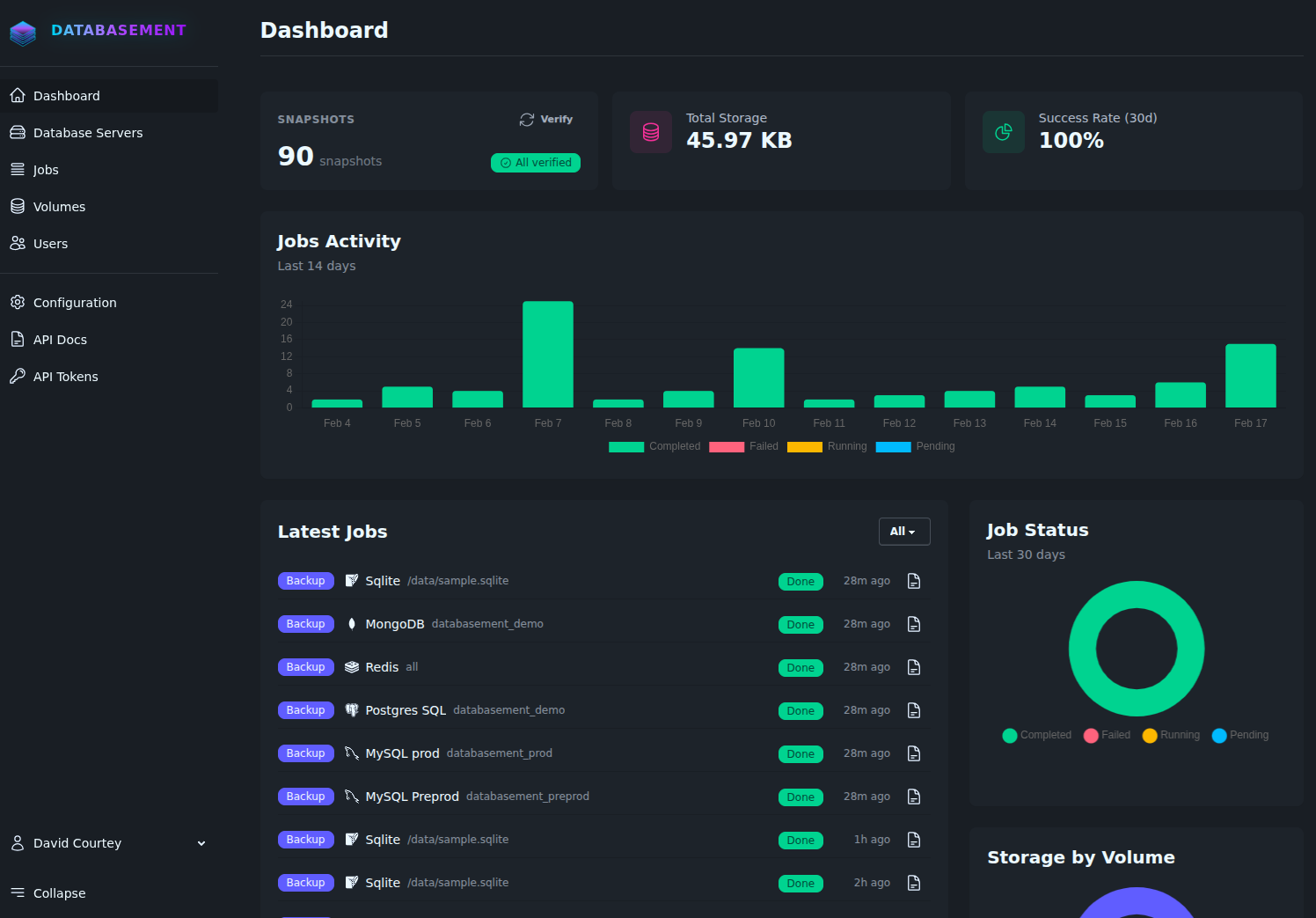
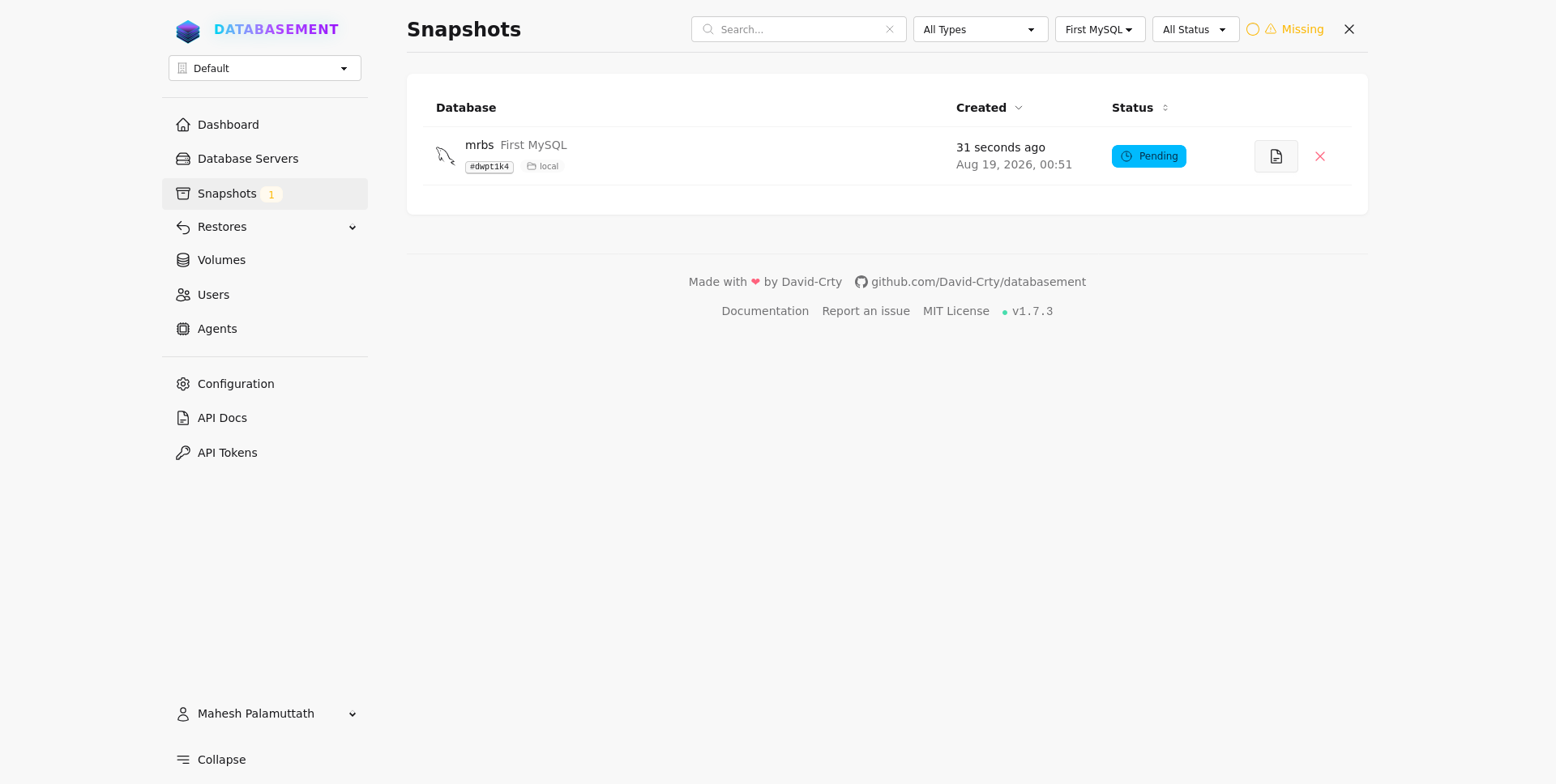
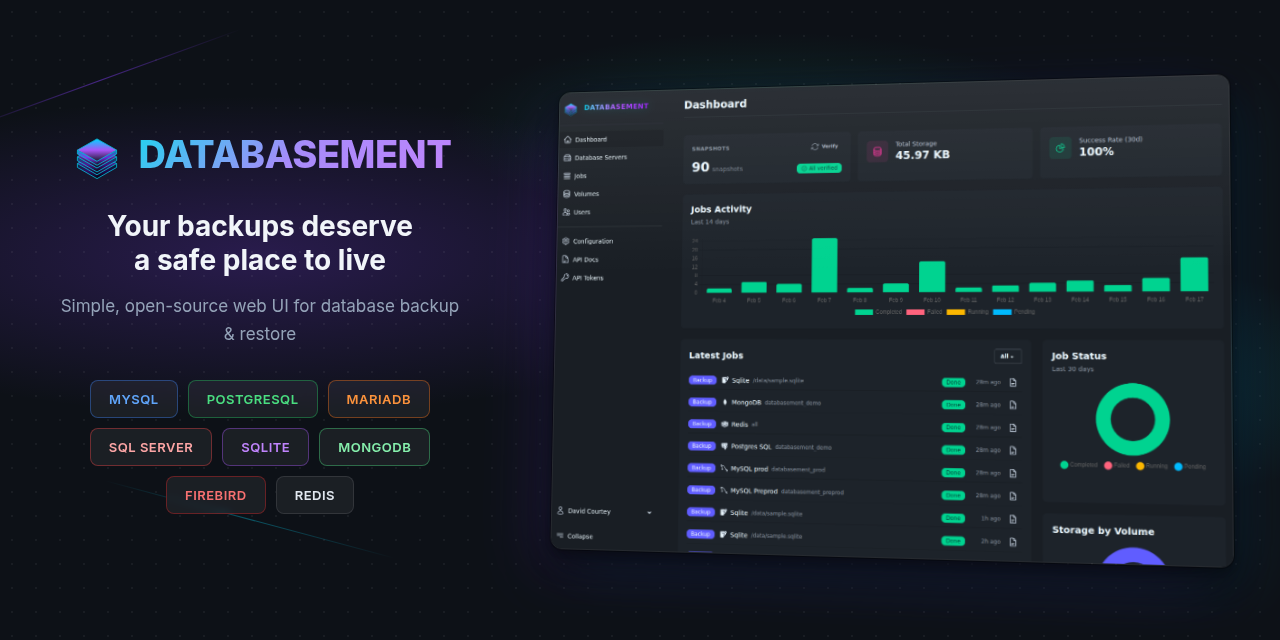
Databasement puts scheduled backup and restore for nine database engines behind one polished web interface, deployed as a single Docker container on port 2226. The Laravel and Livewire backend uses native CLI tools for MySQL 5.6 through 9.x, PostgreSQL 12 through 18, MariaDB 10.x through 12.x, Microsoft SQL Server 2017 through Azure SQL, MongoDB 4.2 through 8.0, SQLite 3.x, Firebird 3.x through 5.x, Redis 2.8+, and Valkey 7.2+ with full restore support including cross-server recovery. SSH tunnel connectivity reaches databases behind firewalls via bastion servers with password or private key authentication, and remote agents handle isolated networks by connecting outbound over HTTPS without inbound ports. Scheduling supports arbitrary cron expressions with GFS grandfather-father-son retention alongside simple time-based cleanup. Storage spans local disk, S3-compatible services including AWS and MinIO, Azure Blob, Samba/SMB shares, and SFTP/FTP servers. Scheduled restores automate production-to-staging synchronization on recurring intervals. Failure notifications alert via Email, Slack, Discord, Telegram, Pushover, Gotify, and webhooks with detailed job logs. The REST API and built-in MCP server enable CI/CD pipeline integration and AI assistant access from Claude, Cursor, and VS Code Copilot. 1,700+ stars since November 2025. Running on a dedicated VPS on RepoCloud with guaranteed CPU, RAM, and SSD, full root SSH access, and a browser serial console. MIT licensed.
Benefits
- Nine Database Engines Unified
- Manage backups for MySQL, PostgreSQL, MariaDB, SQL Server, MongoDB, SQLite, Firebird, Redis, and Valkey from one interface using native CLI tools with full restore support.
- SSH Tunnel and Remote Agents
- Reach databases behind firewalls via bastion server tunneling with key authentication, or deploy lightweight remote agents that connect outbound without requiring inbound port openings.
- GFS Retention Policies
- Grandfather-father-son retention alongside simple time-based policies automatically manages backup lifecycle, preserving daily, weekly, and monthly snapshots according to configurable rules.
- REST API and MCP Server
- Full REST API for scripting and CI/CD integration plus a built-in MCP server enabling AI assistants like Claude, Cursor, and Copilot to manage backups through natural language.
Features
- Automated Cron Scheduling
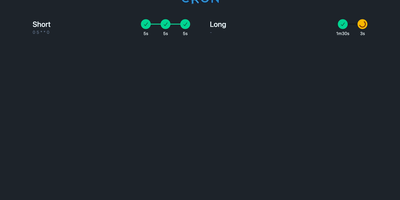
- Arbitrary cron expressions schedule backups at any interval with GFS retention policies and automated production-to-staging restore synchronization on recurring schedules.
- Multi-Destination Storage
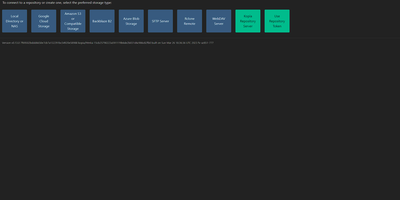
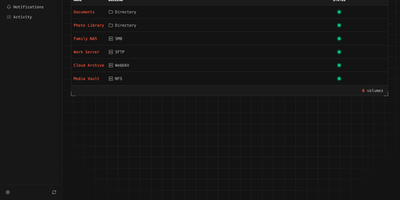
- Store backups to local disk, S3-compatible services, Azure Blob Storage, Samba/SMB shares, and SFTP/FTP servers with configurable volume management per database server.
- SSH Tunnel Connectivity
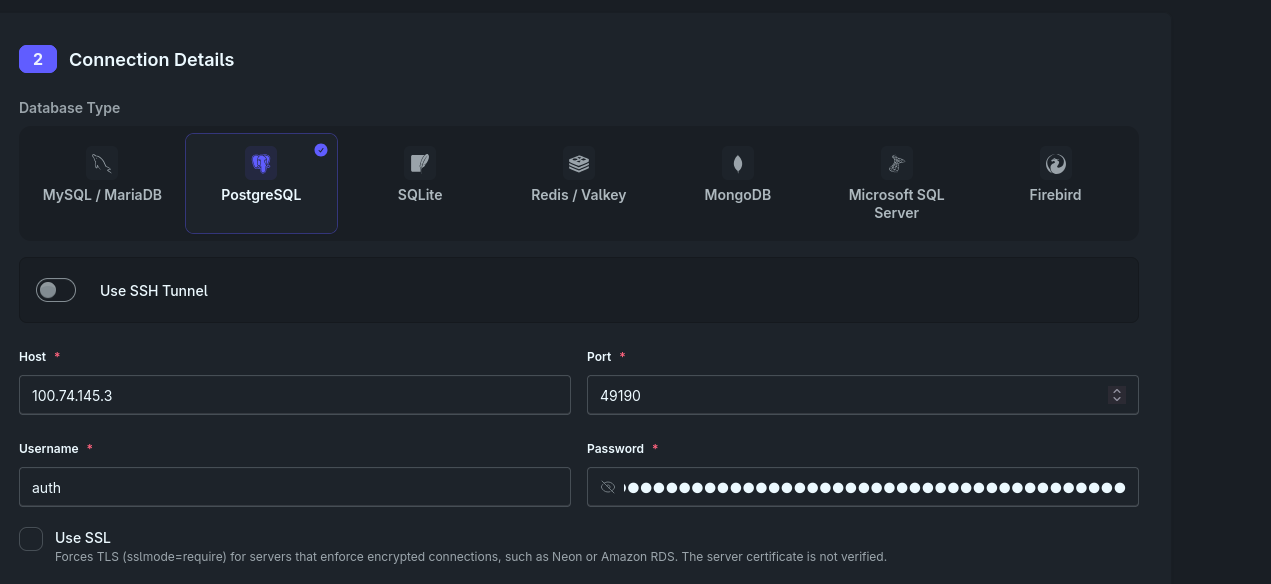
- Connect to databases in private networks through bastion servers with password or private key authentication, encrypting sensitive credentials at rest and masking in logs.
- Cross-Server Restore
- Restore any snapshot to any compatible registered server for production-to-staging synchronization, disaster recovery testing, or database migration workflows.
- Failure Notifications
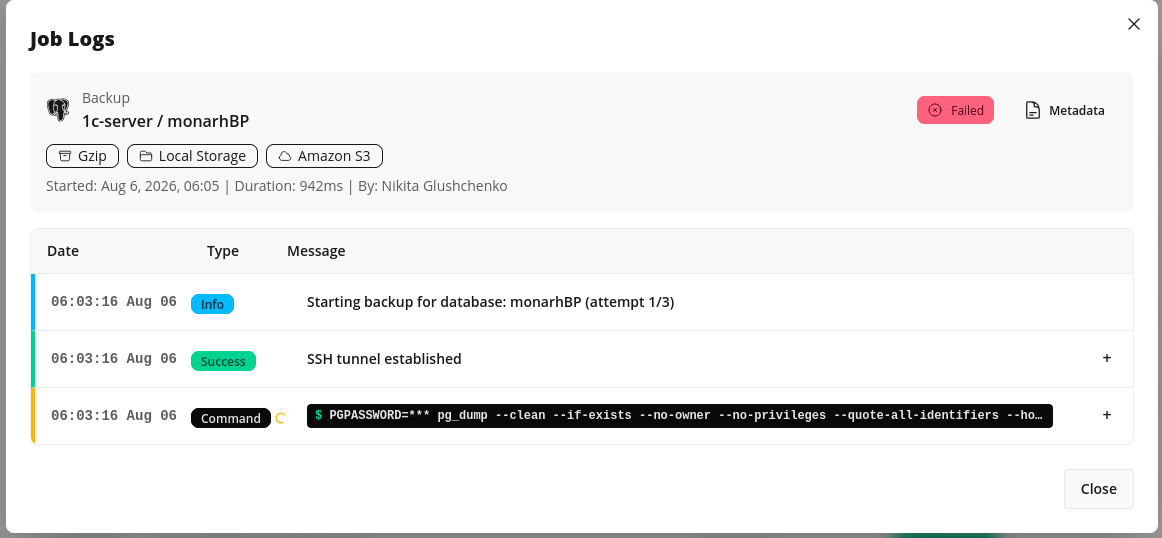
- Alert on backup or restore failures via Email, Slack, Discord, Telegram, Pushover, Gotify, and generic webhooks with detailed job logs and real-time monitoring.