Categories
Self-Hosted Developer Tools Automation Microservices Workflow Orchestration Distributed Systems Workflow Engine Durable ExecutionStars
Forks
Watchers
Developer links
Cadence Workflow
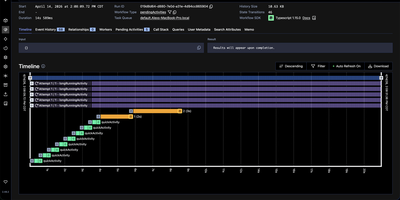
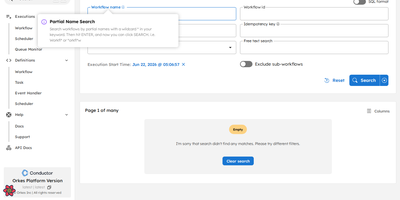
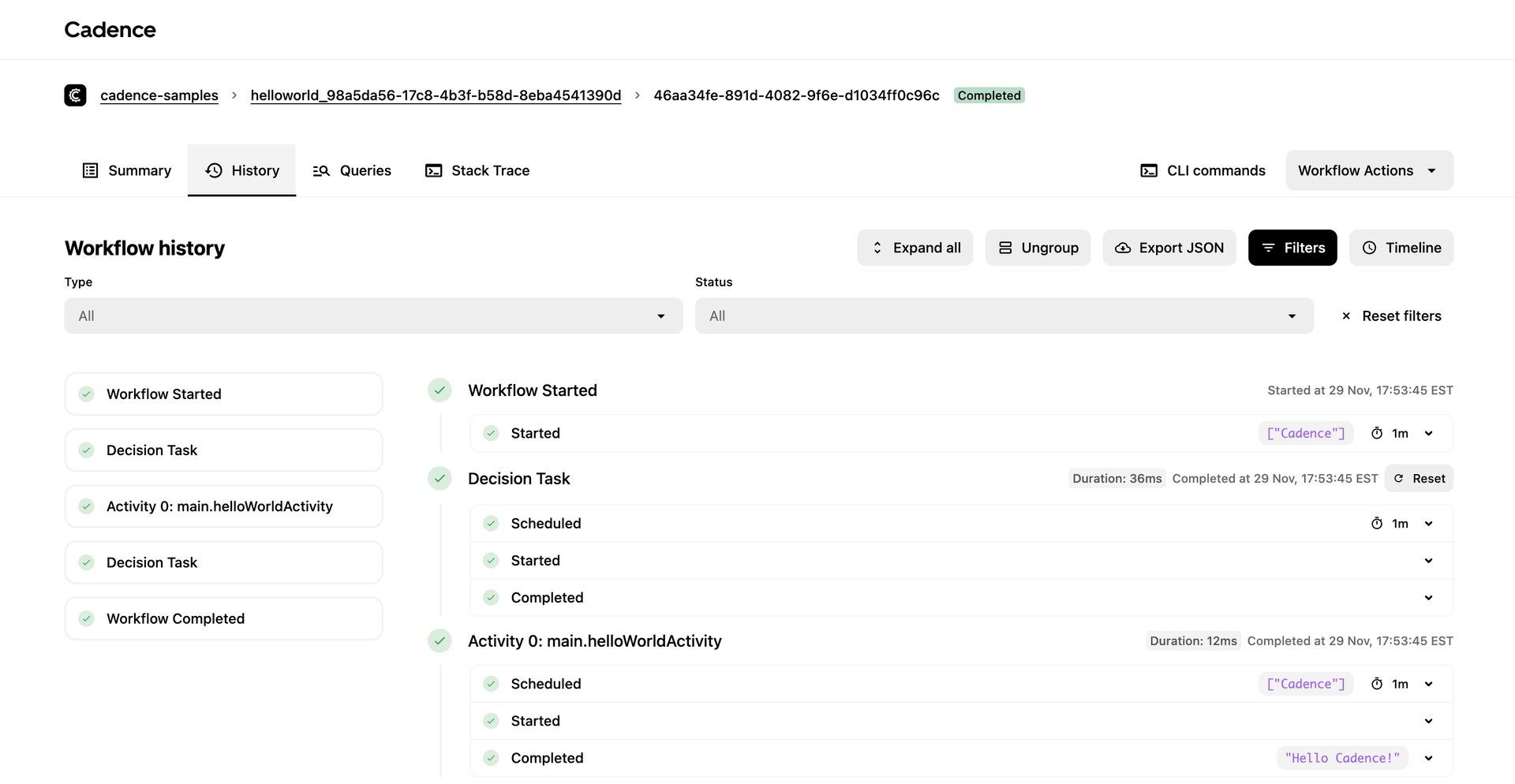
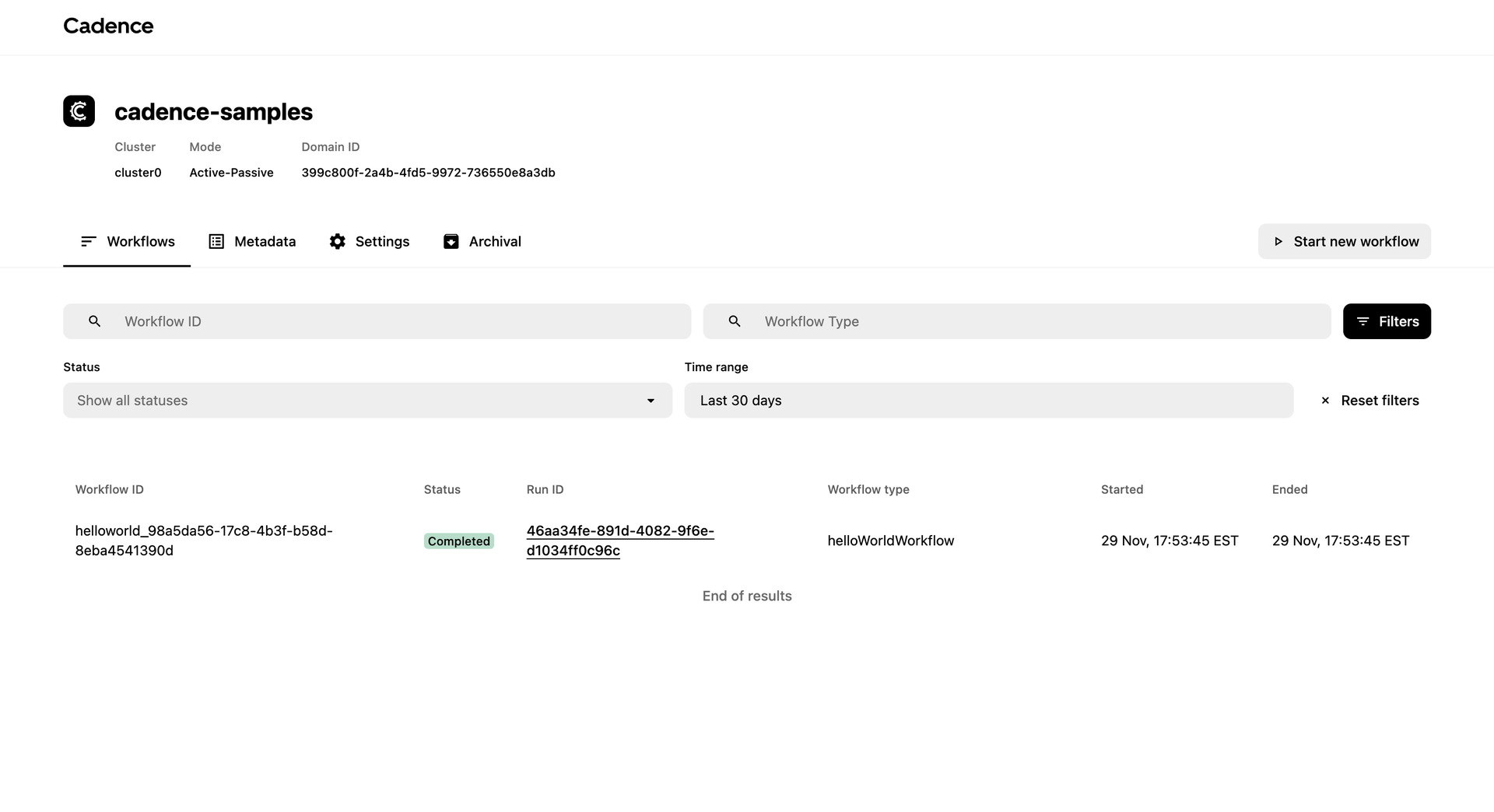
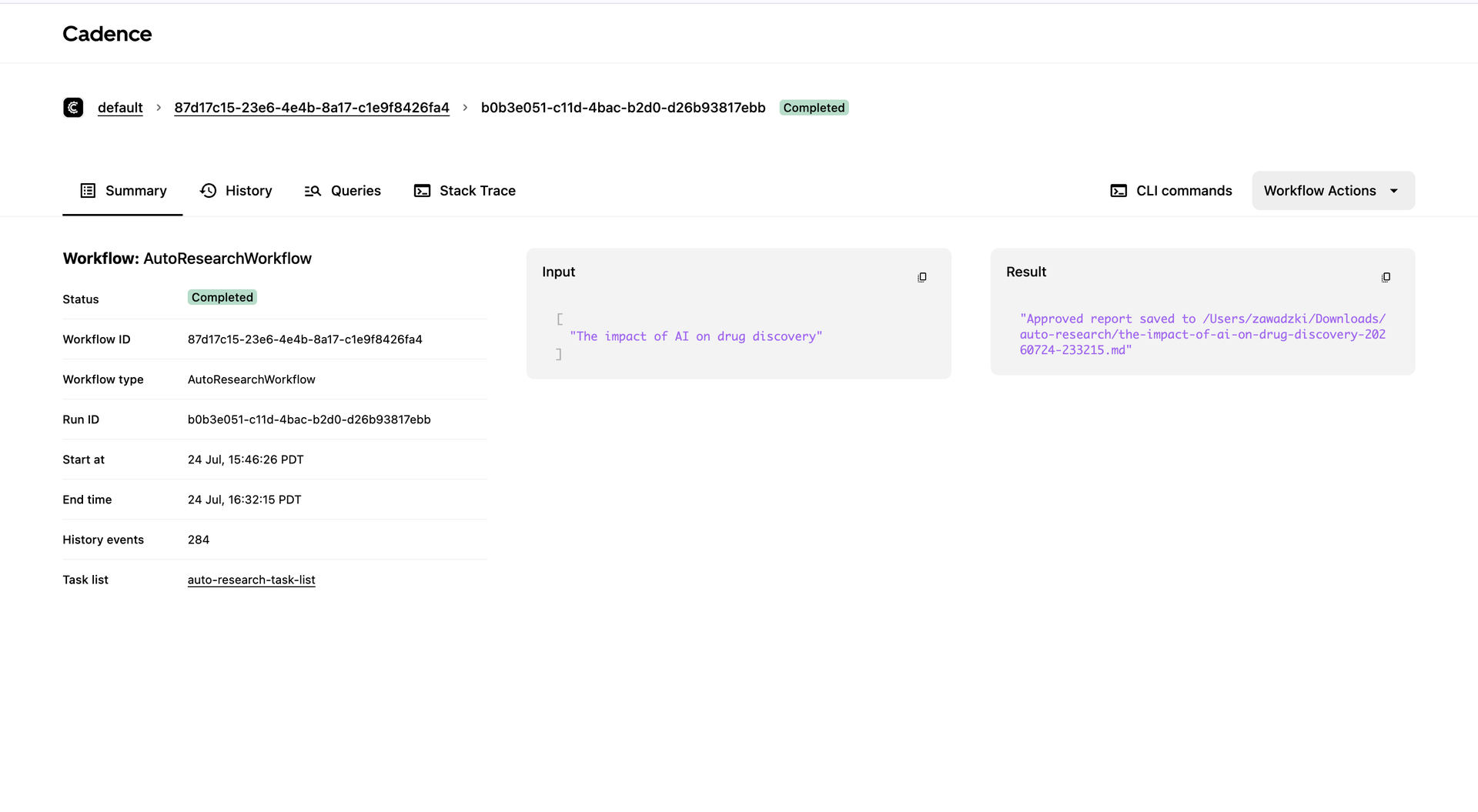
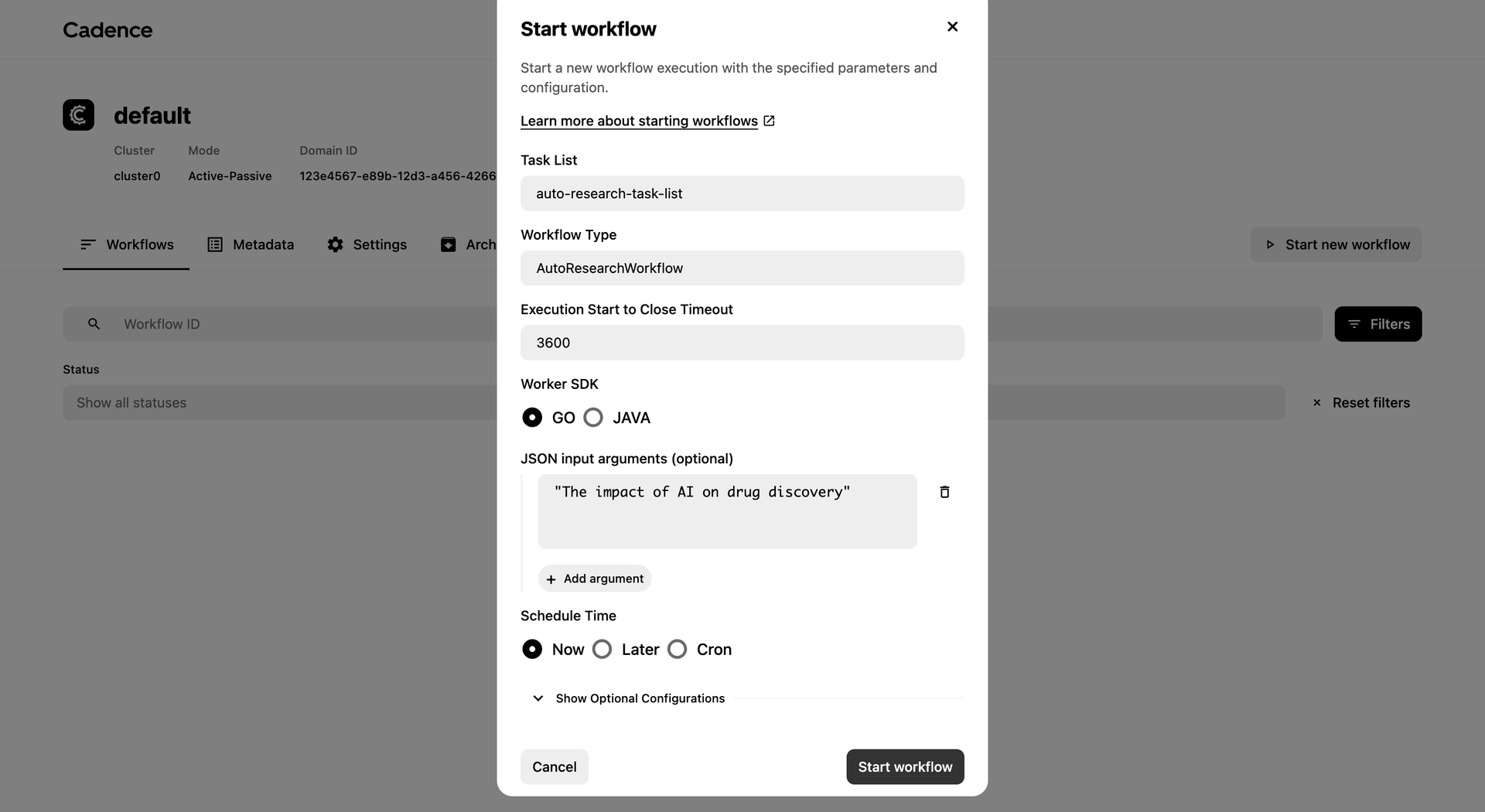
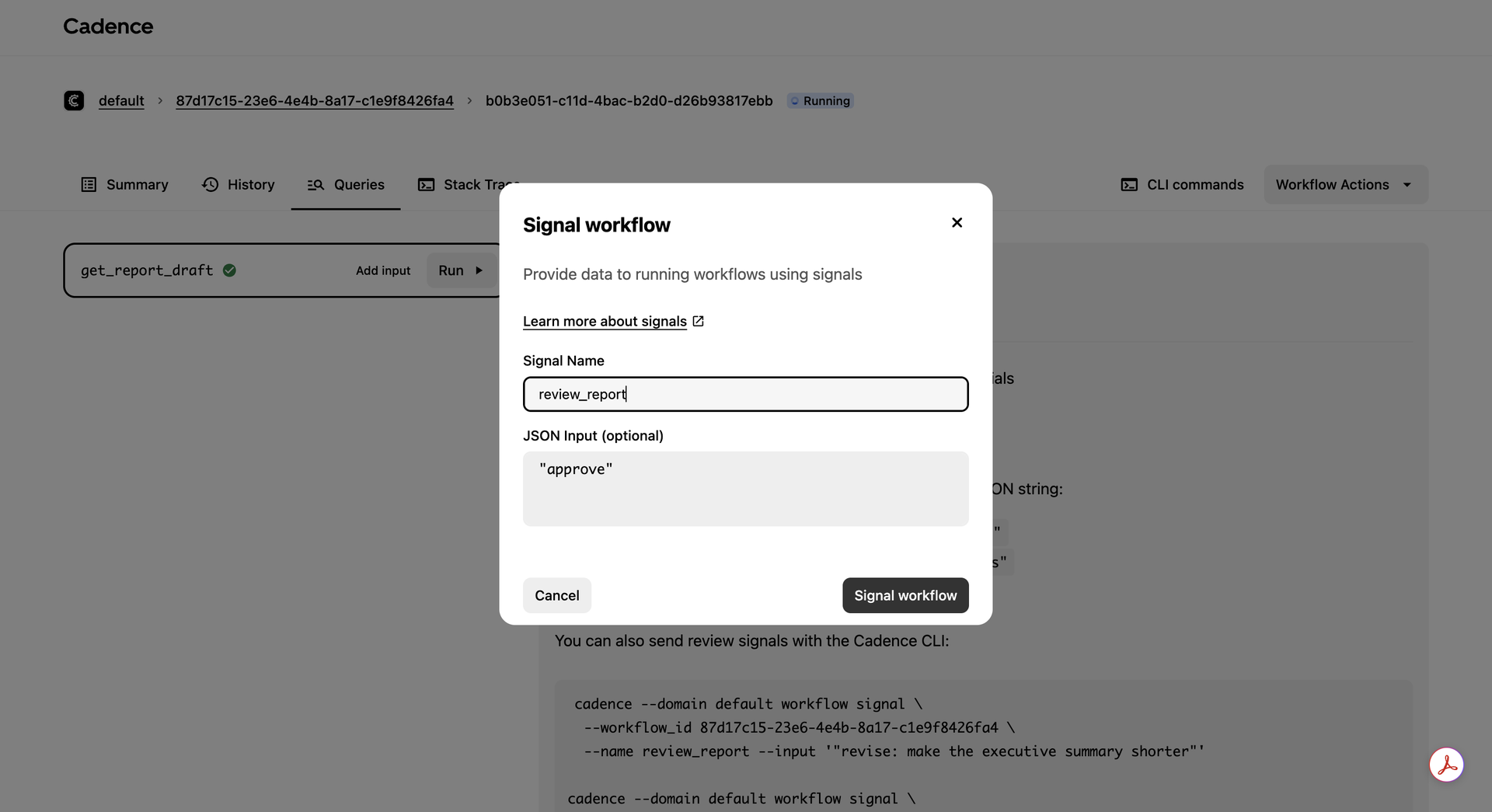
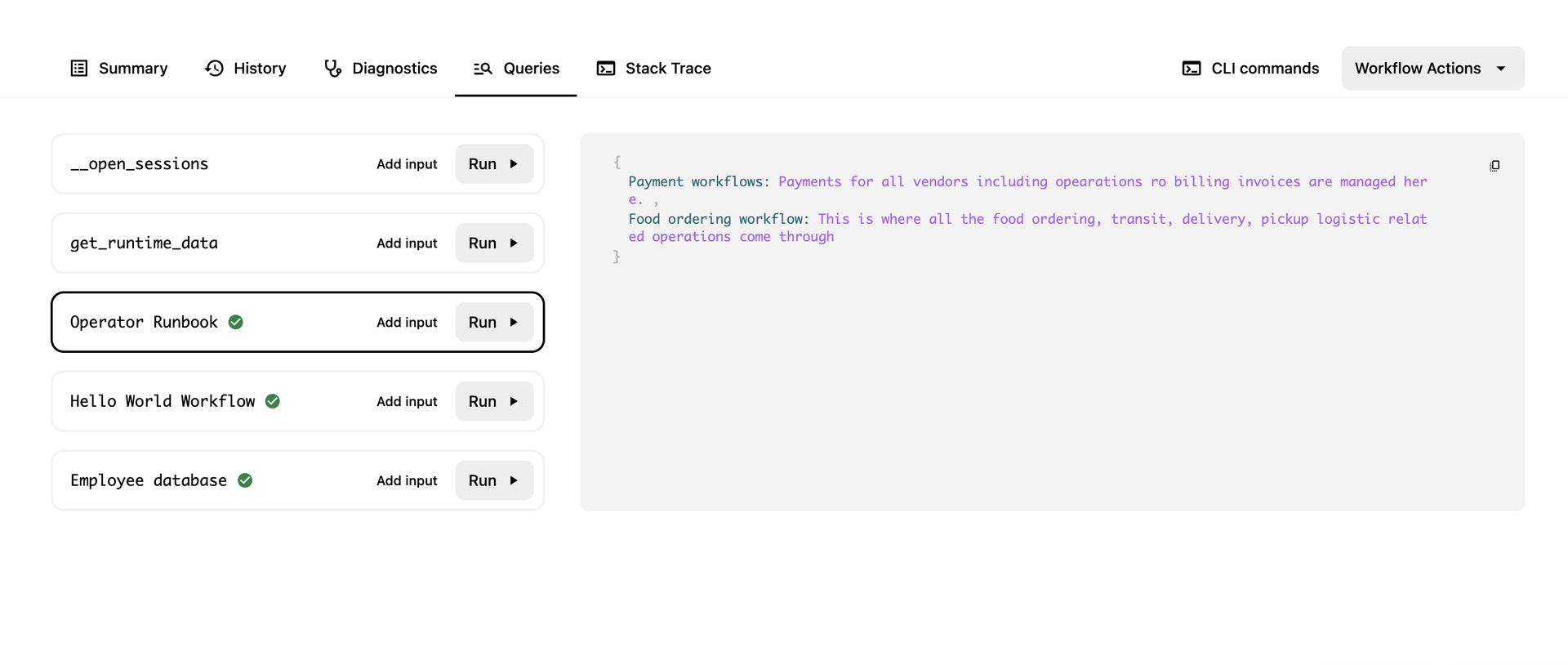
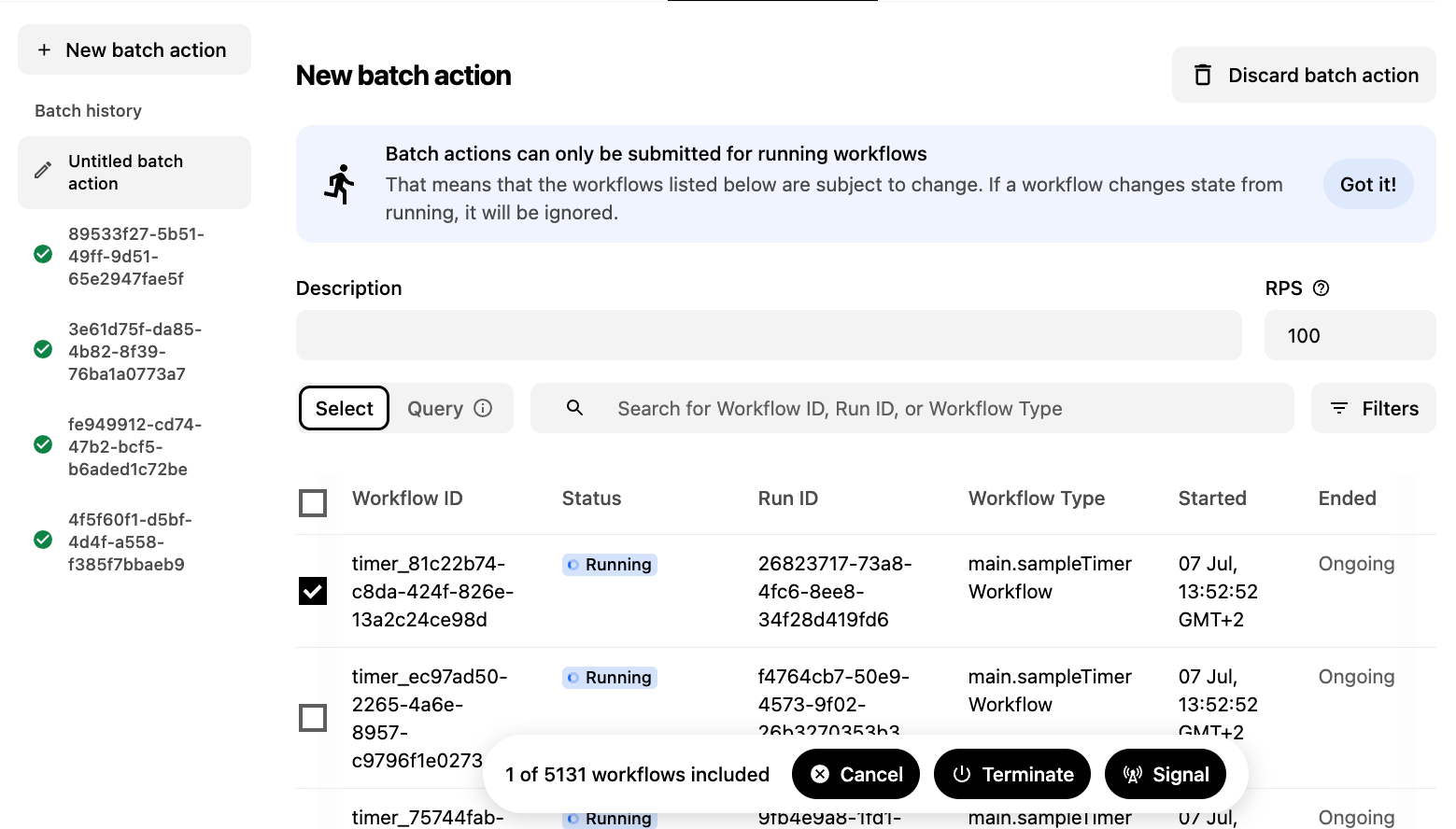
An order that waits days for a payment or a manager's approval survives crashes, restarts, and deployments in Cadence, a workflow engine that resumes each process exactly where it stopped. Developers write the order's logic as ordinary Go or Java code. The engine records every step in an event history and replays it to rebuild state on any worker. Activities send the emails, call the APIs, and write the database rows, each with its own retry policy, timeout, and heartbeat. A durable timer waits seconds or months without holding a thread, a cron schedule launches recurring runs, and a signal delivers the payment confirmation into the running workflow. Queries read its state without changing it, child workflows split big processes into reusable parts, and versioning allows code changes while older executions are still in flight. Domains separate teams and applications, task lists carry their own rate limits and priorities, global domains replicate across clusters and fail over between them, and archival retains closed histories. Cadence Web finds executions with SQL-like queries, lays out event history as a grouped table or a timeline, and exposes payloads, pending activities, and stack traces. It can start, reset, signal, cancel, or terminate runs, with batch actions for thousands of workflows at once. Running on a dedicated VPS on RepoCloud with guaranteed CPU, RAM, and SSD, full root SSH access, and a browser serial console. Apache-2.0 licensed.
Benefits
- Processes Survive Crashes and Restarts
- Workflow state lives in an event history, so a worker crash, redeploy, or node loss only pauses a process, and another worker rebuilds it by replaying history.
- Long Waits Without Polling Loops
- Durable timers and signals let a workflow wait days or months for a deadline or an outside event without polling a database, running per-entity cron jobs, or holding a worker thread.
- Shared Infrastructure for Many Teams
- Domains isolate teams and applications on one cluster, task lists carry their own rate limits and priorities, and global domains replicate to a second cluster for failover.
- Operators Can Inspect and Intervene
- Cadence Web shows every event, payload, pending activity, and stack trace, then lets operators signal, reset, cancel, or terminate runs, individually or in batches.
Features
- Workflows and Activities
- Deterministic workflow code in Go or Java coordinates activities, which run external I/O with configurable retries, timeouts, and heartbeats, while the server replays event history after failures.
- Signals, Queries, and Timers
- Signals deliver asynchronous events, queries inspect state read-only, durable timers delay execution, and schedules or distributed cron start recurring workflows.
- Child Workflows and Versioning
- Child workflows give reusable orchestration its own history, timeouts, and retry policy, while workflow versioning protects running executions when the workflow code changes.
- Multitenant Domains and Replication
- Domains isolate workflows, task lists, retention, and configuration; global domains use cross-datacenter replication and are active in one cluster at a time, with failover between clusters.
- Cadence Web Console
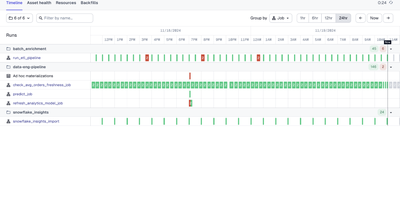
- A browser UI offers workflow search, filterable event history with JSON export, a timeline view, queries, stack traces, task list workers, schedules, diagnostics, and archived histories.
- Flexible Persistence and Deployment
- Persist state in Cassandra, MySQL, PostgreSQL, or embedded SQLite; start with Docker Compose including Prometheus and Grafana, or deploy on Kubernetes with a Helm chart.