Categories
Microservices Integration Platform Pub/Sub Event Driven Architecture Serverless Events Message Middleware CloudEventsStars
Forks
Watchers
Developer links
Apache EventMesh
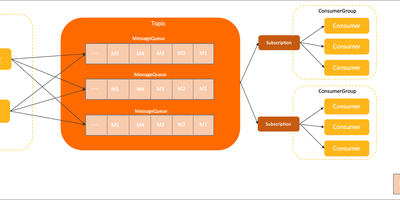
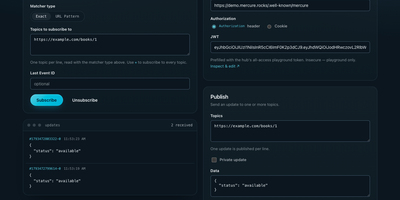
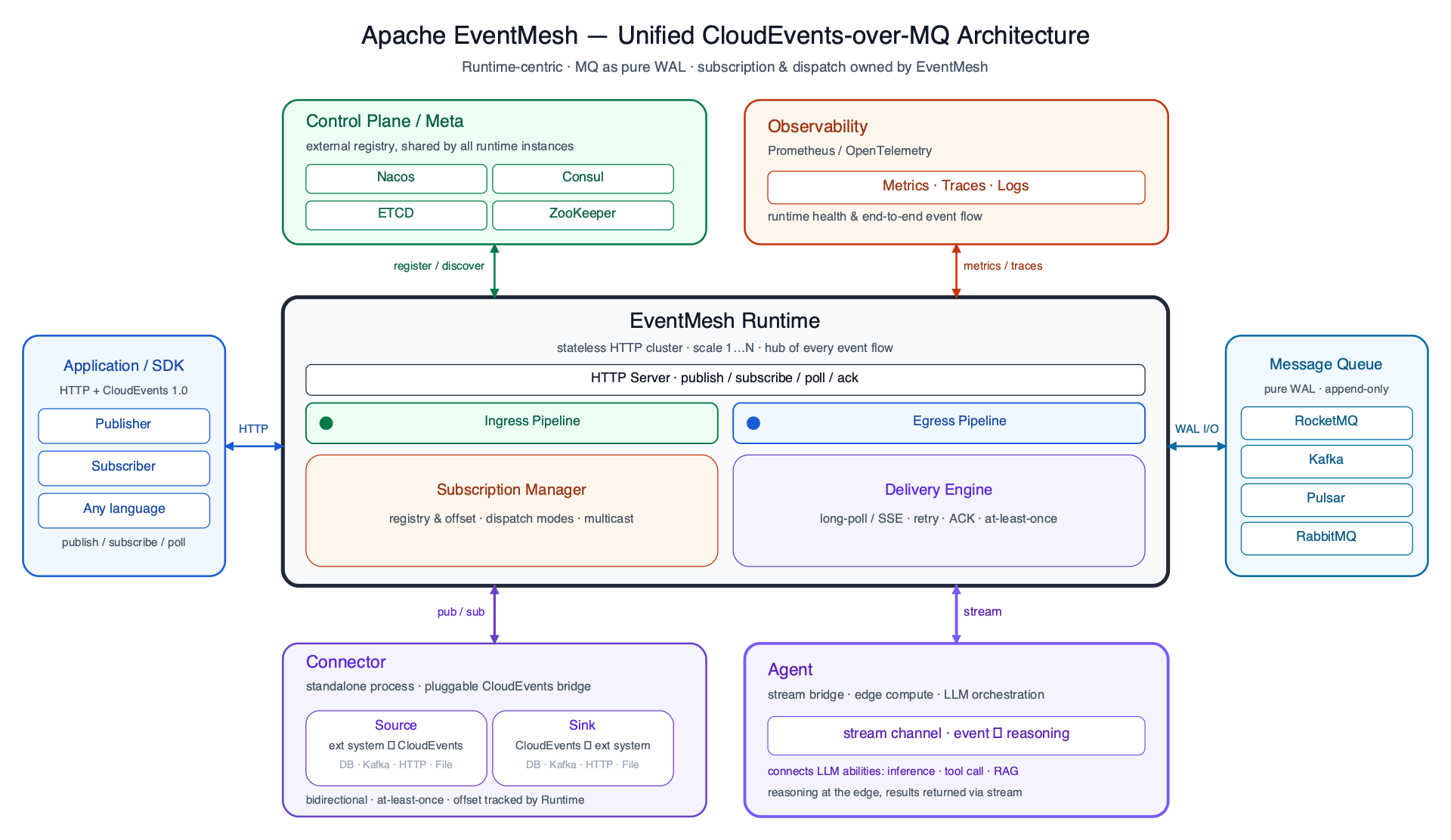
Applications publish an event once and stop caring who needs it next: Apache EventMesh receives CloudEvents over plain HTTP, stores them durably, and delivers each one to every subscription that matches. Producers call publish, consumers call subscribe or unsubscribe, and the runtime owns the registry, offsets, acknowledgements, and redelivery that messaging clients usually force you to build yourself. Subscribers choose load-balanced delivery for competing workers, broadcast delivery for every listener, or multicast for selected groups, and they receive events by HTTP long polling, Server-Sent Events, or WebSocket push. Filters drop irrelevant events before they leave the mesh, while transformers reshape payloads so a producer and consumer can disagree about format without either one changing code. Kafka and RocketMQ act as pluggable write-ahead storage, with an in-memory backend for development, and stateless runtime instances scale horizontally without consumer-group rebalancing. Twenty-three connectors move events into and out of RabbitMQ, Pulsar, MongoDB, MySQL change data capture, Redis, S3, Prometheus, Slack, DingTalk, Lark, WeChat, and AI services, each checkpointing offsets so failures replay instead of silently losing data. Agent-to-Agent protocol support and MCP connectors let AI agents exchange asynchronous events alongside synchronous tool calls, and event-triggered agents can publish decisions back into the mesh for downstream delivery. Running on a dedicated VPS on RepoCloud with guaranteed CPU, RAM, and SSD, full root SSH access, and a browser serial console. Apache-2.0 licensed.
Benefits
- Publish Once, Deliver Everywhere
- Producers send a CloudEvent to one HTTP endpoint while subscriptions fan it out to workers, listeners, webhooks, and external systems without producer-side routing code.
- Reliability Owned by Runtime
- Managed offsets, explicit acknowledgements, redelivery, and dead-letter handling keep events moving after consumer crashes, replacing retry logic scattered through applications.
- Storage Without Lock-In
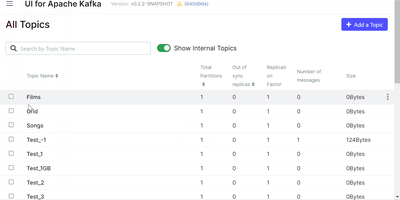
- Kafka or RocketMQ supplies durable write-ahead storage while the runtime keeps subscription behavior identical, so changing the broker does not rewrite your applications.
- Connectors Replace Glue Services
- Source and sink plugins for databases, queues, object storage, chat platforms, and AI services checkpoint offsets automatically, turning bespoke integration daemons into configuration.
Features
- CloudEvents HTTP API
- Publish, subscribe, and unsubscribe operations use CloudEvents 1.0 over HTTP, keeping clients lightweight and language-agnostic with no broker-specific SDK required.
- Flexible Delivery Semantics
- Load-balance, broadcast, and multicast dispatch arrive through long polling, Server-Sent Events, or WebSocket push, with request-reply supported for synchronous patterns.
- Filtering and Transformation
- Event filters evaluate subscriptions before dispatch and transformers reshape payloads in flight, decoupling producer schemas from every consumer's expected format.
- Connector Runtime
- Twenty-three source and sink plugins cover Kafka, RocketMQ, RabbitMQ, Pulsar, JDBC, Canal CDC, MongoDB, Redis, S3, Prometheus, Slack, and AI services.
- Agent Event Protocols
- A2A collaboration and MCP connectors bridge synchronous agent tool calls with asynchronous event publication, letting topics trigger agents and publish their decisions.