Stars
Forks
Watchers
Developer links
Nuclio
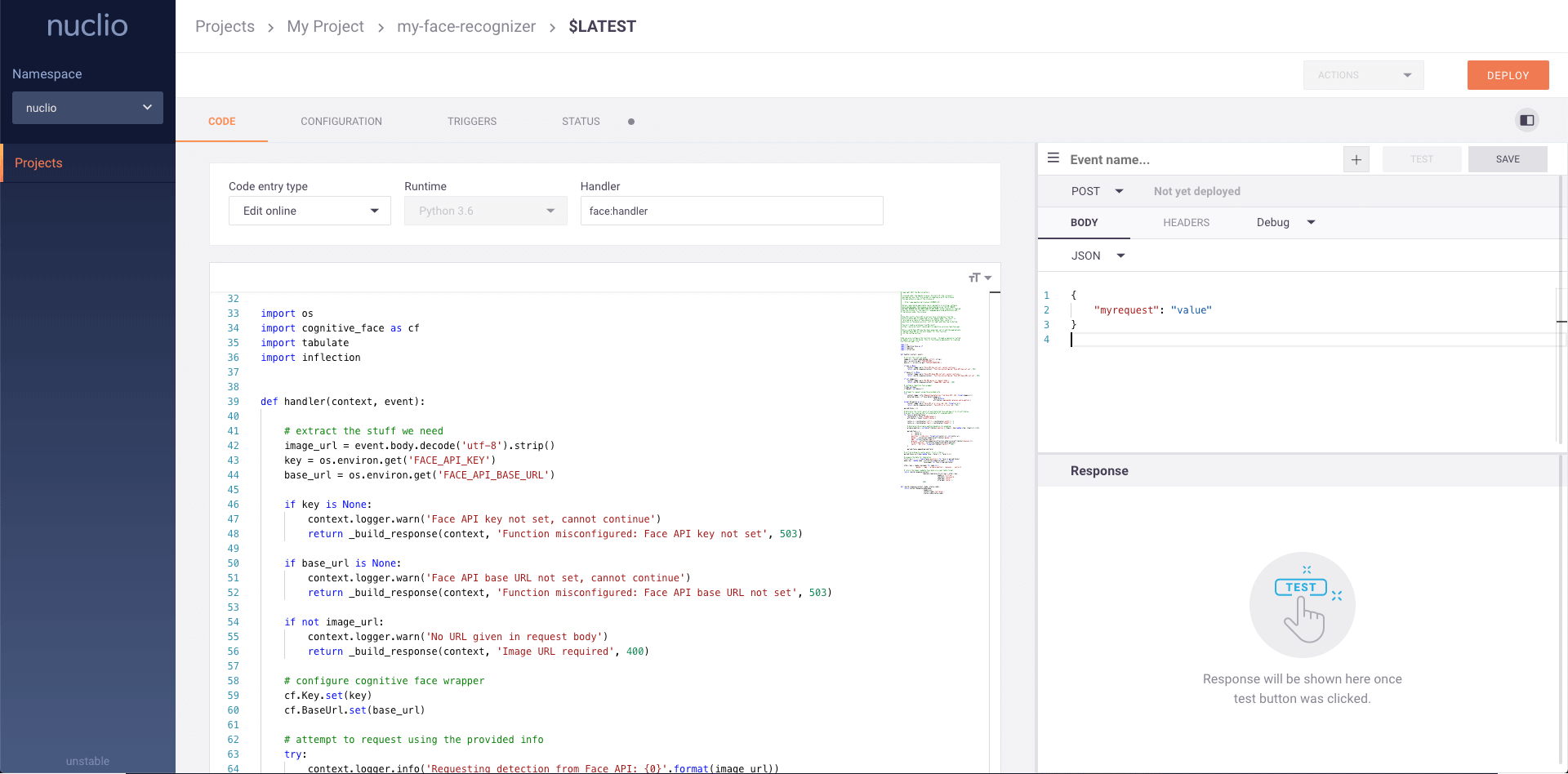
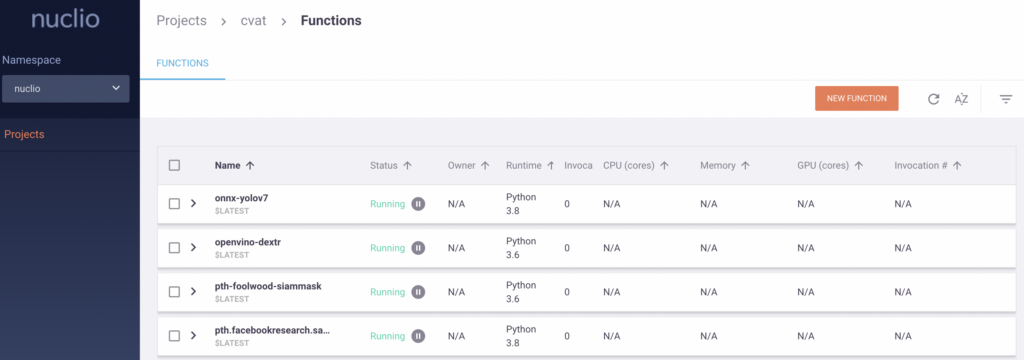
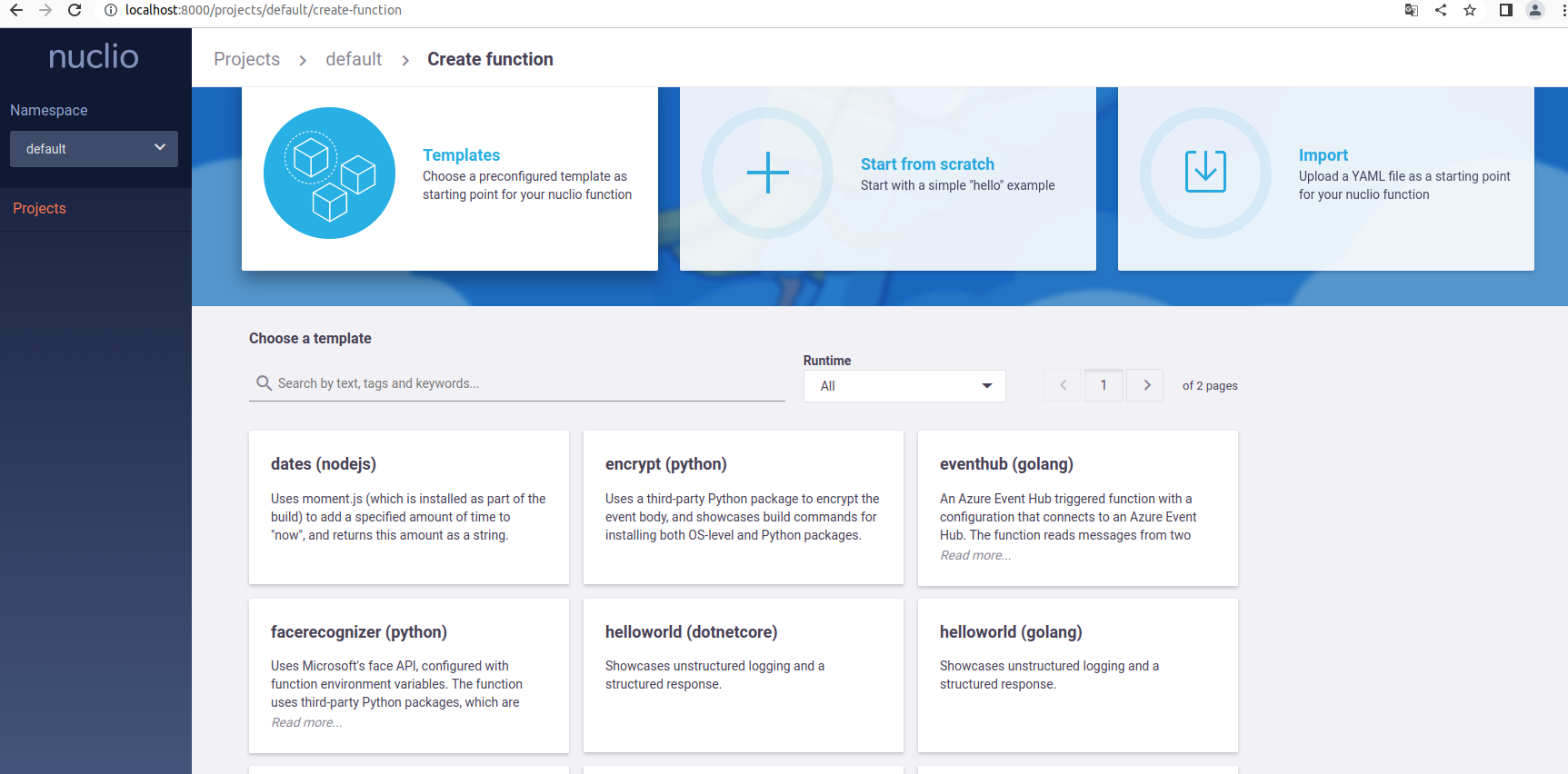
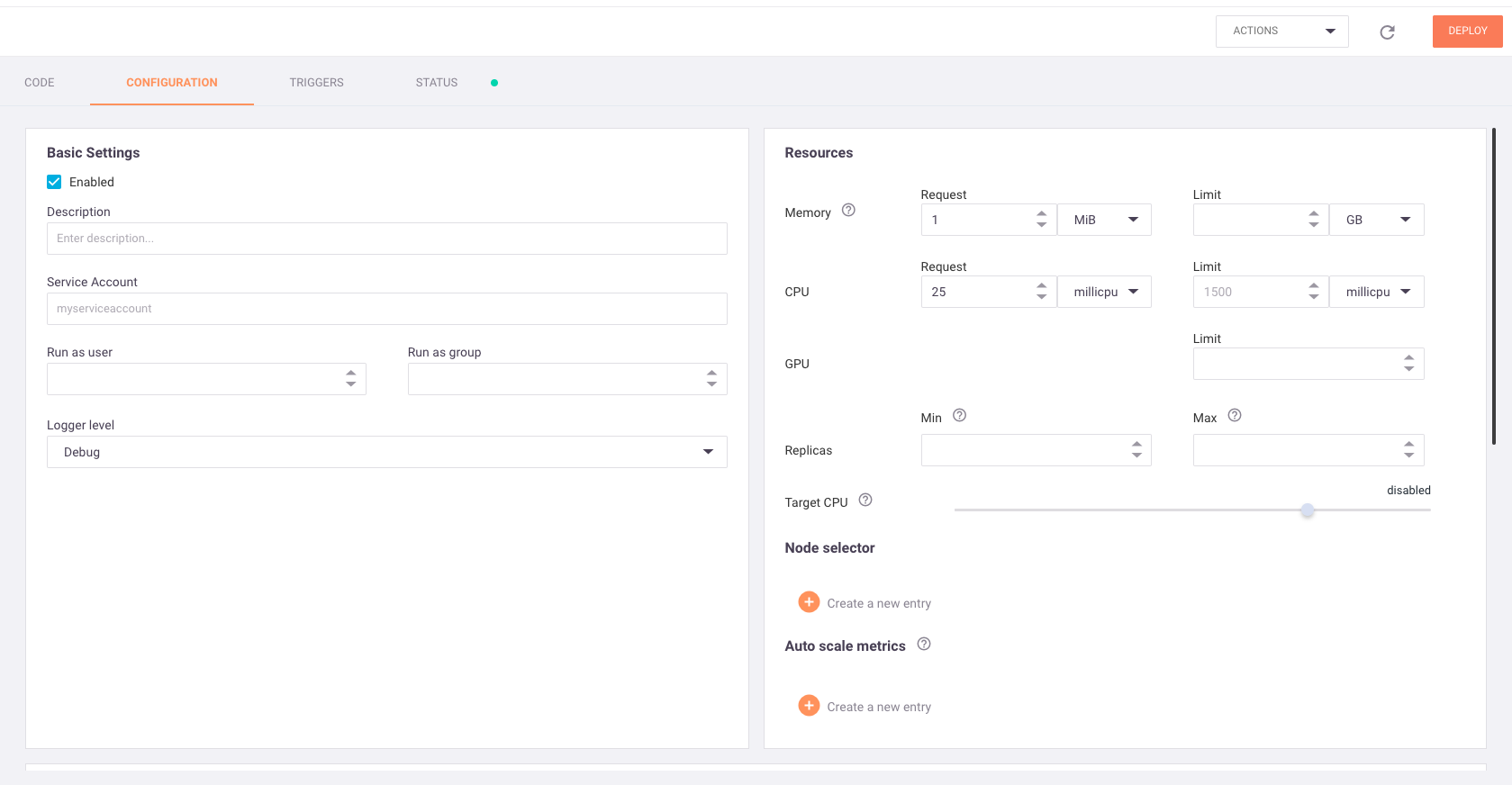
Serverless platforms promise to run your code only when it is needed; Nuclio adds the part they usually skip, raw throughput for data-heavy work, with a single function instance able to process hundreds of thousands of HTTP requests or records per second. You write functions in Python, Go, Node.js, Java, .NET, or plain Shell, and deploy them from the dashboard on port 8070, from the nuctl command line, or from Jupyter through the Nuclio SDK. Events reach your code through HTTP calls, cron schedules, Kafka and Kinesis streams, MQTT and NATS messages, RabbitMQ queues, or Azure Event Hubs, so the same function model covers APIs, stream processors, and scheduled jobs. Each function ships as its own container, built securely with Kaniko, and scales on plain Docker for a single server or on Kubernetes when the workload outgrows one machine, with GPU support for inference and media pipelines. Projects organise functions with shared configuration, secrets, and API gateways, and the dashboard shows invocations, logs, and metrics while templates for common jobs get a first function running in minutes. Data science teams plug Nuclio into MLRun and Kubeflow Pipelines to serve models and automate ML workflows without a separate serving tier. Running on a dedicated VPS on RepoCloud with guaranteed CPU, RAM, and SSD, full root SSH access, and a browser serial console. Apache-2.0 licensed.
Benefits
- Throughput Built For Data Workloads
- A single function instance processes hundreds of thousands of HTTP requests or data records per second, so stream processors and inference endpoints keep up without a fleet of idle servers waiting.
- Six Runtimes, One Model
- Python, Go, Node.js, Java, .NET, and Shell functions share the same triggers, scaling, logging, and deployment flow, letting teams keep their language while standardising how event-driven code ships.
- Docker Today, Kubernetes Tomorrow
- The dashboard deploys functions to a local Docker daemon on one server, and the same projects move to Kubernetes with nuctl when traffic, GPUs, or multi-node resilience enter the picture.
- Event Sources Without Glue Code
- Kafka, Kinesis, MQTT, NATS, RabbitMQ, Azure Event Hubs, cron, and HTTP triggers feed functions directly, removing the consumer services and polling loops teams usually maintain beside a serverless runtime.
Features
- Dashboard And nuctl CLI
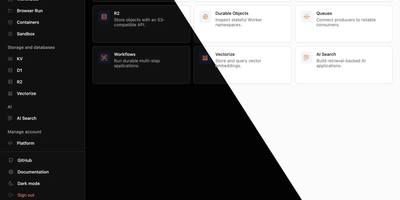
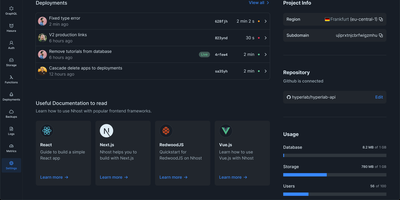
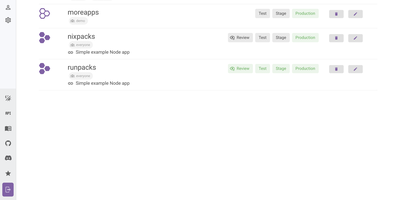
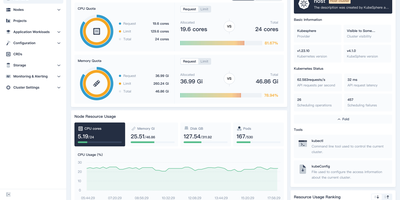
- The web dashboard on port 8070 and the nuctl command line create projects, deploy functions from code, templates, or container images, and surface logs, metrics, and invocation history.
- Trigger Library
- Functions bind to HTTP, cron, Kafka, Kinesis, MQTT, NATS and NATS JetStream, RabbitMQ, and Azure Event Hub triggers, each configured per function with its own scaling and batching behaviour.
- Kaniko Function Builds
- Function source is turned into OCI images with Kaniko inside the platform, giving reproducible, daemonless builds that work the same on a Docker host or a Kubernetes cluster.
- Projects And API Gateways
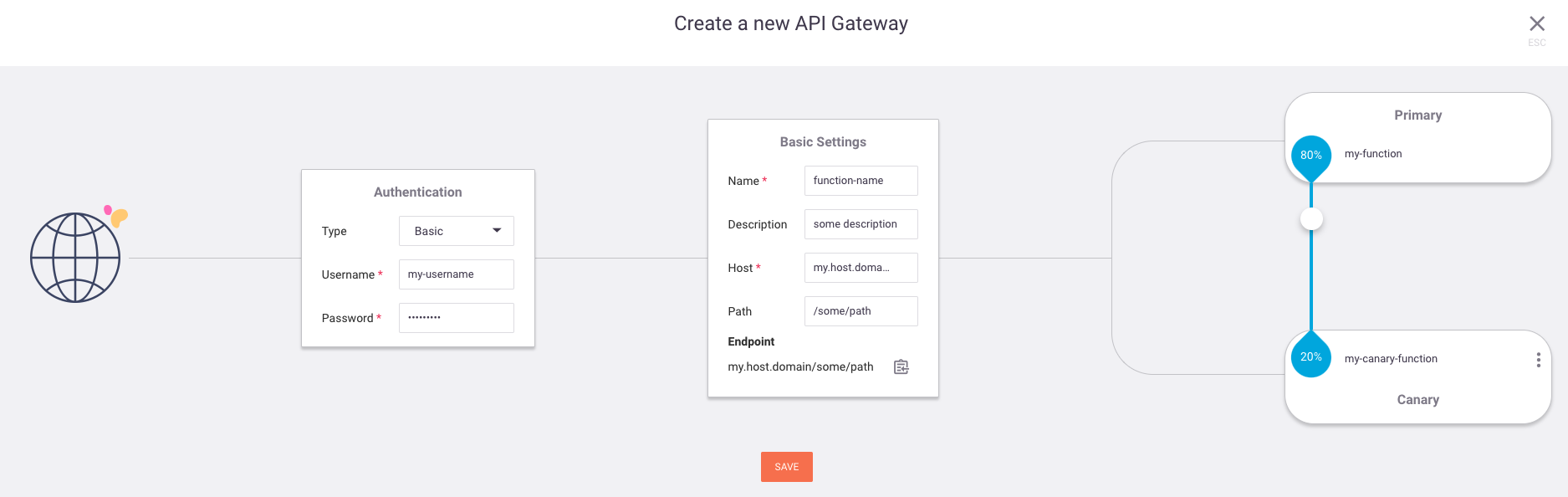
- Projects group functions with shared secrets, configuration, and API gateways that route external traffic to named functions, forming the unit teams version, export, and redeploy together.
- ML Serving Integrations
- The Nuclio Jupyter package, MLRun, and Kubeflow Pipelines integrations deploy models and data pipelines as functions, including GPU-backed instances for inference and feature processing.