Categories
Self-Hosted AI Agents MCP Server Model Context Protocol Fleet Management DevOps Automation Remote ControlStars
Forks
Watchers
Developer links
AgentDock
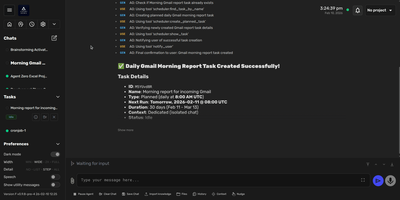
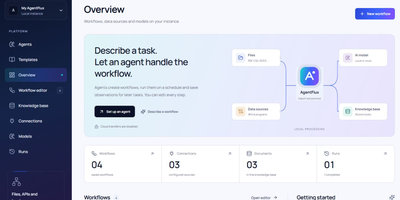
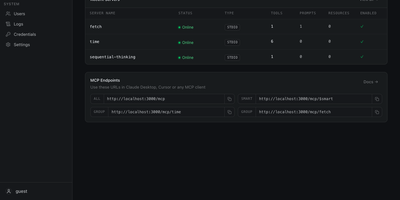
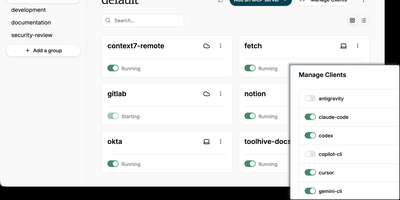
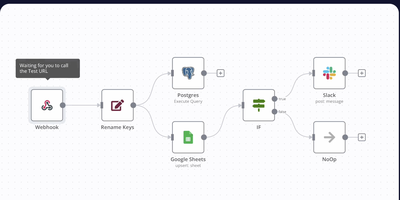
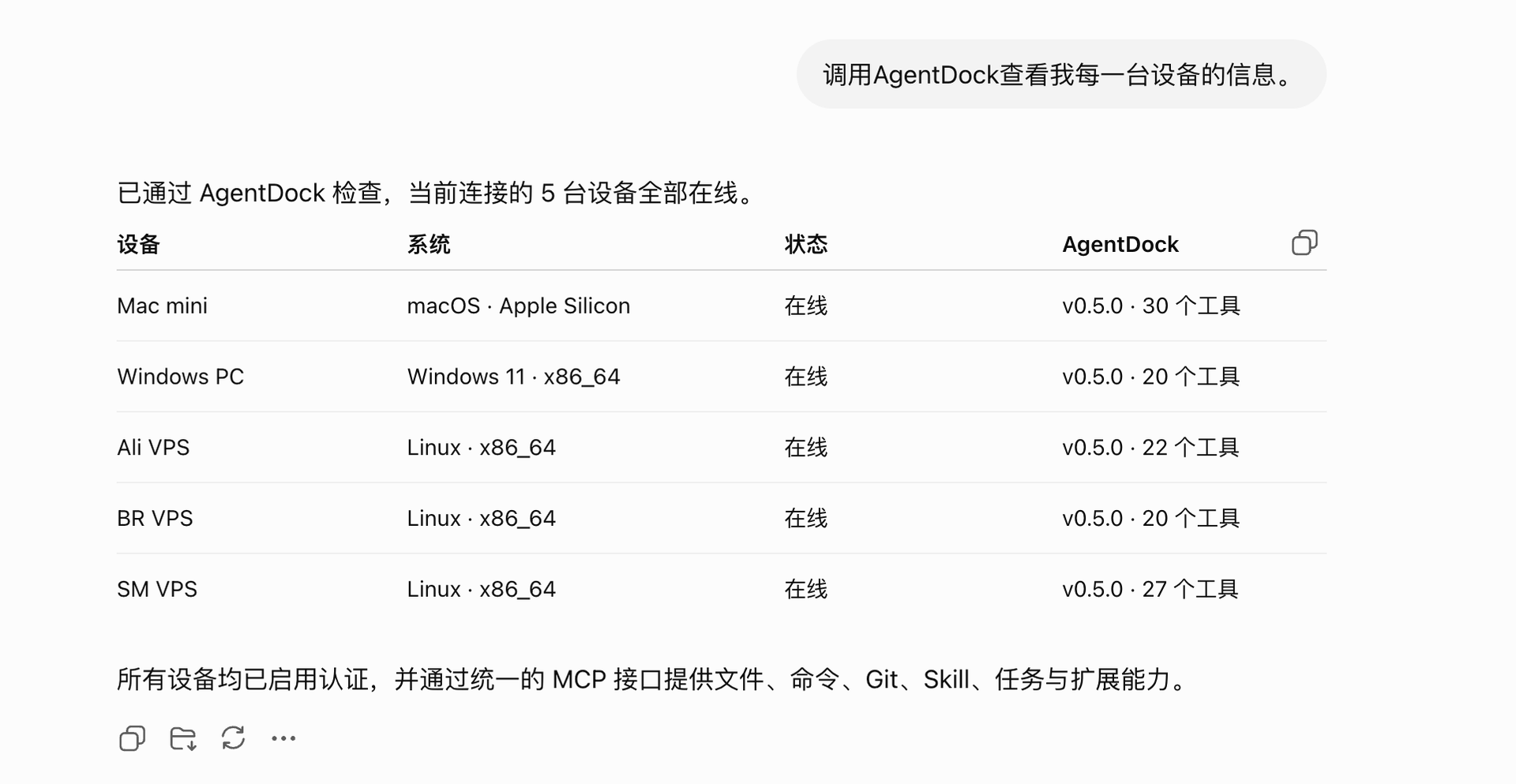
AgentDock turns the computers and servers you already run into machines an AI assistant can operate for you through one secure MCP endpoint. Connect ChatGPT, Claude, Codex, or any other MCP client and the agent works in the real environment: reading and writing files, searching code, running shell commands, and driving Git where the project actually lives. Long jobs survive interruptions because task state and checkpoints persist on the node, ready to resume where they stopped. Browser work is covered as well, with web pages driven through a native Chrome DevTools connection that reuses your logged-in sessions, captures screenshots, and can even operate macOS desktop applications. Capabilities grow through installable Skills and dynamic MCP servers, so a node picks up new tools without a rebuild. Run a single node on a laptop, or spread nodes across VPS hosts and containers and pair them with the optional NexusDock console for one fleet view, shared Recall memory, reusable workflow templates, and a single MCP address for every machine. Access stays locked down with Bearer tokens or OAuth sign-in, loopback-only defaults, and optional Cloudflare Tunnel or HTTPS exposure when a remote client needs a way in. Running on a dedicated VPS on RepoCloud with guaranteed CPU, RAM, and SSD, full root SSH access, and a browser serial console. Apache-2.0 licensed.
Benefits
- Real Machines, Not Sandboxes
- Agents edit files, run tests, and commit with Git in the actual project environment on your hardware, so results match what you would get working there yourself.
- One Endpoint for Fleets
- NexusDock pairs every node behind a single MCP address with OAuth or token sign-in, shared Recall, and workflow templates, so clients connect once instead of per machine.
- Tasks That Survive Interruptions
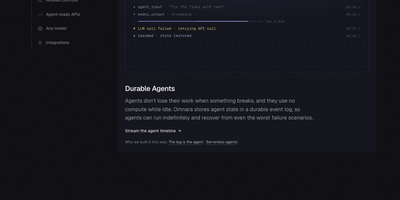
- Long-running work saves progress and checkpoints on the node itself. When a connection drops or a client restarts, the task resumes instead of starting over from zero.
- Locked Down by Default
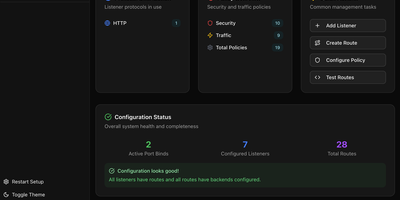
- Nodes listen on loopback only until you say otherwise. Public access requires Bearer token or OAuth authentication, with Cloudflare Tunnel or your own HTTPS domain for exposure.
Features
- MCP Streamable HTTP
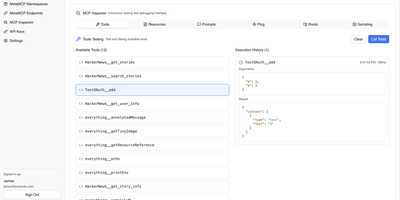
- A standards-based MCP endpoint on port 8765 serves files, commands, Git, and tasks to ChatGPT, Claude, Codex, and other MCP clients.
- Browser and Desktop Automation
- A native Go Chrome DevTools driver operates authenticated web pages, reuses login sessions, captures screenshots, and controls macOS desktop applications.
- Skills and Dynamic Servers
- Installable Skills and dynamically loaded MCP servers extend what a node can do, adding new tools without rebuilding or redeploying the runtime.
- NexusDock Fleet Console
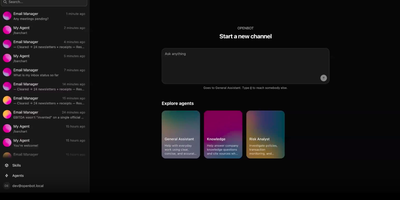
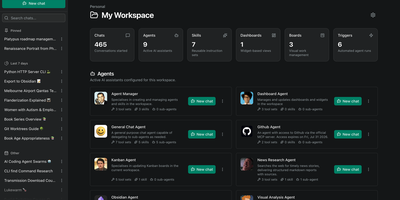
- The optional self-hosted console pairs devices with short-lived codes, shows live node state, and shares Recall memory and workflow templates across machines.
- Docker and systemd Deployment
- Run nodes from the official Docker image, an automated Linux installer, or a manual systemd unit, with state kept under a single home directory.