Categories
Self-Hosted AI Agents Productivity Workflow Automation Team Collaboration Task Management AI Assistants Business AutomationStars
Forks
Watchers
Developer links
Something
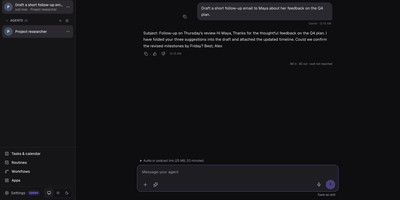
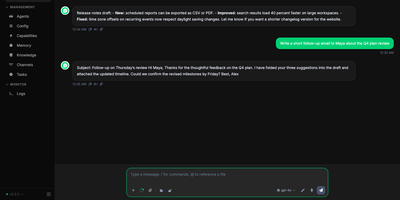
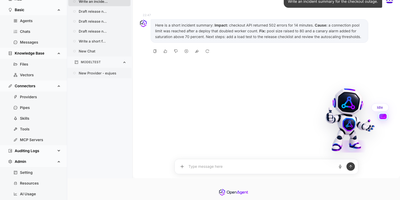
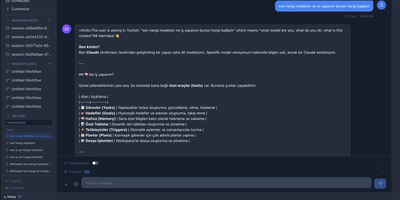
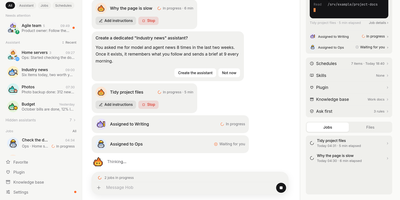
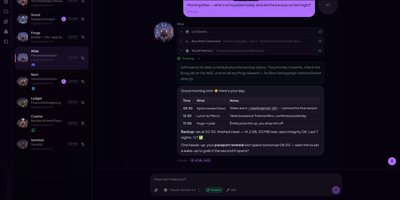
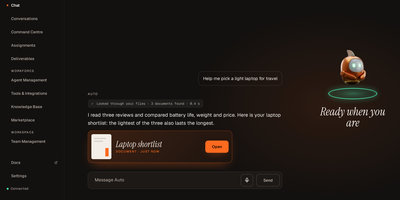
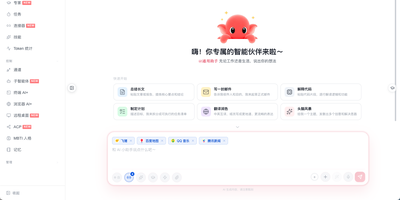
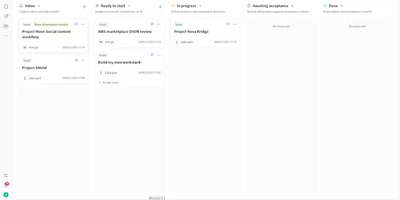
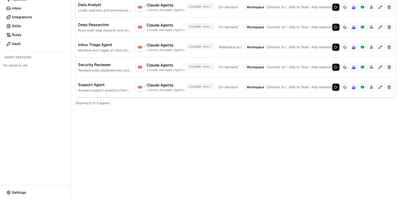
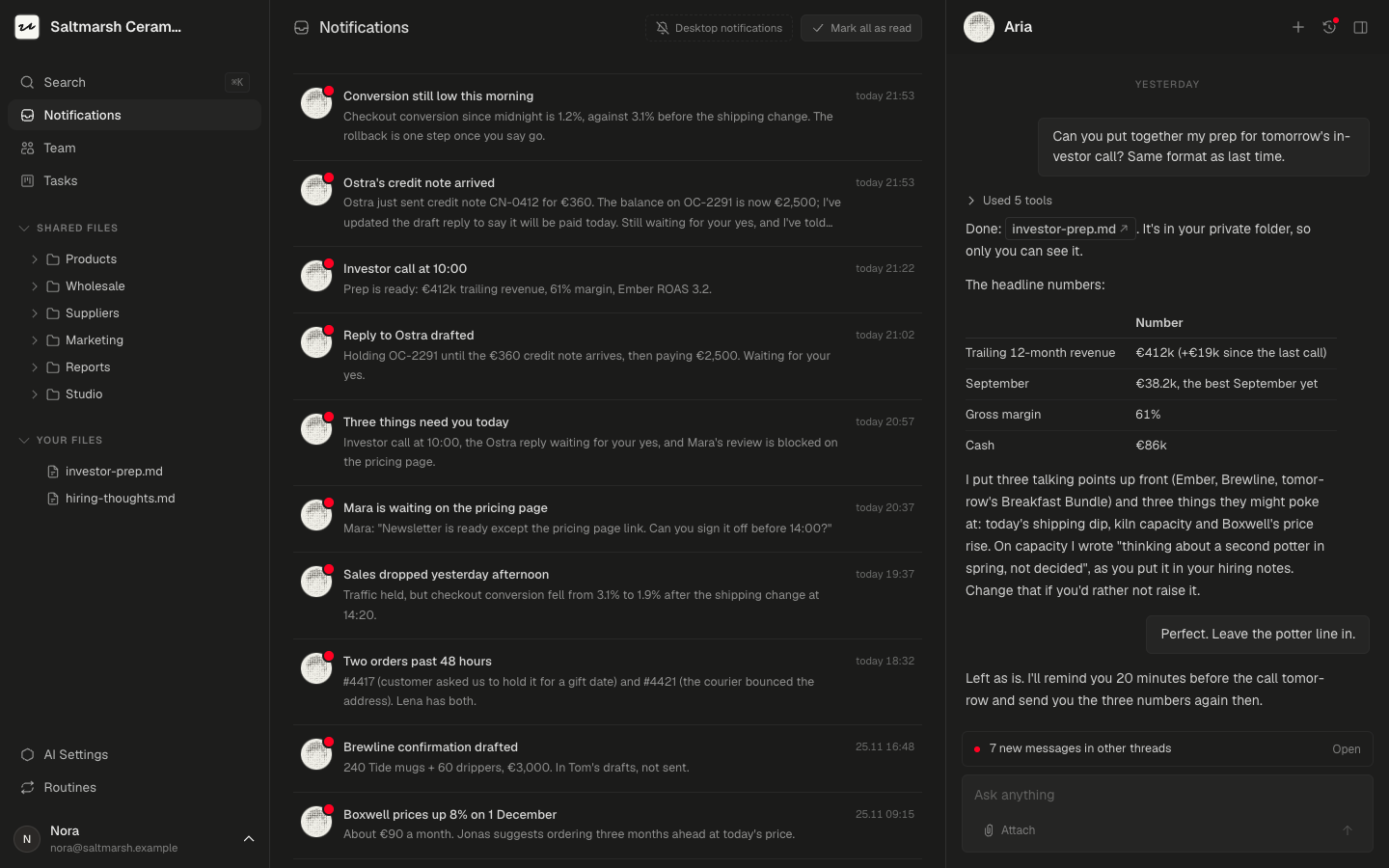
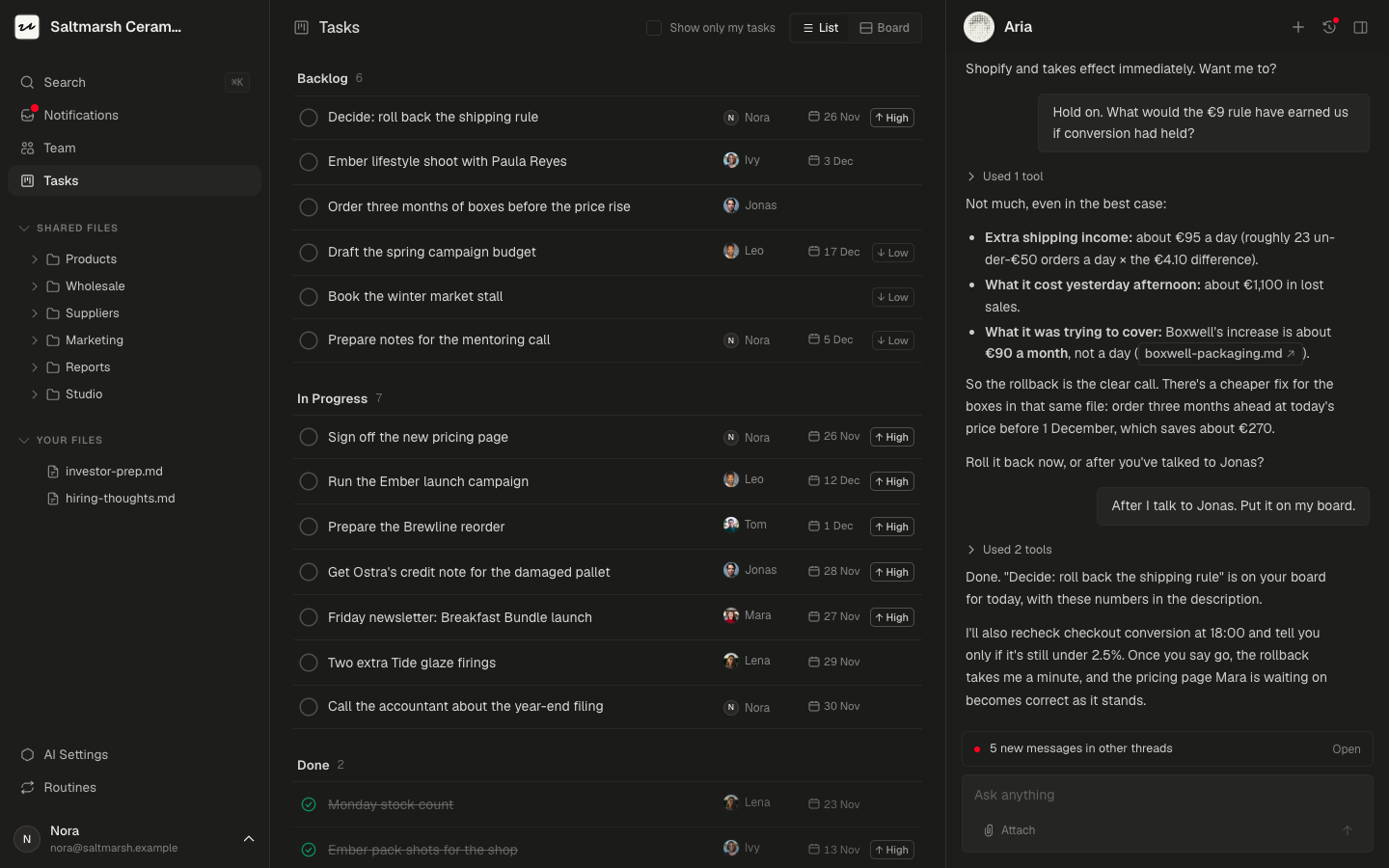
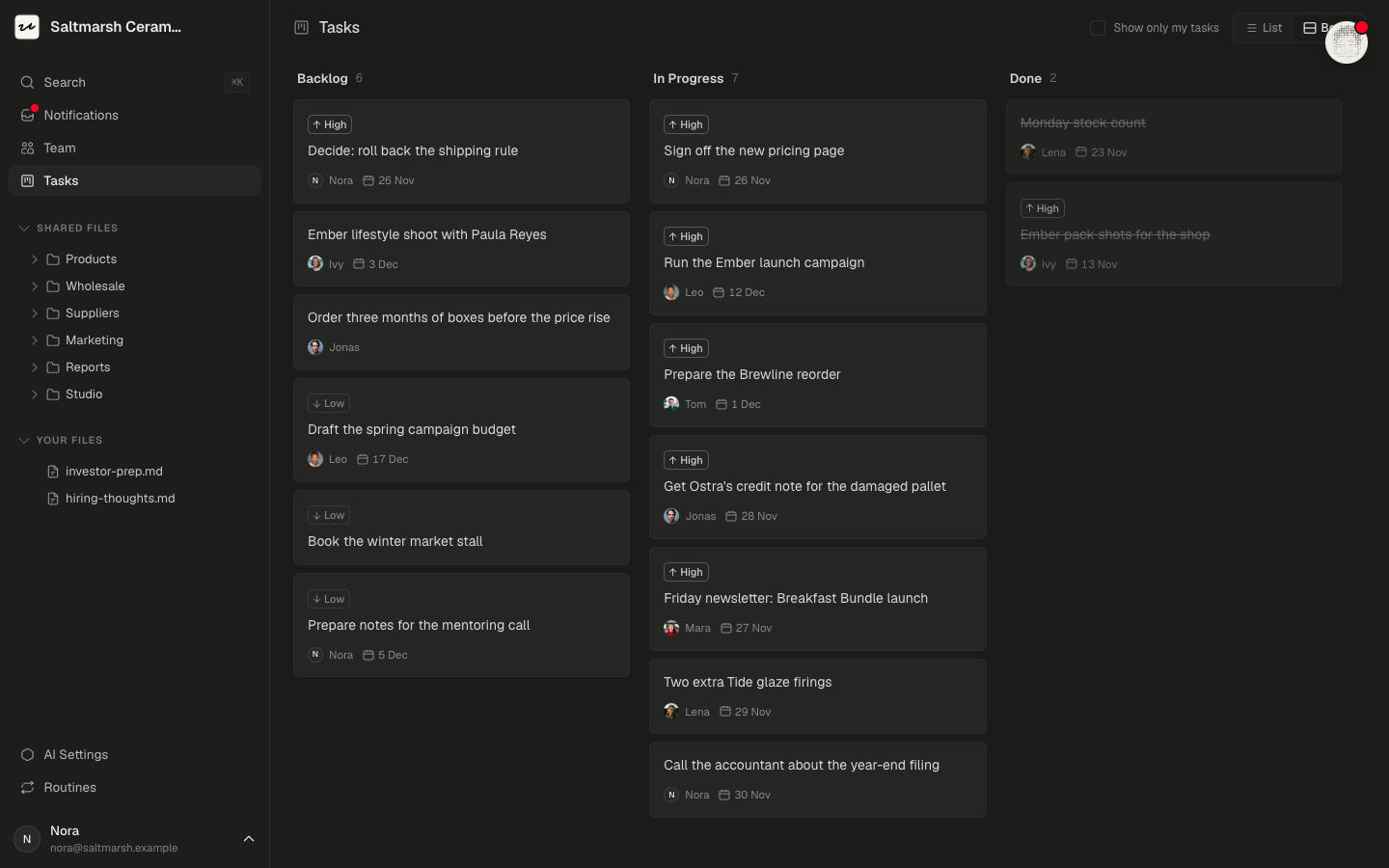
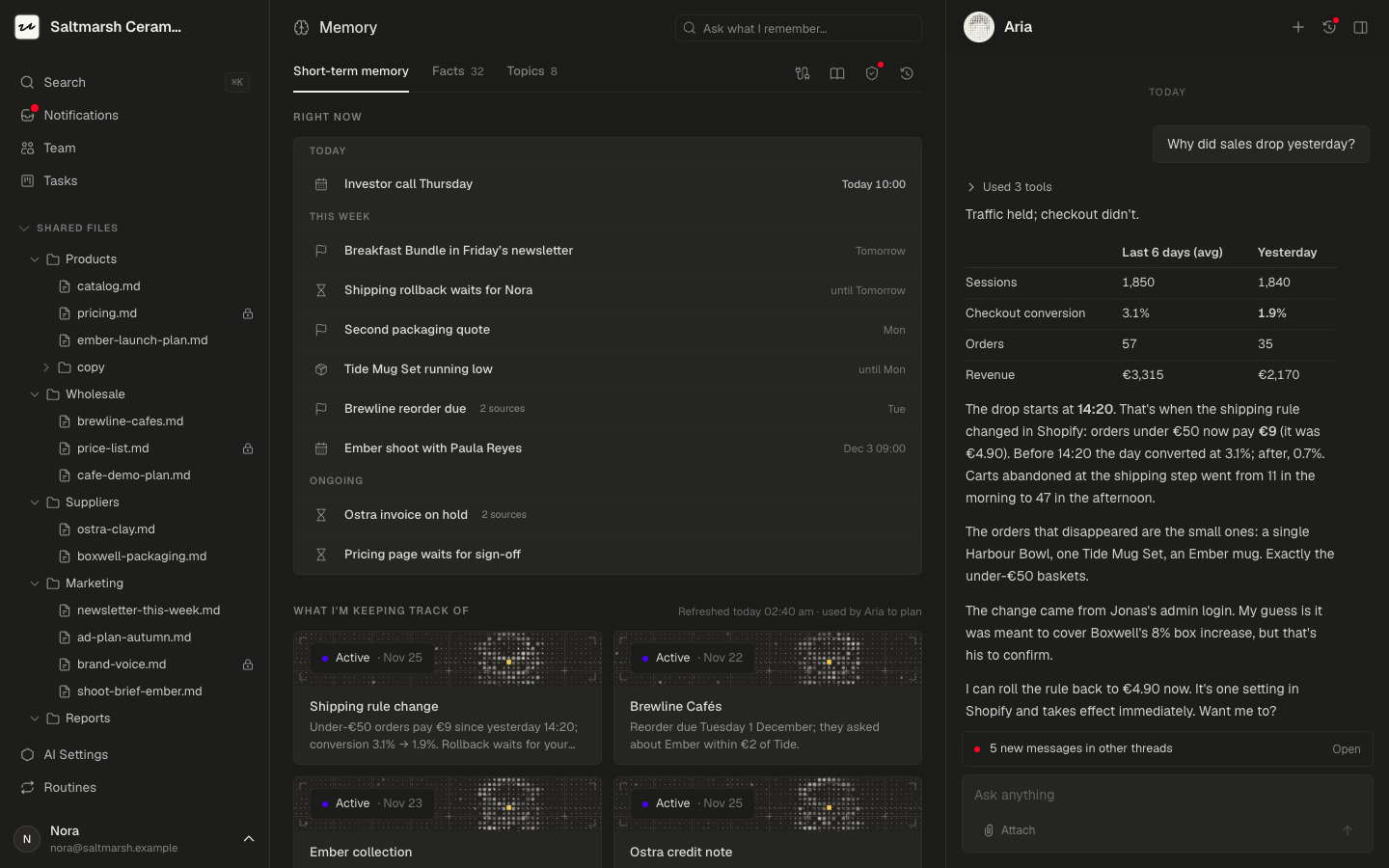
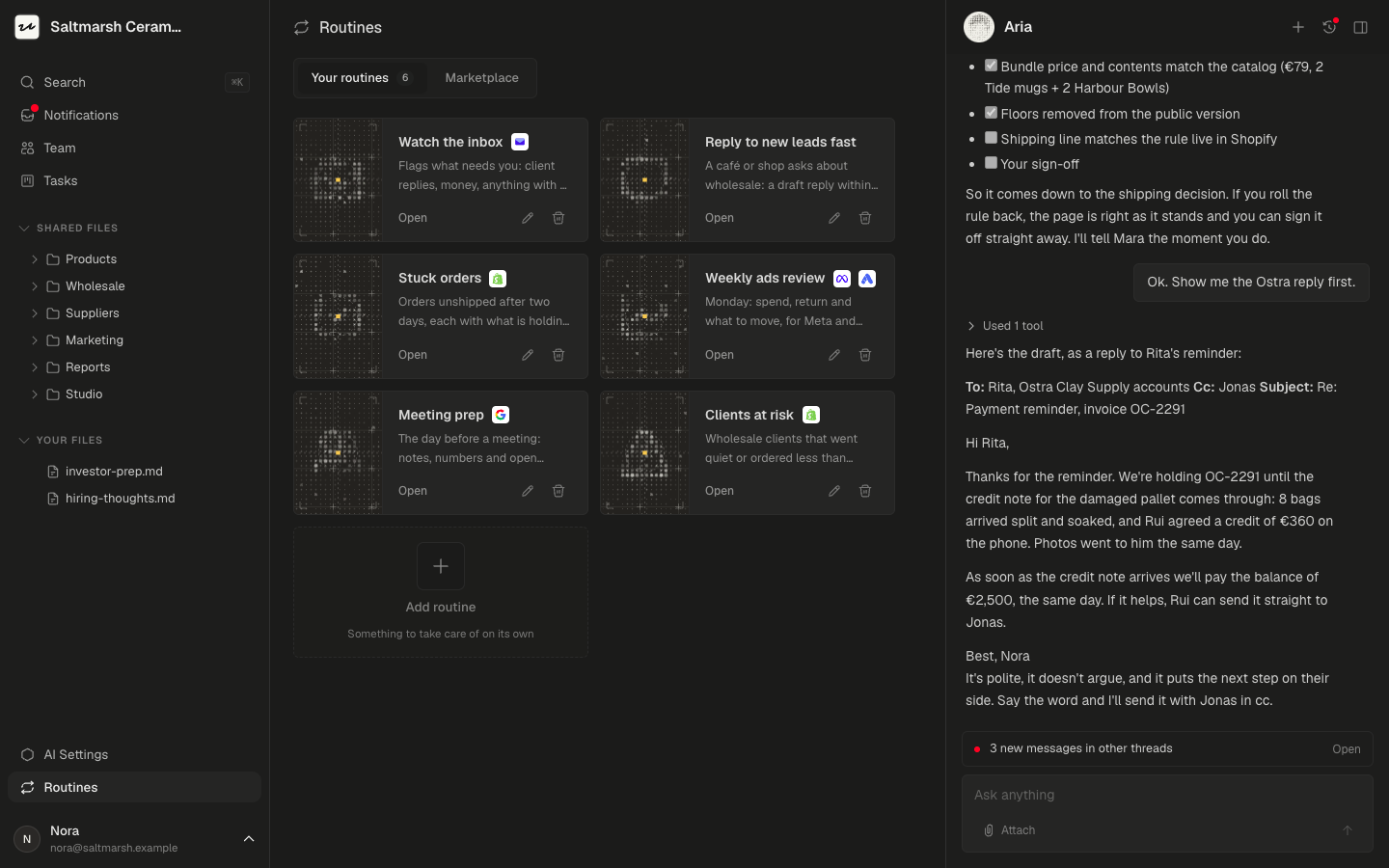
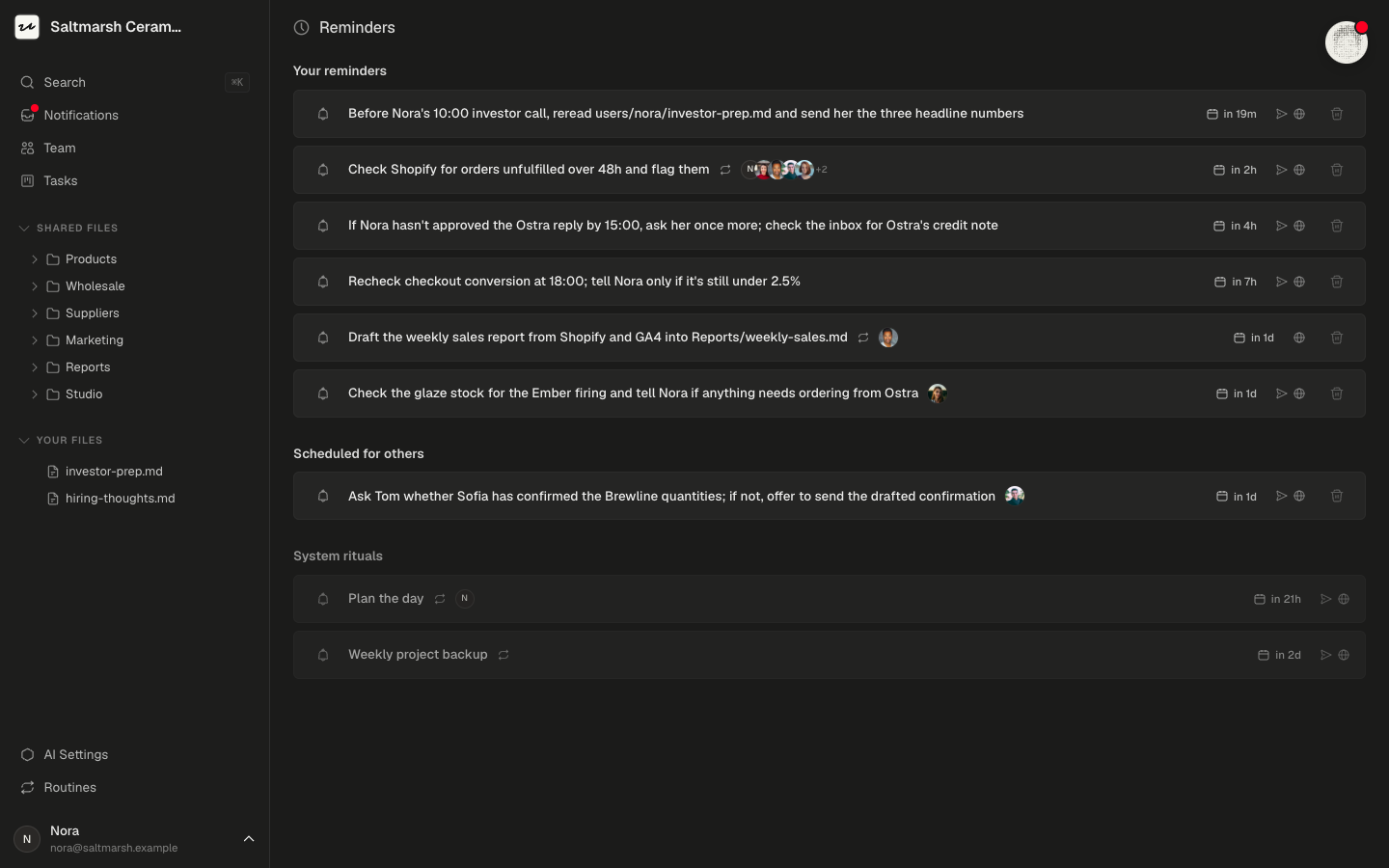
By the time you sit down each morning, your AI coworker can have read the inbox, checked the store for stuck orders, and drafted a plan for the day. You reach the same coworker in a web workspace, Chrome's side panel, Telegram, or Slack, and its memory follows you between them. A first-login interview learns what the company does, shows what it found online for you to fix, and proposes a starter plan of tools and routines. Memory keeps one fact per thing, tied to its source conversation; corrections add dated remarks, and outdated facts are struck through beside their replacements. Routines cover standing chores, from hourly inbox scans and stuck-order checks to weekly ad reviews and meeting prep, and a Marketplace tab suggests more for each connected tool. Tasks live on a list or board with owner, priority, and deadline. Skills are markdown playbooks you can edit in the browser. Dozens of services connect through a sign-in popup or a pasted key, among them Notion, Stripe, Linear, Shopify, and Google Workspace. It asks before anything goes out. In team mode, each person gets private files, memory, and routines, the board stays shared, and hand-offs reach teammates where they will see them. Claude Code or Codex can ask the coworker about the business and write back only after confirmation. Running on a dedicated VPS on RepoCloud with guaranteed CPU, RAM, and SSD, full root SSH access, and a browser serial console. AGPL-3.0 licensed.
Benefits
- It acts, then asks first
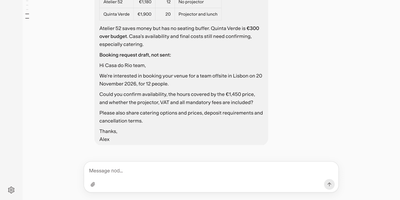
- The coworker pulls Shopify orders, drafts Gmail replies, schedules posts, and queries analytics through connected tools, then asks before anything goes out, so customer-facing work stays in your hands.
- One memory across every channel
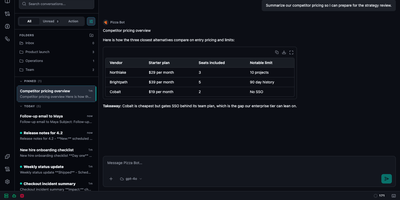
- Web chat, the Chrome side panel, Telegram, and Slack reach the same assistant, so a decision typed in one place is already known when you ask about it in another.
- Memory you can inspect and correct
- Each fact shows the conversation it came from, facts can be hidden or erased, and a Changes log records what memory remembered, corrected, merged, hid, erased, or restored.
- Your data stays on your server
- Files, memory, and credentials live on one dedicated server per business, secrets are encrypted at rest, and nothing is relayed through the maintainers' servers; replies come from your own Claude plan.
Features
- Morning Plan and Routines
- Routines for inbox scans, stuck-order checks, and meeting prep run on a reminder scheduler that survives restarts; at 06:00 local time the coworker builds the day's plan from them.
- Tasks on List or Board
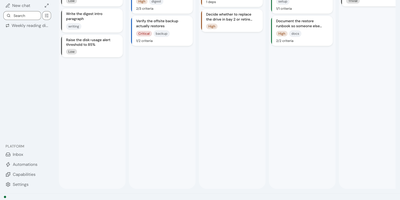
- Tasks carry an owner, priority, and deadline on a list or board and stay current as work progresses; team members also keep a private list beside the shared board.
- Skills as Markdown Playbooks
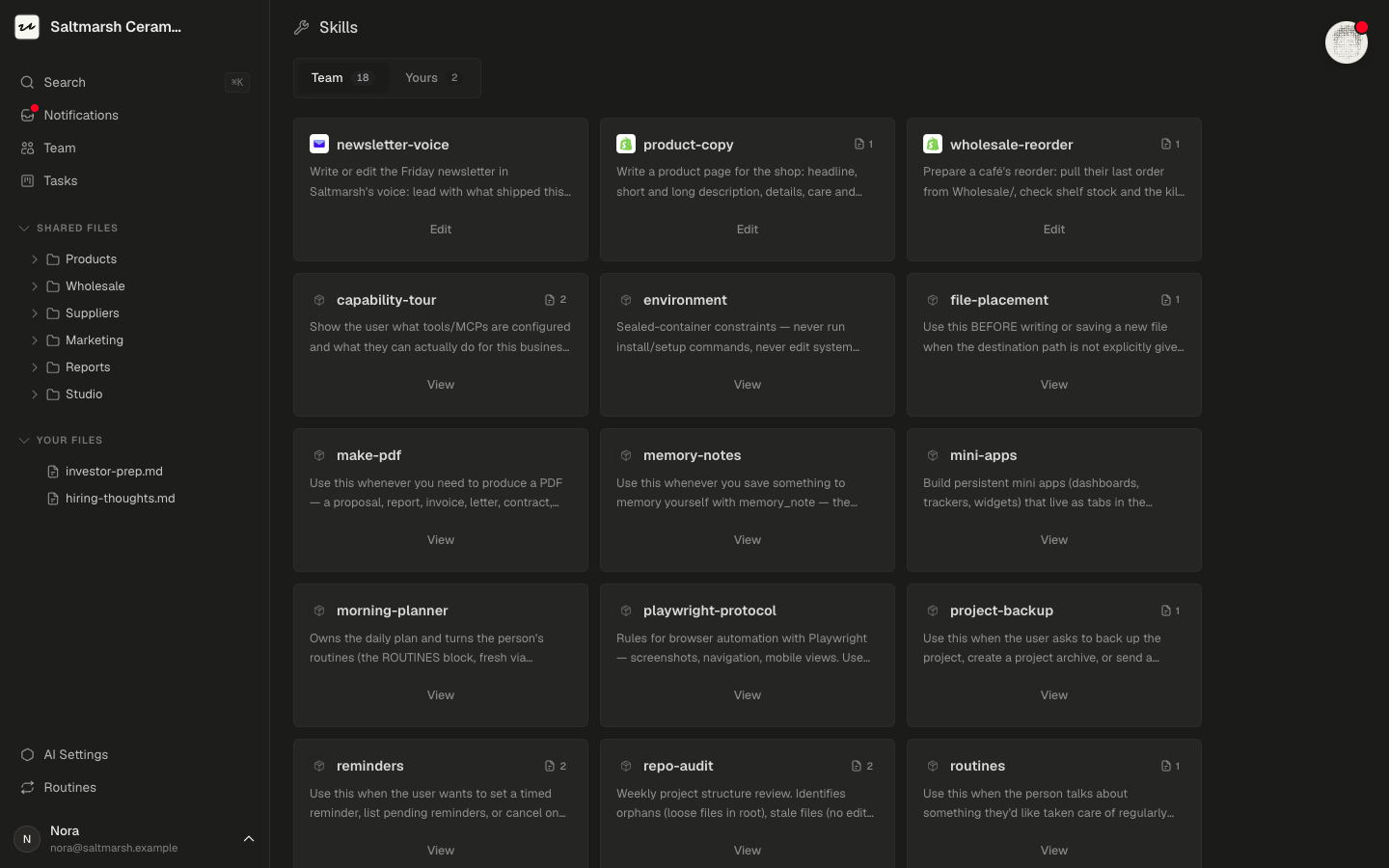
- A skill is a markdown file describing how to handle a recurring task; the coworker writes its own, and each one can be edited from the browser.
- One-Click and Key Integrations
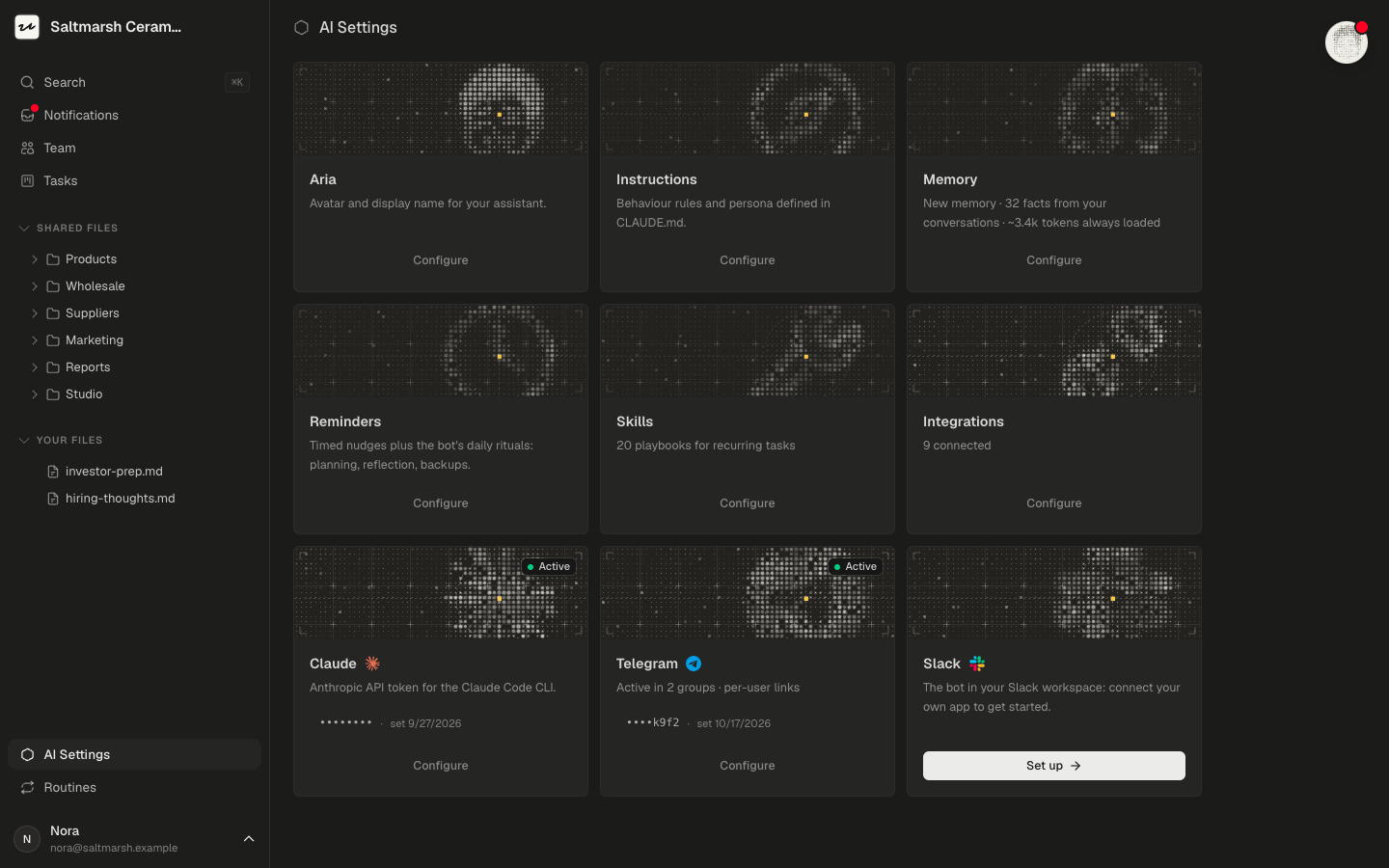
- Provider-hosted MCP servers for Notion, Stripe, Linear, Atlassian, and dozens more connect with one sign-in popup; Shopify, Meta Ads, GA4, Google Workspace, and IMAP email use credentials encrypted at rest.
- Chrome Side Panel Agent
- The chat sits beside any tab and reads the page; with Act switched on it clicks, types, and scrolls for you, but never touches password fields.
- Team Mode With Private Spaces
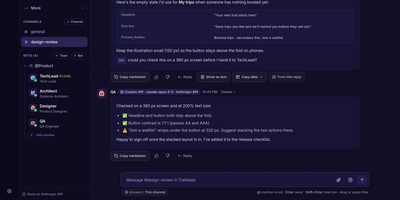
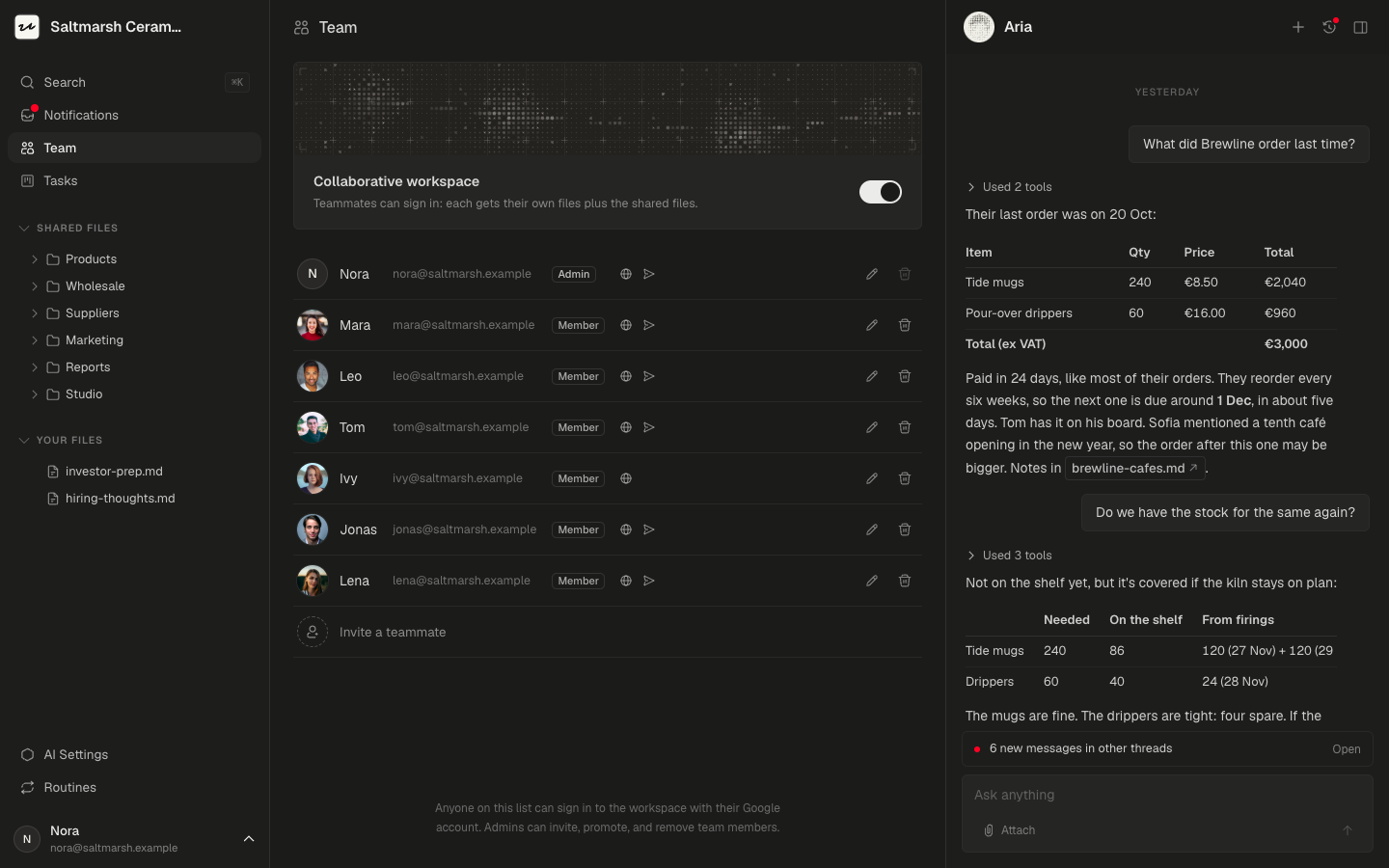
- Collaborative mode gives each person private files, memory, tools, and routines enforced on the server, while the team shares a board and files and hands tasks between people.