Categories
Developer Tools AI Agents Workflow Automation Self-Hosted AI Team Collaboration Agent Orchestration Human in the Loop Plugin PlatformStars
Forks
Watchers
Developer links
SoduWork
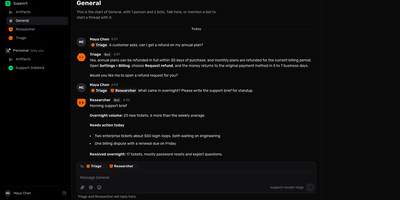
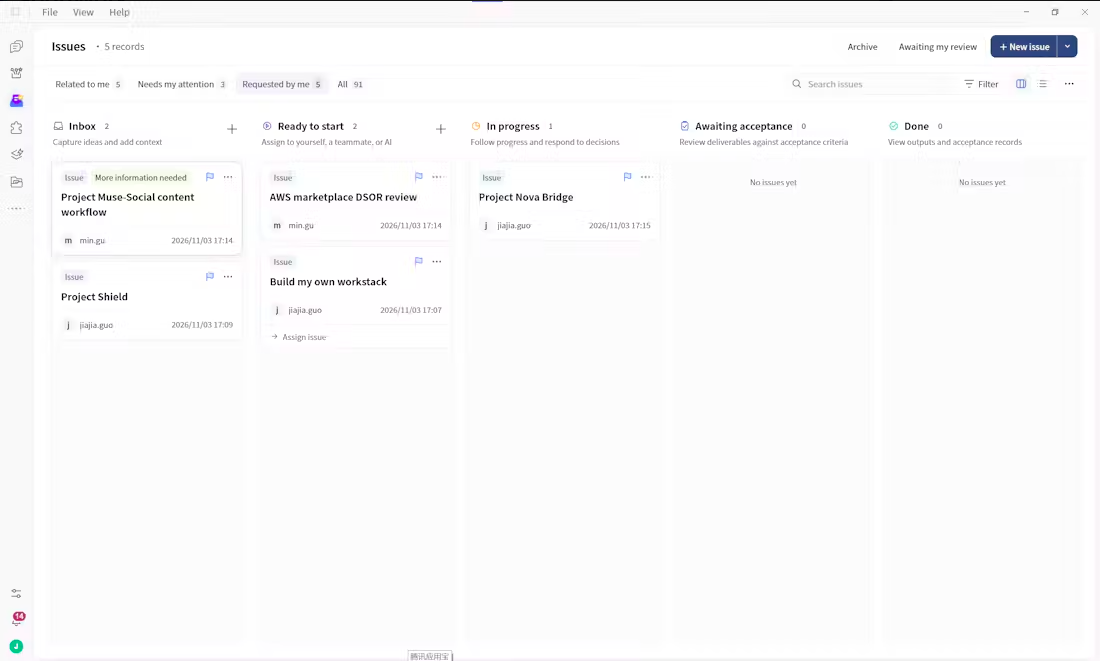
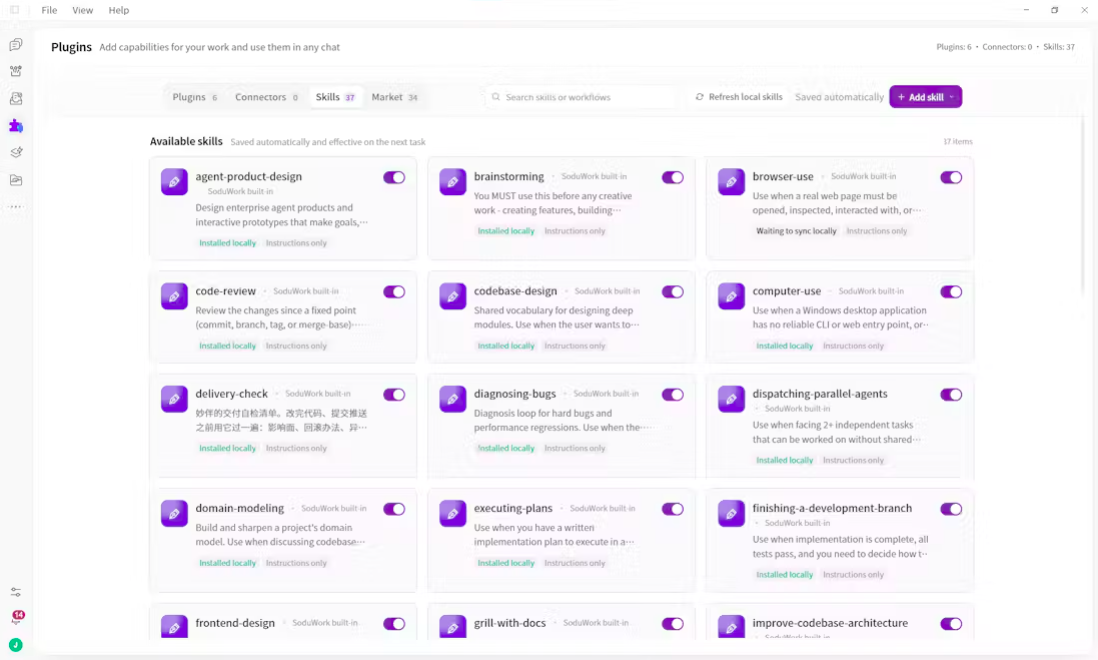
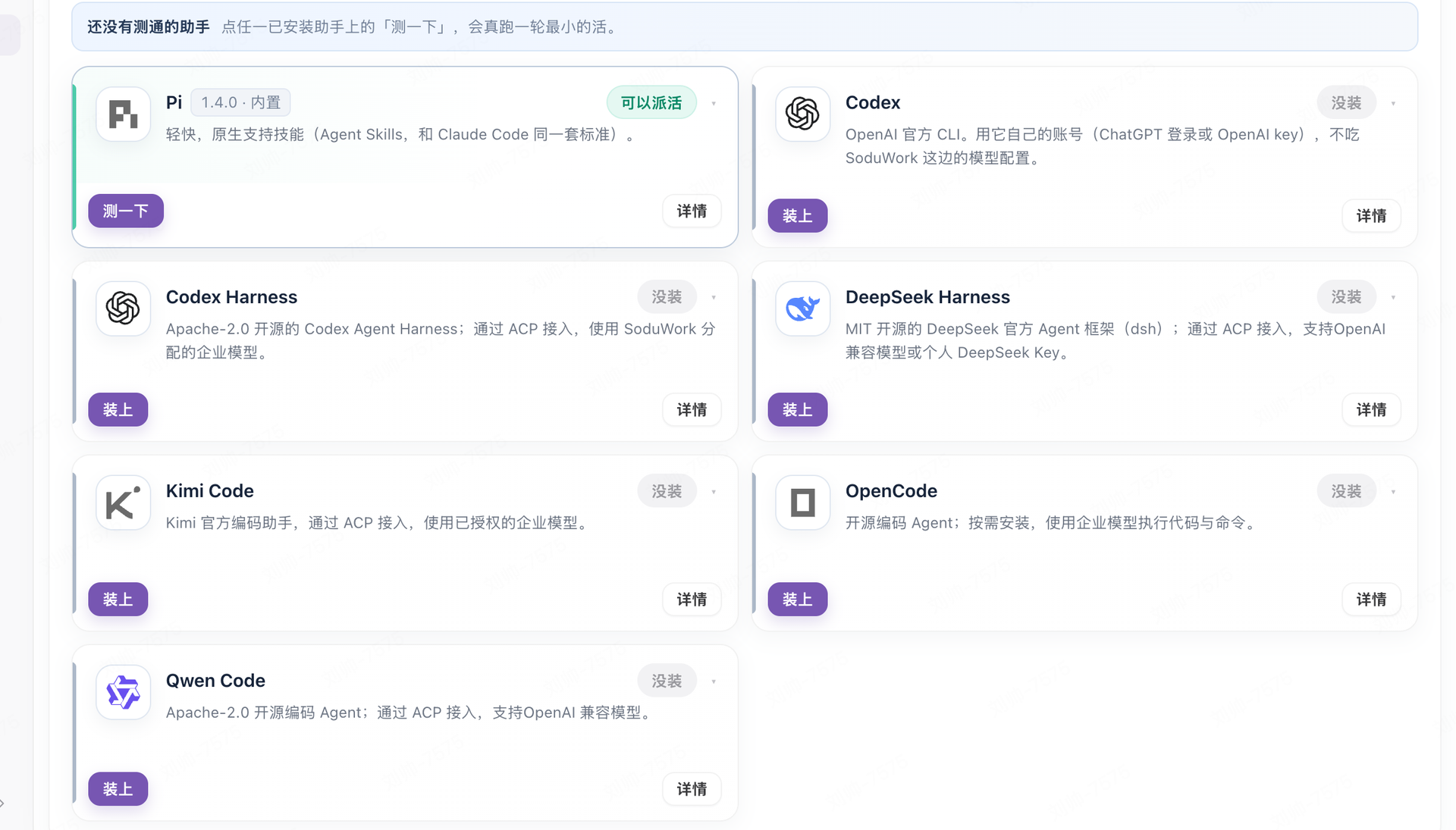
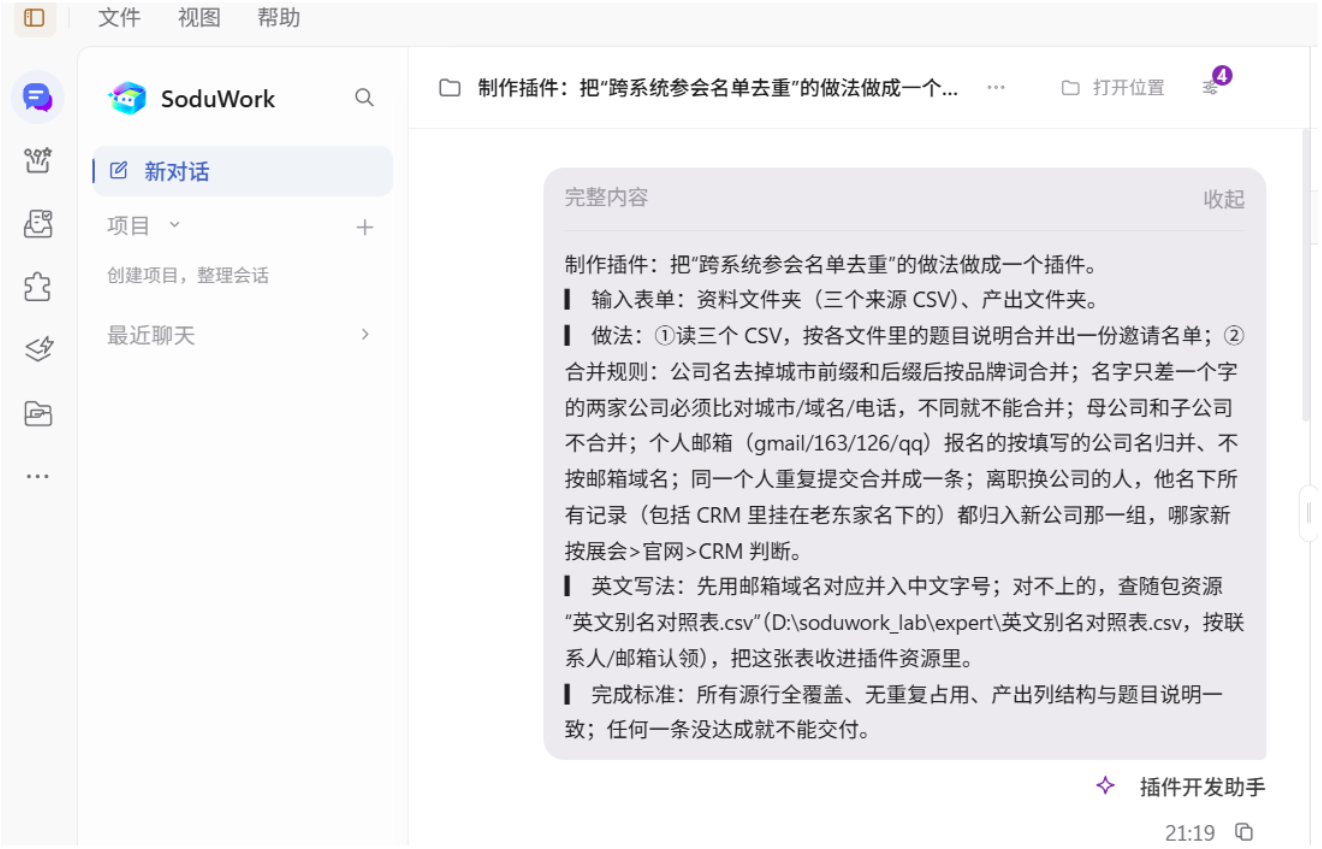
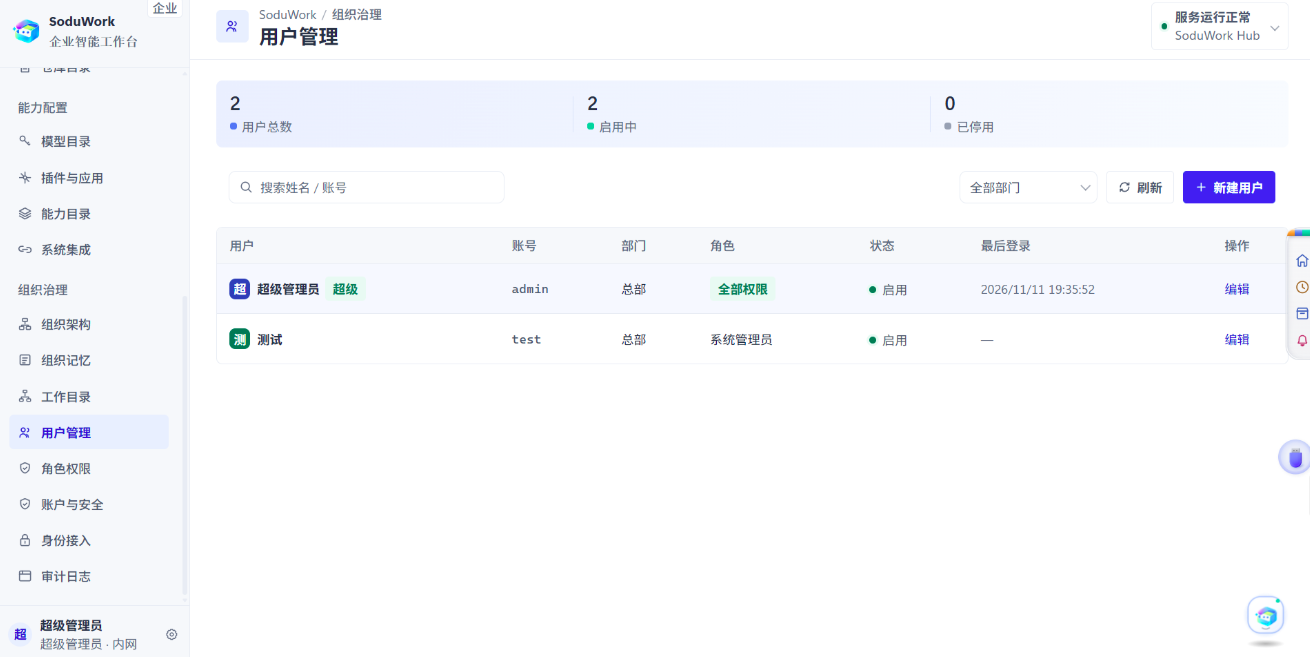
When an AI agent says the job is done, SoduWork makes a second agent check the work against your acceptance criteria and a person sign off before the request closes. You file a request, AI refines it and drafts the criteria, and you assign it to yourself, a colleague, or an agent. A failed review sends the work back with reasons. Seven harnesses are supported: Pi, OpenCode, Qwen Code, Kimi Code, DeepSeek Harness, Codex Harness, and Codex. Switch between them mid-conversation without losing history or the working folder, and any program that speaks the Agent Client Protocol joins through a catalog entry. Routine steps run on cheap or local models, hard ones on strong models, and long tasks move to a cloud runner on a server you provide. Save a chat that went well as a versioned plugin with inputs, workflow steps, and acceptance criteria, then submit it for review, grant it to chosen people, or revoke it. Plugin Developer drafts plugins from a description in chat, and the catalog already covers documents, slide decks, spreadsheets, deep research, PDF work, meeting minutes, and code repair. Admins get roles, usage and cost tracking, a model catalog, and an audit log, and connectors reach business systems through OAuth sign-in, OpenAPI documents, and MCP servers. Running on a dedicated VPS on RepoCloud with guaranteed CPU, RAM, and SSD, full root SSH access, and a browser serial console. MIT licensed.
Benefits
- Review Before Anything Counts as Done
- Every request carries acceptance criteria, a separate AI review checks each one, and the requester signs off, so you verify results instead of rereading every output yourself.
- Mix Harnesses and Models Freely
- Choose a harness and model per step, switch mid-conversation while keeping history and files, and send cheap routine steps to local models and hard ones to stronger models.
- Turn Team Know-How Into Plugins
- A finished chat becomes a versioned plugin that is reviewed, granted to chosen teams or people, and revocable, so one person's working method becomes a team asset.
- Self-Hosted Hub Owns Your Data
- Issues, plugins, and chat history live in your own Hub, runs use short-lived credentials, and model requests go straight from the runner to the provider you configure.
Features
- Seven Agent Harnesses
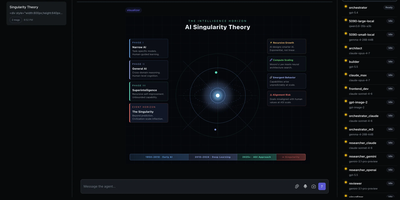
- Pi is built in, while OpenCode, Qwen Code, Kimi Code, DeepSeek Harness, Codex Harness, and Codex install on demand through native adapters or the Agent Client Protocol.
- Issues With Acceptance Criteria
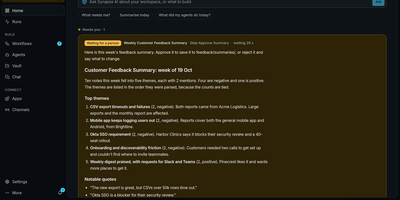
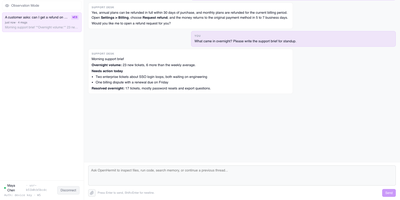
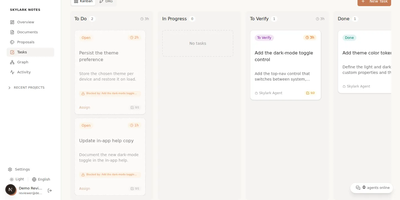
- A shared issue pool carries each request from refinement to assignment, execution, independent AI review, and requester sign-off, with a full record of who did what.
- Plugin Studio and Apps
- Plugins package inputs, workflow nodes, harness choices, and acceptance criteria as immutable versions, and plugin apps add their own window with an AI side panel.
- Hub, Runners, and Client
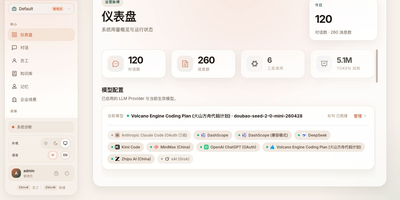
- A FastAPI Hub with a React admin console manages users and tasks, runners connect over WebSocket, and an Electron desktop client runs on Windows, macOS, and Linux.
- Cloud Runner Handoff
- Long tasks hand off to a cloud runner you provide; working files, conversation, and the goal move across, though running processes and browser sessions stay behind.
- Connectors and MCP
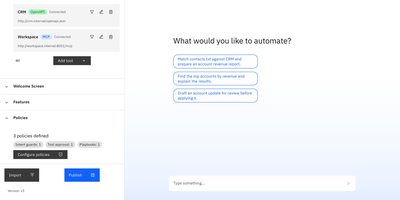
- Business systems connect through OAuth connectors, OpenAPI-based REST APIs, and MCP servers, with skills and MCP configuration creatable in chat.