Categories
self-hosted devtools version control source code management subversion git hosting mercurialStars
Forks
Watchers
Developer links
SCM-Manager
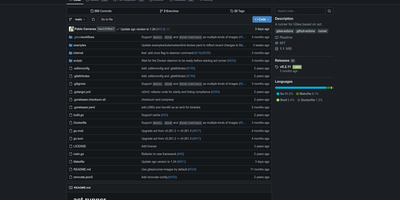
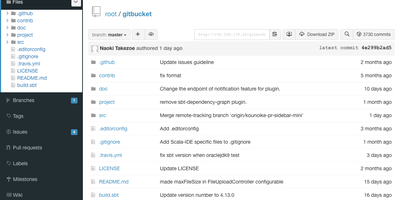
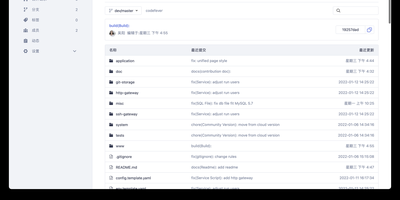
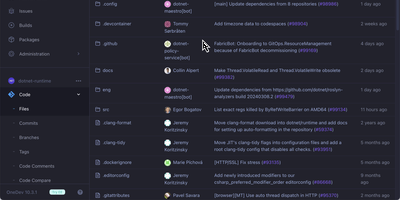
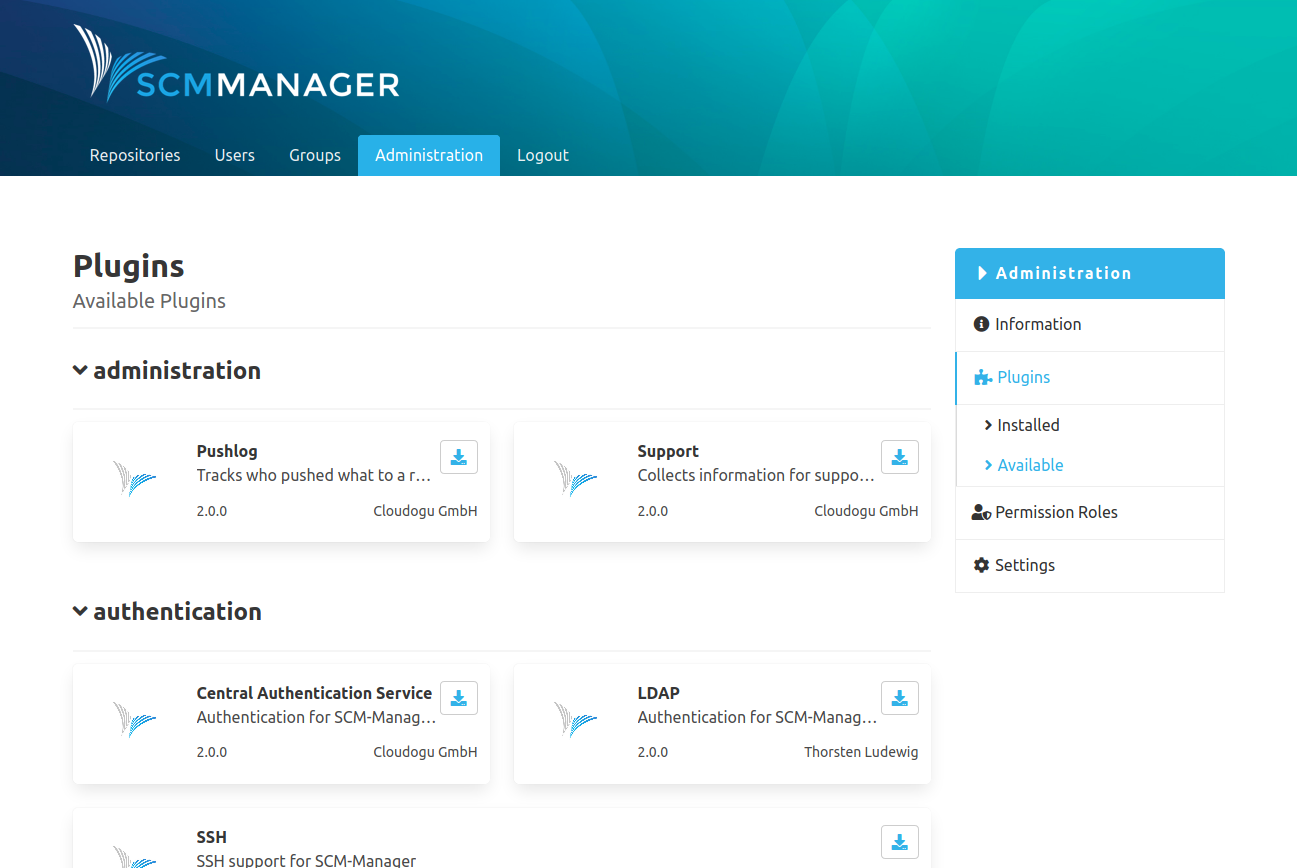
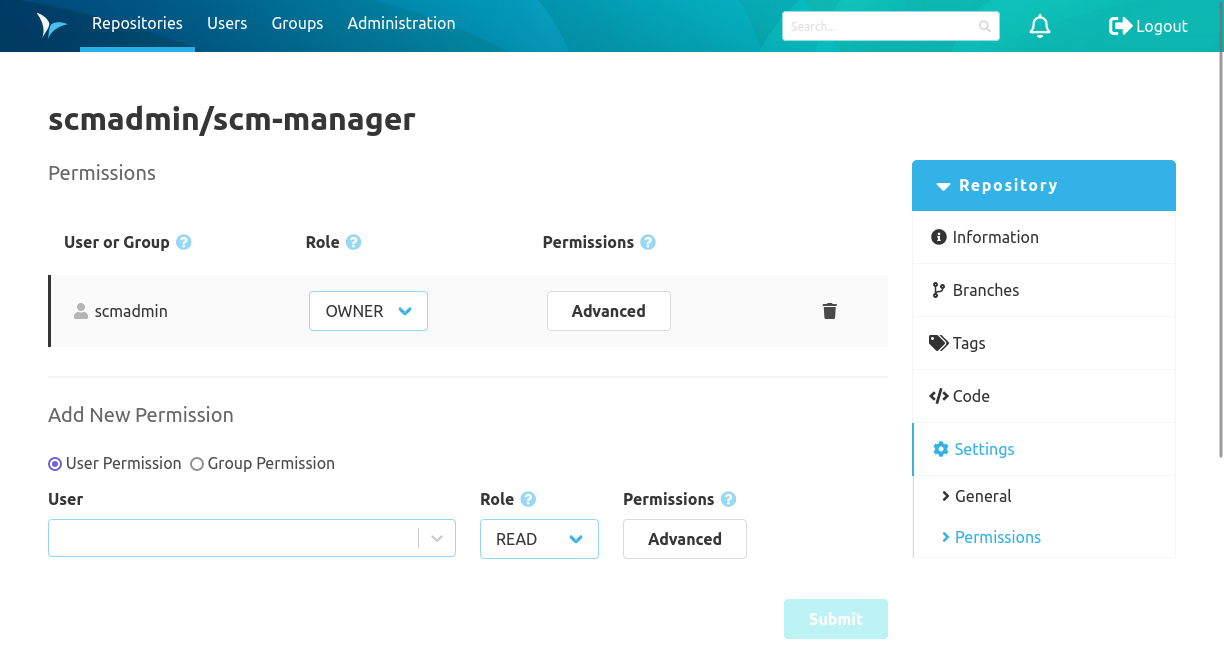
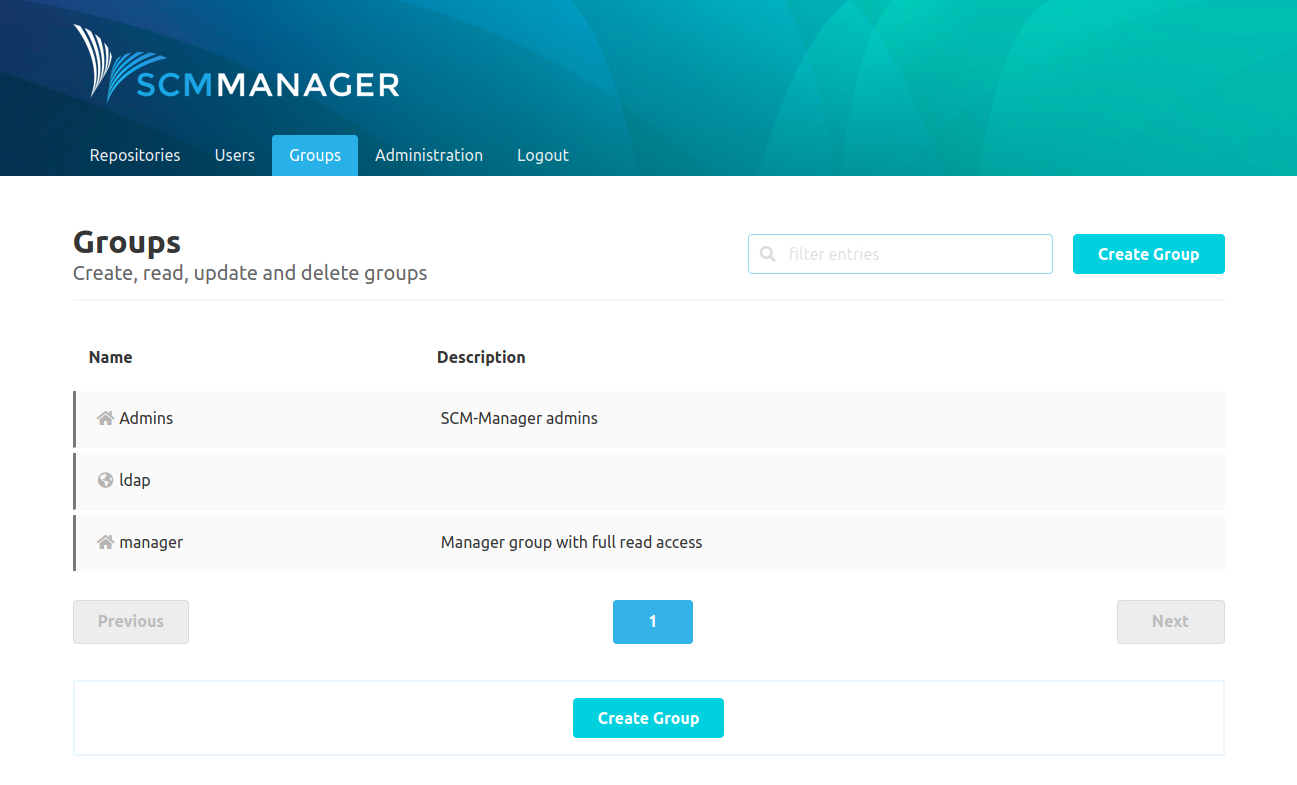
SCM-Manager puts Git, Mercurial, and Subversion repositories behind one web interface, so modern projects and legacy archives live on the same server under the same accounts and permissions. Create or import repositories into namespaces, then browse code, commits, branches, tags, and diffs in the browser instead of cloning just to look around. Central user and group management applies fine-grained permissions per namespace and repository, so contractors see the one project they joined and nothing else. Everything in the interface can also be driven through a Level 3 REST API, which makes bulk repository creation, permission audits, and migration scripts ordinary HTTP calls. Plugins installed from the built-in plugin center add pull-request style code review, build status from your CI, links into issue trackers, and extra authentication providers. Configuration happens entirely in the web interface, with no config files to edit and no separate database or web server to install first. Old Subversion and Mercurial repositories keep working beside new Git projects, which ends the usual two-server split during a long migration. The embedded account system works on its own, and authentication plugins take over when accounts already live in another directory your organization runs. Running on a dedicated VPS on RepoCloud with guaranteed CPU, RAM, and SSD, full root SSH access, and a browser serial console. AGPL-3.0 licensed.
Benefits
- Three Version Systems One Interface
- Git, Mercurial, and Subversion repositories are created, browsed, and permissioned the same way in one web interface, so legacy archives and new projects stop needing separate servers and separate accounts.
- Permissions Down To Repository
- Central users and groups combine with fine-grained rights per namespace and repository, giving each team and contractor exactly the read or write access their work requires and nothing beyond it.
- Every Function Has API
- A Level 3 RESTful API covers the same functions as the web interface, so repository provisioning, permission audits, and migrations become repeatable scripts instead of manual clicking.
- Plugins Instead Of Forking
- The plugin center adds code review, CI build status, issue tracker links, and authentication providers, and a simple plugin API covers the internal workflow nobody else has.
Features
- Git Mercurial Subversion Hosting
- Repositories of all three systems are served over HTTP from one installation, with namespaces, imports, and identical management for each type.
- Code And History Browser
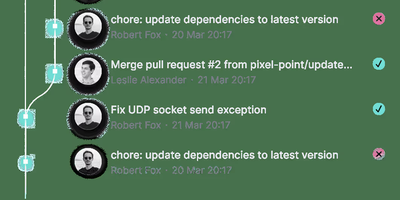
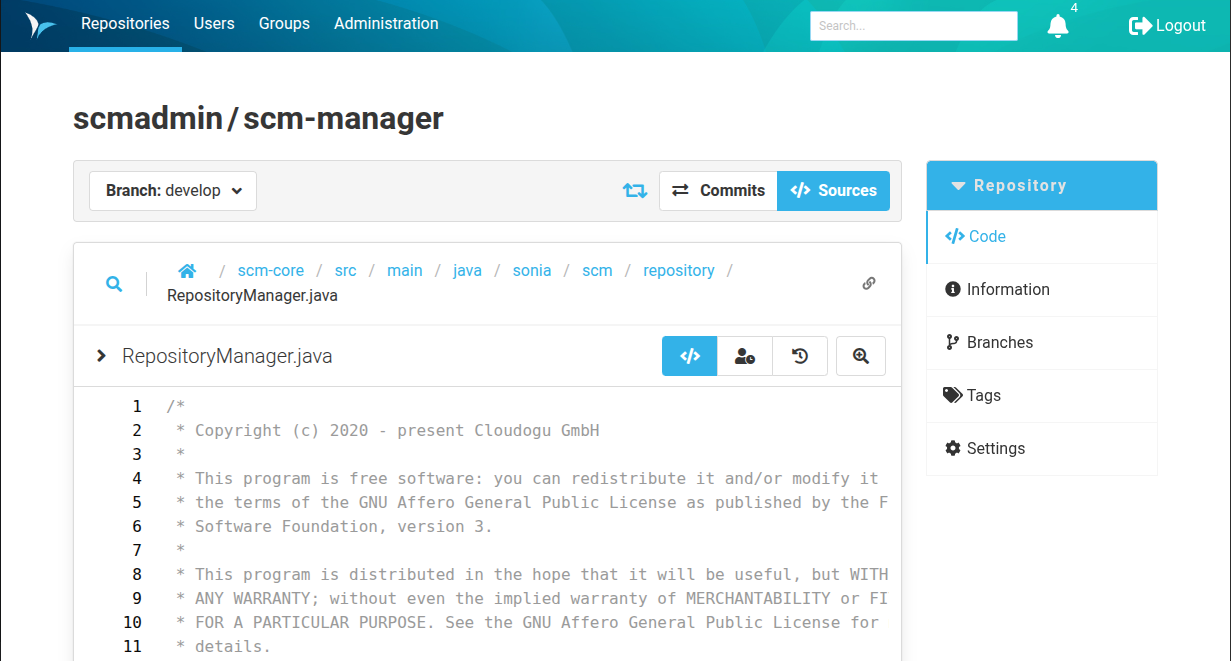
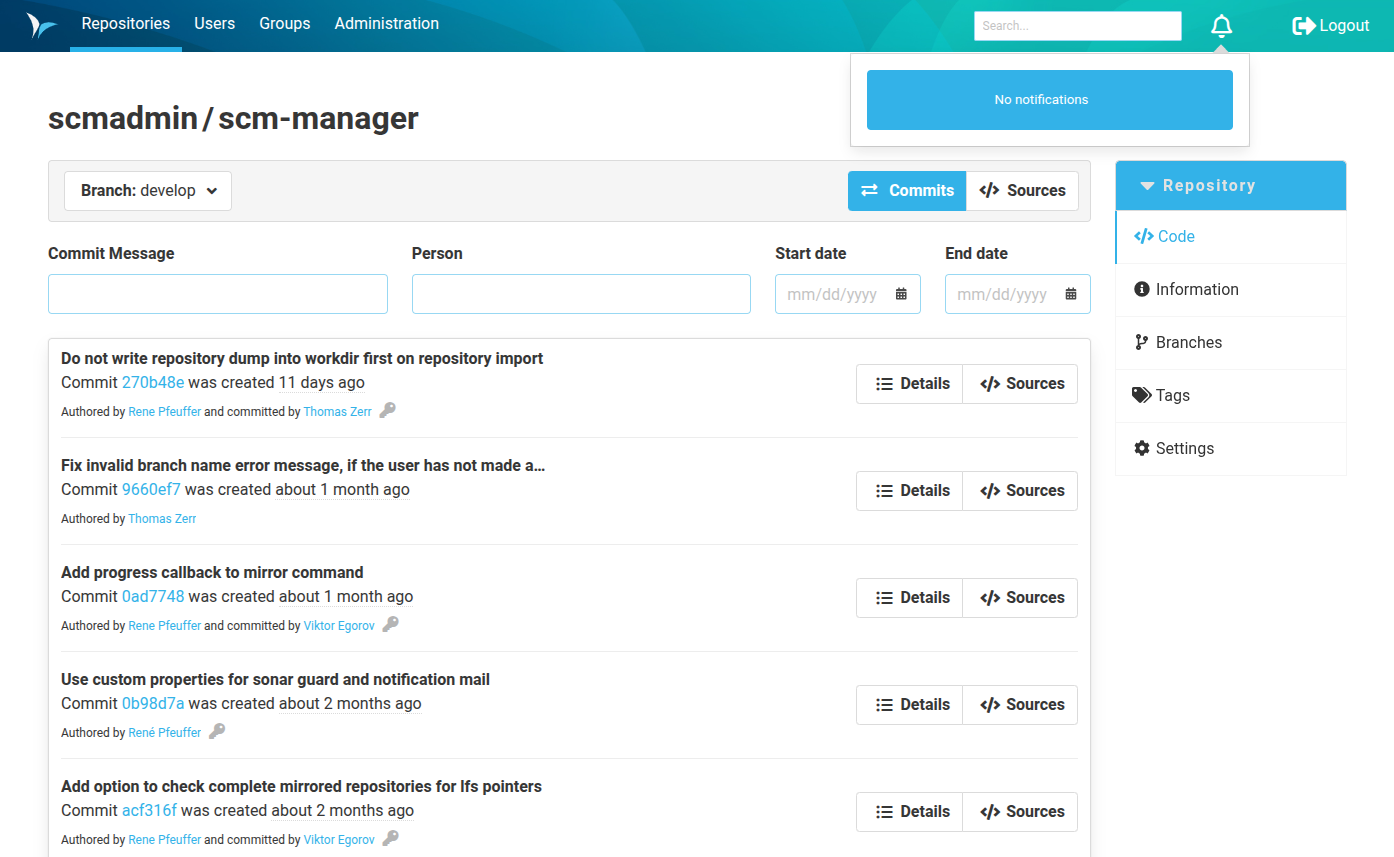
- Browse sources, commits, branches, tags, and diffs in the web interface, including syntax views that answer quick questions without a local clone.
- Users Groups Permissions
- Manage users and groups centrally and grant fine-grained permissions globally, per namespace, or per repository from the administration area.
- REST API Level 3
- A hypermedia REST API in JSON and XML exposes every SCM-Manager function for automation, integration, and migration tooling.
- Plugin Center Extensions
- Install plugins for pull-request review, CI integration, issue trackers, authentication, and workflow rules directly from the interface.
- No Database Required
- SCM-Manager runs without Apache, an external database, or a cache server, and every setting is configured through its web interface.