Categories
Developer Tools AI Agents MCP Server RAG Workflow Engine LLM Orchestration Visual Programming AI PipelinesStars
Forks
Watchers
Developer links
RocketRide
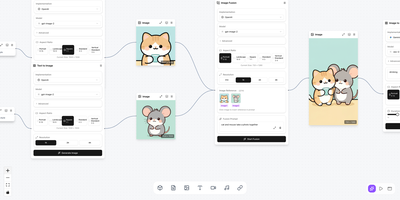
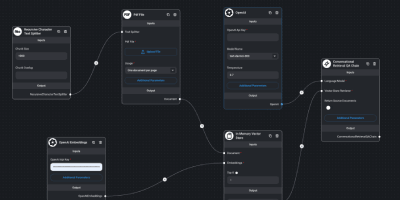
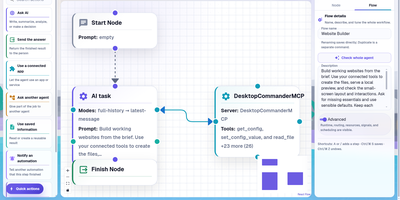
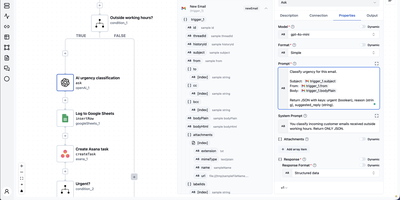
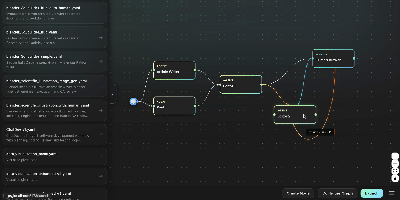
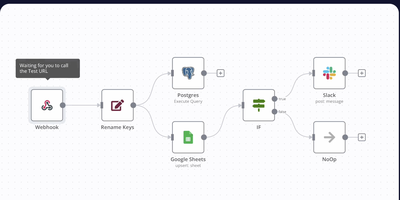
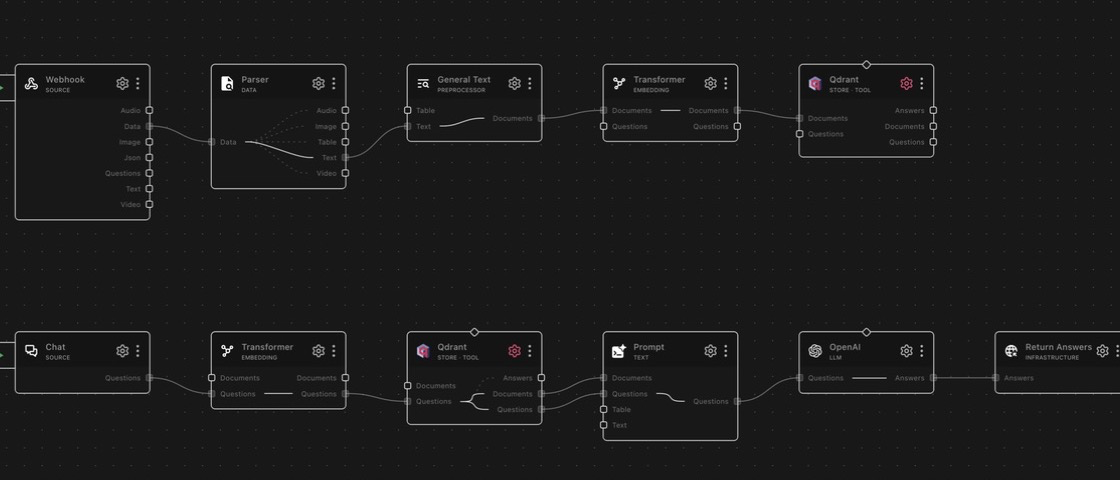
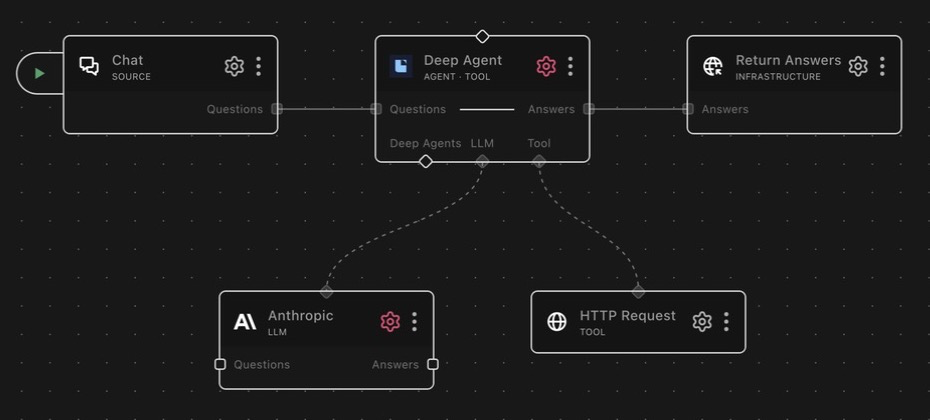
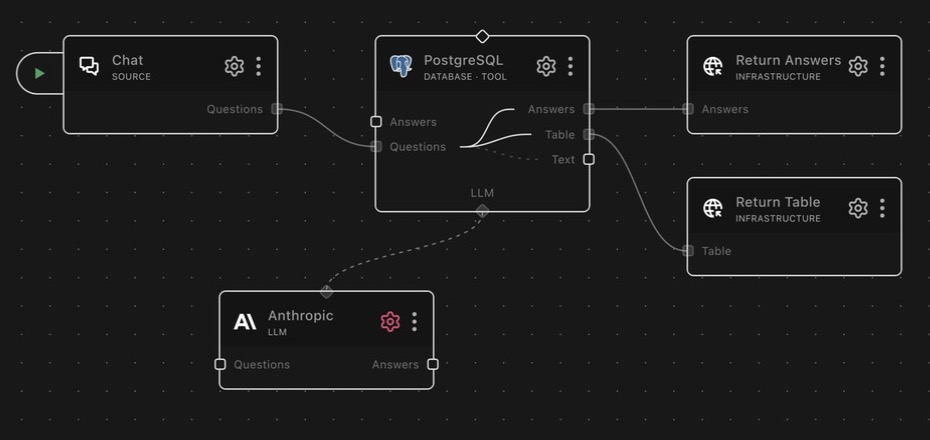
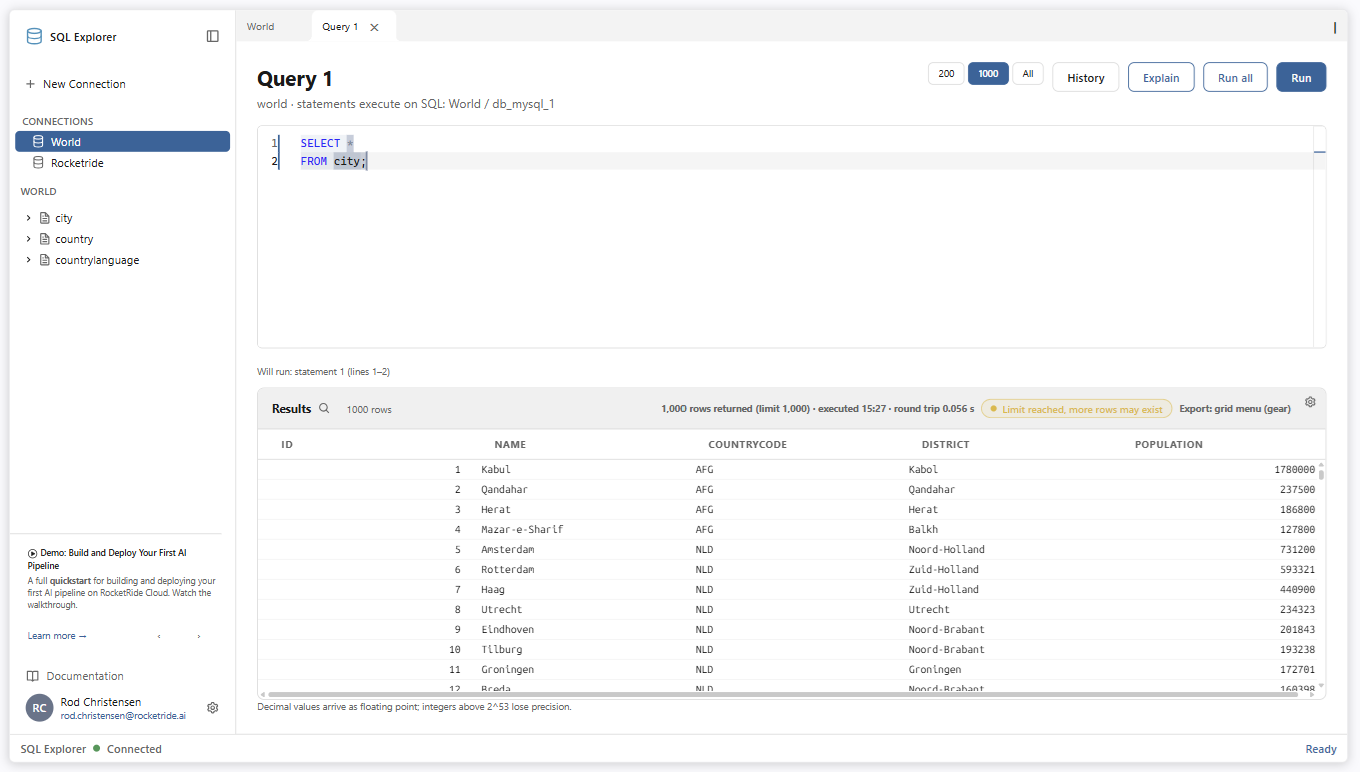
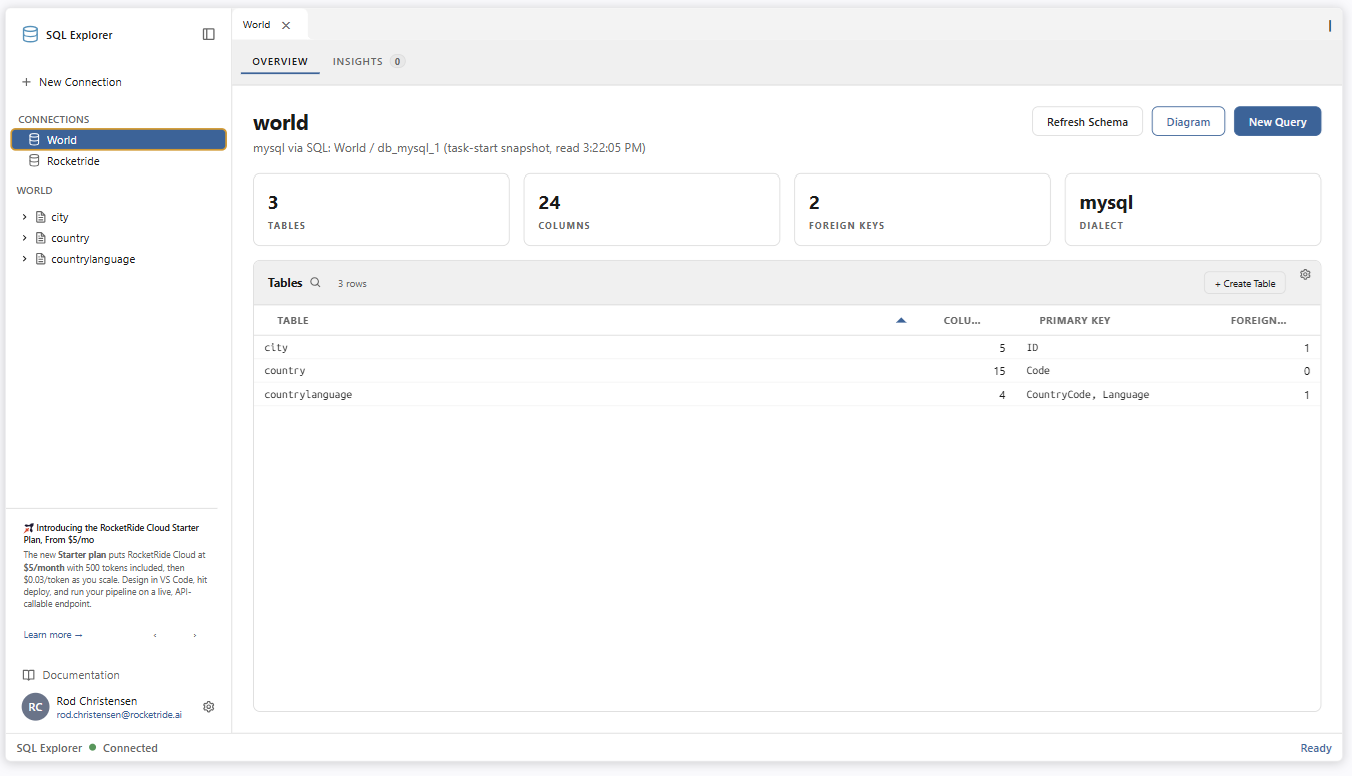
Building an AI pipeline in RocketRide means dragging nodes for models, vector stores, document parsers, and agents onto one visual canvas and wiring their typed lanes together, with no boilerplate in between. Press play on a webhook, chat, or file-dropper source node to start the pipeline. The catalog holds 170 nodes across 21 types, including 16 LLM nodes for OpenAI, Anthropic, Gemini, Mistral, and Ollama, vector stores such as Qdrant, Pinecone, Milvus, and pgvector, OCR, entity recognition, PII anonymization, reranking, and database connectors. Agent nodes run CrewAI, LangChain, LlamaIndex, or Deep Agents, and a persistent memory node carries context from one run to the next. Every pipeline is plain JSON. Commit it, diff it, review it, then run the identical file on a laptop, a server, or RocketRide Cloud. Tracing shows call trees, token usage, latency, and memory for each run, so you can compare models, agents, and tools before scaling up. Applications call pipelines through TypeScript and Python SDKs, and coding agents such as Claude and Cursor can build, change, and deploy them in plain language. Example pipelines cover document intake that reads text from scans and masks personal data, question answering over private files, and agent workflows, while Discord and Telegram source nodes feed chat bots into the pipeline. Running on a dedicated VPS on RepoCloud with guaranteed CPU, RAM, and SSD, full root SSH access, and a browser serial console. MIT licensed.
Benefits
- Portable Pipelines Run Anywhere
- Pipelines are plain JSON .pipe files that execute identically in your IDE, in a Docker container on a VPS, or on RocketRide Cloud, so moving from prototype to production needs no rewrite.
- Full Data Control and Residency
- Self-host the engine on your own infrastructure so prompts, documents, and model calls stay inside your network, optionally air-gapped with local models served through Ollama.
- Observe Every Pipeline Run
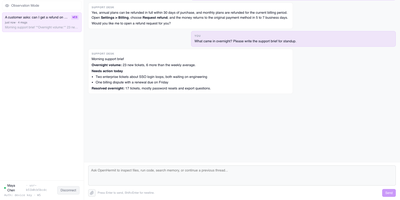
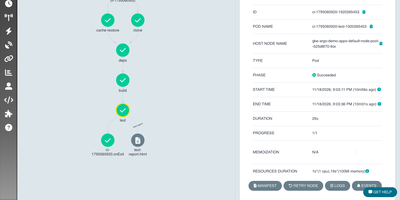
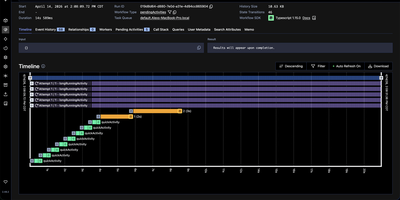
- Trace call trees, token usage, LLM calls, latency, and memory consumption for each running pipeline, then compare models, agents, and tools before scaling a workflow into production.
- Swap Models Without Code Changes
- Because behavior lives in each node's provider and config, swapping OpenAI for Anthropic, Gemini, or a local Ollama model, or Qdrant for Pinecone, is a configuration edit rather than a code change.
Features
- Visual Pipeline Canvas
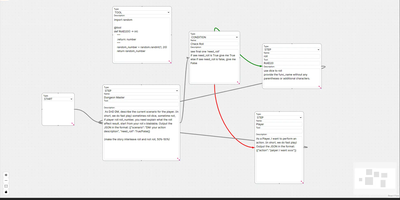
- Rocket Builder renders .pipe files as a node graph inside your IDE, where you wire typed lanes and run a pipeline with the play button on its source node.
- Multithreaded C++ Engine
- A native multithreaded C++ runtime runs independent nodes concurrently and streams data between them instead of buffering whole pipelines in memory, serving clients over WebSocket on port 5565.
- 170 Python-Extensible Nodes
- The catalog spans 16 LLM providers, vector stores like Qdrant and Pinecone, OCR, NER, PII anonymization, and rerankers, and each node is a small Python package you can extend.
- Built-In MCP Server
- The engine exposes pipelines as tools for AI assistants over the Model Context Protocol at /mcp, secured with a bearer API key, so Claude Code can run them.
- TypeScript and Python SDKs
- Official rocketride packages on npm and PyPI connect over WebSocket, so any application can start a pipeline, send data through it, and read the result in a few lines.
- Docker and Helm Deployment
- Run ghcr.io/rocketride-org/rocketride-engine as a container on a VPS, or scale out to a cluster with the Helm chart under deploy/helm/rocketride.