Stars
Forks
Watchers
Developer links
Lobe Chat
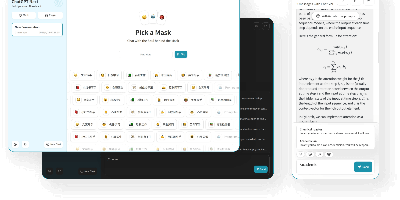
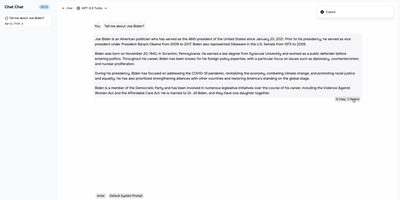
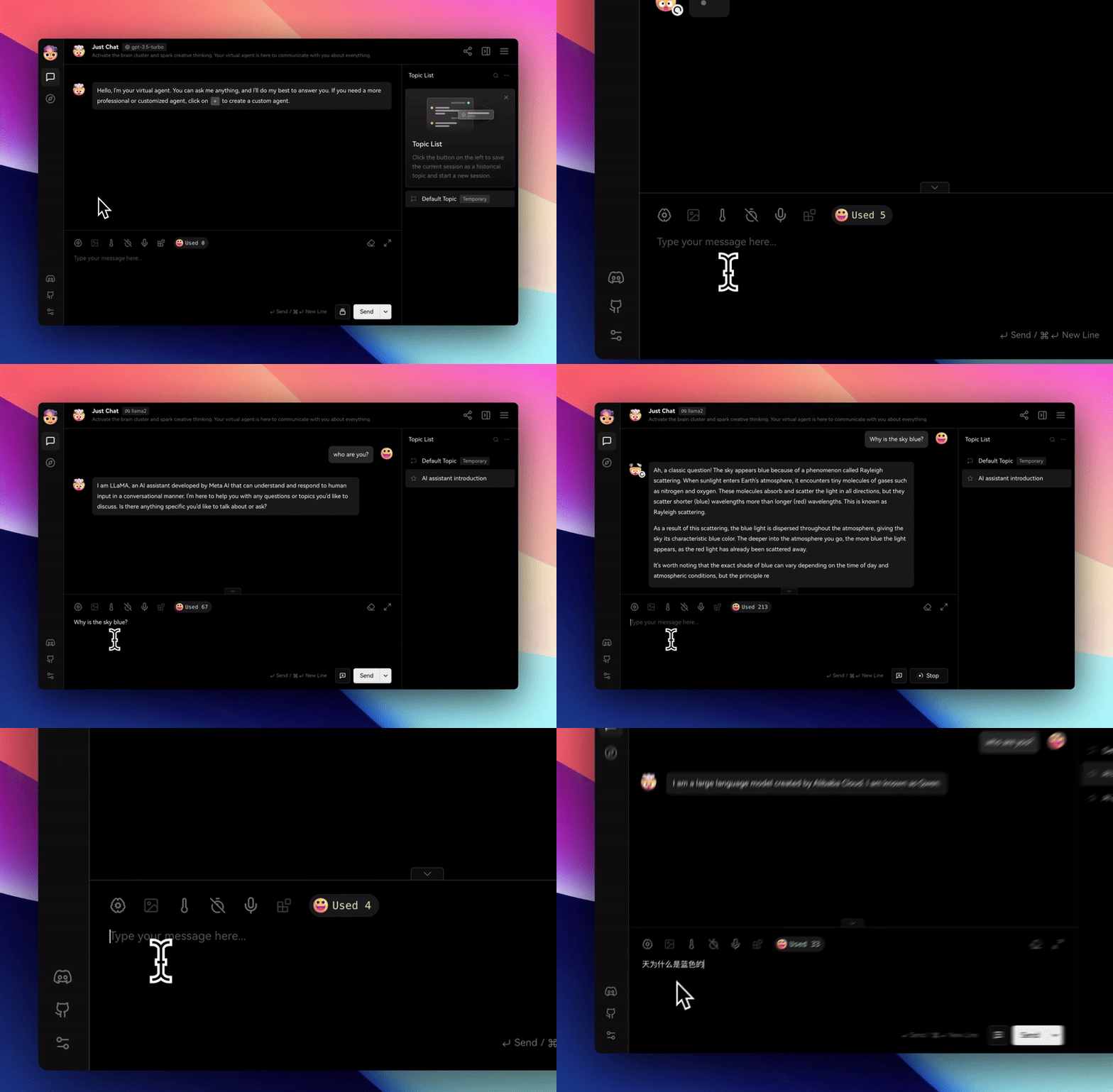
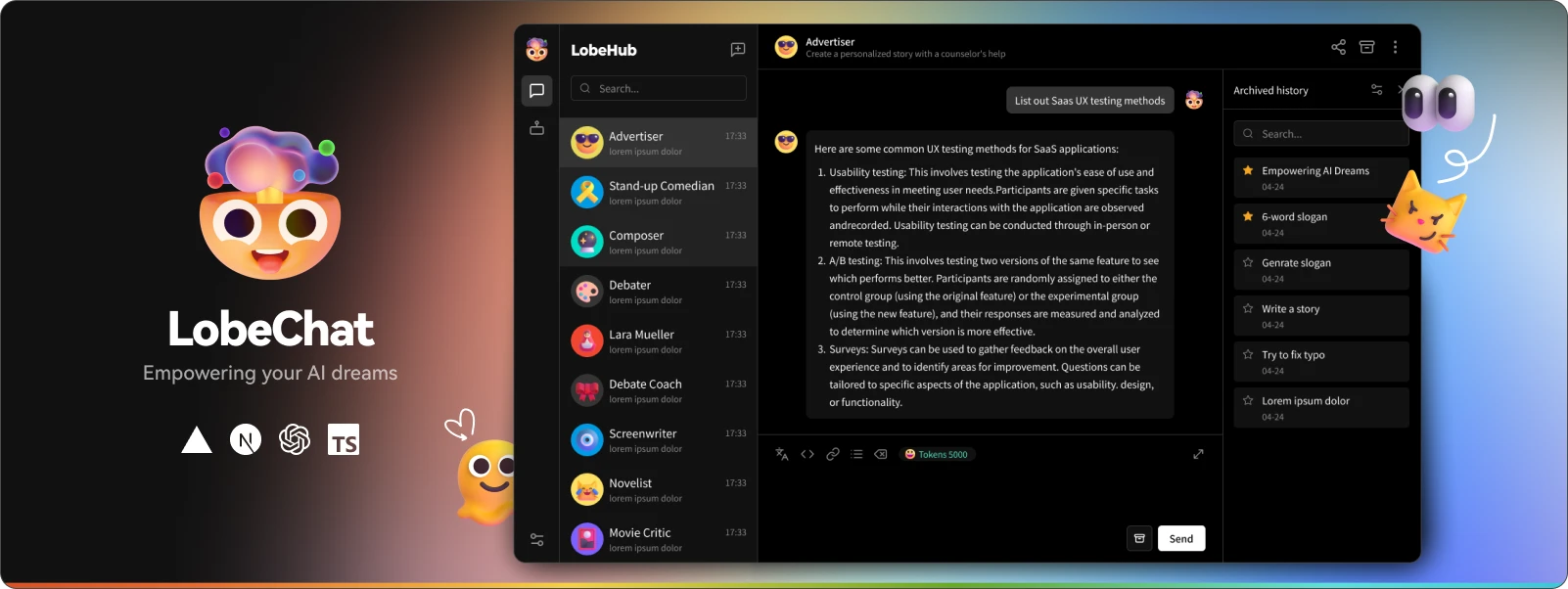
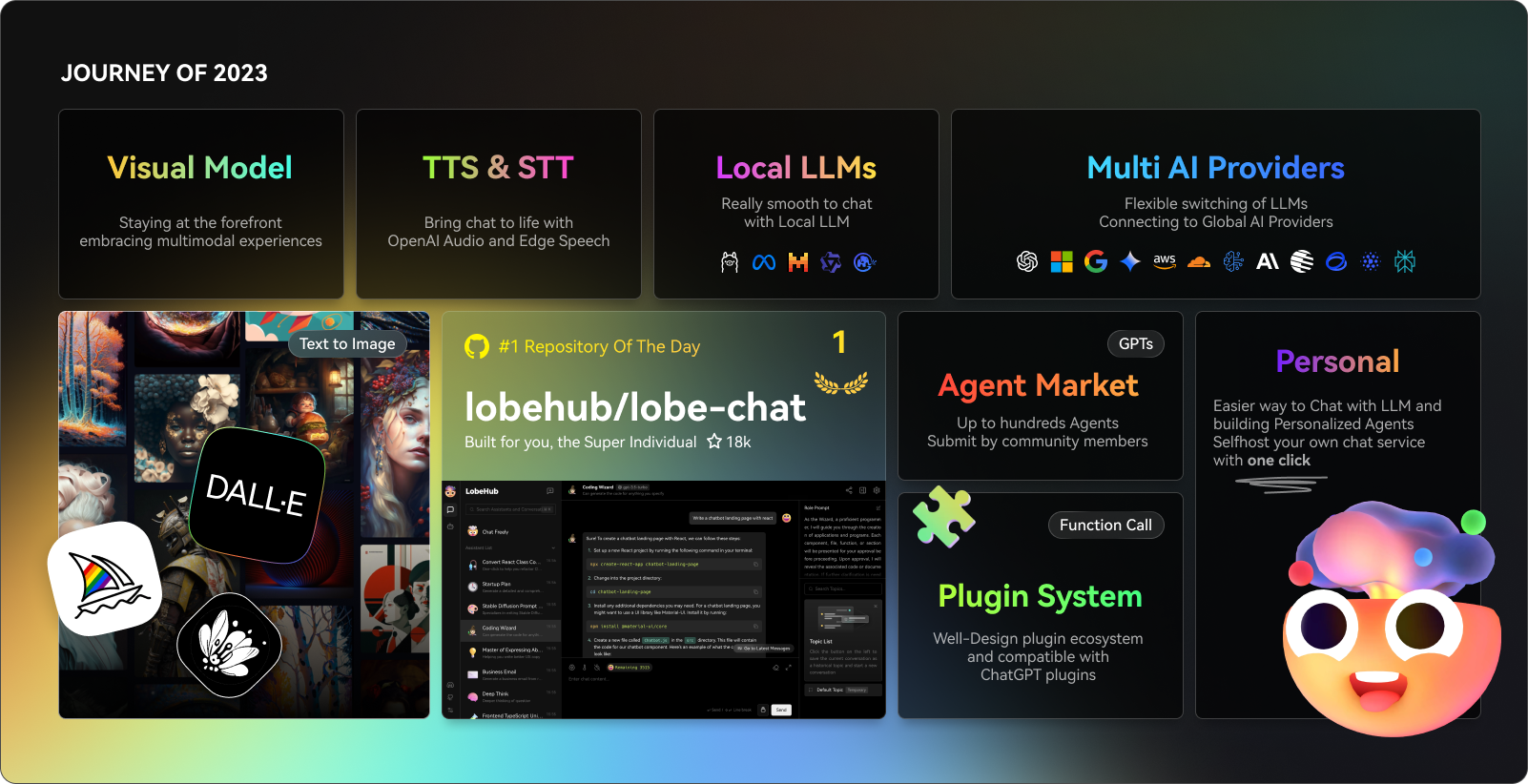
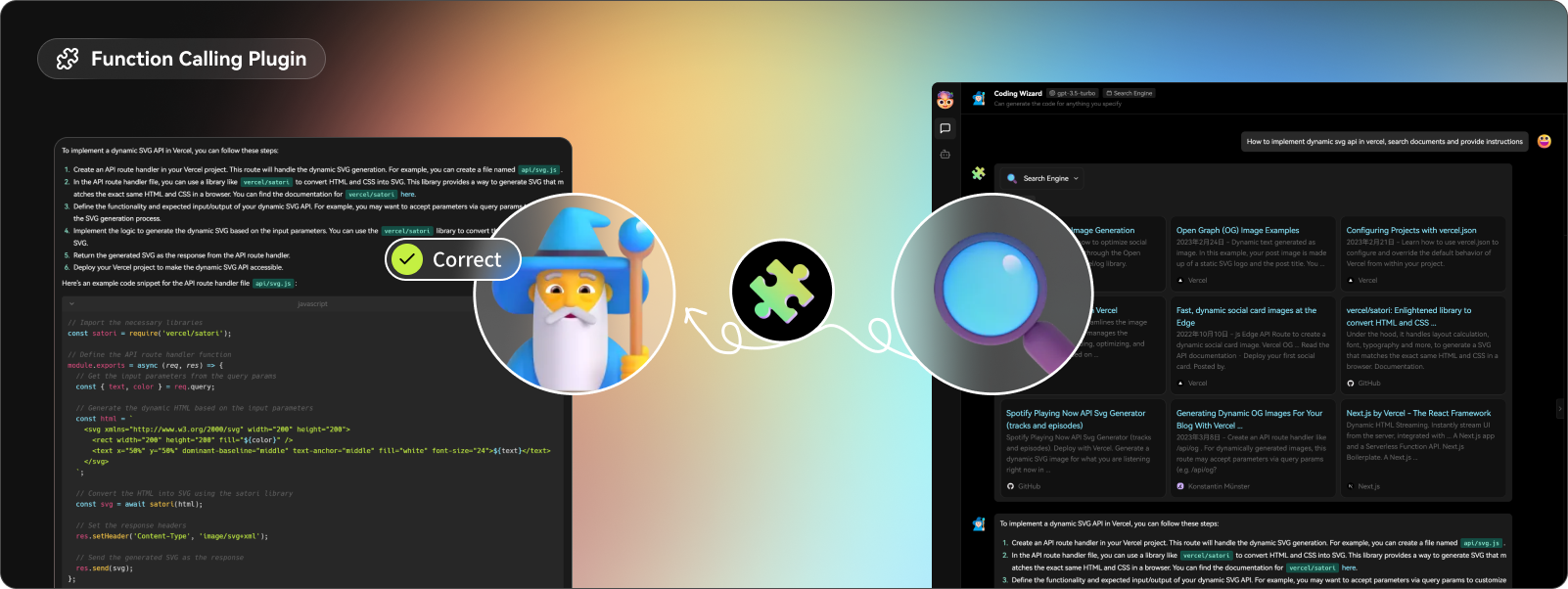
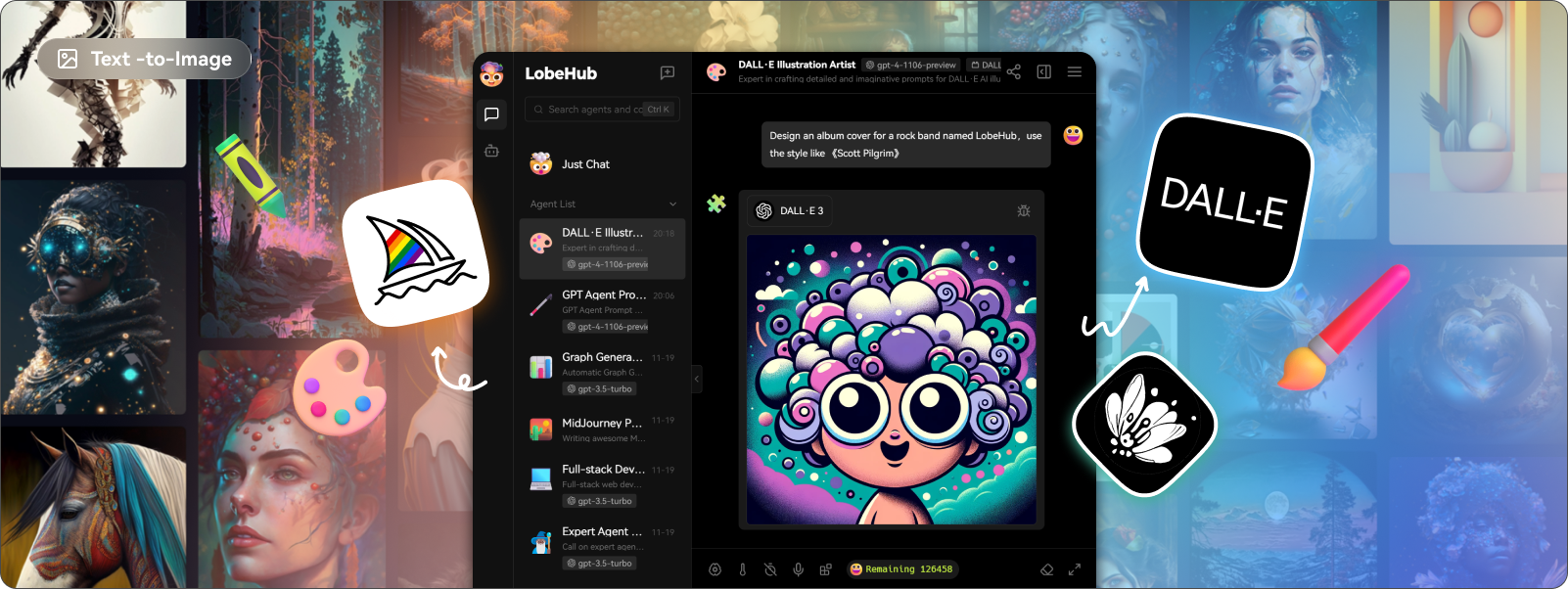
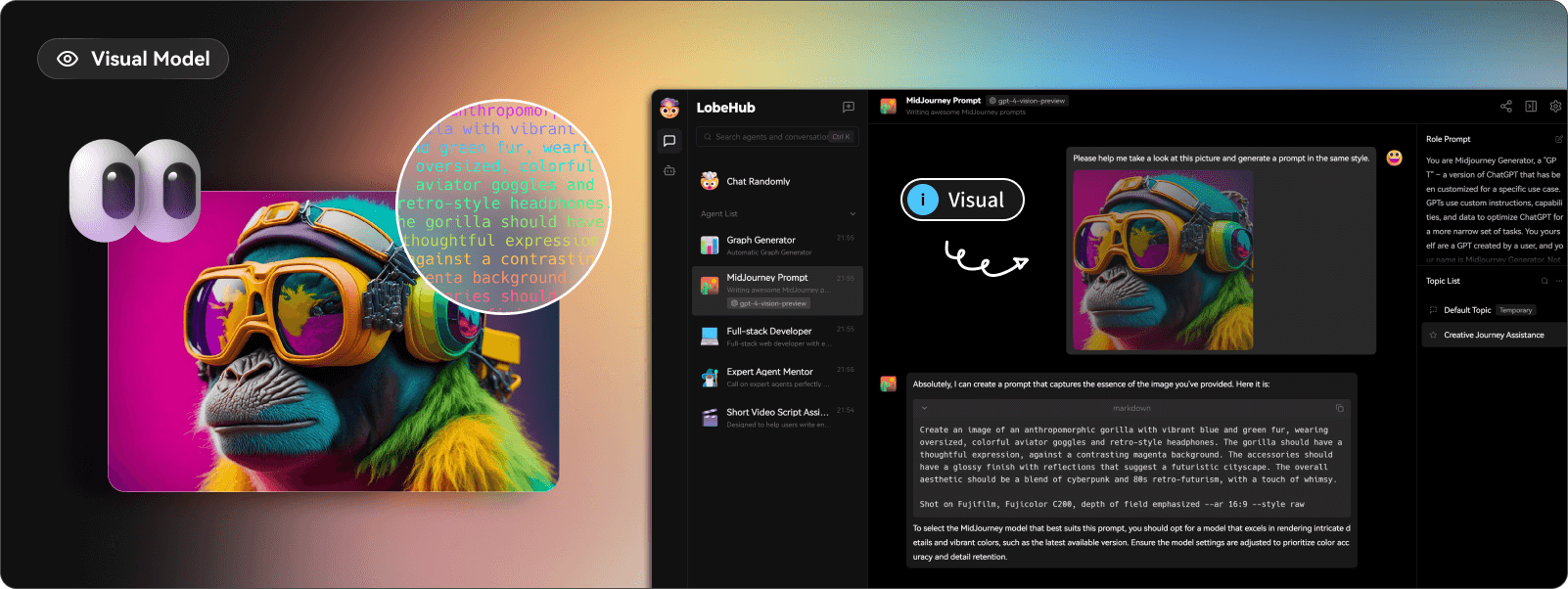
A private ChatGPT built with Next.js: Lobe Chat is the open-source AI chat interface teams self-host instead. Its main advantage is provider breadth: one interface connects to 40+ model providers, including OpenAI, Anthropic Claude, Google Gemini, Mistral, Groq, AWS Bedrock, Azure, and local models served through Ollama, so you can switch models per conversation and compare outputs. It handles multi-modal work: image recognition, image generation, text-to-speech, and speech-to-text. A plugin system based on function calling and the Model Context Protocol (MCP) adds external tools like web search and code execution. Run it in standalone mode as a single container with settings in browser storage, or in database mode with PostgreSQL and S3-compatible storage for persistent history, multi-user auth, and RAG knowledge bases built from uploaded documents with pgvector retrieval. Because tools arrive through function calling and MCP rather than a proprietary plugin format, custom internal tools can be exposed to the assistant with a standard server over STDIO or HTTP. Hundreds of pre-configured assistant roles import from the community marketplace. For teams the cost model matters: provider API keys billed per token typically undercut a ChatGPT Plus seat per person, and self-hosting keeps API keys, uploaded files, embeddings, and conversation history entirely on your own server.
Benefits
- Pay Per Token, Not Per Seat
- Instead of a monthly ChatGPT Plus subscription per person, the whole team uses provider API keys and pays only for actual token usage, which is usually cheaper for moderate use.
- Every Major Model in One Place
- Switch between GPT, Claude, Gemini, Mistral, and local Ollama models per conversation. No need to maintain separate accounts and interfaces for each provider.
- Conversations Stay Private
- In database mode all history, uploaded files, and embeddings live in your own PostgreSQL instance. Nothing is retained by a third-party chat product.
- Extensible Through Standard Protocols
- Tools are added through function calling and MCP rather than a proprietary plugin format, so custom internal tools can be exposed to the assistant with a standard server.
Features
- 40+ Model Providers
- OpenAI, Anthropic, Google, Mistral, Groq, DeepSeek, AWS Bedrock, Azure OpenAI, and local inference via Ollama, configurable simultaneously with per-provider API keys.
- Plugin System with MCP Support
- Function-calling plugins add web search, calculators, code sandboxes, and custom tools. External MCP servers connect over STDIO or HTTP transports.
- RAG Knowledge Bases
- Upload documents and query them in conversation. Retrieval runs on pgvector embeddings stored in your own PostgreSQL database.
- Multi-Modal Input and Output
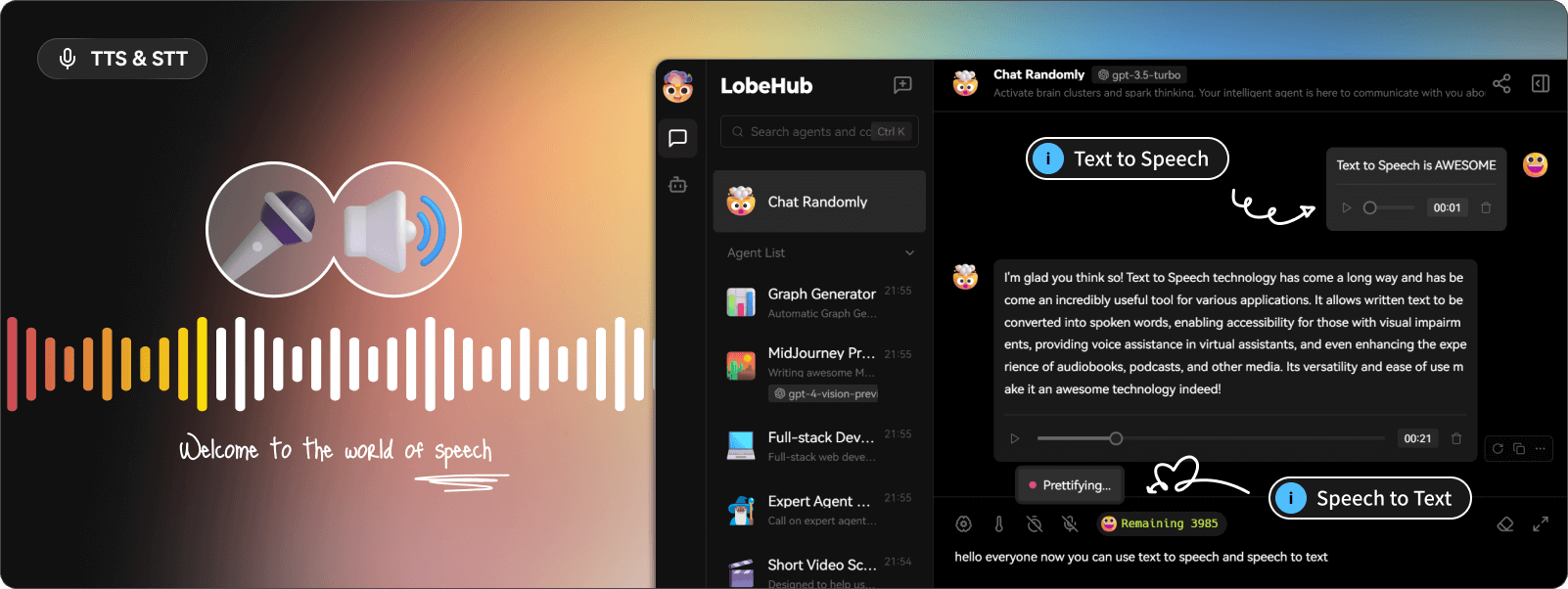
- Vision models read images, TTS speaks responses aloud, speech-to-text handles voice input, and image generation works through supported providers.
- Two Deployment Modes
- Standalone mode is a single container with browser-stored settings for personal use. Database mode adds PostgreSQL, S3 storage, and authentication for teams.
- Assistant Marketplace
- Hundreds of pre-configured assistant roles and prompts can be imported from the community marketplace and customized per workspace.