Stars
Forks
Watchers
Developer links
GoModel
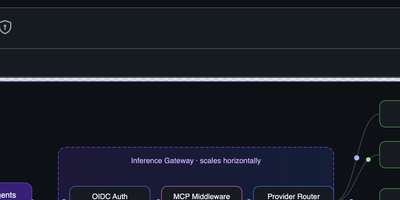
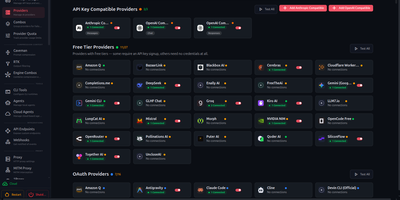
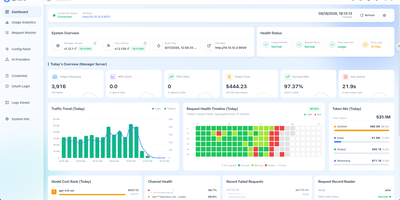
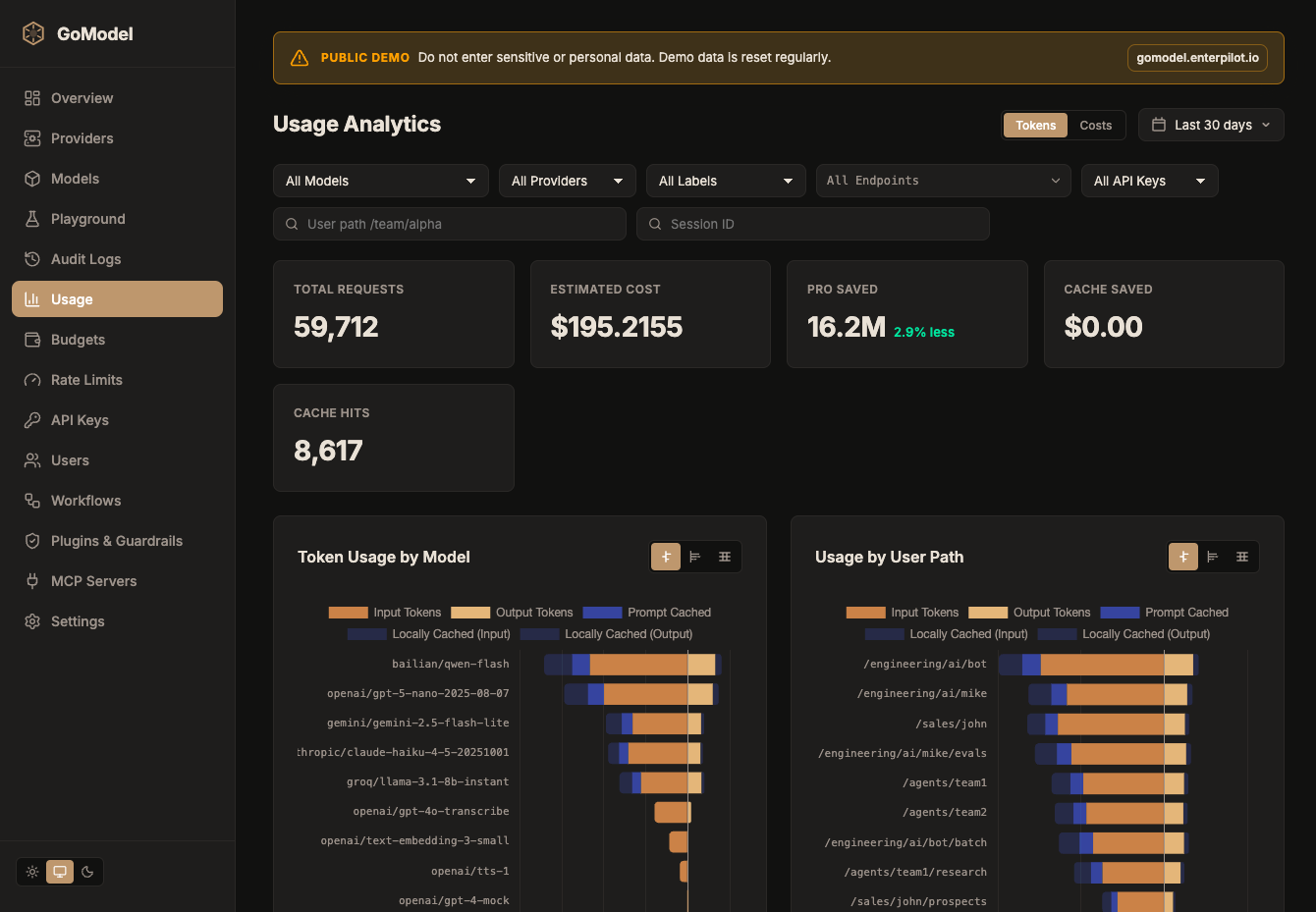
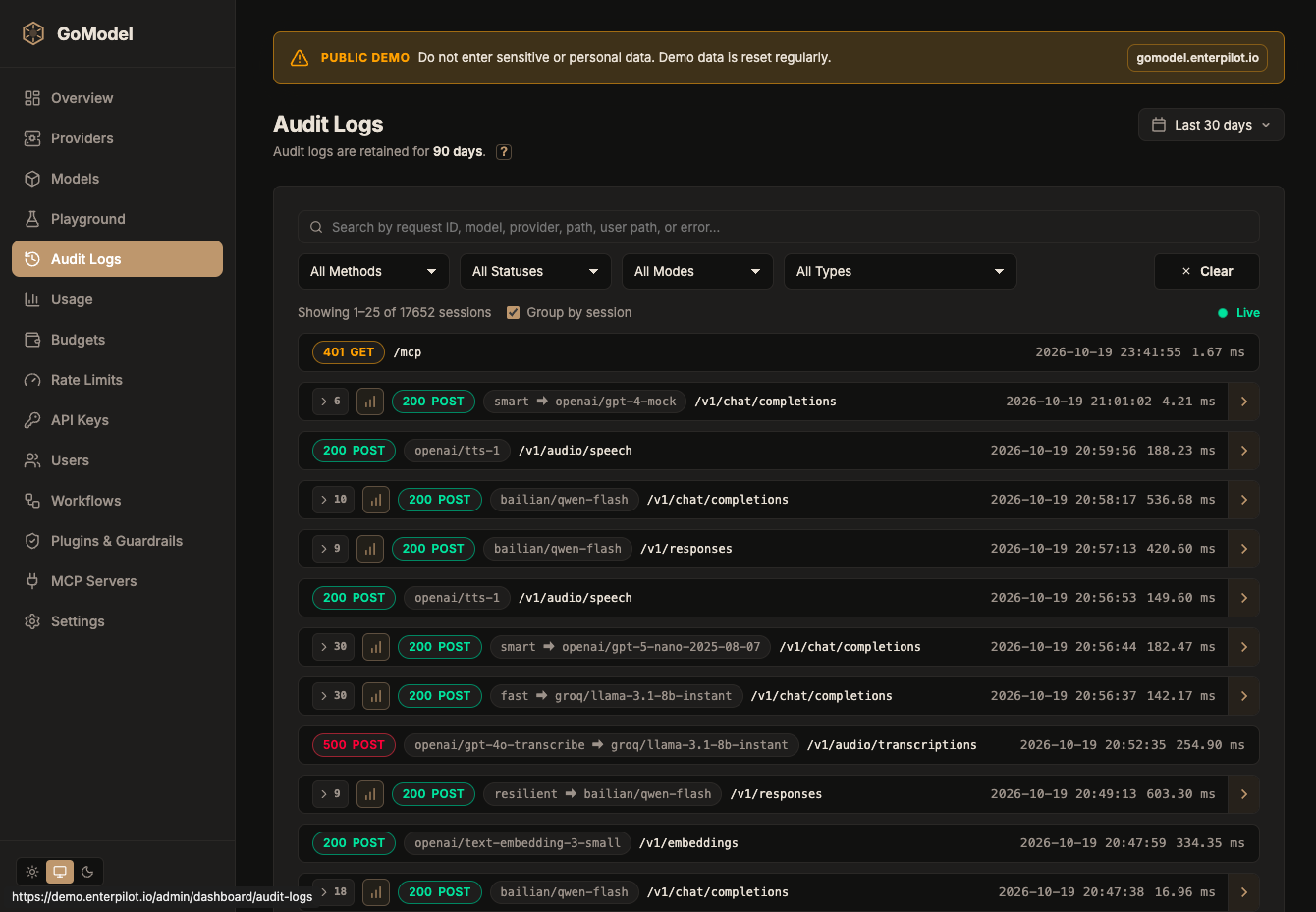
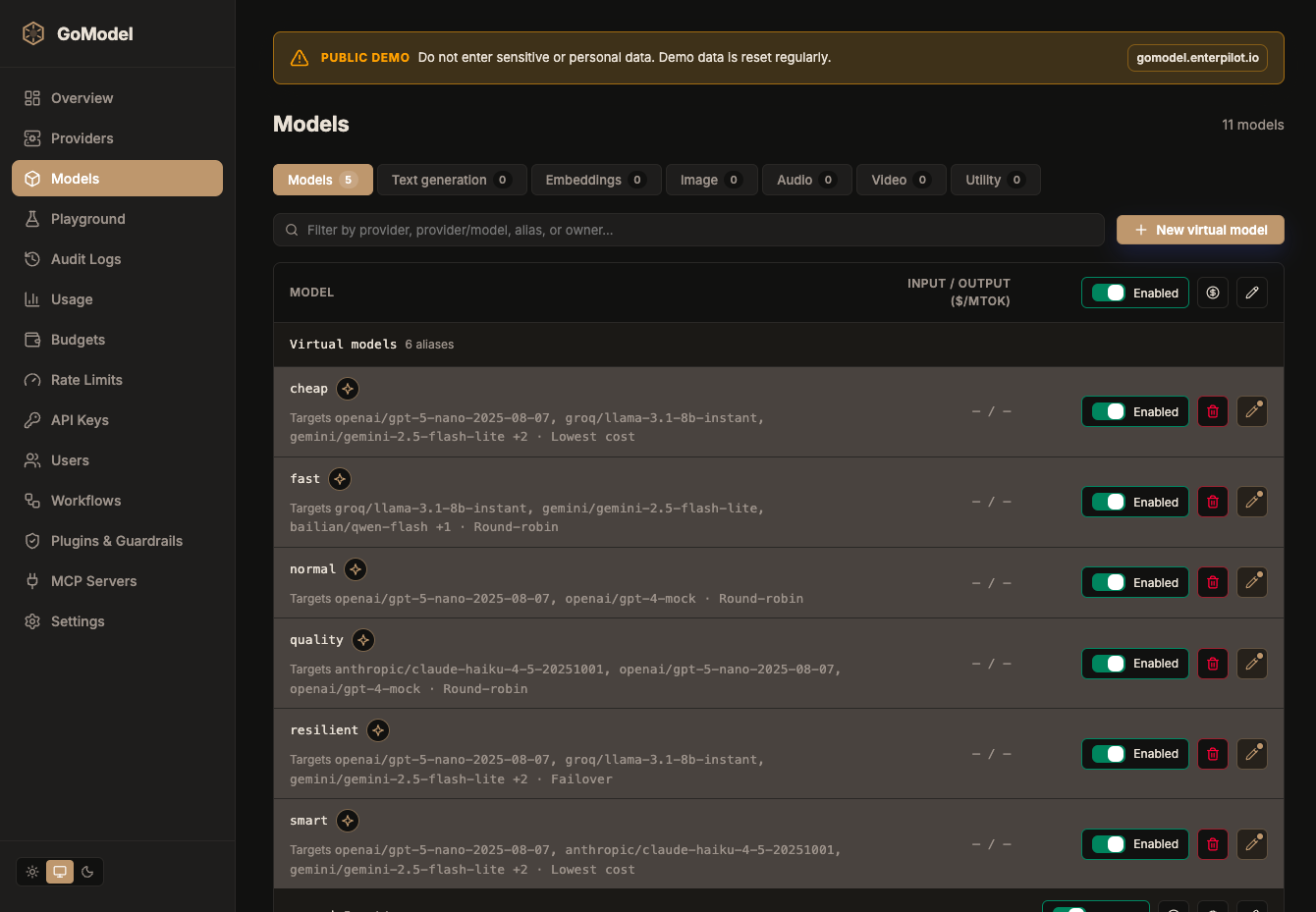
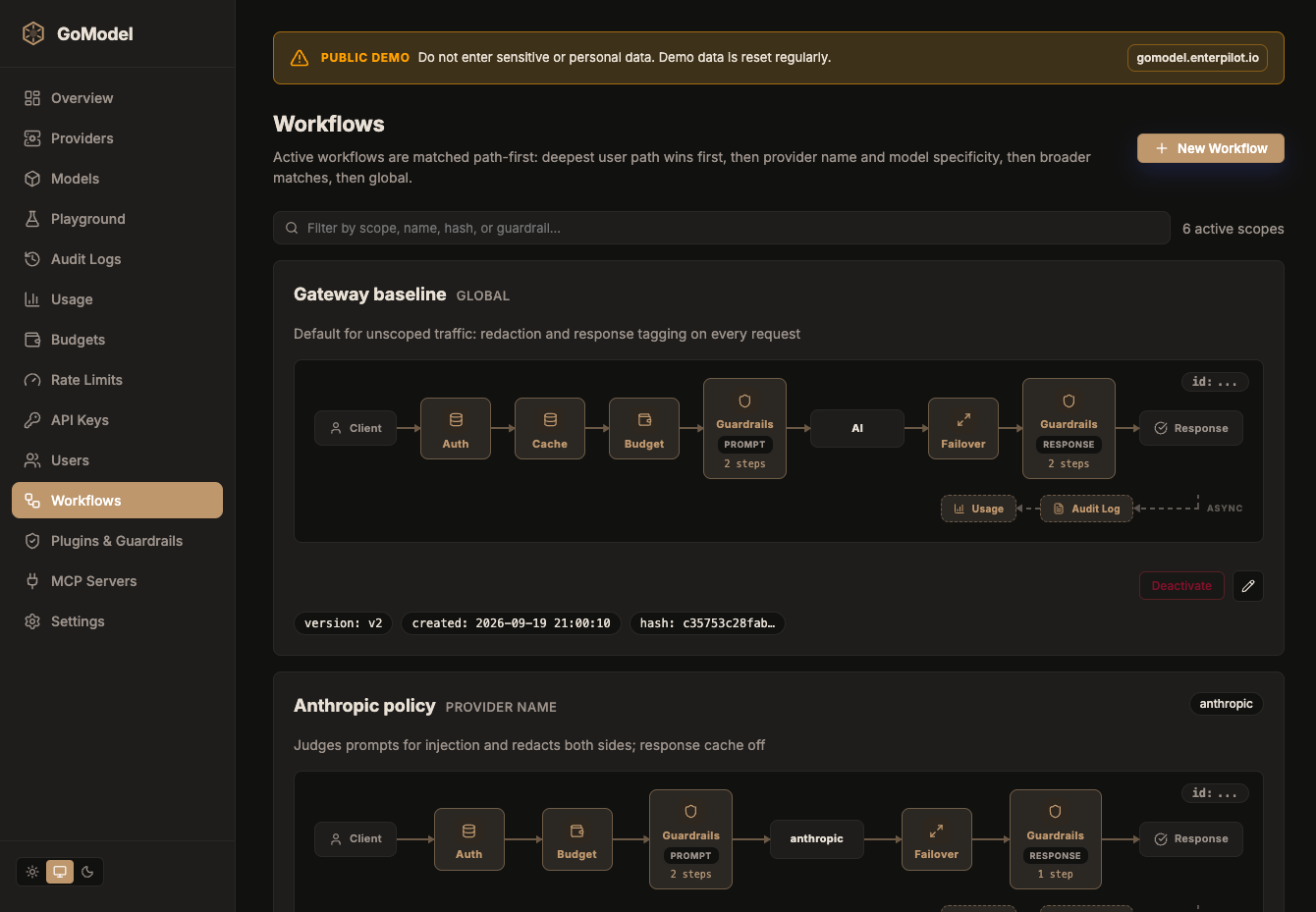
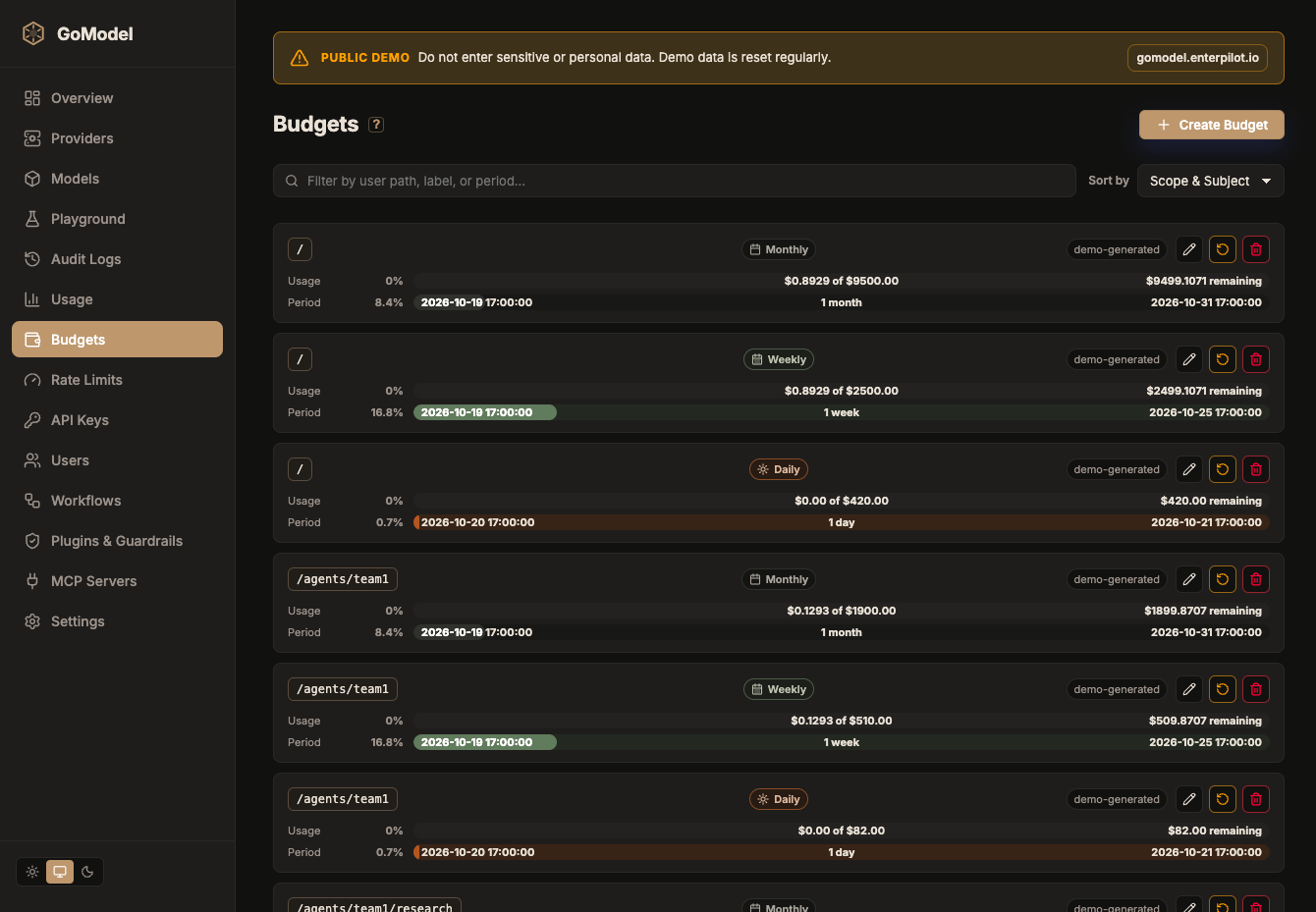
Instead of scattering provider credentials and vendor-specific SDK logic across dozens of microservices, engineering teams route every LLM call through GoModel, an open-source AI gateway that unifies 34 model providers behind OpenAI-compatible and Anthropic-compatible endpoints. Pointing existing OpenAI or Anthropic SDKs at the gateway unlocks chat completions, the Responses API, Anthropic Messages, embeddings, batch jobs, and realtime audio across OpenAI, Anthropic, Gemini, Bedrock, Azure, Groq, DeepSeek, Ollama, and vLLM. Platform operators publish virtual model aliases that distribute traffic via weighted round-robin or lowest-cost routing while rotating multiple API keys per provider and failing over through circuit breakers during upstream outages. Sticky session routing keeps multi-turn agent conversations on the same target to preserve warm prompt caches, while exact-match and vector semantic caching via Qdrant, pgvector, Pinecone, or Weaviate cut duplicate token costs. Versioned workflows and pre-dispatch guardrails enforce prompt injection rules, rate limits, and hard USD spend budgets across hierarchical tenant user paths before requests are dispatched. The built-in admin dashboard offers live audit logs, per-tenant cost analytics, LiteLLM key migration, an interactive request playground, Model Context Protocol tool aggregation, and OpenTelemetry and Prometheus metrics. Running on a dedicated VPS on RepoCloud with guaranteed CPU, RAM, and SSD, full root SSH access, and a browser serial console. MIT licensed.
Benefits
- Unified Multi-Provider API Without SDK Changes
- Expose OpenAI-compatible /v1/chat/completions, /v1/responses, and native Anthropic /v1/messages endpoints across 34 cloud and local LLM providers so applications switch models through gateway configuration rather than code rewrites.
- Sub-3ms Go Gateway Runtime Footprint
- Compiled into a single Go binary with a 21 MB container image, the gateway sustains 4,498 requests per second at 2.2 ms median latency while consuming only 74 MB of RAM.
- Hierarchical Tenant Budgets and Cost Attribution
- Attribute token consumption and USD spend to hierarchical user paths, virtual API keys, and request labels while enforcing pre-dispatch hard spend caps and custom per-model contract pricing overrides.
- Resilient Failover and Semantic Response Caching
- Absorb upstream provider outages with automatic retries, circuit breakers, and multi-key rotation while cutting redundant inference spend through exact-match caching and vector semantic caching.
Features
- Virtual Models and Load Balancing
- Define model aliases backed by weighted round-robin or lowest-cost routing across OpenAI, Anthropic, Gemini, Bedrock, Vertex AI, Groq, Ollama, and vLLM targets.
- Scoped Workflows and Guardrails
- Attach versioned runtime policies per provider, model, or user path to run parallel pre-dispatch guardrail chains, system prompt injection, and message rewriting.
- Exact and Vector Semantic Caching
- Serve identical requests from local exact-match cache or match semantically similar prompts using Qdrant, PostgreSQL pgvector, Pinecone, or Weaviate vector backends.
- Embedded Live Admin Dashboard
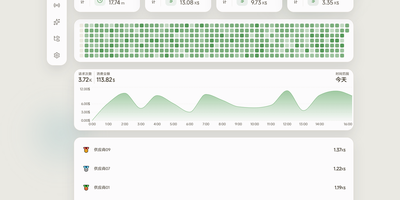
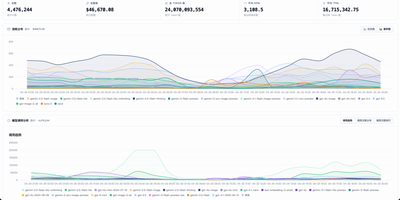
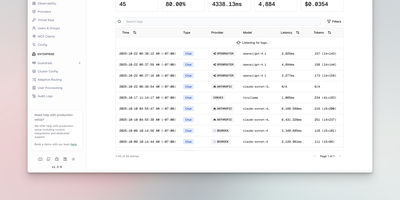
- Manage provider credentials without restarts, test models in the streaming JSON playground, inspect real-time SSE audit logs, and monitor 2xx/4xx/5xx status charts at /admin/dashboard.
- Managed Keys and LiteLLM Import
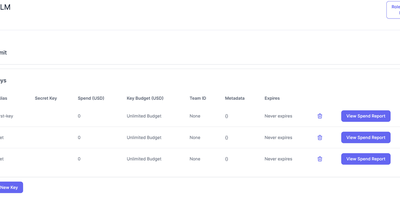
- Issue scoped sk_gom_ virtual API keys with model allowlists and concurrency caps, or import existing LiteLLM sk- key SHA-256 hashes without breaking client tokens.
- MCP Gateway and OTLP Telemetry
- Aggregate external Model Context Protocol tool servers under namespaced endpoints while exporting Prometheus /metrics gauges and OpenTelemetry GenAI semantic traces.