Stars
Forks
Watchers
Developer links
Octopus
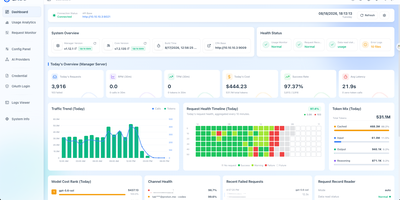
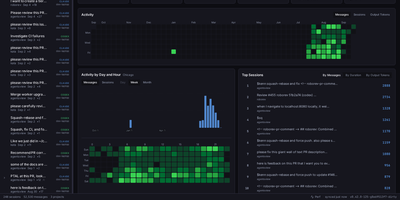
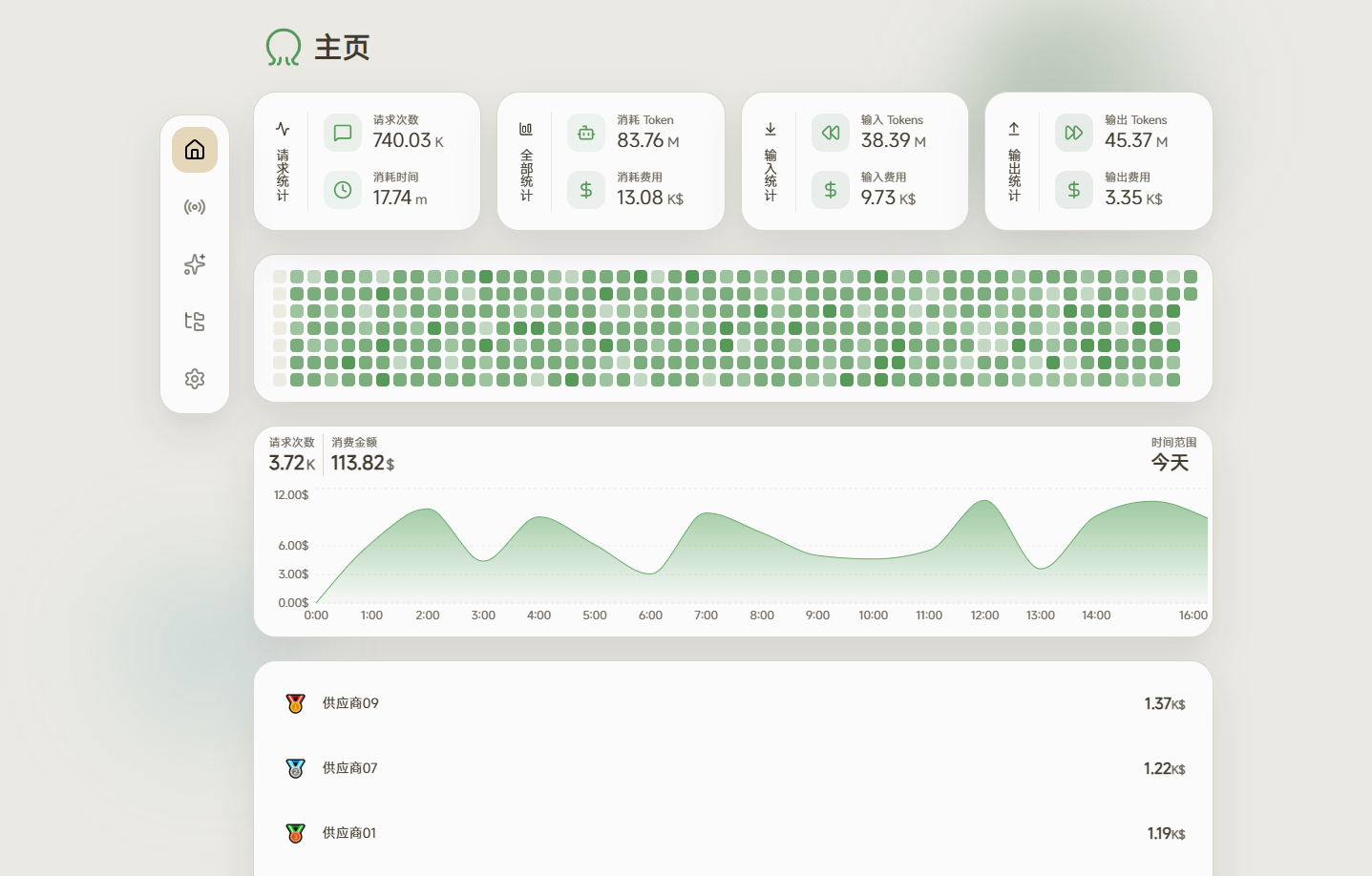
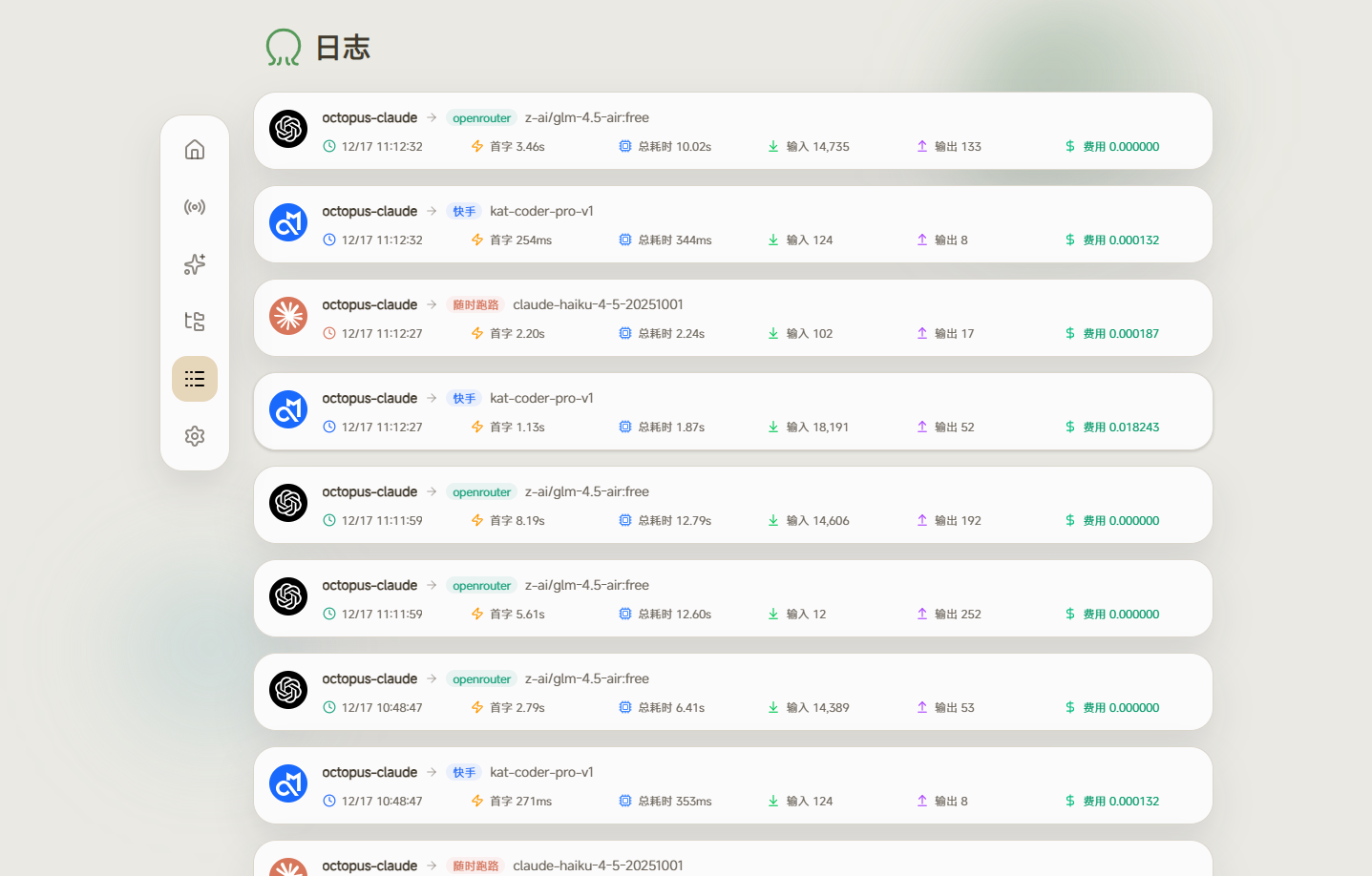
Juggling separate API keys, incompatible payload schemas, and unpredictable rate limits across OpenAI, Anthropic, and Google Gemini slows down every AI workflow, and Octopus solves it by consolidating all your upstream model providers into one self-hosted API gateway. Point Claude Code, OpenAI Codex CLI, or any SDK client at a single gateway URL and translate requests transparently between OpenAI Chat Completions, OpenAI Responses, Anthropic Messages, and Google Gemini endpoints without modifying client code. Group multiple provider channels under a unified model alias so your coding agents automatically fail over to backup providers and shield active tasks from upstream HTTP errors or rate limits. Watch live end-to-end request routing on the interactive topology canvas as prompts flow from client applications through model groups to specific upstream channels. Synchronize available model catalogs directly from connected providers and pull up-to-date token pricing from models.dev, or define custom per-million input, output, and cache-read rates for private deployments. Inspect detailed request logs, monitor token consumption trends, and audit daily API spend across every channel from the web dashboard. Running on a dedicated VPS on RepoCloud with guaranteed CPU, RAM, and SSD, full root SSH access, and a browser serial console. AGPL-3.0 licensed.
Benefits
- Unified Multi-Provider API Routing
- Consolidate OpenAI, Anthropic, Google Gemini, and custom OpenAI-compatible provider keys behind a single self-hosted HTTP endpoint, eliminating the need to reconfigure credentials across individual developer tools and coding agents.
- Cross-Protocol Payload Translation
- Translate API calls seamlessly between OpenAI Chat Completions, OpenAI Responses, Anthropic Messages, and Gemini formats so tools like Claude Code and Codex CLI can invoke any upstream model.
- Automatic Failover and Error Shielding
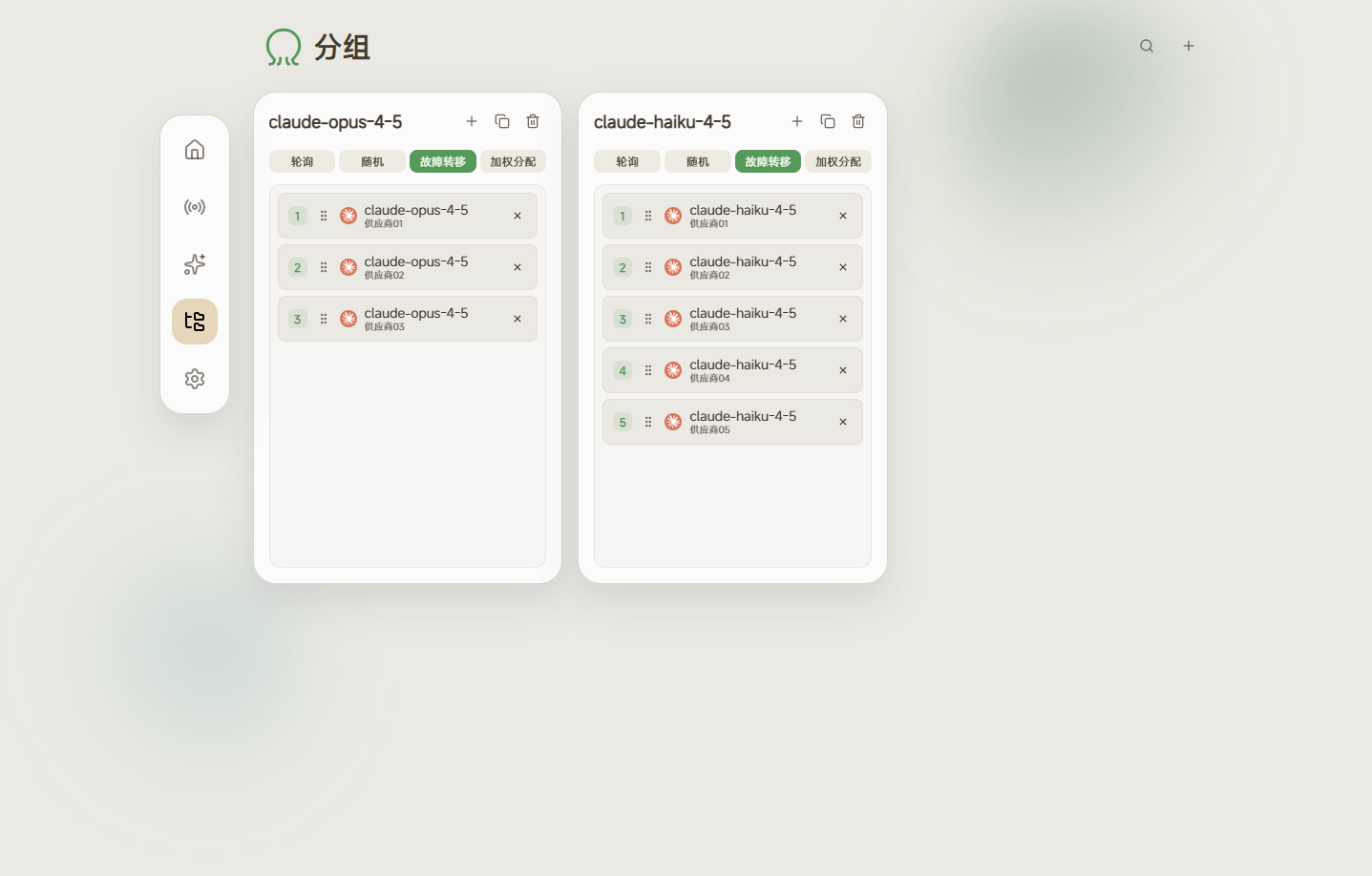
- Aggregate multiple upstream channels into named model groups with weighted load balancing, latency-based routing, and upstream error shielding that switches providers automatically before failed requests interrupt agent runs.
- Automated Pricing and Cost Analytics
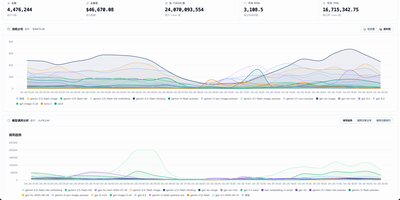
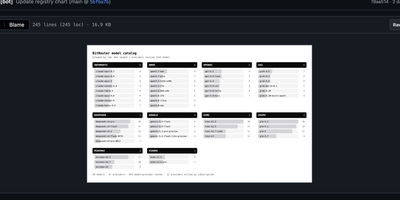
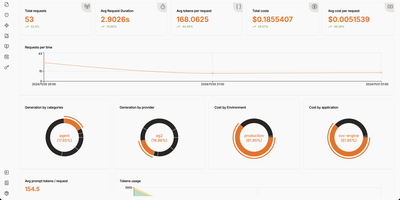
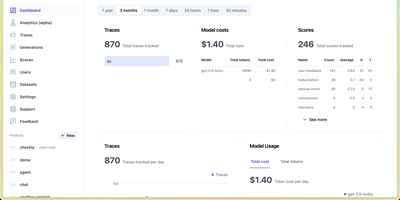
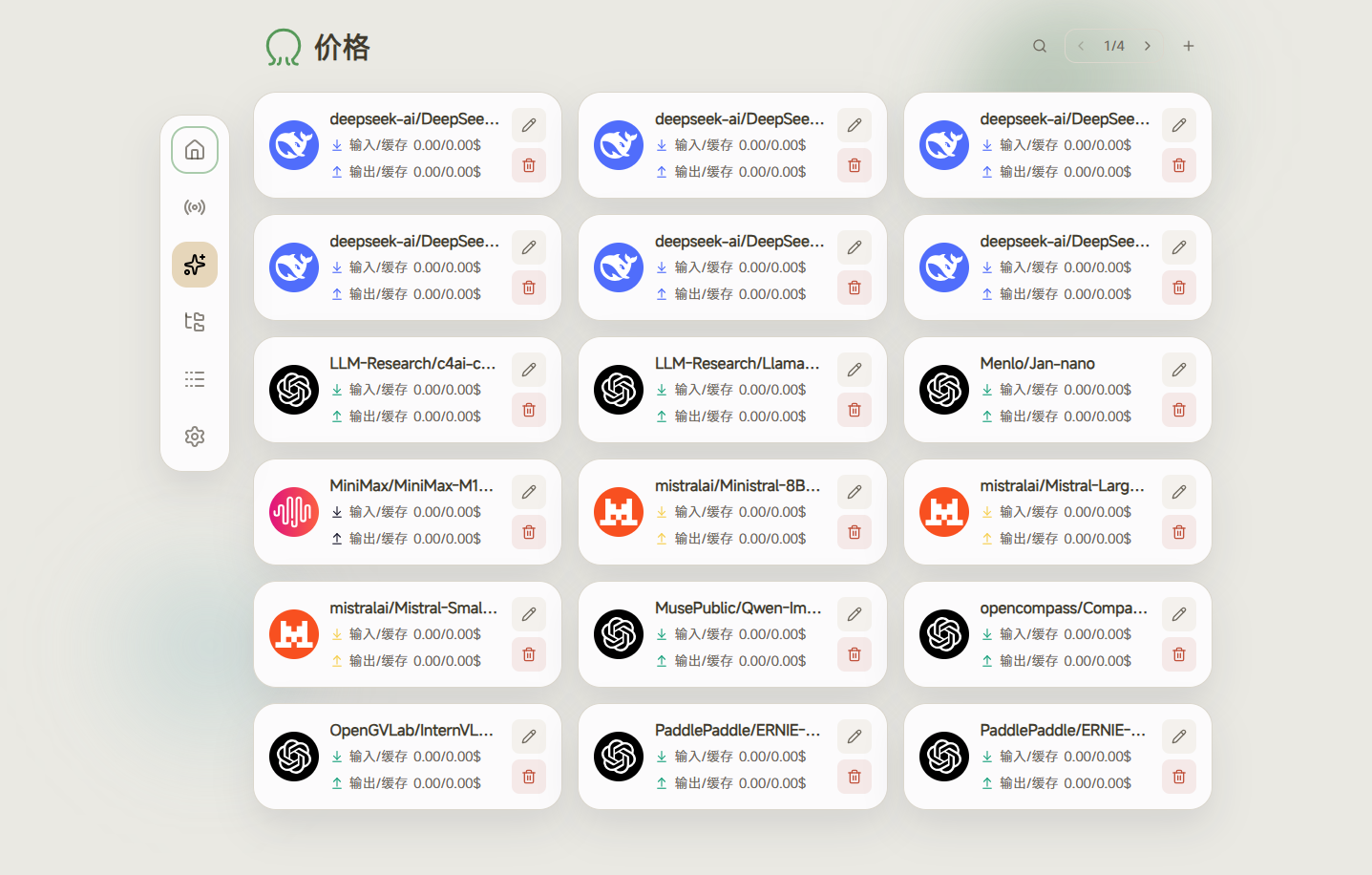
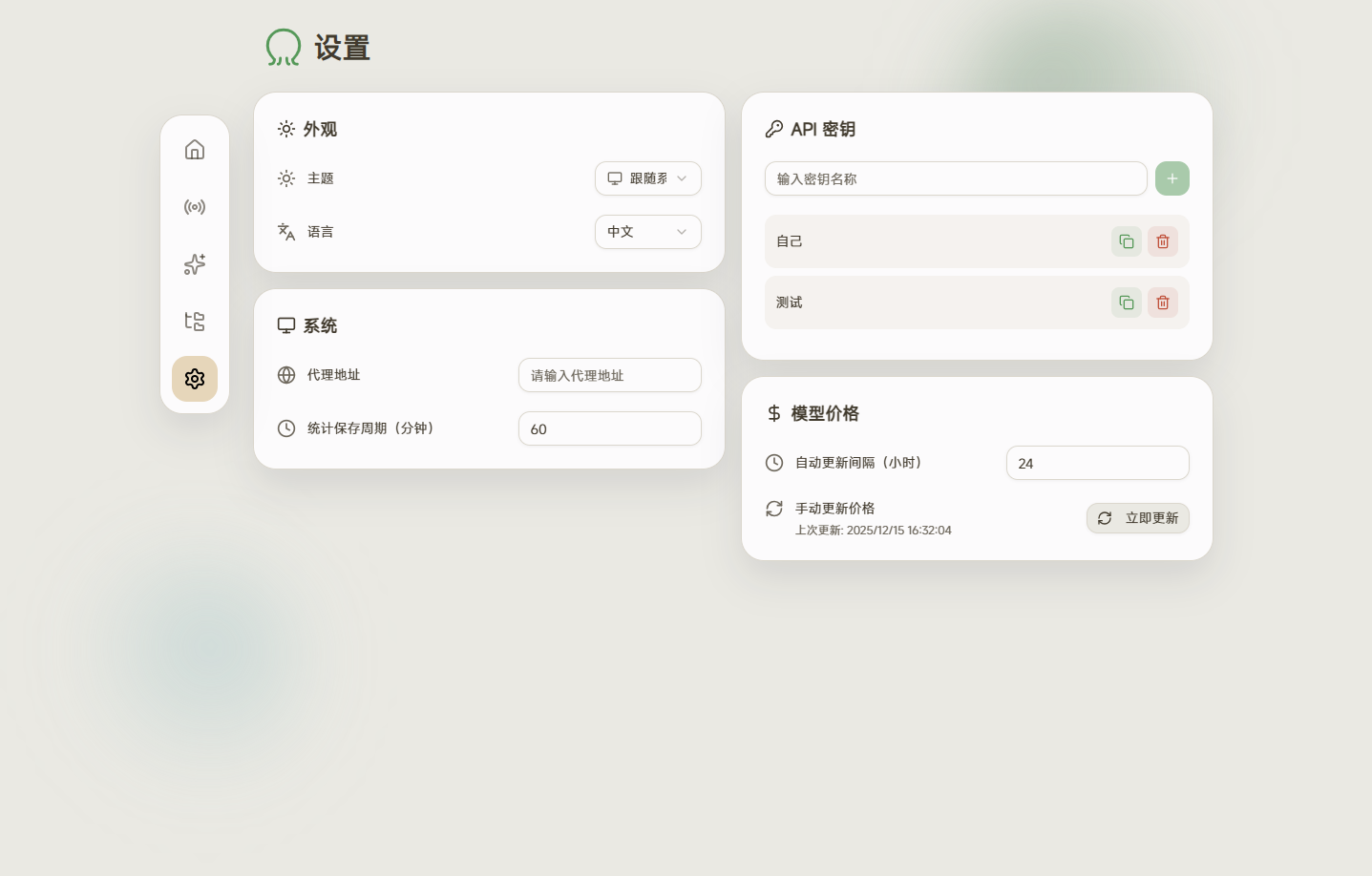
- Synchronize token pricing tables automatically from models.dev alongside custom rate overrides to track exact input, output, and cached token expenditures across every provider channel and model group.
Features
- Real-Time Request Topology Canvas
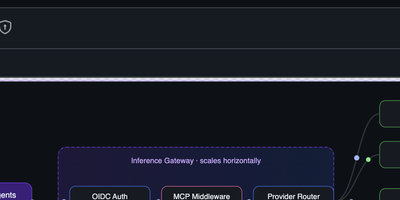
- Visualize active API traffic on an interactive web dashboard that maps live request paths from incoming clients through model routing groups to upstream LLM provider channels.
- Multi-Key Channel Management
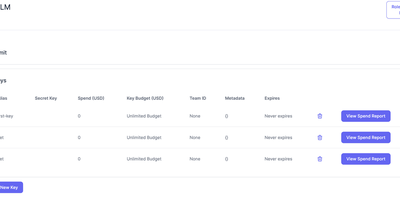
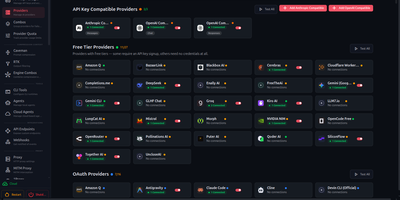
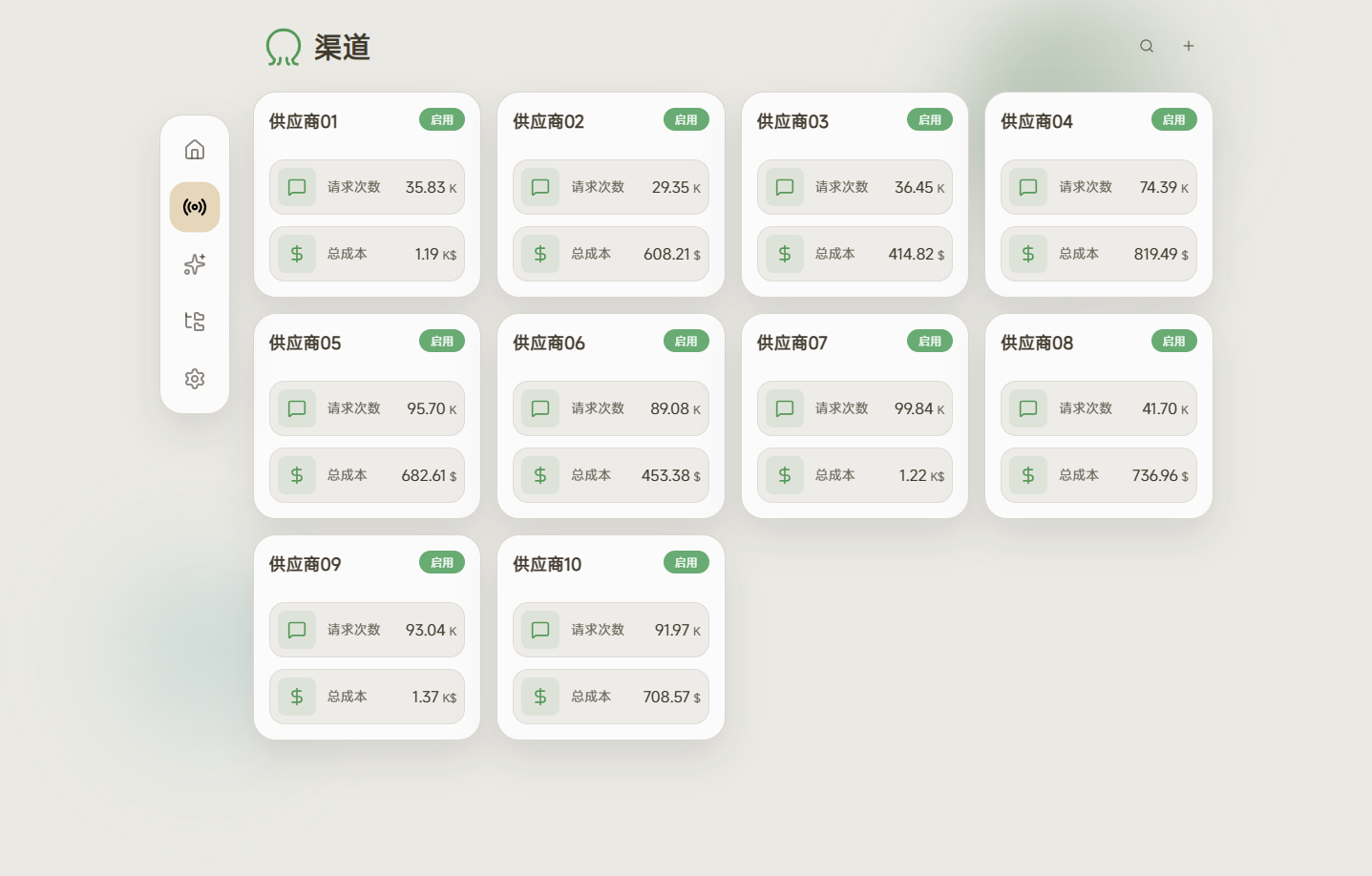
- Configure multiple API keys and base endpoints per provider channel with automated `/v1/chat/completions`, `/v1/responses`, and `/v1/messages` path resolution and one-click model list synchronization.
- Model Group Load Balancing
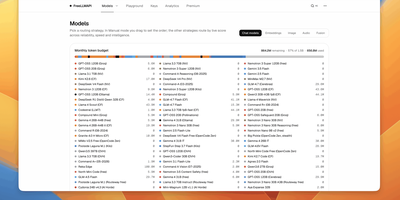
- Expose unified model aliases backed by multiple upstream channels using configurable round-robin, random, failover, or weighted routing policies to maximize availability and throughput.
- Automated Models.dev Price Sync
- Fetch standard per-token pricing automatically from models.dev and configure custom input, output, and prompt-caching rates for local or unindexed models in the price manager.
- Buffered Telemetry and Multi-DB Storage
- Batch-write high-frequency request metrics from memory into SQLite, MySQL, or PostgreSQL databases at configurable intervals to preserve low gateway forwarding latency under heavy load.
- Granular Request Log Inspector
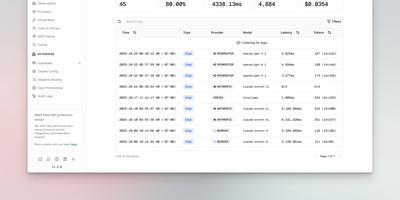
- Audit every proxied LLM call with searchable logs capturing request latency, prompt and completion token counts, calculated cost, channel selection, and upstream HTTP status codes.