Categories
DevOps CI/CD Release Management Continuous Delivery Build Automation Pipeline OrchestrationStars
Forks
Watchers
Developer links
GoCD
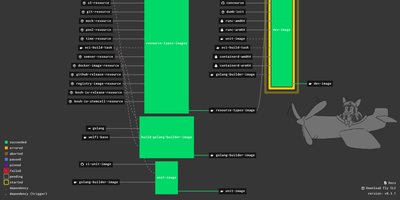
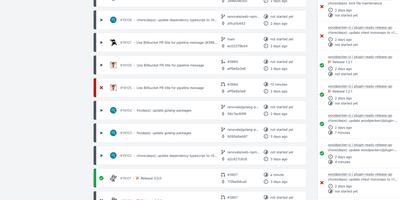
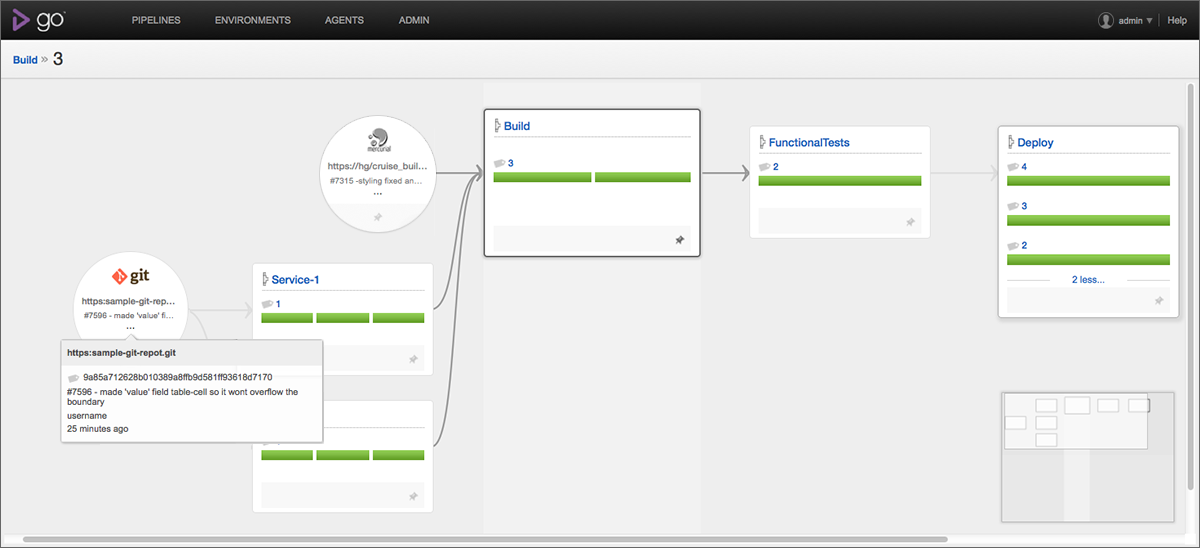
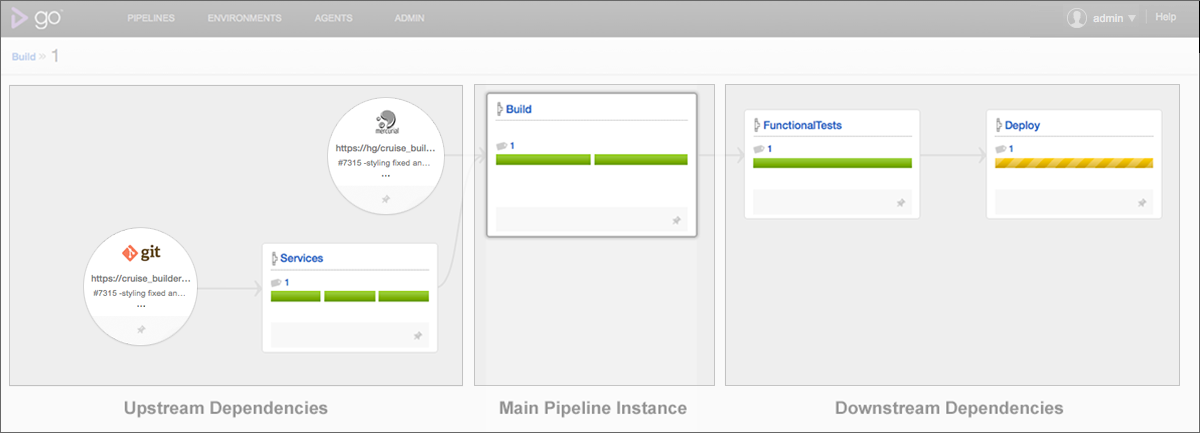
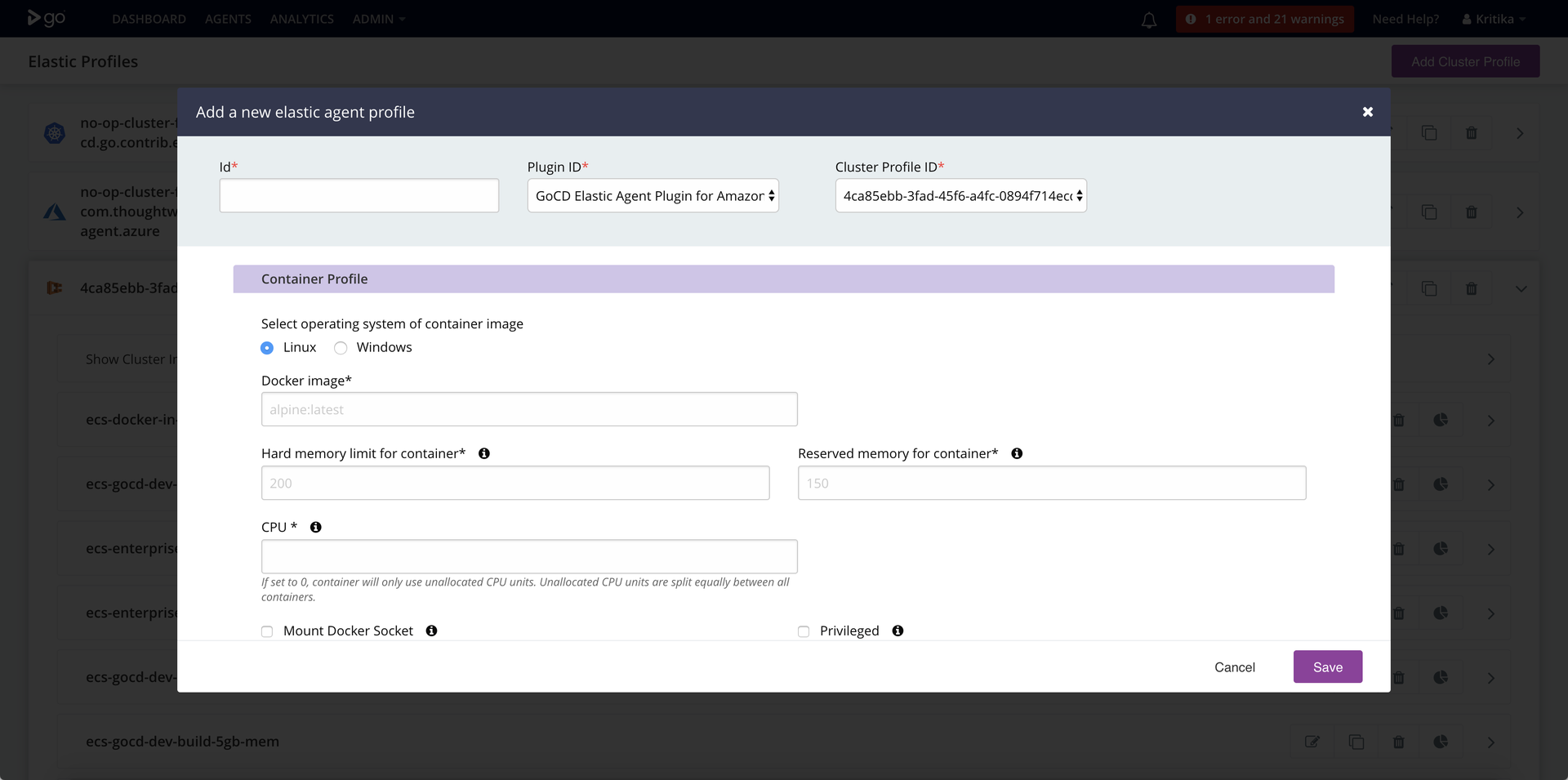
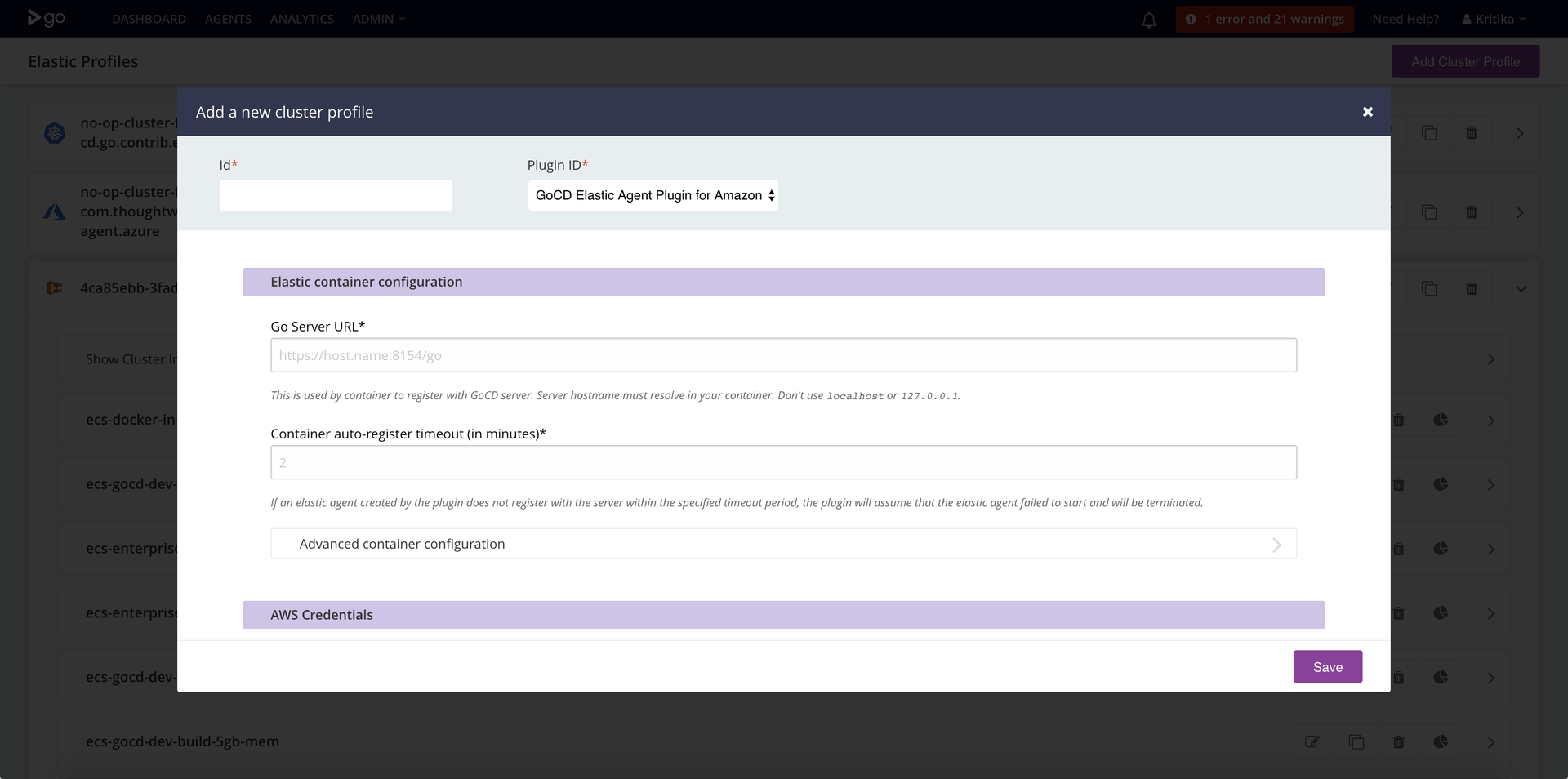
GoCD treats delivery as a pipeline you can see: every commit enters a sequence of stages, passes or fails in the open, and travels from first build to production deployment along one visible, traceable path. Stages split work into jobs that run in parallel on a fleet of agents, so unit tests, integration suites, packaging, and security scans finish together instead of queueing behind each other. Pipelines connect with fan-in and fan-out dependencies, meaning a release pipeline waits for every upstream component to pass before it assembles them, and one library build can feed a dozen services. The value stream map draws that whole web on one screen, from the triggering commit through every stage to deployment, and any run can be compared with another to spot exactly what changed. Materials watch Git, Subversion, or Mercurial repositories and start pipelines on new commits, while artifacts produced by one stage are fetched, versioned, and promoted by the stages after it. Environments group pipelines and agents so test and production stay isolated, resources tag agents by capability, and elastic agents appear on Docker, Kubernetes, or cloud hosts only while work exists. Pipeline definitions can live in YAML or JSON inside a repository, changing through code review like the software they deliver, and templates keep repeated release patterns consistent across teams. Running on a dedicated VPS on RepoCloud with guaranteed CPU, RAM, and SSD, full root SSH access, and a browser serial console. Apache-2.0 licensed.
Benefits
- See Every Commit's Whole Journey
- The value stream map renders every pipeline dependency from triggering commit to deployment on one screen, and run comparison shows precisely which changes separate a good release from a bad one.
- Parallel Jobs, Honest Bottlenecks
- Stages divide into independent jobs executed concurrently across agents, so slow test suites stop blocking packaging and scanning, and the failing job is named instead of hidden in a log.
- Dependencies That Wait Properly
- Fan-in dependency resolution starts a downstream pipeline only when every upstream material has passed with matching revisions, which ends the classic release assembled from mismatched component versions.
- Agents That Scale Themselves
- Elastic agents launch on Docker, Kubernetes, or cloud infrastructure when jobs queue and disappear when idle, while resource tags route specialized jobs to machines with the right tools.
Features
- Pipelines, Stages, Jobs
- Model delivery as pipelines of ordered stages, each containing parallel jobs and tasks, where a failed stage halts the line before anything broken travels further.
- Value Stream Map
- A single visual graph of upstream and downstream pipelines with run history, showing where a commit is, what it waits on, and where it failed.
- Materials And Triggers
- Git, Subversion, Mercurial, and pipeline dependency materials trigger runs on change, with timer and manual triggers, and plugin endpoints for further material types.
- Elastic Agents
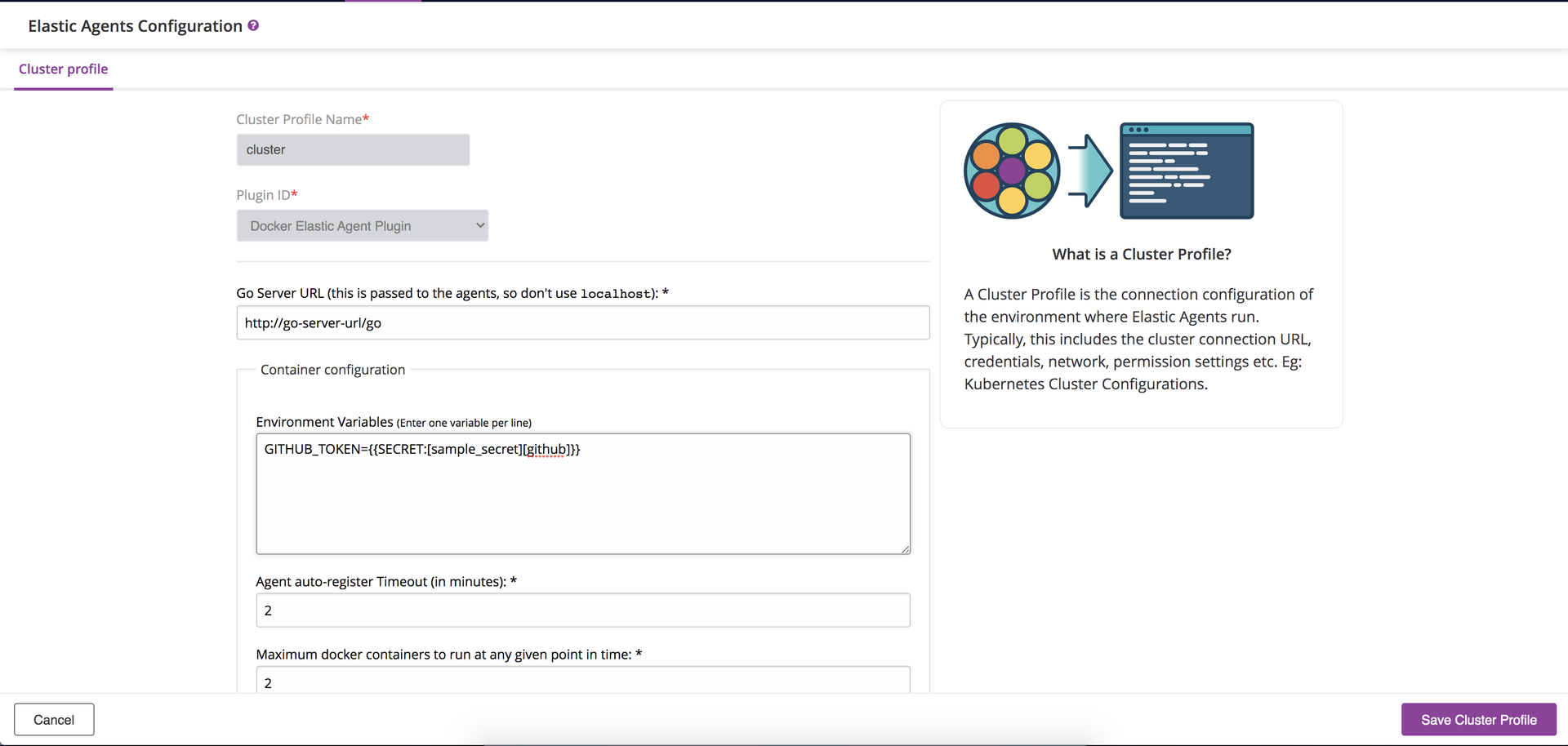
- On-demand agents spin up in Docker, Kubernetes, or cloud environments to absorb queued jobs and terminate when idle, with static agents for fixed build machines.
- Pipelines As Code
- Pipeline and environment definitions stored as YAML or JSON in config repositories, versioned and reviewed with the code, alongside reusable pipeline templates and parameters.
- Artifacts And Environments
- Build outputs are stored, fetched across stages, and promoted between environments that isolate pipelines and agents for development, testing, staging, and production delivery.