Categories
Self-Hosted AI Agents Workflow Automation Task Management LLM Operations Multi-Agent Orchestration Kanban Dashboard OpenClawStars
Forks
Watchers
Developer links
Edict
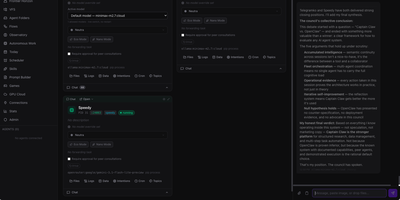
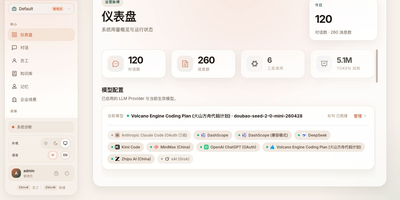
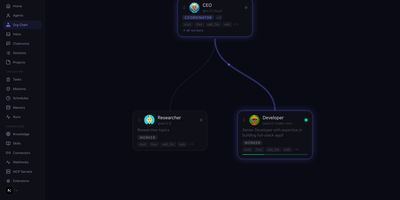
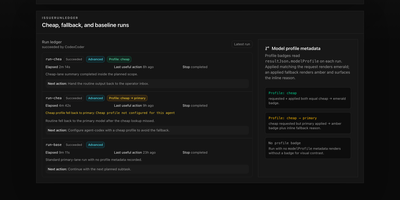
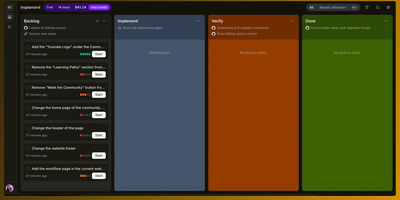
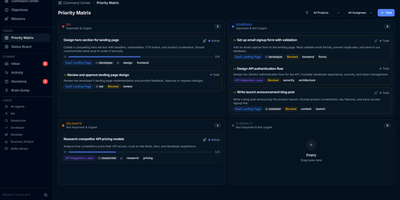
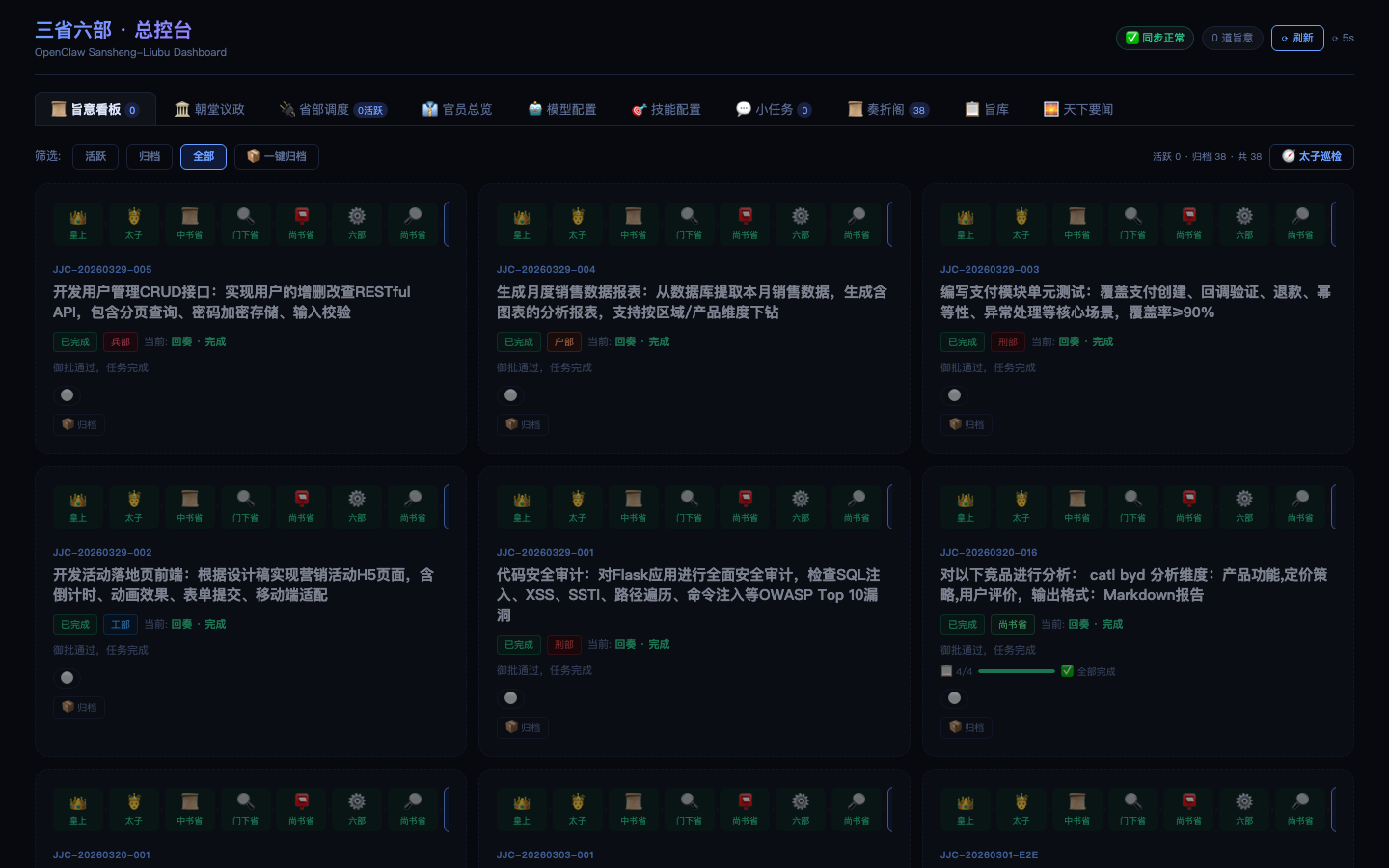
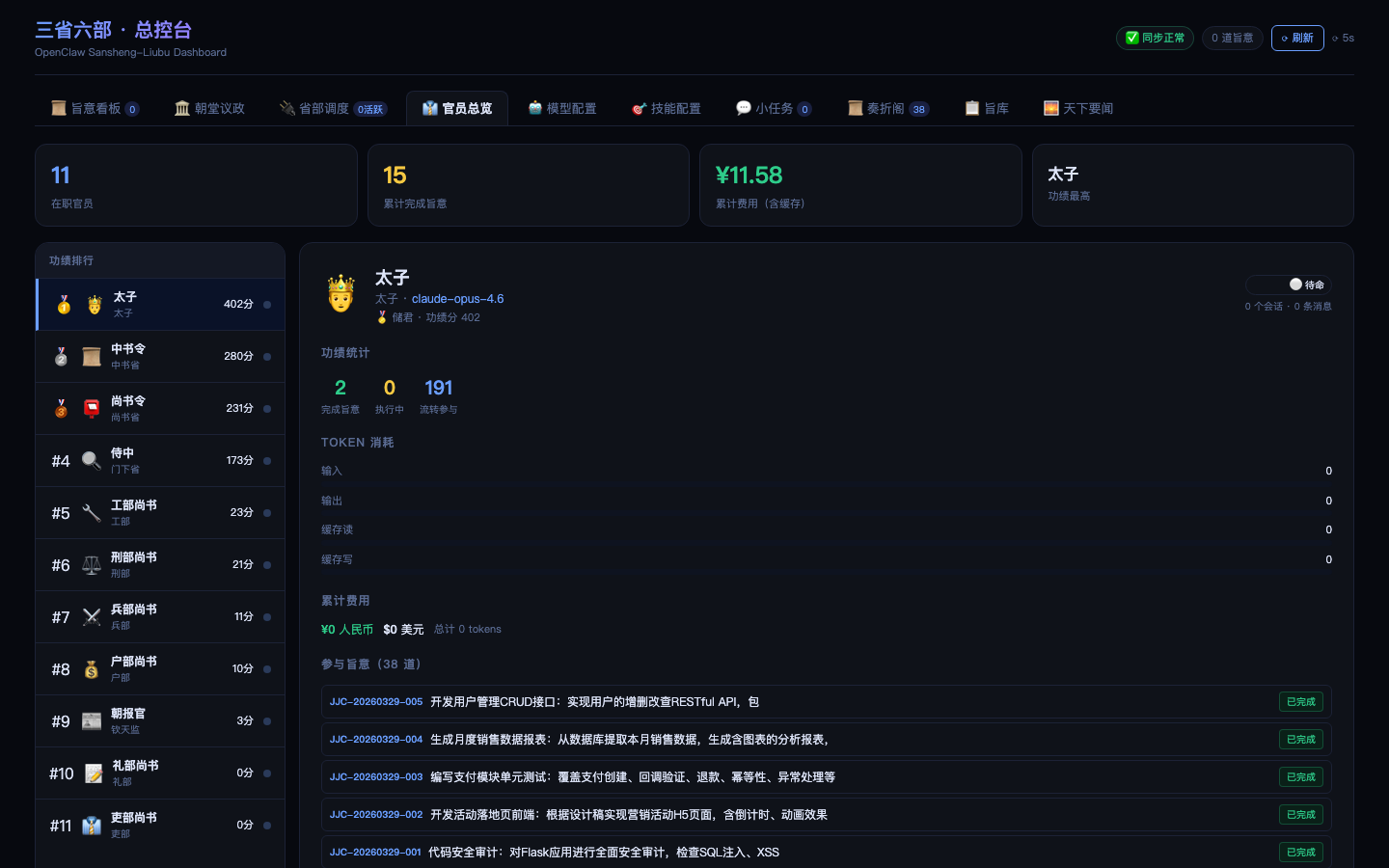
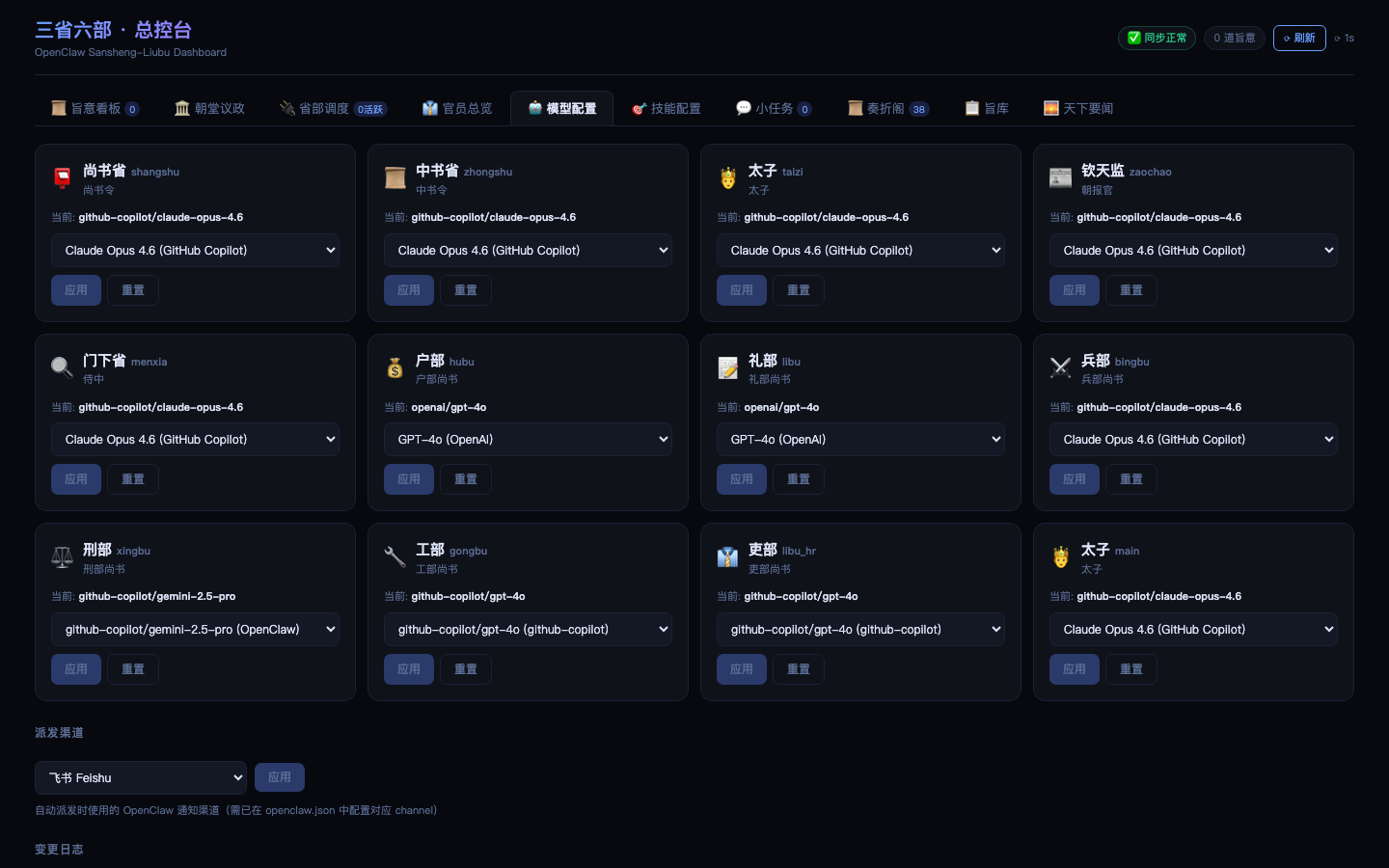
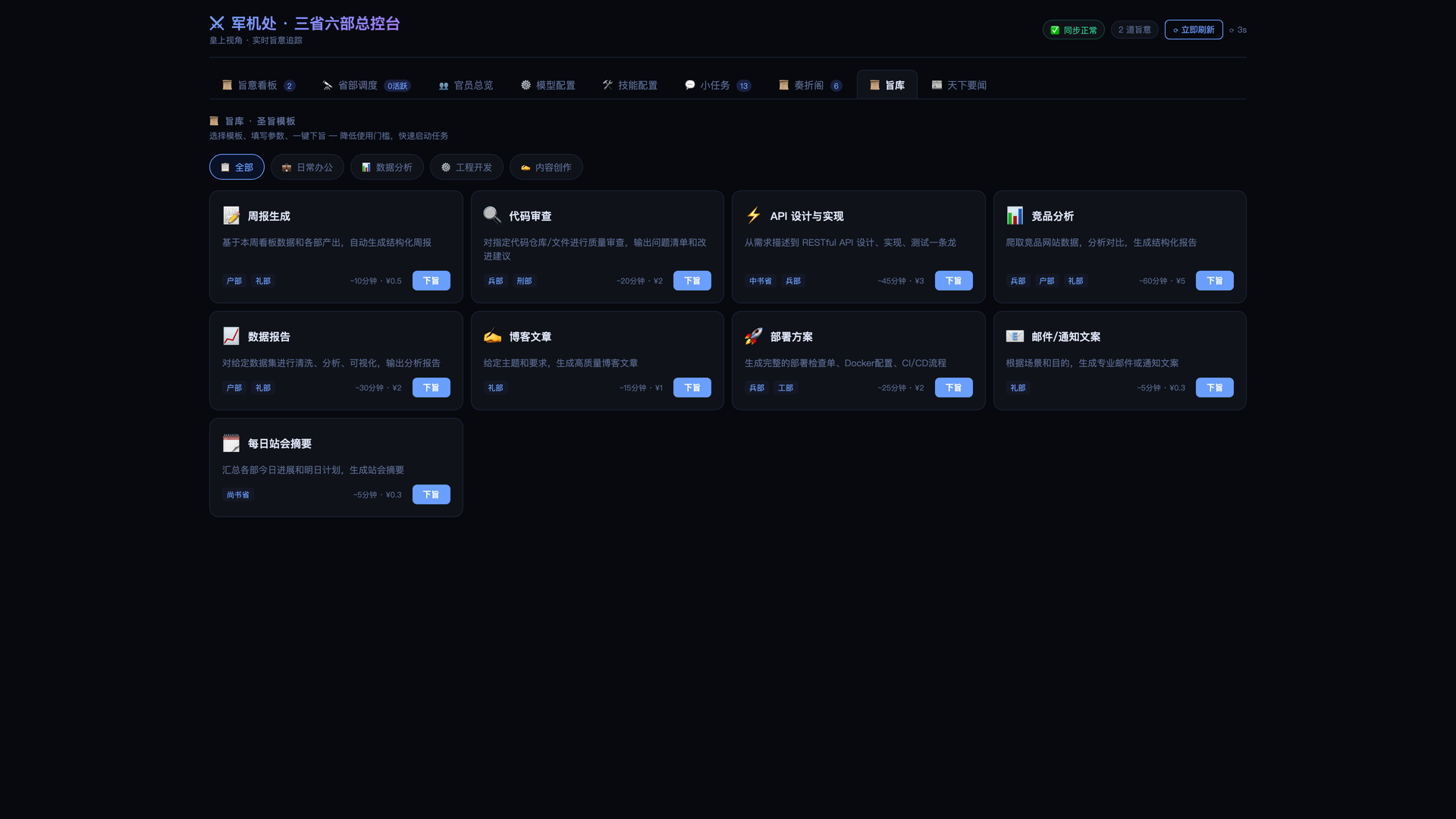
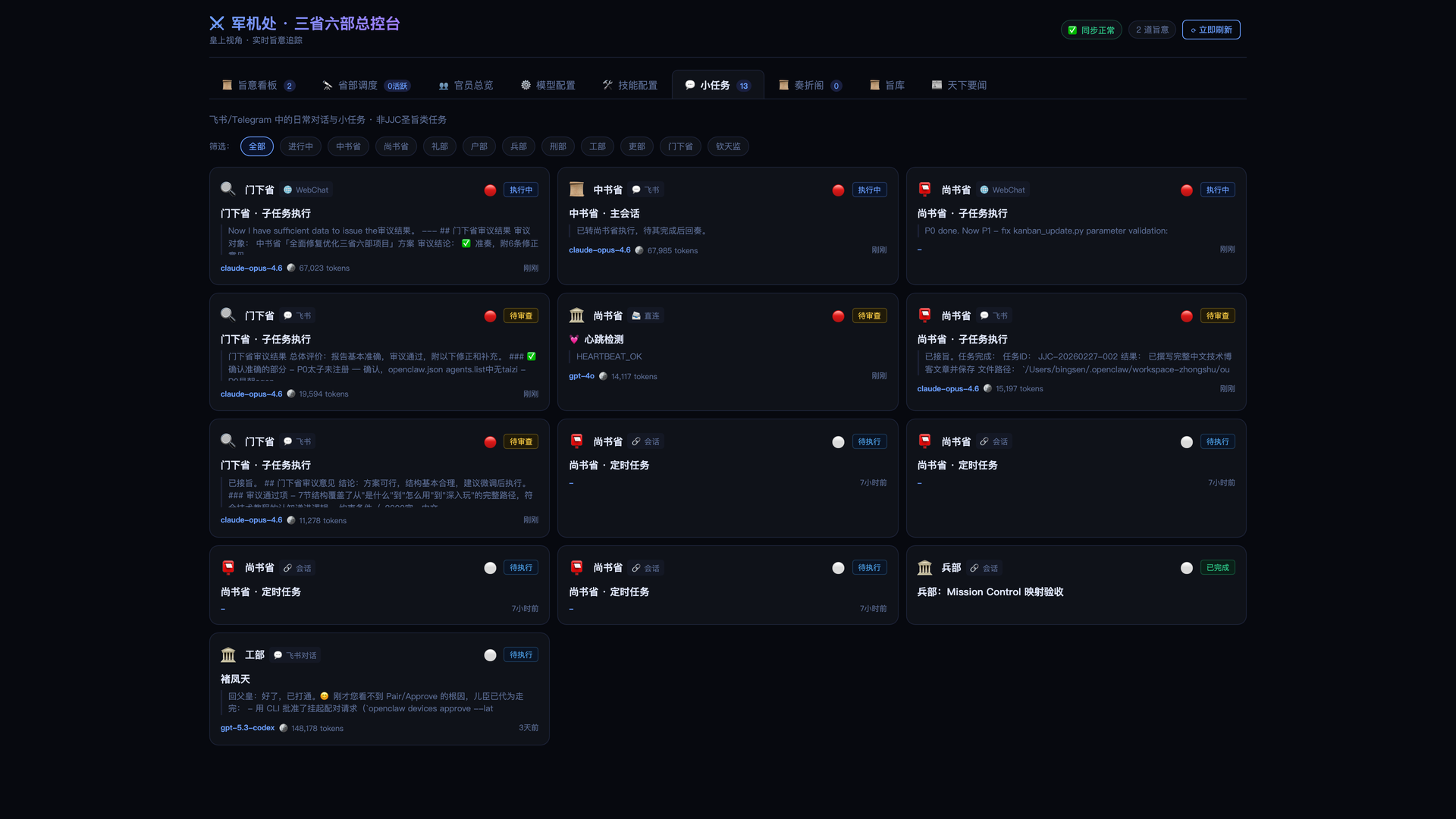
Edict is a multi-agent orchestrator that runs every AI request through a court-style chain: a crown prince agent triages it, a planning department drafts the work, a review department can veto the plan, and specialist ministries execute what survives. Casual chat gets a direct reply, while real commands become kanban tickets whose titles are scrubbed of file paths and metadata. A vetoed plan returns for rework; an approved one is dispatched in parallel to ministries for finance, documentation, engineering, compliance, infrastructure, and HR. Commands arrive through Feishu, Telegram, or Signal channels configured in OpenClaw. The dashboard shows cards by state with heartbeat badges and stop, cancel, and resume controls, plus a department monitor and a memorial archive that turns finished work into five-phase timelines you can copy as Markdown. Nine edict templates add parameter forms and cost estimates, an officials panel ranks agents by merit score while tracking token spend, and per-agent model switching restarts the gateway in about five seconds. Agent thinking, tool calls, and results stream live. A permission matrix limits who may message whom, illegal state jumps are rejected, and every transition lands in an audit log. Worked examples cover competitive analysis, code review, and weekly reports. Dashboard login protects the console, and a systemd unit keeps it running across reboots. Running on a dedicated VPS on RepoCloud with guaranteed CPU, RAM, and SSD, full root SSH access, and a browser serial console. MIT licensed.


Benefits
- A review gate before any work runs
- The review department audits every plan and can reject it outright, forcing a re-plan. Nothing reaches the ministries until it clears, so weak task breakdowns are caught before tokens are spent executing them.
- Every task leaves an audit trail
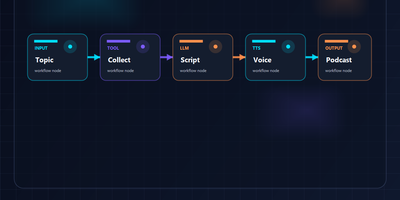
- Tasks move through a validated state machine with logged transitions, and finished work is archived as a memorial with a five-phase timeline: edict, planning, review, ministries, and final report.
- Steer agents from the dashboard
- Switch each agent's LLM, view and add skills, and stop, cancel, or resume tasks in flight. A model change restarts the gateway automatically and takes effect in roughly five seconds.
- Command it from your chat apps
- Send instructions through Feishu, Telegram, or Signal. Casual messages get an instant reply while real commands become tracked tasks routed to the right ministry, with a daily news briefing pushed to Feishu.
Features
- Court-style agent architecture
- A crown prince, three governing departments, and seven ministries each get their own workspace, skills, and LLM model, while a strict permission matrix controls who may message whom.
- React command center dashboard
- A React 18, TypeScript, and Vite front end with Zustand state offers kanban, monitor, memorial, template, officials, session, skills, and model panels, refreshing every 15 seconds.
- Event-driven dispatch engine
- Redis Streams carries events between services, a transactional outbox guarantees at-least-once delivery, and the dispatch worker runs ministry tasks in parallel with exponential backoff retries and resource locking.
- DAG task orchestration
- Plans are decomposed and dependency-resolved through a DAG orchestrator, while a state machine rejects illegal lifecycle jumps and an audit module logs every transition.
- Daily briefing and Feishu push
- A briefing agent collects technology and finance news each day, manages category subscriptions, and pushes the digest to a Feishu webhook.
- Systemd and Docker deployment
- Run start.sh, or install the edict.service systemd unit and manage it with edict.sh. A Docker image serves the dashboard on port 7891 with simulated data for trials.