Categories
Developer Tools AI Machine Learning Image Generation Creative Tools Video Generation Media ProcessingStars
Forks
Watchers
Developer links
ComfyUI
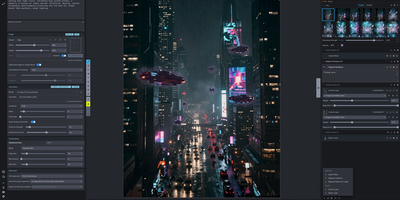
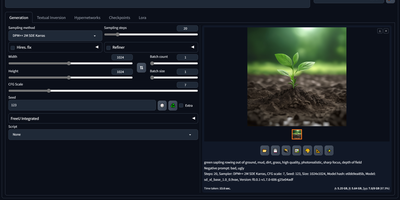
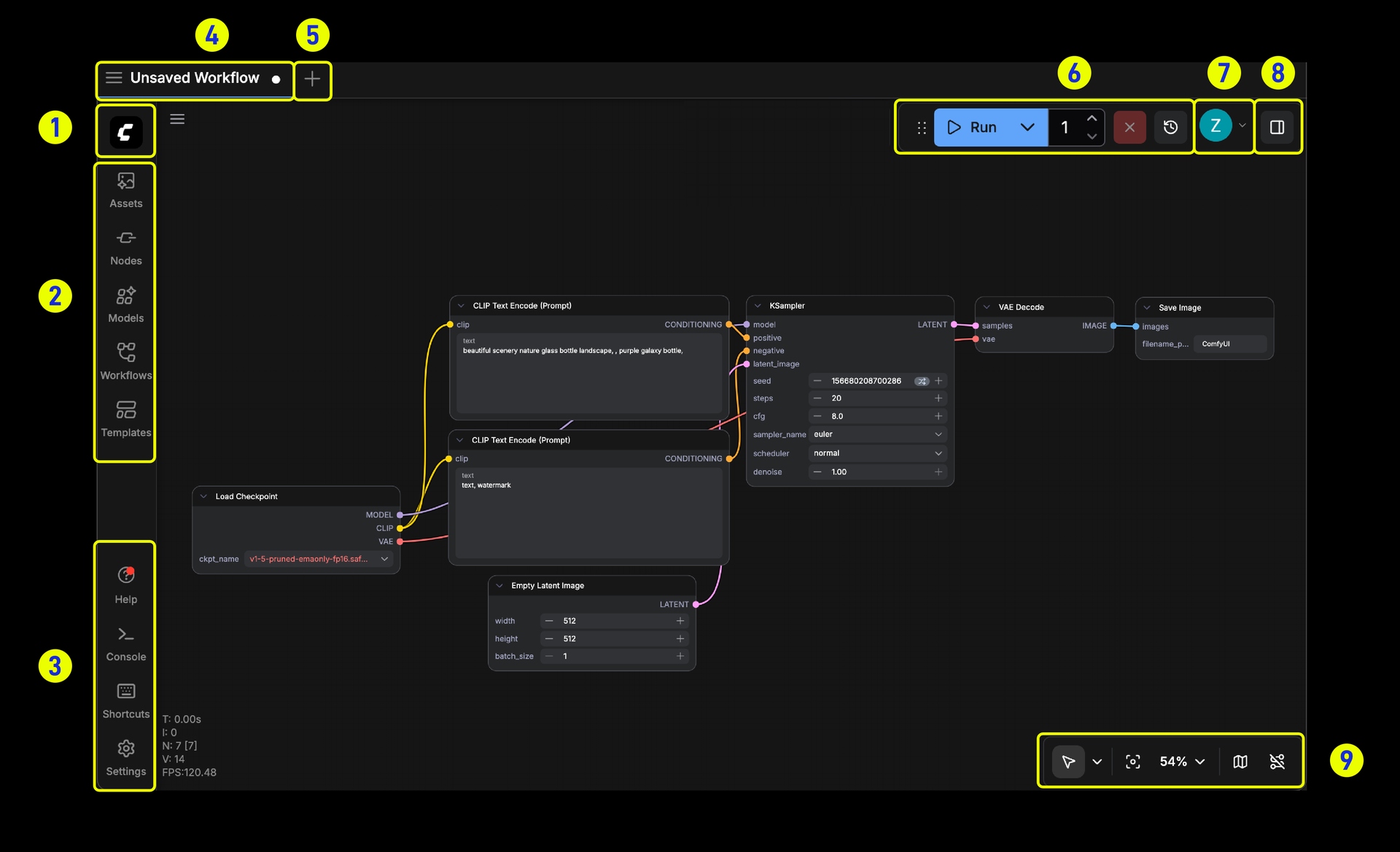
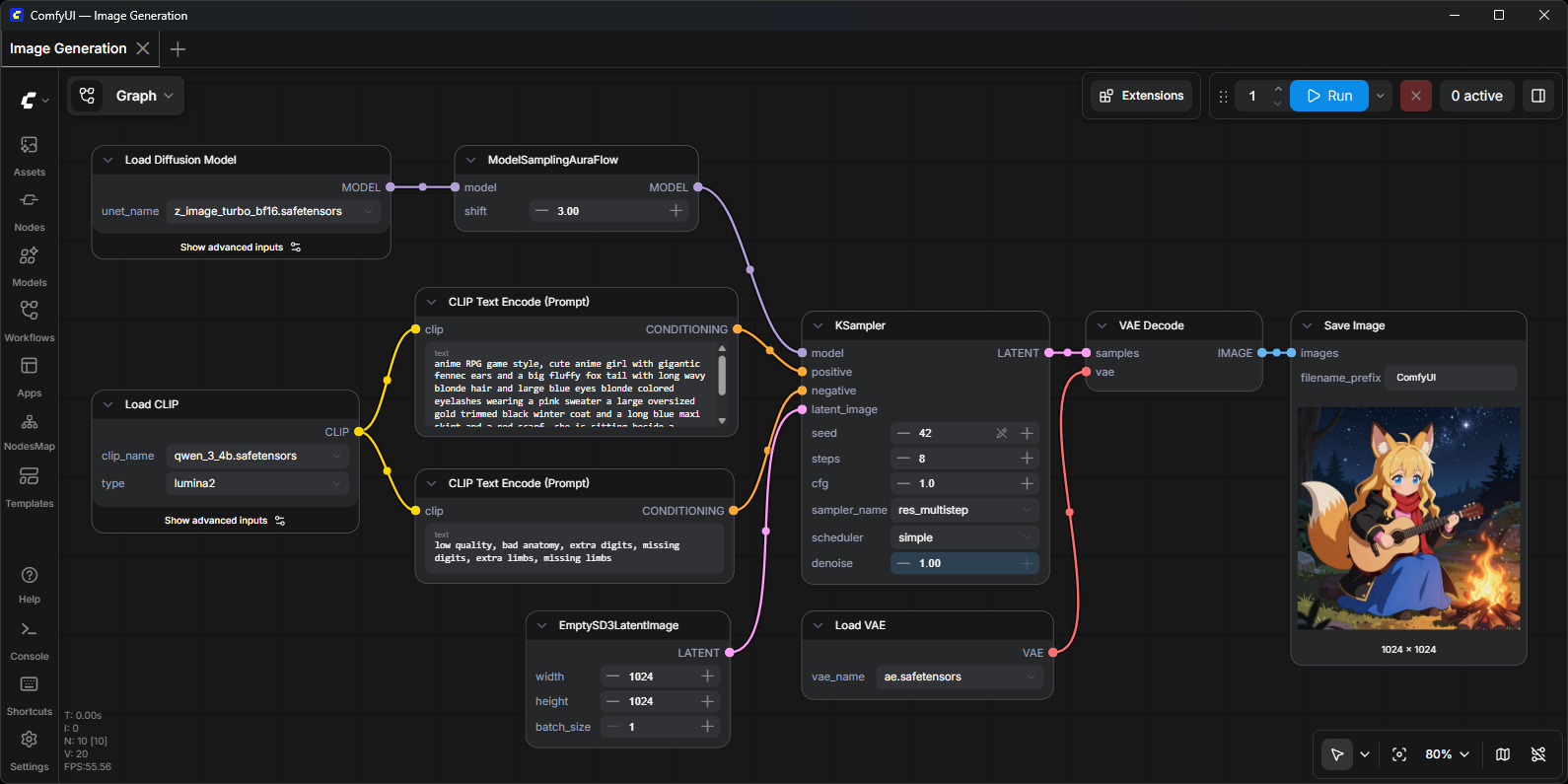
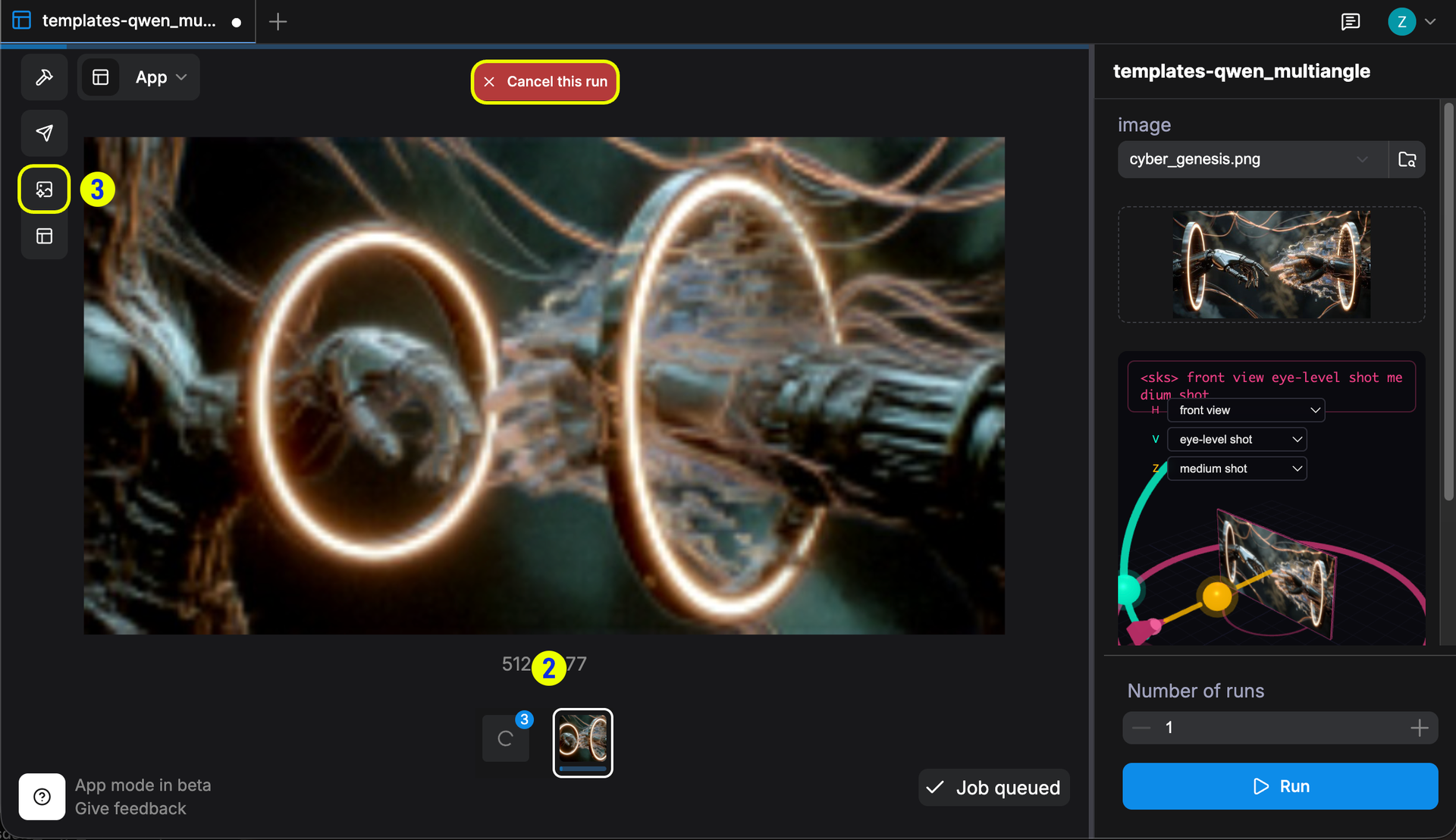
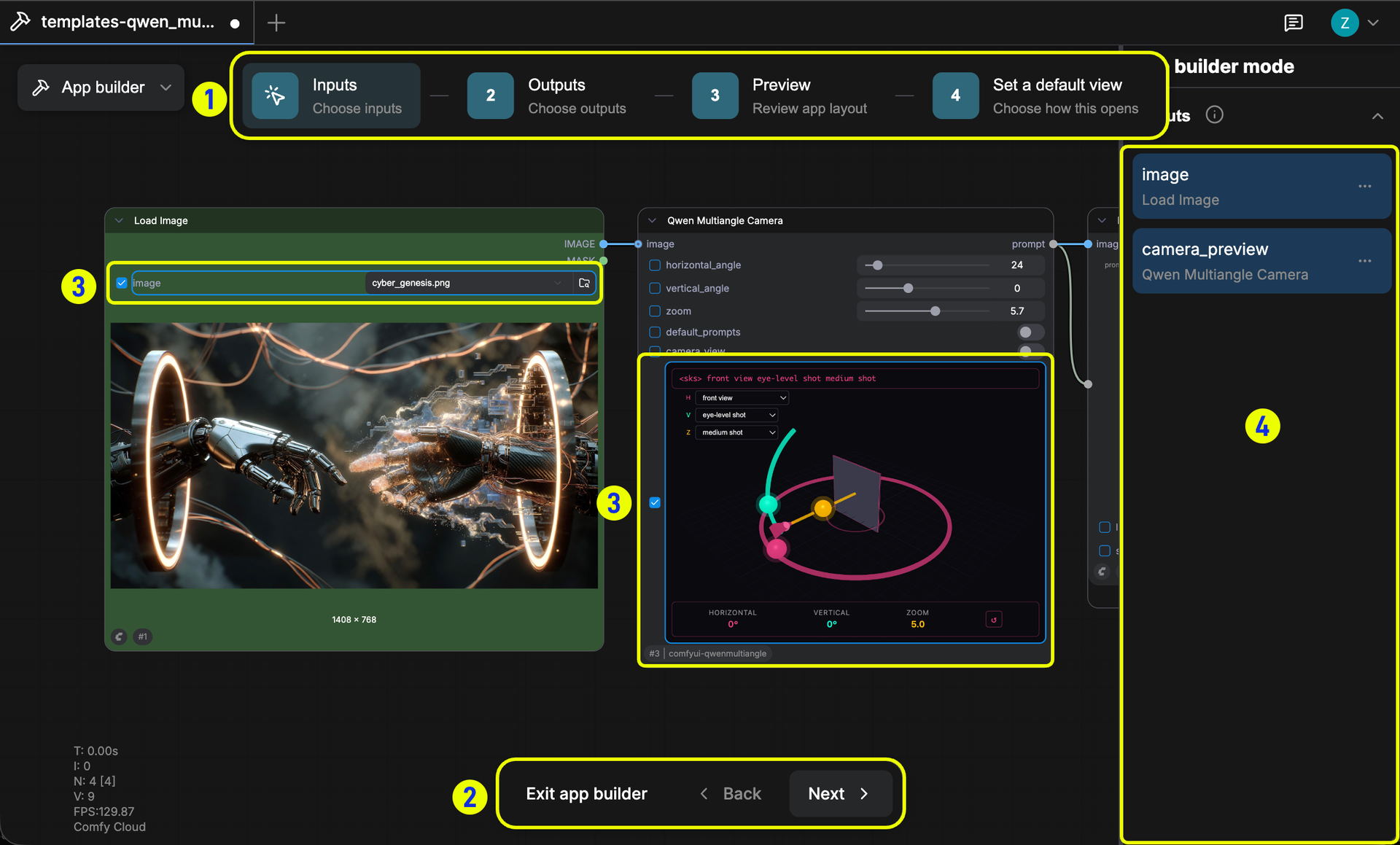
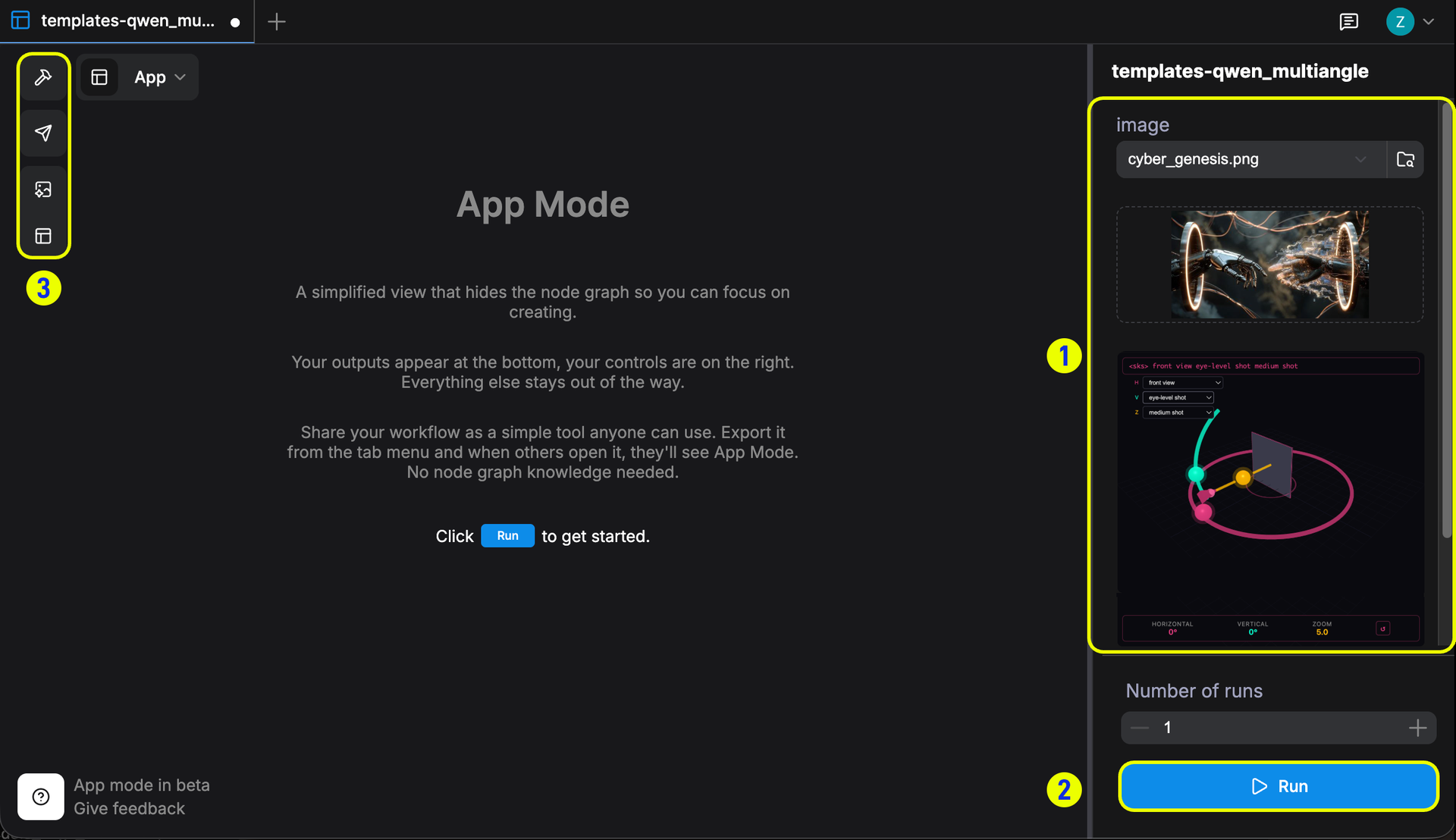
With over 126,000 GitHub stars and adoption across professional studios, research labs, and independent creators, ComfyUI has become the most widely used node-based interface for generative AI workflows — supporting image, video, audio, and 3D content creation through a single visual canvas. The graph editor natively supports Stable Diffusion 1.5, SDXL, SD3.5, Flux.1, Flux.2, HunyuanDiT, Lumina Image 2.0, HiDream, Qwen Image, and Pixart for image generation, plus Wan 2.1 and 2.2, LTX-Video, HunyuanVideo 1.5, CogVideoX, and Mochi for video, ACE-Step and Stable Audio for audio, and Hunyuan3D 2.0 for 3D models. Built-in tools handle inpainting, outpainting, ControlNet conditioning, LoRA and Hypernetwork loading, ESRGAN upscaling, area composition, model merging, and GLIGEN spatial control without writing code. The execution engine implements asynchronous queue processing with partial graph re-execution, running only changed nodes between iterations, and smart VRAM management that offloads models on GPUs with as little as 1 GB of memory. API nodes optionally connect to closed-source models through Comfy API while the core runs fully offline. Reusable subgraphs and App Mode expose complex workflows as simplified interfaces for non-technical users. The V3 custom node schema enables stateless execution with async support and process isolation. The TypeScript and Vue frontend ships as a PyPI package with stable releases every two weeks. Workflows save as JSON and embed in generated PNG, WebP, and FLAC files for reproducibility. Running on a dedicated VPS on RepoCloud with guaranteed CPU, RAM, and SSD, full root SSH access, and a browser serial console. GPL v3.0 licensed.
Benefits
- Visual Workflows Without Code
- A drag-and-drop node graph lets you chain models, conditioners, samplers, upscalers, and post-processors into arbitrarily complex pipelines without writing a single line of Python or configuring command-line arguments.
- Broadest Model Coverage Available
- Natively runs Stable Diffusion, SDXL, SD3.5, Flux, HunyuanDiT, Wan video, Mochi, ACE-Step audio, and Hunyuan3D out of the box — more generative model families than any competing interface.
- Efficient Execution Engine
- Partial graph re-execution skips unchanged nodes between runs, asynchronous queuing batches jobs, and smart VRAM offloading runs large models on GPUs with as little as 1 GB of video memory.
- Extensible Custom Node Ecosystem
- The V3 node schema provides a versioned API with typed inputs, stateless execution, and async support, enabling thousands of community-built custom node packs for specialized tasks without core modifications.
Features
- Node Graph Editor
- Visual flowchart interface for building image, video, audio, and 3D generation pipelines by connecting nodes representing models, samplers, conditioners, and output processors.
- Smart VRAM Management
- Automatic model offloading and quantized model support enables running large diffusion models on GPUs with as little as 1 GB of available video memory.
- Built-In Image Tools
- Integrated inpainting, outpainting, ControlNet conditioning, LoRA loading, ESRGAN upscaling, area composition, model merging, and GLIGEN spatial control nodes.
- Workflow Reproducibility
- Workflows with seeds and parameters are saved as JSON files and embedded directly into generated PNG, WebP, and FLAC output files for exact reproduction.
- App Mode
- Exposes complex multi-node workflows as simplified single-page interfaces for non-technical users, hiding graph complexity behind customizable input forms and output displays.
- API Integration
- Local REST API endpoints enable programmatic workflow submission and result retrieval, with optional API nodes connecting to external closed-source model providers.