Categories
Self-Hosted Knowledge Base RAG LLM Gateway Enterprise AI AI Agent Platform Integrations Private AI WorkspaceStars
Forks
Watchers
Developer links
Bionic
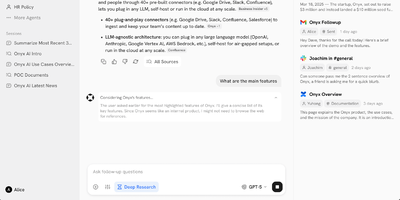
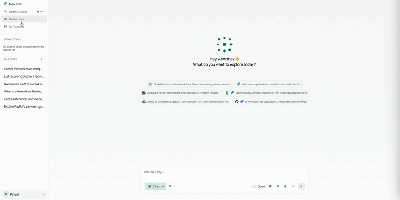
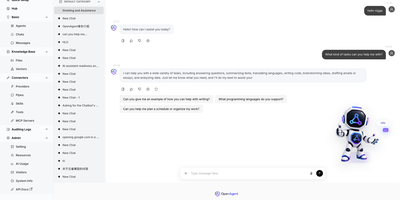
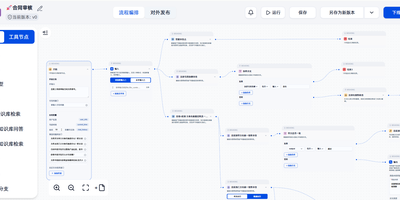
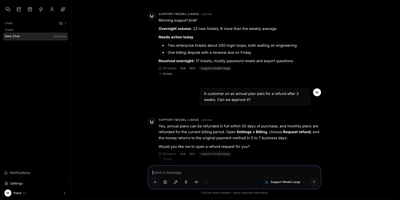
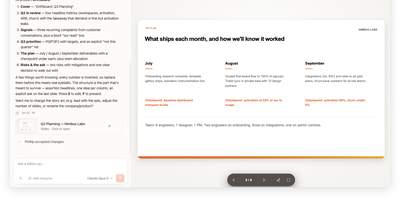
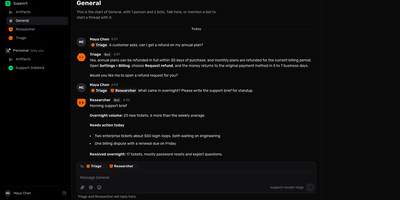
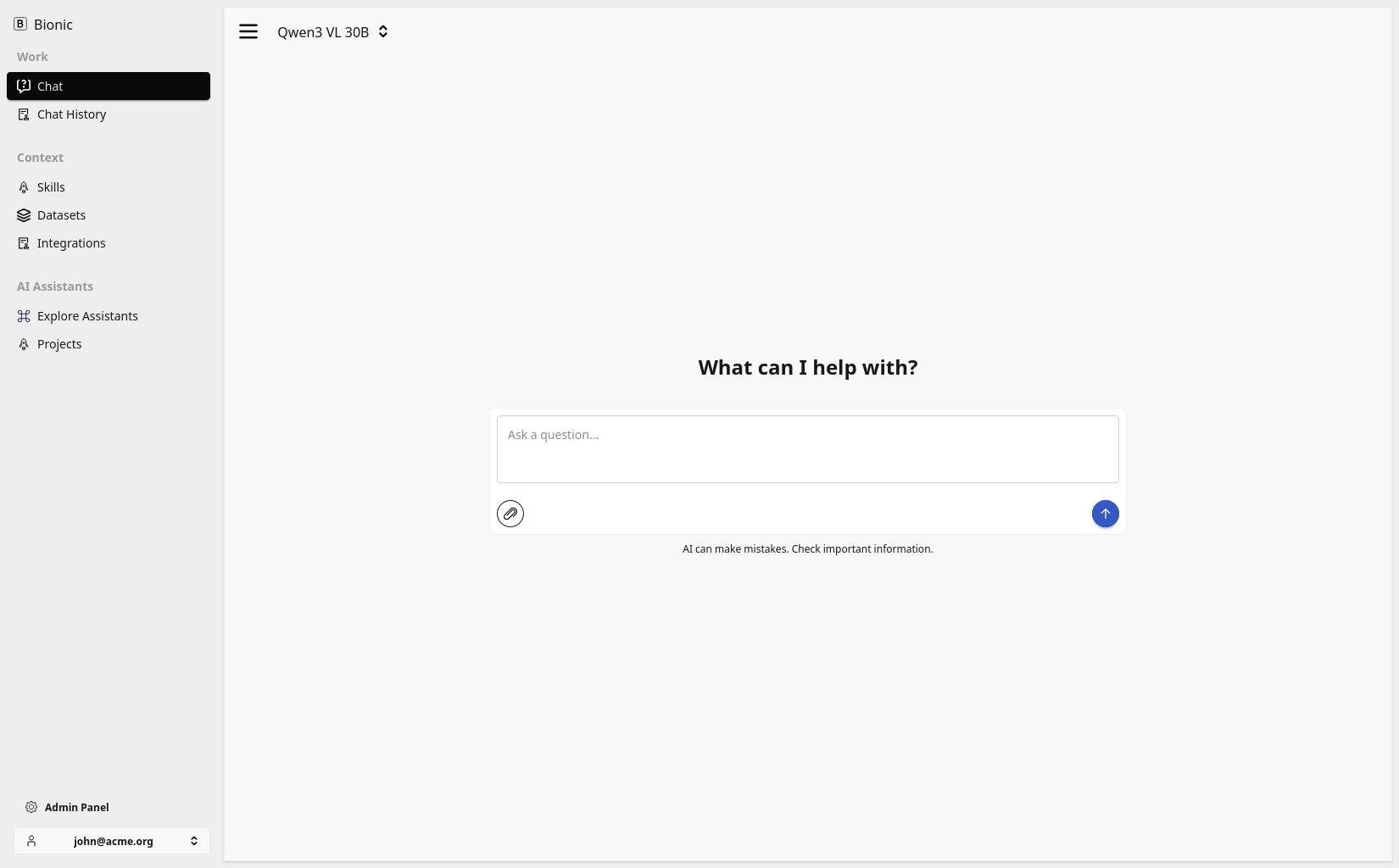
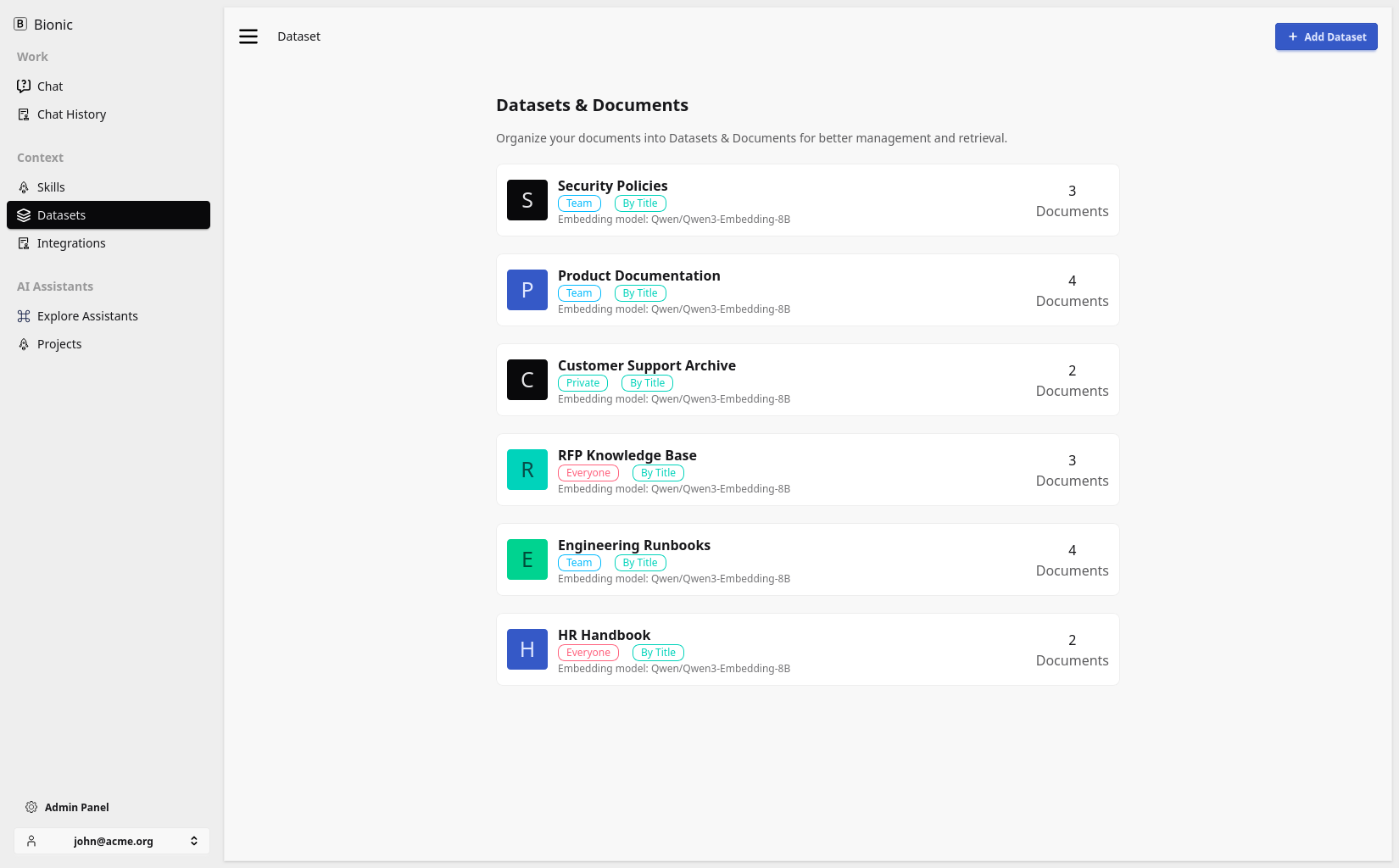
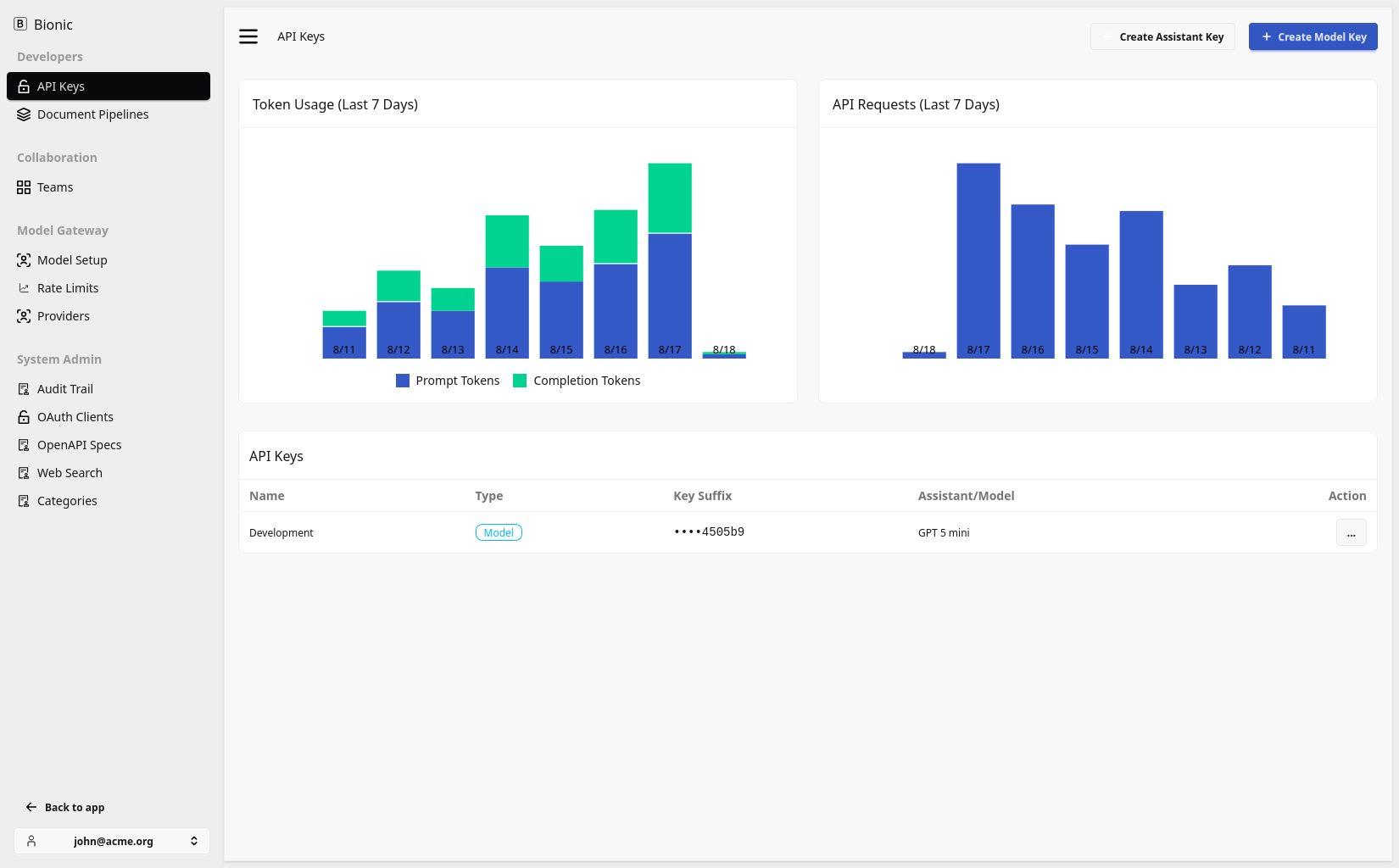
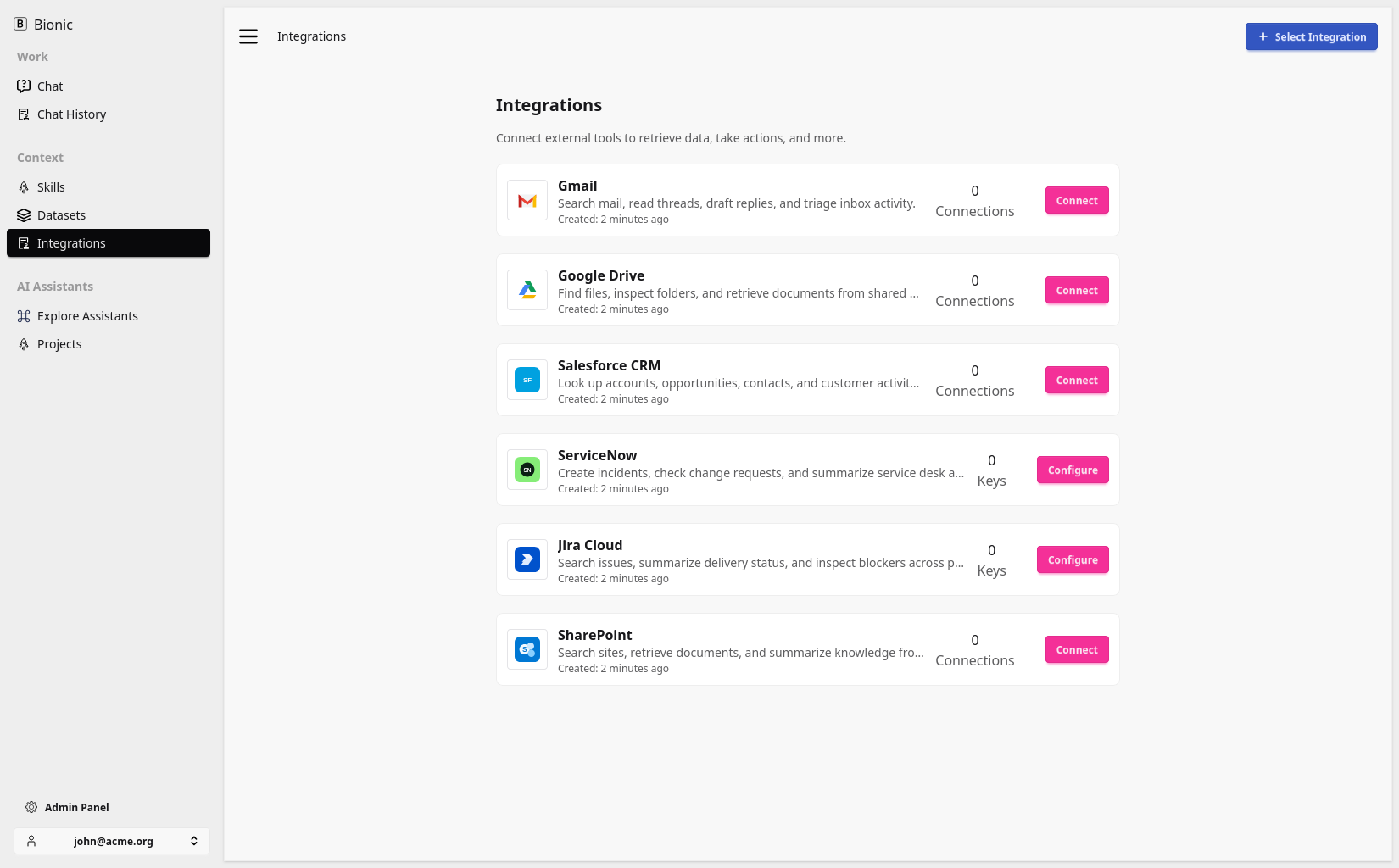
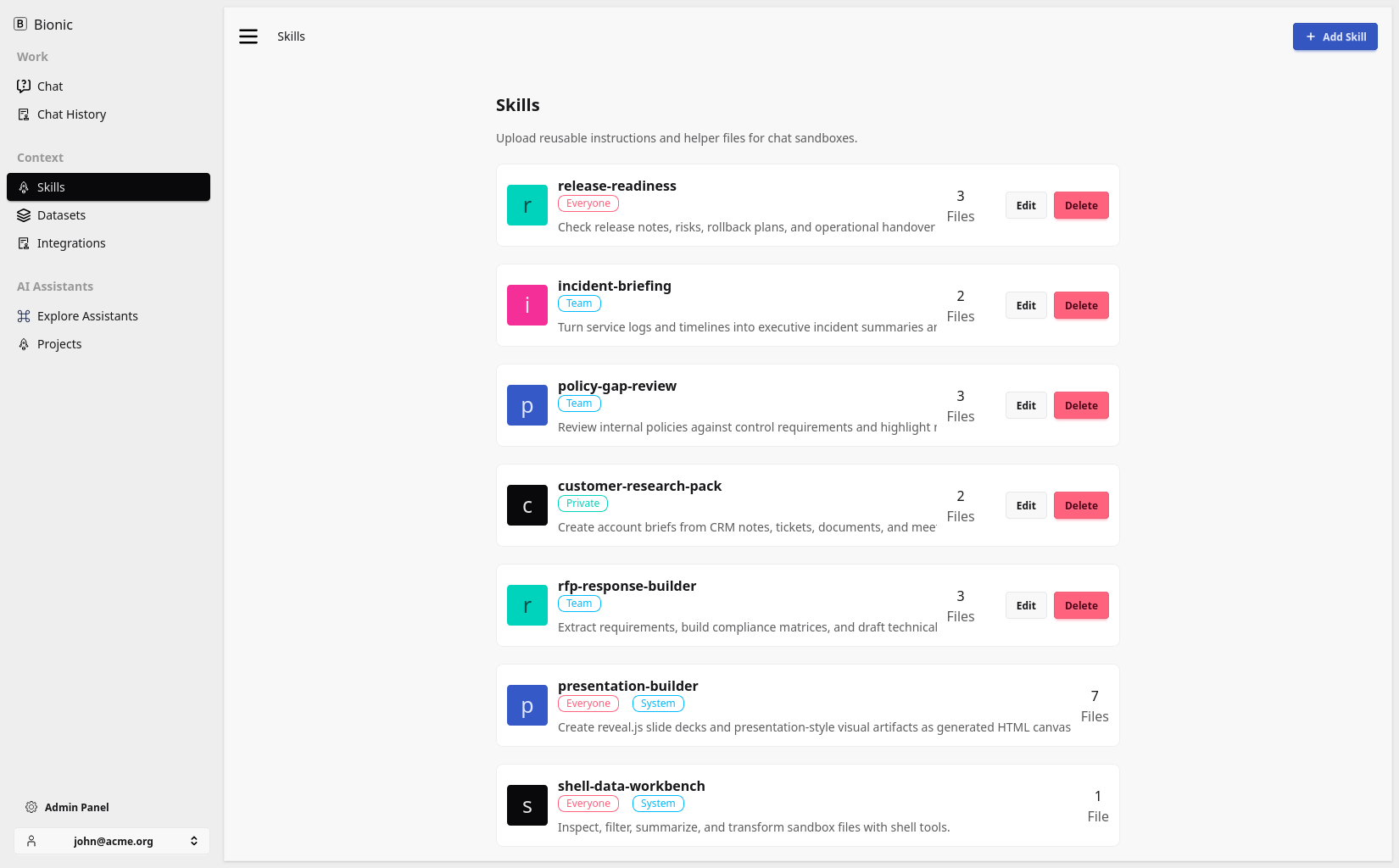
Bionic gives a company its own private AI workspace where models can read documents, use approved tools, run code, and hand back finished files. Staff open a chat, pick a model, and ask for work; the agent searches datasets, calls connected systems including Gmail, Google Drive, Salesforce, ServiceNow, and Jira, and saves spreadsheets, reports, and PDFs as artifacts. Skills package reusable instructions for jobs like release readiness, incident briefings, policy gap reviews, and RFP responses, so a good workflow gets written once and reused by everyone. Datasets collect security policies, product docs, handbooks, and support archives for grounded answers. Administrators manage API keys, watch token usage and request charts, set rate limits, configure providers, and divide people into teams with their own assistants. SSO, role-based access, and an audit trail keep the rollout governed. Developers can issue model and assistant keys and turn any OpenAPI specification into a new integration. Running on a dedicated VPS on RepoCloud with guaranteed CPU, RAM, and SSD, full root SSH access, and a browser serial console. Apache-2.0 licensed.
Benefits
- Give Models Real Work Tools
- The agent runs commands in a sandbox, reads files, and calls approved integrations, so a chat produces finished spreadsheets, reports, and analyses rather than only text replies.
- Govern AI Across The Company
- Teams, role-based permissions, SSO, audit logs, rate limits, and token usage charts give administrators clear control over who uses which model and how much it costs.
- Choose Any Model Provider
- Connect hosted APIs, private inference endpoints, or local models through Ollama, then assign each assistant a model and swap providers later without rebuilding the workspace.
- Keep Sensitive Data In House
- Documents, conversations, and generated files stay in your own database and storage, and the stack can be installed on a private server or in an isolated network.
Features
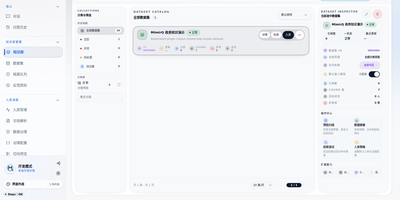
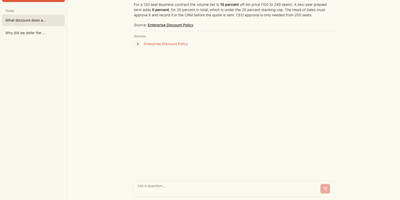
- Dataset Knowledge Bases
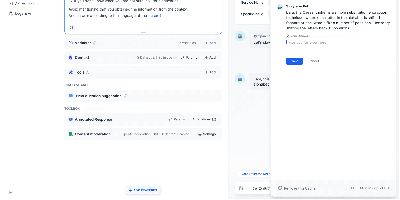
- Create datasets of uploaded documents, mark them for a team or everyone, and let assistants retrieve from them using a chosen embeddings model.
- Curated Integrations Library
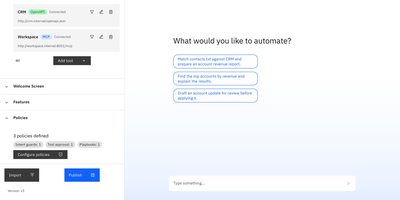
- Connect Gmail, Google Drive, Salesforce, ServiceNow, Jira, and SharePoint, or import an OpenAPI specification to create a custom integration.
- Skills Library
- Browse, create, edit, and share reusable skills with file bundles, and mark each one as private, team, or visible to everyone.
- Developer API Console
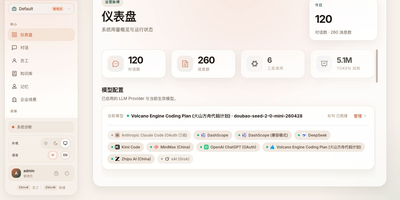
- Issue model and assistant keys, review seven-day token and request charts, and manage rate limits, providers, and document pipelines from one console.
- Teams And Permissions
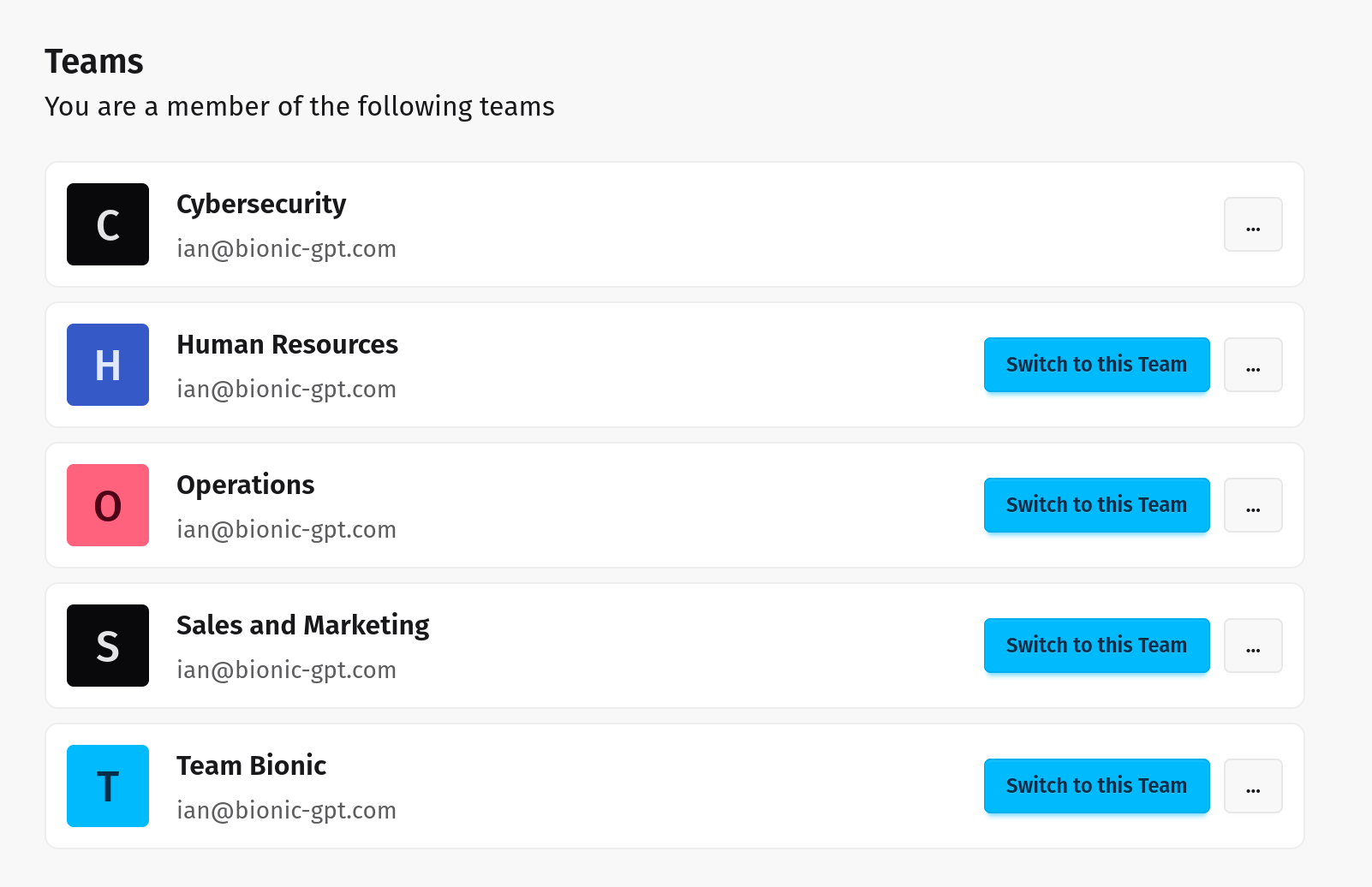
- Group people into teams, switch between them, and apply role-based access with SSO so each department sees only its own assistants and data.
- Artifacts And Canvases
- Generated spreadsheets, documents, and analyses are saved as files you can open from the chat, so results outlive the conversation.