Categories
Self-Hosted Developer Tools Open Source Collaboration Code Review Version Control Quality Assurance Diff ViewerStars
Forks
Watchers
Developer links
Review Board
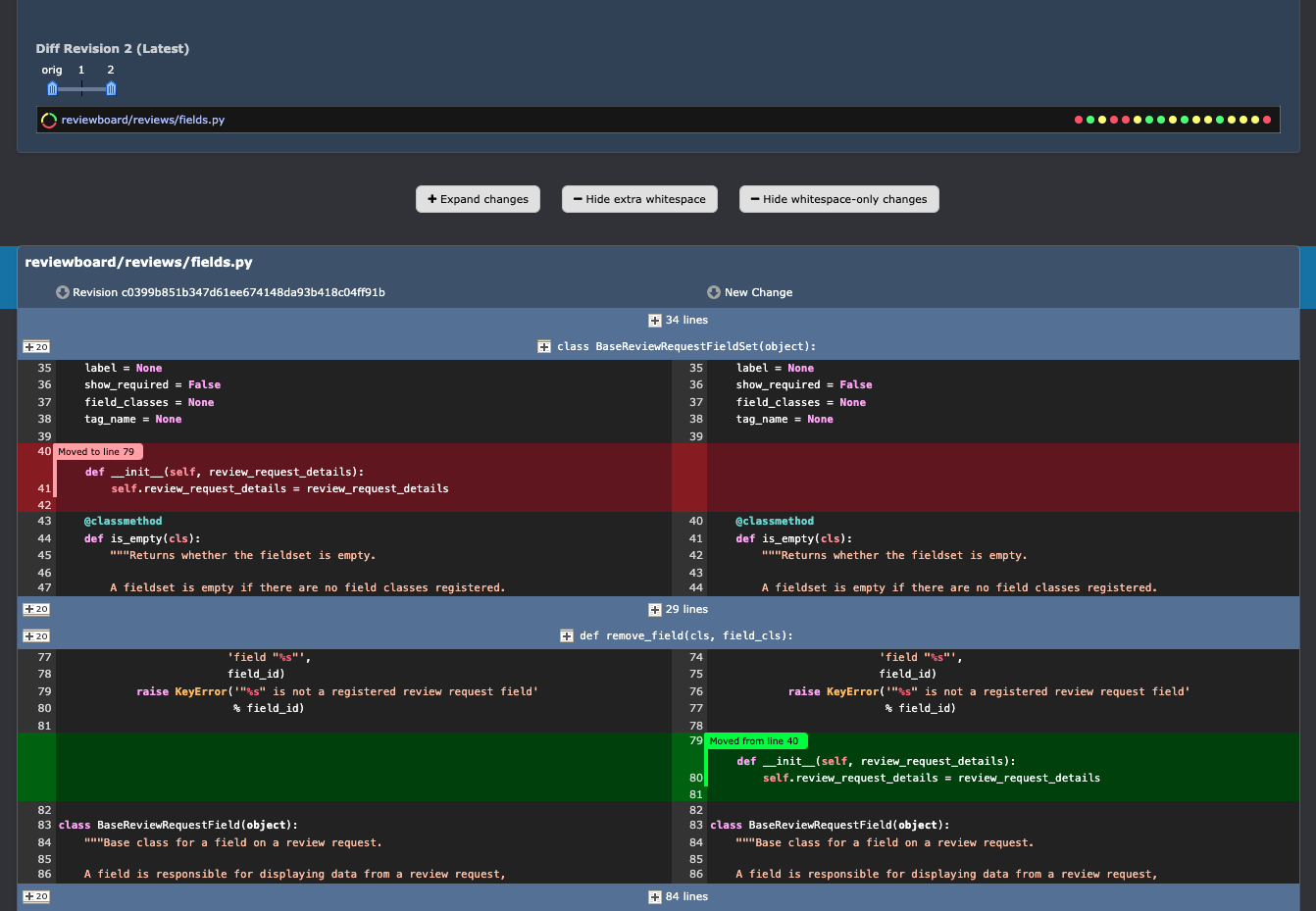
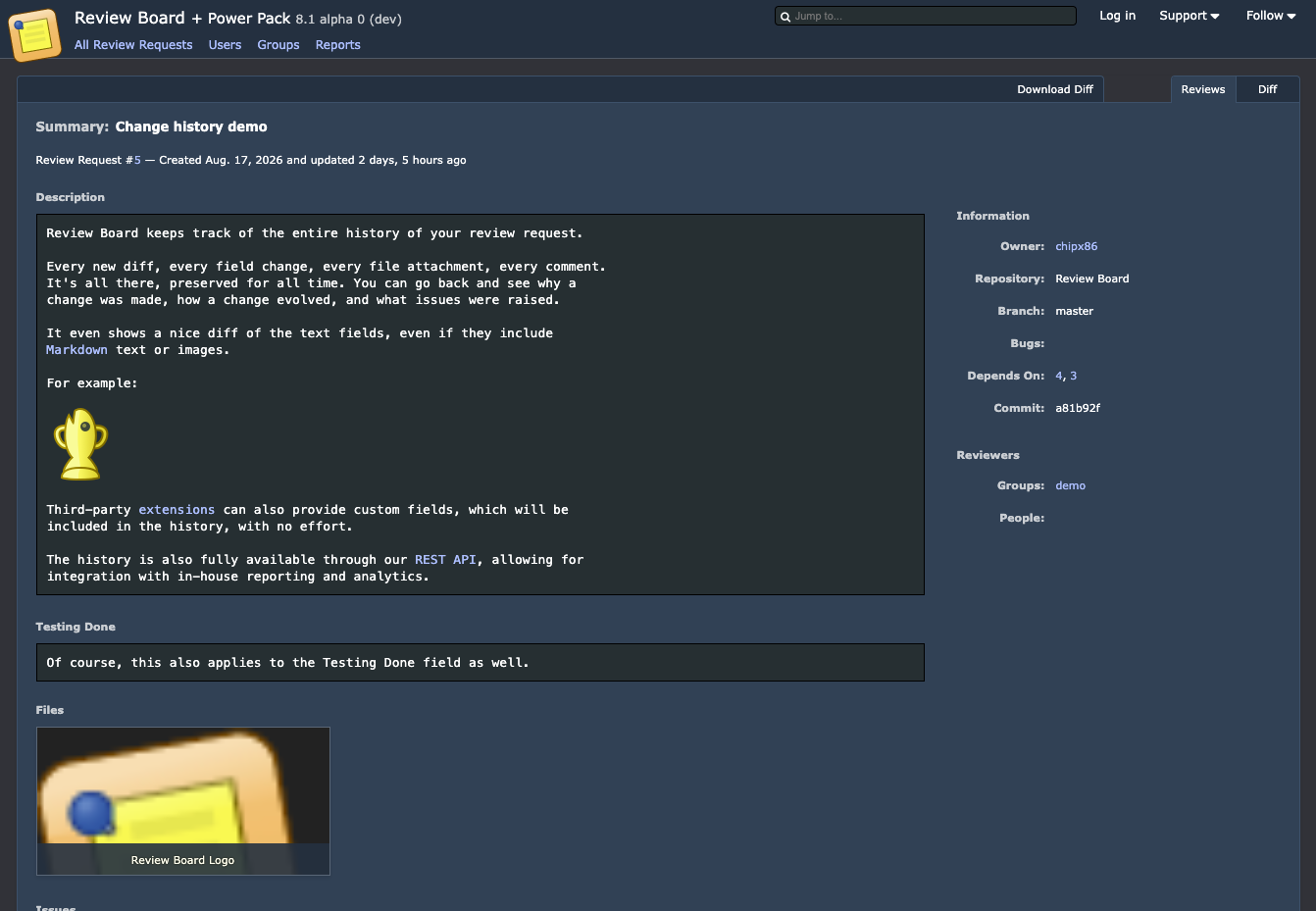
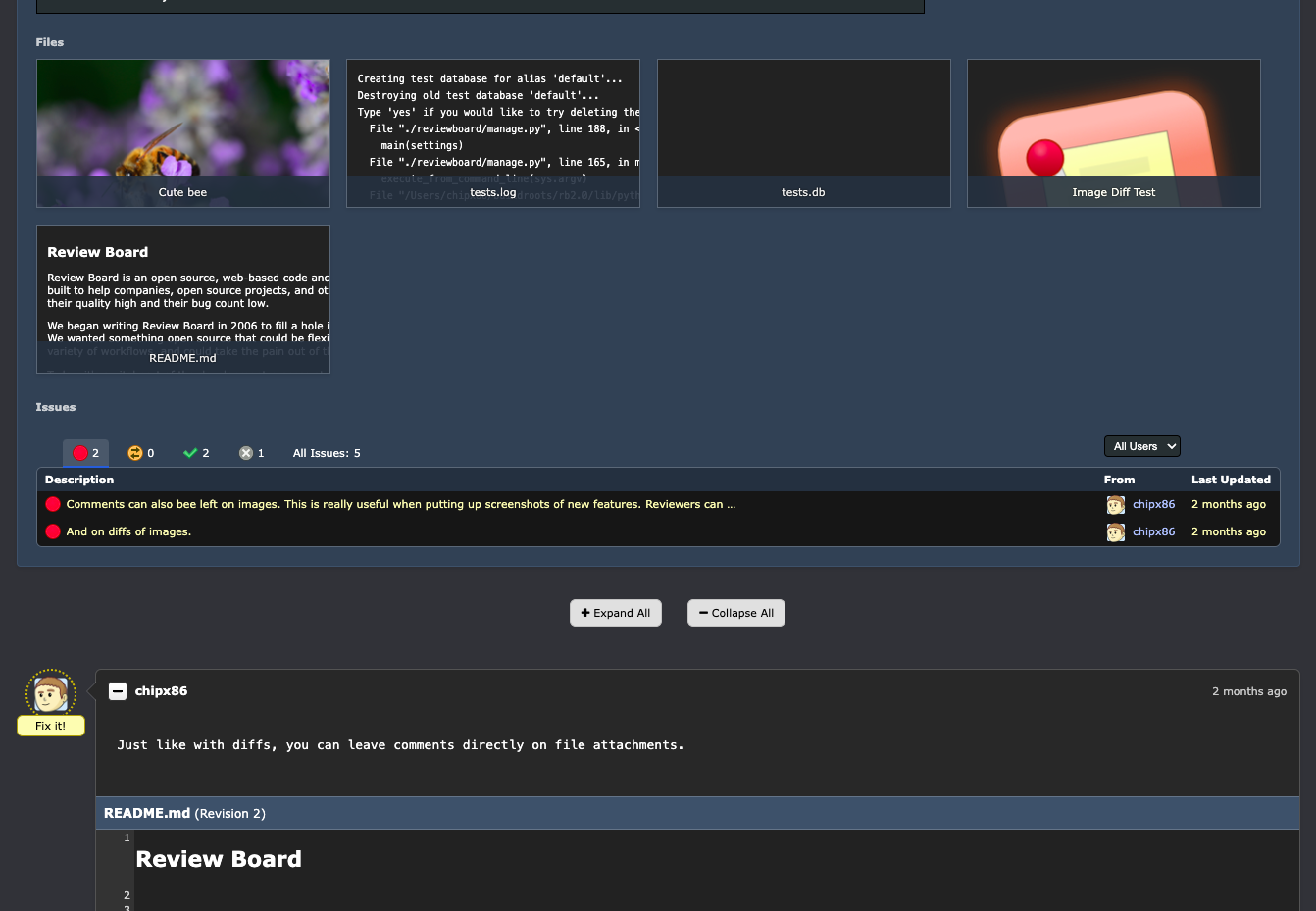
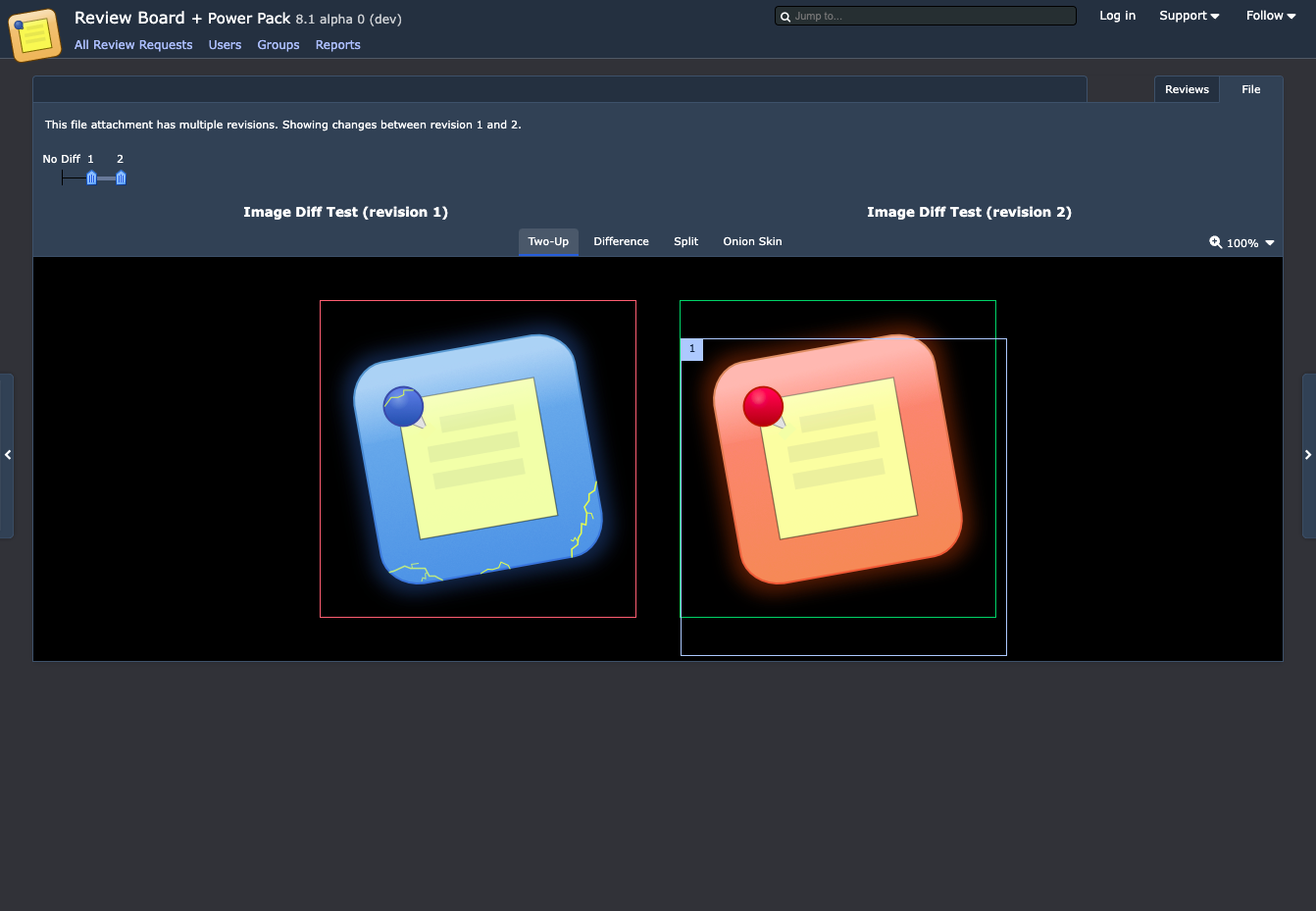
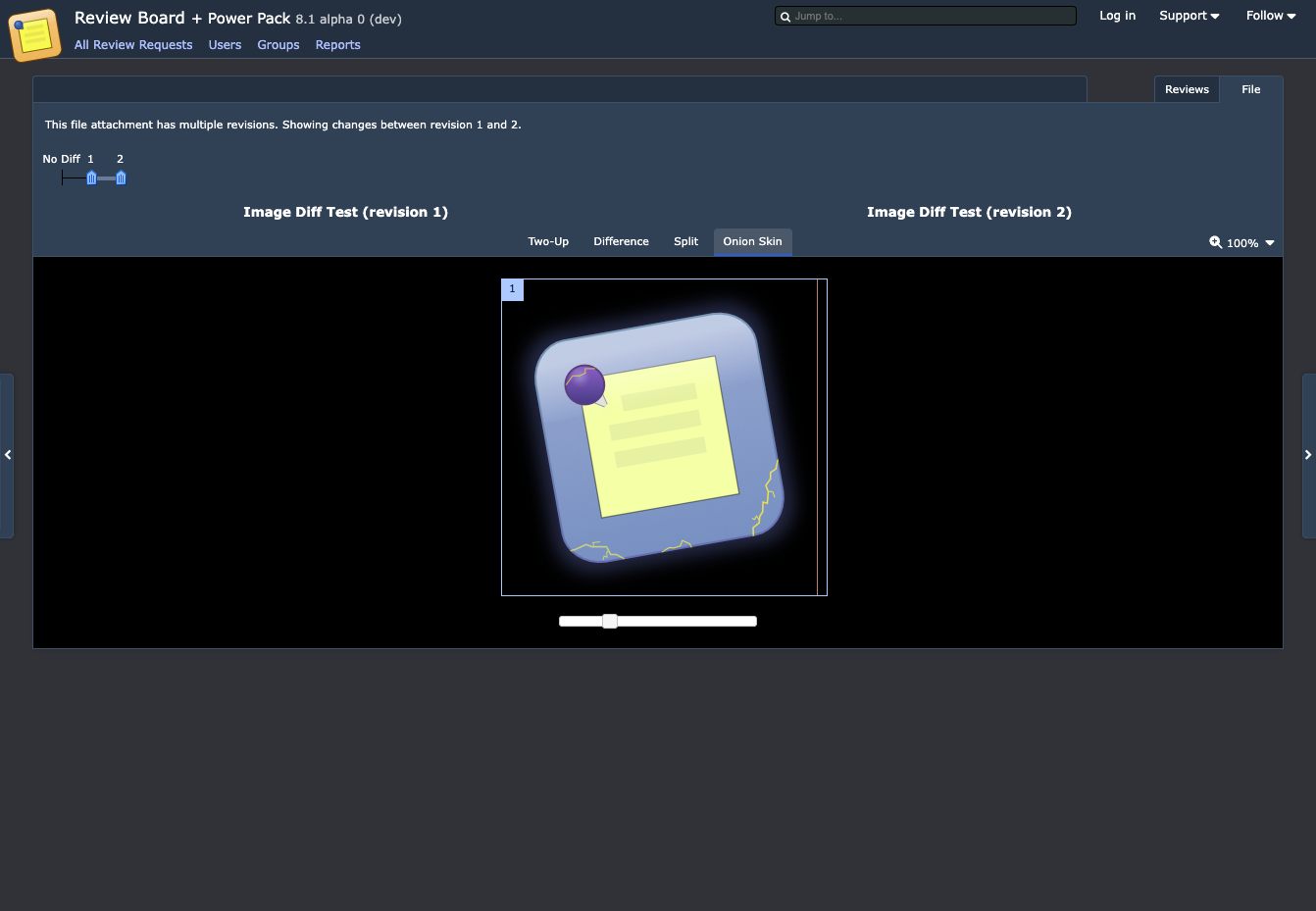
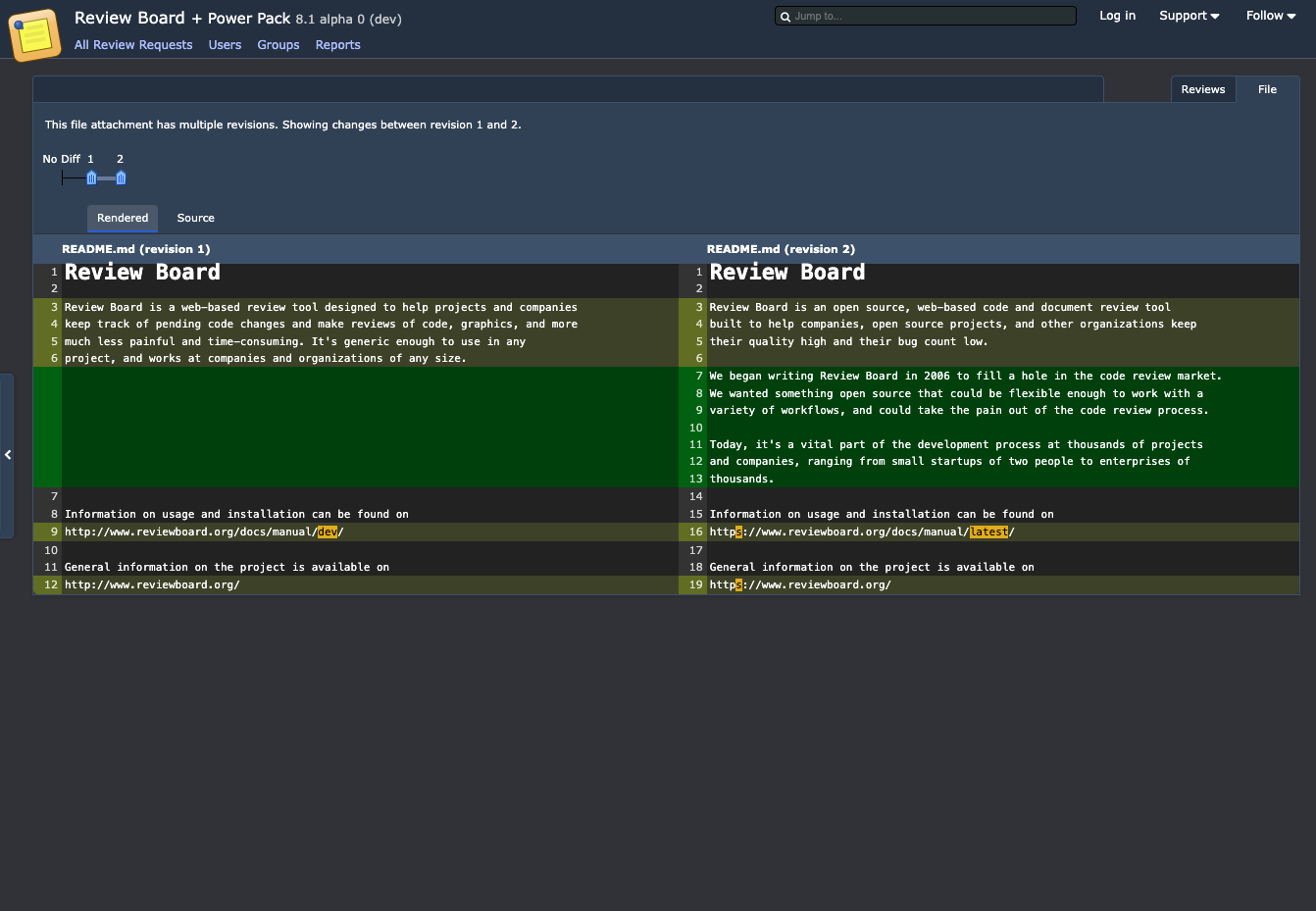
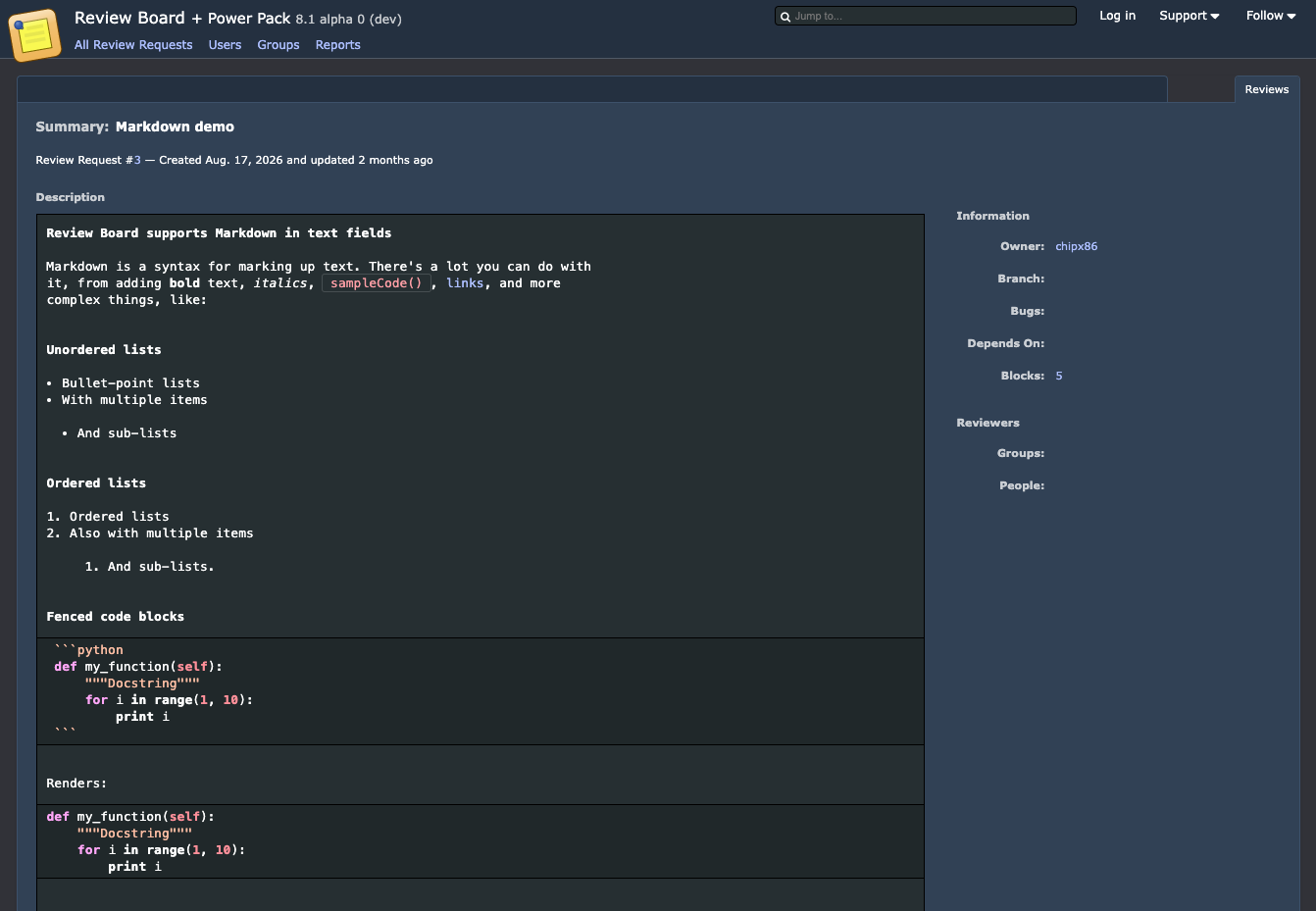
Before a change lands in the main branch, Review Board gives your team a self-hosted code review server where reviewers read the diff, open issues on specific lines, and sign off with a Ship It. Post a review request from the web or with RBTools, either before you commit or after, and every update becomes a new revision that stays in the history. Interdiffs show exactly what changed between revisions, and moved-code detection keeps rearranged blocks from drowning out real edits. Comments can open issues that reviewers later mark fixed or dropped. Images and Markdown files can be reviewed alongside code, with split, onion-skin, color, and side-by-side diffs for pictures. A dashboard with customizable columns separates incoming from outgoing requests by review group. Connect Git, Mercurial, Subversion, or Perforce repositories, including ones hosted on GitHub or GitLab, and review them all on one server. Slack and Discord notifications, Jenkins builds, and Review Bot linters report back inside the review. Private repositories and hidden or invite-only review groups restrict who sees what, with sign-in through Active Directory, LDAP, or SAML 2.0. A REST API, WebHooks, and Python extensions cover custom workflows. Running on a dedicated VPS on RepoCloud with guaranteed CPU, RAM, and SSD, full root SSH access, and a browser serial console. MIT licensed.
Benefits
- Review history that never disappears
- Every revision, comment, issue, and approval stays attached to its review request, giving teams an audit trail for compliance questions and for understanding why past decisions were made.
- Works across mixed source control
- One server reviews changes from Git, Mercurial, Subversion, and Perforce repositories, so teams that have not standardized on a single tool still share one review process.
- Code stays on your own server
- Self-hosting keeps code and review data on infrastructure you control, and the project's FAQ confirms Review Board runs on private networks and in air-gapped environments.
- Official Docker images and compose files
- Official beanbag/reviewboard images can be pinned to latest, a release series, or an exact version, and the sample docker-compose setup adds the database, memcached, and web server it needs.
Features
- Line-by-line diff review
- Diff viewer with interdiffs between revisions, moved-code detection, multi-line comments, and issues that stay open until reviewers mark them fixed or dropped.
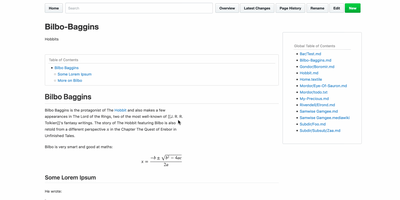
- Image and Markdown review
- Review graphics and Markdown files beside code, with split, color, onion-skin, and side-by-side image diffs for comparing revisions of mockups and game assets.
- Multiple repository types
- Connect Git, Mercurial, Subversion, and Perforce repositories, plus ones hosted on GitHub or GitLab, and post changes from the web UI or the RBTools command line.
- Automation and notifications
- Review Bot posts linter and static analysis results, Jenkins can build posted changes, and Slack channels receive updates when review requests change or discussions start.
- Access control and sign-in
- Private repositories, hidden and invite-only review groups, permission groups, and sign-in through Active Directory, LDAP, NIS, X.509, or SAML 2.0.
- APIs and extensions
- REST API with token policies, WebHooks with custom payloads, and a Python extension framework let teams add policy, interface changes, and internal integrations.