Stars
Forks
Watchers
Developer links
QM
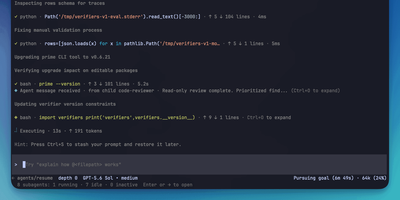
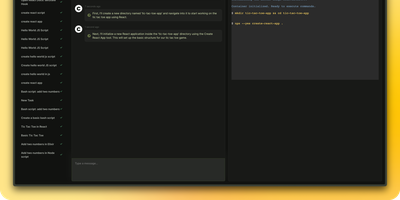
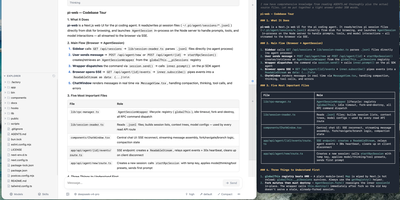
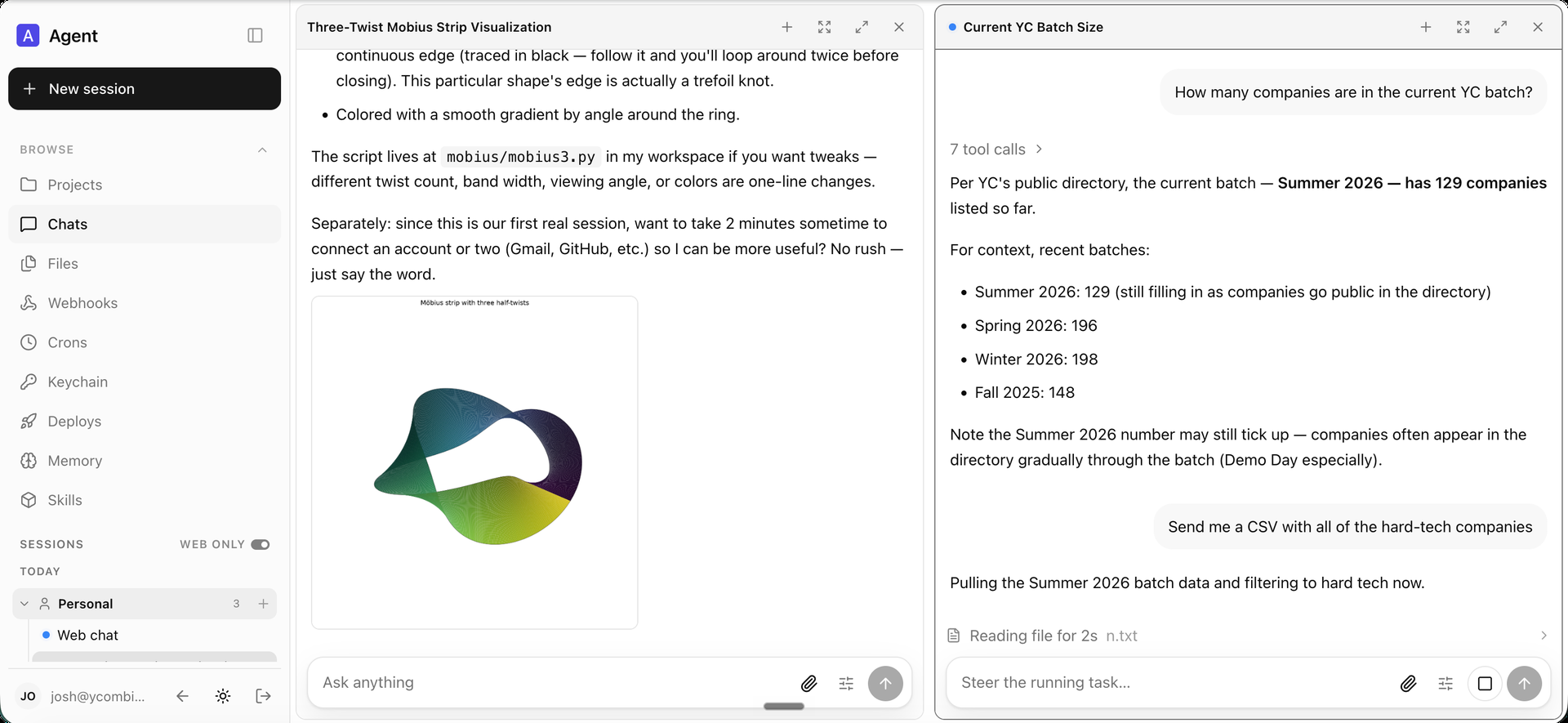
QM is Y Combinator's internal multiplayer agent infrastructure that shifts AI agents from personal assistants to shared company operating layer. The headless TypeScript core runs on Node.js with Fastify handling HTTP, Slack integration via Bolt, and a web UI built with Vite and Lit. PostgreSQL stores sessions, memory, queue state, and audit logs. Every person and every Slack channel gets an isolated sandbox with its own durable file system, installed tools that persist across runs, private memory, keychain view, permissions, and background crons. The harness-agnostic architecture routes agent tasks through Pi, OpenCode, Codex, or Claude Code without vendor lock-in, with production implementations swapping via a single wiring file. Three org-level security postures gate execution: Strict requires human approval for every tool call, Auto applies automated content screening, and Dangerous removes all pauses. Skills are scope-owned and shareable by grant, with admin-gated promotion to the entire organization and skill packs importable from Git repositories. The web apps feature lets agents spin up custom internal applications published to specific users. The qm CLI bootstraps operator-owned deployment directories with digest-pinned release images, infrastructure rendering, secret management, and live verification checks for Docker, Fly.io, or AWS ECS Fargate targets. On RepoCloud, deploy QM on a dedicated VPS with PostgreSQL persistence, Docker socket access, root SSH access, and complete control over your multiplayer agent infrastructure, all under the MIT license.
Benefits
- Multiplayer Agent Scoping
- Every user and Slack channel gets an isolated sandbox with persistent file systems, private memory, permissions, and background crons, enabling both personal and collaborative agent workspaces.
- Harness-Agnostic Model Routing
- Swap between Pi, OpenCode, Codex, and Claude Code behind a single wiring file without vendor lock-in, keeping deployments model-independent as the ecosystem evolves.
- Org-Level Security Postures
- Choose Strict for human-approved tool calls, Auto for automated content screening, or Dangerous for unrestricted execution, with destructive-command denials enforced across all three postures.
- Shareable Skills and Promotion
- Build scope-owned skills that share by grant, promote to the entire organization through admin gates, and import skill packs from Git repositories for company-wide reuse.
Features
- Slack and Web UI
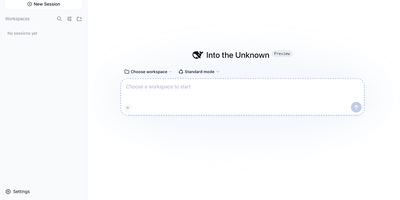
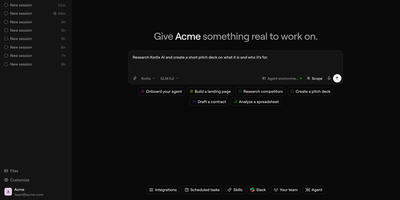
- Same agent identity and configuration carries between Slack channels via Bolt integration and a Vite-powered Lit web interface with admin panel and public portal.
- Durable Sandbox Execution
- Each scope's isolated sandbox persists installed tools, files, and environment across agent runs, providing a durable computer where state accumulates over time.
- Background Crons
- Schedule recurring agent tasks with crons and watches that execute work in the background, enabling automated maintenance, monitoring, and reporting workflows without user presence.
- Operator Cloud Deployment
- The qm CLI bootstraps deployment directories with digest-pinned images, infrastructure rendering, and secret management for Docker, Fly.io, or AWS ECS Fargate targets in operator-owned accounts.
- Internal Web Apps
- Agents spin up custom internal web applications and publish them to specific users, turning agent output into shareable tools accessible through the organization's portal.