Stars
Forks
Watchers
Developer links
Briefer
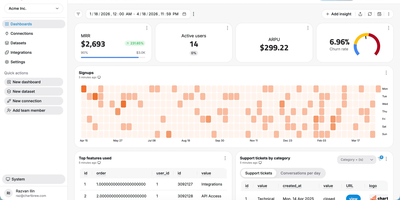
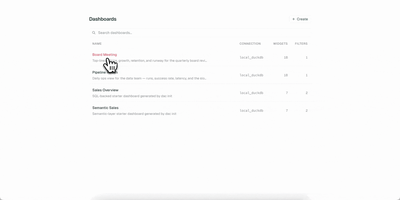
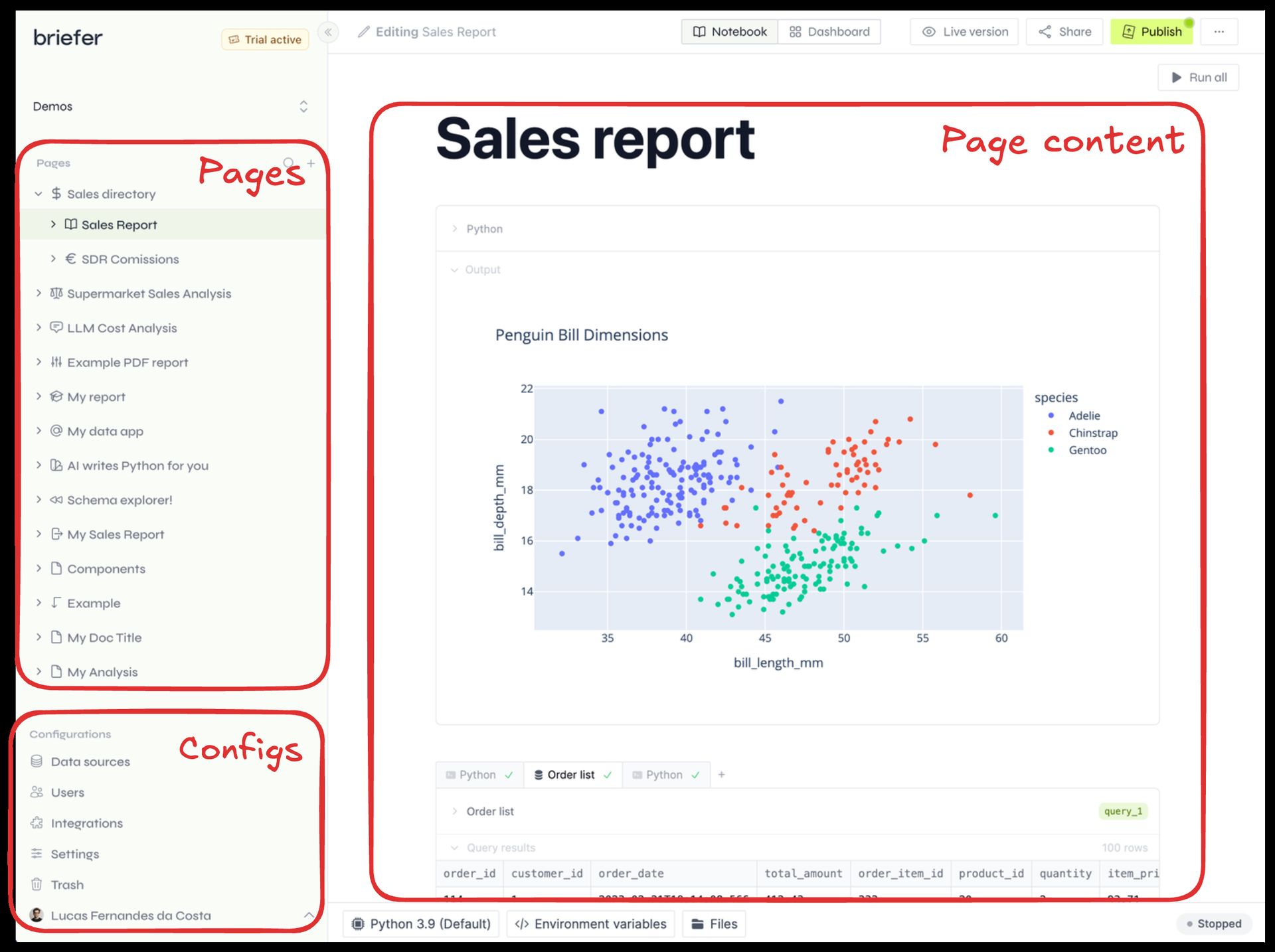
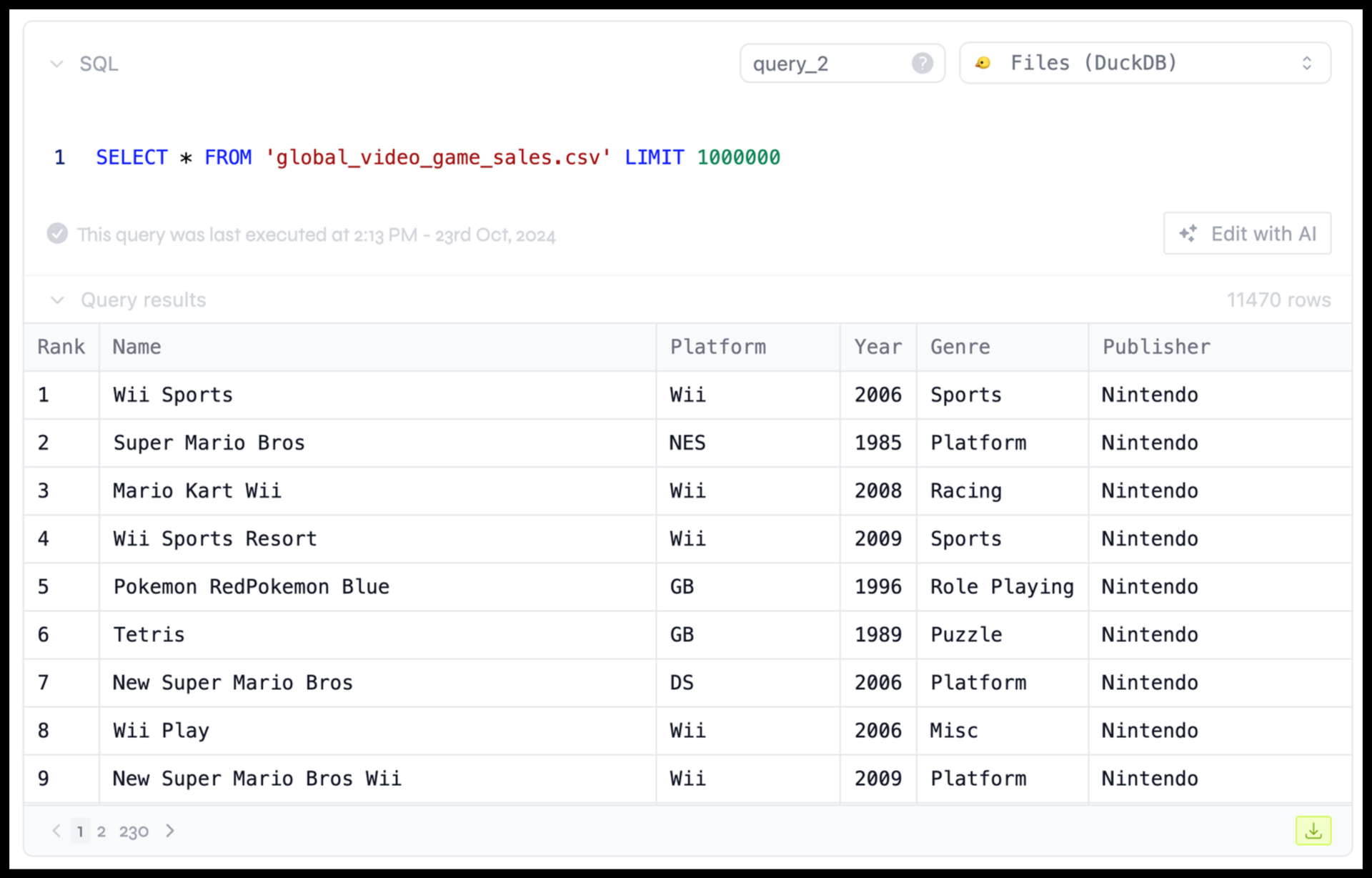
Backed by Y Combinator with 4,300 GitHub stars and growing rapidly since its September 2024 launch, Briefer delivers the first truly unified notebook-and-dashboard platform that eliminates the fragmented workflow of juggling Jupyter for analysis, Tableau for visualization, and Notion for documentation — combining all three in a single Notion-like workspace where SQL query results automatically become Python DataFrames accessible in subsequent code blocks. The built-in AI analyst understands your database schema and notebook context to generate SQL queries, write Python transformations, create visualizations, and fix errors on demand using configurable OpenAI or private LLM backends. Connect directly to PostgreSQL, MySQL, BigQuery, Redshift, Snowflake, and Amazon Athena as data sources, or upload CSV files for immediate analysis. Native point-and-click visualizations produce charts, tables, and dashboards without writing code, while interactive data apps use inputs, dropdowns, and date pickers to create parameterized reports for non-technical stakeholders. Scheduled execution runs notebooks and dashboards periodically with results delivered via Slack integration or public shareable links. Write-back queries modify production data directly from notebooks for ad-hoc pipeline testing. The architecture runs as three Docker containers — web frontend, API server, and optional AI service — backed by PostgreSQL and a Jupyter server for Python execution, deployable via single Docker command, Docker Compose, or Helm charts for Kubernetes. Running on a dedicated VPS on RepoCloud with guaranteed CPU, RAM, and SSD, full root SSH access, and a browser serial console. AGPLv3 licensed.
Benefits
- Unified Notebooks and Dashboards
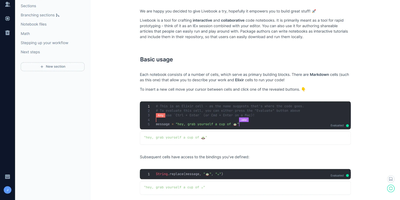
- Eliminates switching between Jupyter, BI tools, and documentation wikis by combining SQL queries, Python analysis, visualizations, and Markdown documentation in a single collaborative workspace.
- AI-Powered Code Generation
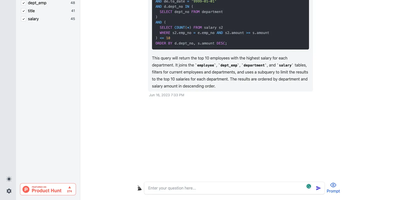
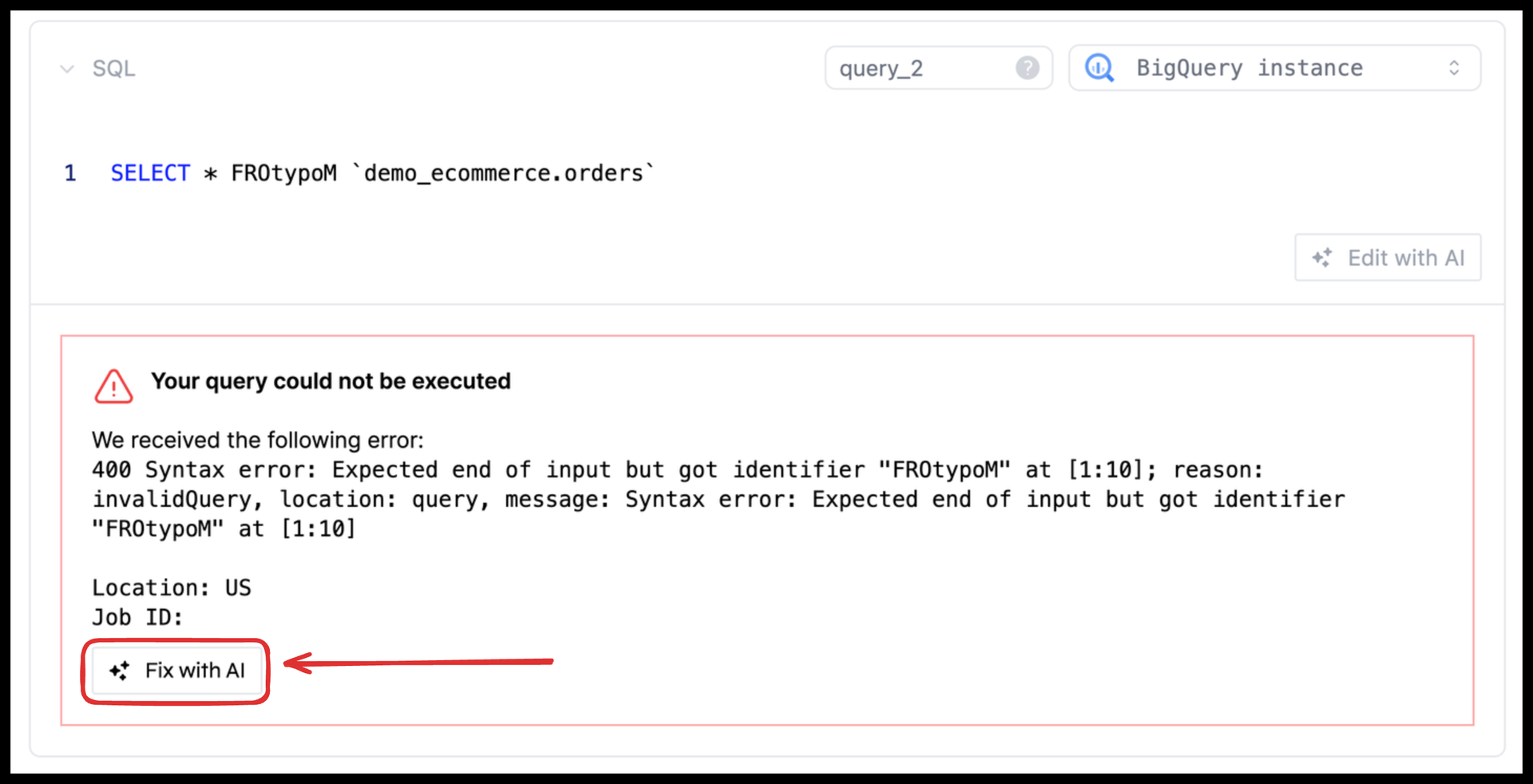
- Built-in AI analyst inspects database schemas and notebook context to generate SQL queries, write Python transformations, suggest fixes for errors, and create visualizations from natural language prompts.
- Multi-Database Source Connectivity
- Connects natively to PostgreSQL, MySQL, BigQuery, Redshift, Snowflake, and Amazon Athena with schema exploration, automatic DataFrame conversion, and identity forwarding for fine-grained access control.
- Non-Technical User Friendly
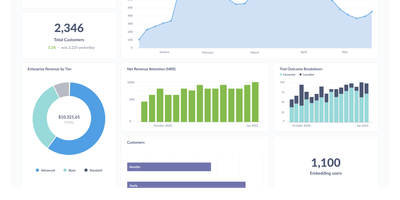
- Interactive data apps with inputs, dropdowns, and date pickers let business stakeholders explore parameterized reports and dashboards without writing SQL or Python code.
Features
- SQL and Python Blocks
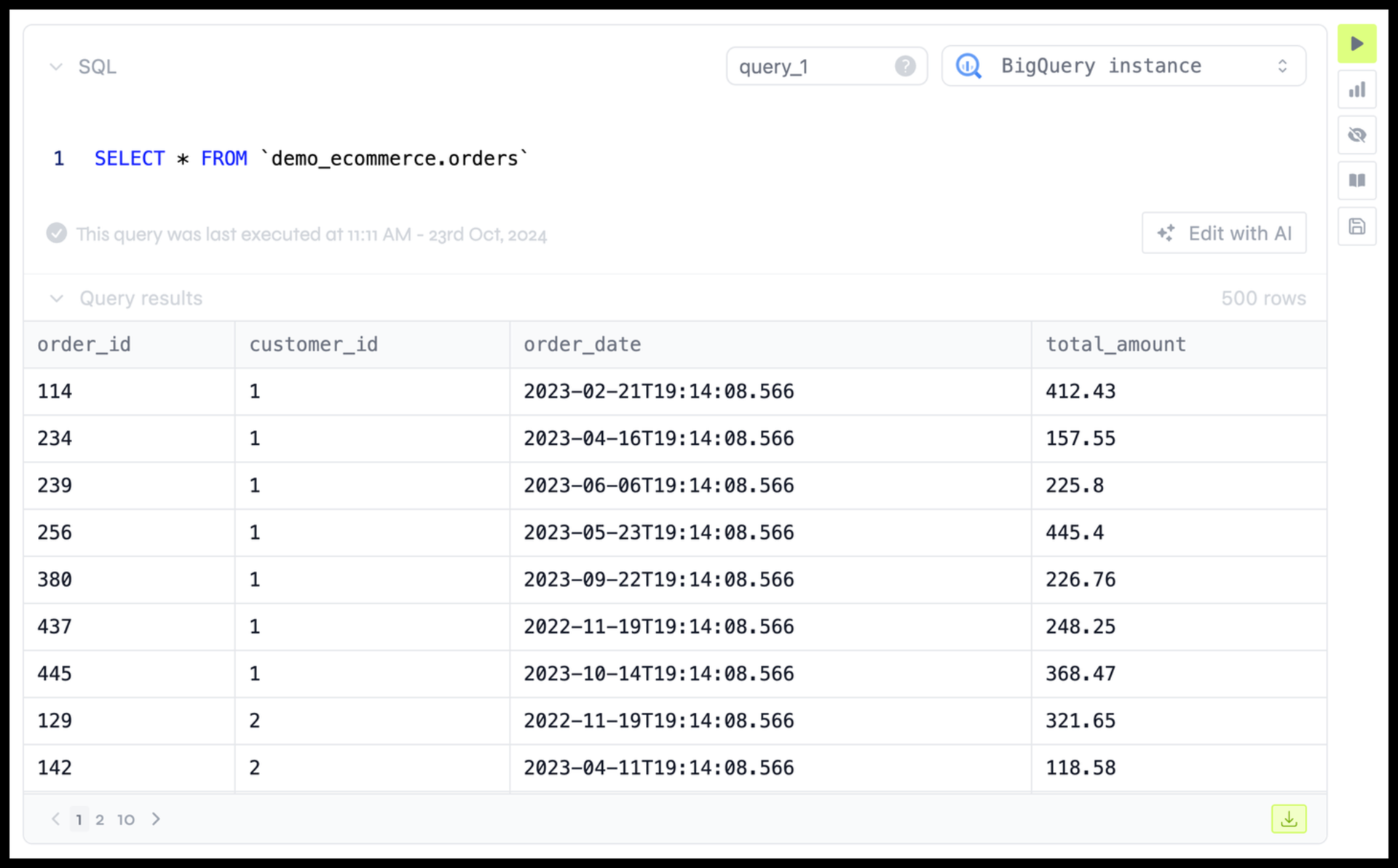
- Write SQL against connected data sources with results automatically stored as Pandas DataFrames in named variables accessible by subsequent Python blocks.
- Native Visualizations
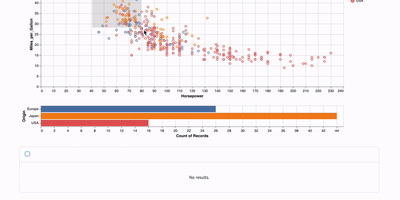
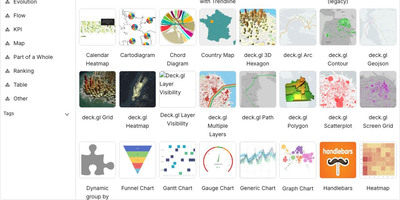
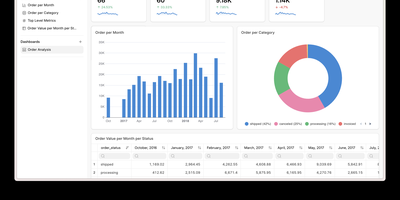
- Point-and-click chart builder creates bar, line, scatter, area, and table visualizations from query results without writing Matplotlib or Plotly code.
- Scheduled Execution
- Cron-based scheduling runs notebooks and dashboards periodically, generating snapshots and delivering updated results via Slack notifications or public links.
- Schema Explorer
- Inline database schema browser shows tables, columns, types, and relationships with auto-refresh, helping users write accurate queries without external documentation.
- Write-Back Queries
- Execute INSERT, UPDATE, and DELETE statements directly from notebook blocks to test ad-hoc data pipelines against connected databases with full transaction support.