Categories
AI Agents Workflow Automation Business Automation Low Code Robotic Process Automation Process Automation Desktop AutomationDeveloper links
Astron RPA
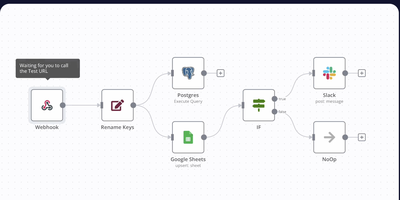
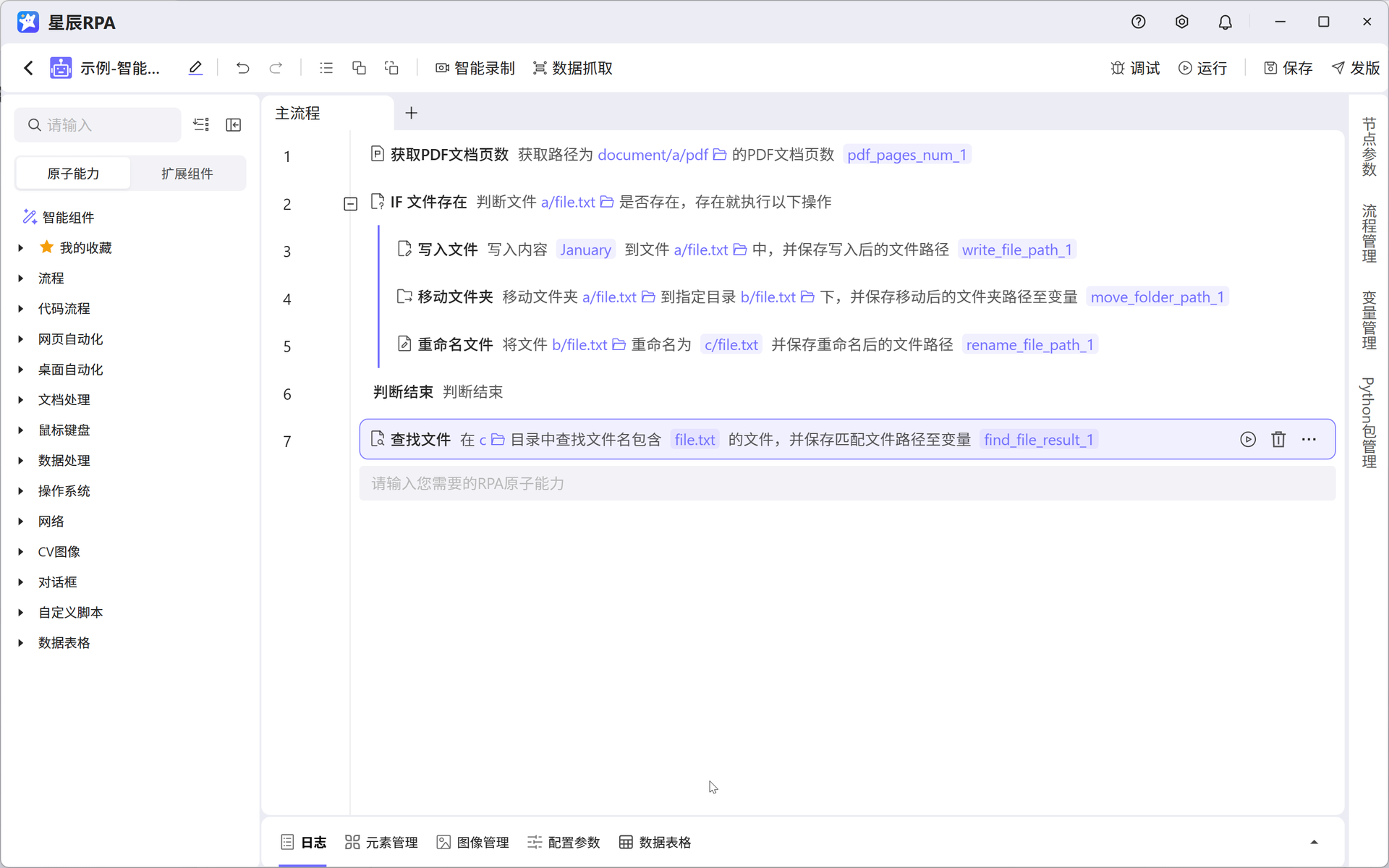
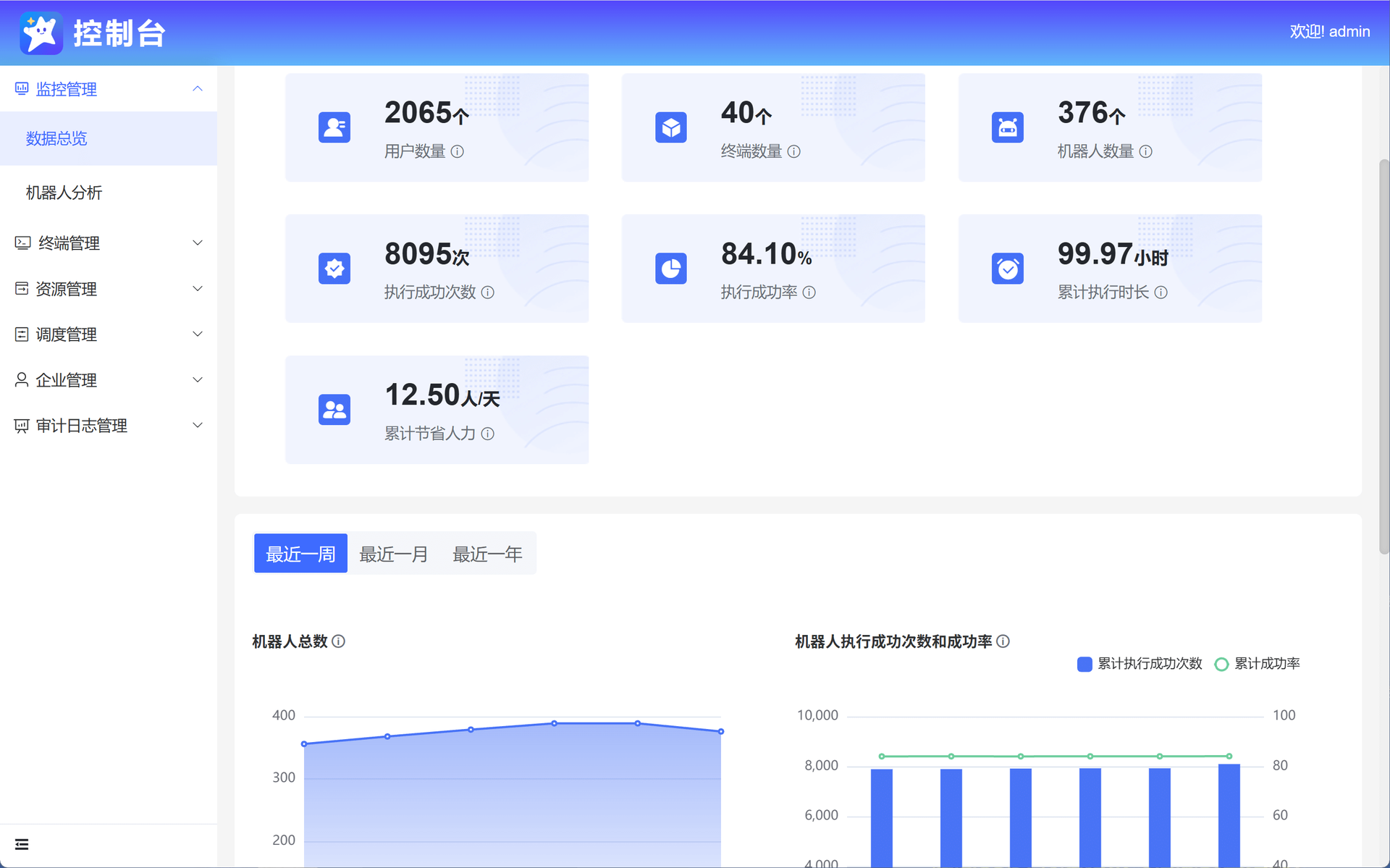
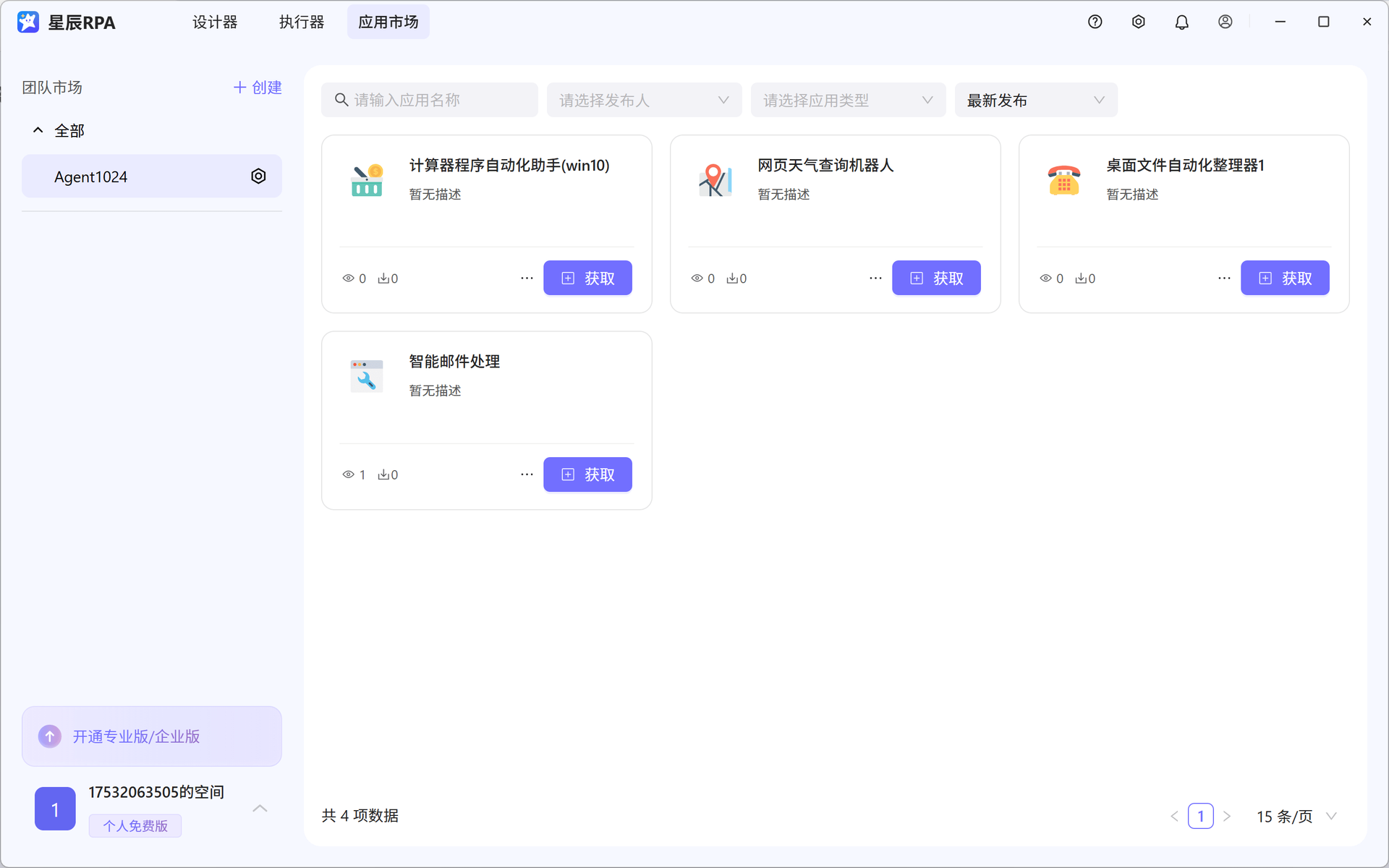
The invoices, reconciliations, and report downloads your team repeats every week are exactly the work a robot should be doing at 2 a.m. Astron RPA is an open-source robotic process automation platform: business users assemble workflows in a visual designer from more than three hundred pre-built components for clicking through desktop applications, driving browsers, reading and writing Excel and PDF files, querying databases, and calling APIs, then robots execute those workflows on schedule, on demand, through API calls, or through MCP services. The platform covers Windows desktop software and web pages alike, reaching office suites, browsers, and the finance and ERP systems that never grew an API, and Python scripting extends any step the components do not cover. A built-in excellence center and team marketplace let organizations publish shared automations, manage permissions, monitor executions, and reuse each other's robots across departments instead of rebuilding the same process ten times. AI components and a native agent platform connect language models to the workflows, so an agent can reason about a task and hand the clicking to a robot, and a workflow can call the agent back when judgment is needed. Self-hosters run the control plane themselves with Docker: database, identity service, and web console behind their own domain and certificates. Running on a dedicated VPS on RepoCloud with guaranteed CPU, RAM, and SSD, full root SSH access, and a browser serial console. Apache-2.0 licensed.
Benefits
- Robots Run Repetitive Desktop Work
- Pre-built components click, type, and navigate through desktop applications and web pages the way a person would, covering office suites, browsers, and older business systems that expose no interface for software to call.
- Visual Designer Lowers The Barrier
- Process design and debugging happen in a visual drag-and-drop environment, so business users can build and adjust automations themselves instead of waiting on developers for every repetitive task in their department.
- Shared Robots Across The Organization
- An excellence center and team marketplace let departments publish finished automations, share robot capacity, and reuse each other's work, with permission controls that keep sensitive processes limited to the teams that own them.
- Agents And Robots Work Together
- A native agent platform calls RPA workflow nodes directly, and workflows call agents back for judgment calls, combining language model reasoning with deterministic execution across desktop software and browser tasks.
Features
- Visual Workflow Designer
- Drag-and-drop process design with debugging assembles workflows from more than three hundred pre-built components, with Python scripting available for steps the components do not cover.
- Broad Automation Coverage
- Workflows span Windows desktop applications and web pages alike, reaching office documents, browsers, and finance and ERP systems, with Excel, PDF, and database processing built into the component library.
- Flexible Execution Triggers
- Robots run directly, on schedules, through API calls, and as MCP services, so automations can be started by people, by clocks, or by other systems inside an existing integration landscape.
- Excellence Center And Marketplace
- Enterprise modules provide process publishing, permission control, robot team sharing, and execution monitoring, turning local automations into managed organization-wide assets instead of scattered personal scripts.
- Agent Platform Integration
- The native agent platform invokes RPA workflow nodes and accepts calls in return, enabling two-way collaboration between intelligent agents and robotic execution for tasks mixing reasoning with interface work.
- Self-Hosted Docker Deployment
- The server stack runs from Docker Compose with database, identity service, and web console, deployed behind the operator's own domain and certificates with centralized scheduling and control.