Minecraft Server Manager
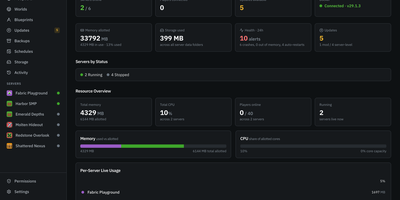
One Minecraft server is easy, but a Fabric test world, a Paper survival realm, and a Forge modpack on the same machine need a proper control room. Minecraft Server Manager runs every server as its own resource-capped container and offers create, start, stop, restart, rebuild, and delete from the browser, with a graceful RCON stop and crash detection. A guided wizard offers Simple and Advanced modes with plain-English help. Modpacks stay pinned to an exact version, and upgrades come with a preview, an automatic backup, health monitoring, and one-click rollback. Search Modrinth, CurseForge, Hangar, SpigotMC, and GitHub Releases from one browser, add mods by link, or import .mrpack files and zips, with checksum-verified downloads. A live console streams logs with filters and an RCON command bar, and player tools cover whitelists, ops, bans, IP bans, and teleports. Cron schedules run restarts, backups, and RCON commands, backups follow retention rules, and storage analytics enforce disk quotas. Crash reports are parsed and can be shared to mclo.gs for automated insights, and blueprints export a server as a recipe. A one-click BlueMap live map and an optional public status page show the world off. Admin, operator, and viewer roles with per-server permissions keep helpers in their lane. Friends-only survival worlds, modded community realms, and hosts running many test servers are what it was built for. Running on a dedicated VPS on RepoCloud with guaranteed CPU, RAM, and SSD, full root SSH access, and a browser serial console. MIT licensed.
Zomboid Control Panel
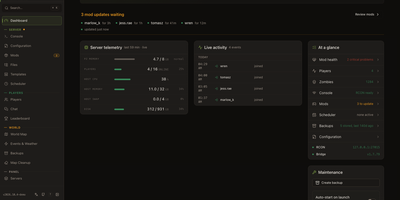
Friends are joining your Project Zomboid server, a mod just broke, and the log is scrolling faster than anyone can read. Zomboid Control Panel puts the fix in a browser tab. Start, stop, restart, and save the server from a dashboard that shows status, uptime, players online, host memory and CPU, disk space, and mods waiting for updates. A setup wizard installs a fresh Build 41 or Build 42 server through SteamCMD, or connects to one that already exists locally or over RCON. The mod manager tracks Workshop items, flags updates, imports Steam collections, scans for file conflicts, duplicate mod IDs, and missing dependencies, and sorts the load order. A structured INI editor covers server settings, sandbox options, spawn points, and regions, with a raw view for power users. Player pages handle kicks, bans, whitelists, access levels, and notes, and the live world map shows who is where. Events and weather controls trigger storms, hordes, and sounds. A scheduler runs timed restarts with countdown warnings, backups keep restorable world snapshots, and a Discord bot relays chat and answers slash commands. Admin, technician, moderator, and custom roles, plus OpenID Connect sign-in, decide who touches what. Community servers with several moderators, friends-only worlds, and hosts managing multiple servers from one panel all fit. Running on a dedicated VPS on RepoCloud with guaranteed CPU, RAM, and SSD, full root SSH access, and a browser serial console. MIT licensed.
Depl0y
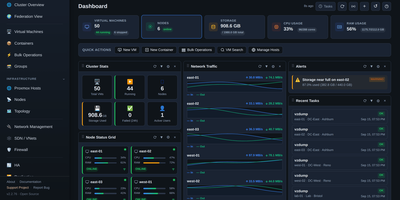
Three Proxmox sites, a lab host in the corner, and a rack of Dell and HPE servers can all share one screen when Depl0y runs the show. The dashboard totals virtual machines, containers, CPU, RAM, storage, and network traffic across every registered endpoint, with draggable widgets, alerts, and recent task feeds. Virtual machine pages cover start, stop, restart, snapshots, cloning, migration, templates, and a browser console, and node pages add metric charts, storage, networking, and update status. A guided failover wizard checks quorum, storage, and disks, then protects a guest so it restarts on another node if its host fails. A topology view maps hosts, guests, bridges, storage, and BMCs, with PNG, SVG, and draw.io export. Hardware pages poll iDRAC and iLO for health, temperature, power draw, DIMMs, drives, and firmware, and power controls reach machines that are fully off. Deployment tools build VMs from cloud images, import OVA, VMDK, and QCOW2 files, and launch self-hosted LLM guests. Admin, Operator, and Viewer roles, TOTP, host pinning, and a searchable audit log keep access tidy. MSPs managing client clusters, homelabs with several nodes, and data center teams that want hypervisor and hardware status together are the target audience. Running on a dedicated VPS on RepoCloud with guaranteed CPU, RAM, and SSD, full root SSH access, and a browser serial console. MIT licensed.
Louez
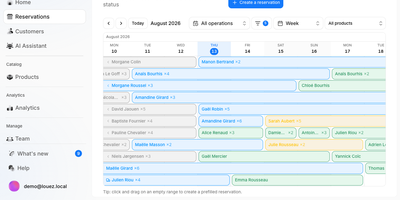
Bikes, cameras, party tents, power tools: if you hand it out by the day, Louez runs the booking desk for you. Each shop gets a branded online catalog where customers filter products, pick pickup and return times, and see real availability before they check out. Behind it sits a dashboard with a reservation calendar and planning timeline, a product catalog with stock and tiered pricing, and a customer database with full booking history. Pricing supports duration discounts, seasonal rates, and promo codes, and a simulator previews what a rental will cost. Every reservation can generate a PDF contract, send confirmation and reminder emails, and take deposits, with Stripe payments as an optional extra. Customers get a passwordless portal to follow their bookings, and staff get roles and permissions through team invitations. Equipment inspections, delivery options, multi-store overviews with revenue and occupancy charts, and API keys round out the toolkit, and the interface ships in thirteen languages. Use it for a bike hire shop, a tool library, an AV rental company, or a community gear pool. Running on a dedicated VPS on RepoCloud with guaranteed CPU, RAM, and SSD, full root SSH access, and a browser serial console. AGPL-3.0 licensed.
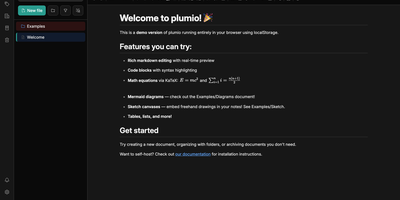
plumio
Notes belong on a server you control, and plumio gives them a quiet, fast home there with a polished markdown editor and a live preview. Write headings, task lists, tables, code blocks, math equations, and Mermaid diagrams in one document, then add a freehand sketch canvas for quick drawings. Each change saves as you type. Folders, tags, and custom colors keep a growing library tidy, favorites keep the important pages close, and full-text search finds a half-remembered phrase in seconds. Turn on AES-256 encryption and every document is protected at rest on disk. One instance can host several users and several organizations, so a family, a study group, or a small company each gets a separate workspace with roles for admins and members. Deleted notes land in a trash and archived ones stay out of the way until needed. Export everything as a zip of plain markdown files, or import a folder from another editor, Obsidian included. Webhooks announce document events to other services, API keys let scripts create and search notes, and optional SMTP email handles password resets. A daily backup job keeps compressed copies with automatic retention, and a desktop app can connect to your server. Running on a dedicated VPS on RepoCloud with guaranteed CPU, RAM, and SSD, full root SSH access, and a browser serial console. AGPL-3.0 licensed.
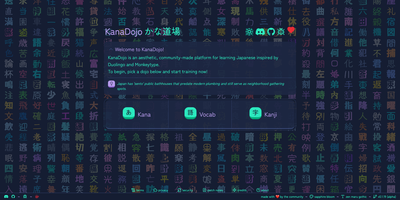
KanaDojo
Pick a dojo, pick a few characters, and start drilling Japanese in seconds with KanaDojo, a clean practice app inspired by Duolingo and Monkeytype. The Kana dojo covers hiragana and katakana, with base, dakuon, and yoon sets that can be selected group by group. The Kanji dojo follows JLPT levels from N5 to N1 and shows on and kun readings with meanings beside each character, and the Vocabulary dojo drills common everyday words grouped into the same five units. Four game modes keep practice varied: pick the answer, reverse pick, type the answer, or type it in reverse. Instant feedback, running scores, and streak counters make each session feel like a game. Progress pages track statistics, daily streaks, and more than eighty achievements, and pronunciation buttons read the readings aloud. Preferences control furigana, sound effects, and visual effects, and over one hundred themes plus a collection of Japanese fonts let learners set the mood. The layout adapts to desktop, tablet, and phone screens. Use it as a personal study companion, a classroom or club practice site, or a quick daily warm-up before reading manga or watching anime. Running on a dedicated VPS on RepoCloud with guaranteed CPU, RAM, and SSD, full root SSH access, and a browser serial console. AGPL-3.0 licensed.
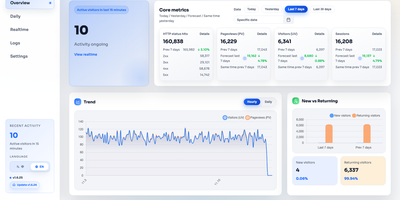
NginxPulse
Your web server already keeps a diary of every visitor, and NginxPulse reads it and turns it into dashboards, with no tracking script added to your pages. Point it at an access log and it reports pageviews, unique visitors, sessions, bounce rate, and status code breakdowns, each compared with the previous day or week. A realtime view follows active visitors over the last five, fifteen, or thirty minutes, with device mix, top pages, referrers, browsers, and cities. The daily report adds traffic sources, entry pages, a page URL filter, and an anomaly panel for 5xx errors and slow requests. Logs from Nginx, Caddy, Nginx Proxy Manager, Apache, IIS, HAProxy, Traefik, Envoy, and SafeLine WAF are parsed out of the box, and a custom regex covers anything else. Sources can be local files, rotated or gzipped archives, SFTP, HTTP, S3 buckets, or small push agents running on other machines. A raw log explorer offers search, filters, sorting, export, and reparsing, and a mobile view and dark theme come included. A setup wizard walks you through adding the first site. Self-hosted blogs, homelab reverse proxies, and agencies watching client sites all get privacy-friendly traffic stats from logs they already have. Running on a dedicated VPS on RepoCloud with guaranteed CPU, RAM, and SSD, full root SSH access, and a browser serial console. MIT licensed.
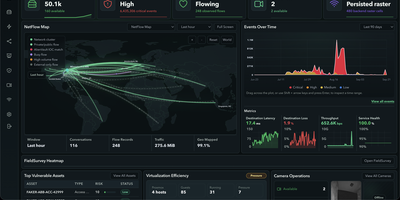
ServiceRadar
Most teams juggle five consoles to watch one network, and ServiceRadar replaces them with a single operations dashboard for flows, topology, logs, metrics, and alerts. Agents deployed at remote sites keep collecting checks even when the link drops, then deliver their stored records once the connection returns. Discovery over SNMP, LLDP, and CDP builds a topology map that shows traffic between devices, and a NetFlow map traces conversations across the world. Telemetry arrives from OpenTelemetry, syslog, GELF, SNMP polling and traps, BGP, and NetFlow or IPFIX exporters, and a short key:value query language filters any of it. An anomaly engine groups spikes and drift into episodes, so operators get one durable alert instead of a hundred noisy ones. Notification routes with escalation policies page people through Slack, Discord, email, or webhooks, and a delivery log records every attempt. Security views gather scanner findings, threat intelligence matches, and DNS activity, and Ansible playbooks run against inventory devices with live per-host results. Custom checks run as sandboxed plugins, and teams can publish their own dashboards. Managed service providers, multi-site businesses, remote field operations, and homelabs that outgrew a status page are the natural fit. Running on a dedicated VPS on RepoCloud with guaranteed CPU, RAM, and SSD, full root SSH access, and a browser serial console. Apache-2.0 licensed.
MeshMonitor
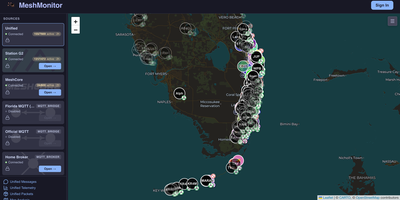
Off-grid radio networks are wonderful until you need to see all of them at once, and MeshMonitor puts every Meshtastic node, MeshCore companion, and MQTT broker on one shared dashboard. Each source keeps its own map, messages, telemetry, and traceroutes, and unified views merge them so a node heard by three radios appears once. Nodes plot on an interactive map with signal colors, clustering, topology overlays, and imported GeoJSON, KML, or KMZ zones. Channel chat supports replies, tapback reactions, and full-text search, and telemetry widgets chart battery, voltage, signal strength, and hop distribution over windows from 15 minutes to 7 days. Automation covers auto-responders, scheduled messages, auto-traceroute, and geofence triggers, with custom Node.js, Python, or shell scripts for anything else. A built-in MQTT broker and bridges filter traffic by topic, channel, or bounding box so a local mesh stays tidy. Security checks flag weak or duplicate encryption keys, and an audit log records every privileged action. Admins grant each person access to specific sources, using local accounts, OIDC sign-in, and MFA, and push alerts reach phones and chat apps through Apprise. Use it for a community mesh club, an emergency preparedness network, a fleet of solar-powered relays, or a neighborhood radio project. Running on a dedicated VPS on RepoCloud with guaranteed CPU, RAM, and SSD, full root SSH access, and a browser serial console. BSD-3-Clause licensed.
Lobsters
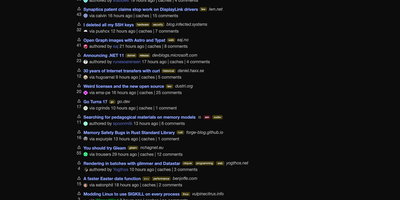
Lobsters is a link-sharing and discussion site you can run for your own community, with the threaded conversations and tight topic focus of the original lobste.rs. Members submit links or text posts, pick tags from a fixed list, and vote stories up the front page. Every tag has its own feed, and readers hide the tags they never want to see, with logged-out visitors keeping their filters in a browser cookie. Comments nest into threads that collapse with one click, and each story shows archive links so readers can still open a page after the original disappears. Moderation stays in the open: a public log records banned users, deleted stories, and tag changes with the reason for each action, and filters narrow it by moderator and by type. Growth stays manageable because new members arrive by invitation, the full invitation tree is public, and accounts in their first 70 days appear in green with limits on flagging and self-promotion. Flags carry an explanation so disagreement is not punished, and verified hats label comments from people speaking for a project or company. Use it for a developer forum, an internal engineering link board, a club for a niche craft, or a small group that wants good discussion without a personalized feed. Running on a dedicated VPS on RepoCloud with guaranteed CPU, RAM, and SSD, full root SSH access, and a browser serial console. BSD-3-Clause licensed.
Raven
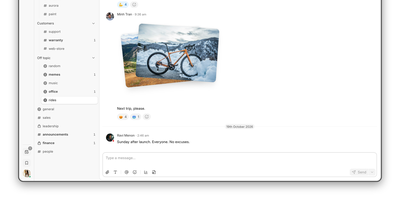
Raven is a team chat app you host yourself, with the channels, threads, and file sharing of the big hosted tools and none of the per-seat bills. Public and private channels group into workspaces, and direct messages cover everything else. A side discussion can move into a thread so the main channel stays readable. Messages support formatting, mentions, code blocks, polls, emoji, and custom reactions, and dropped-in photos, videos, and documents get previews plus a per-channel list of every file. One search box finds messages, files, links, and people across all your channels. Notifications reach the browser and phones with quiet hours and per-channel settings, reminders bring a message back later, and scheduled messages go out at a set time. Paste a link to any document on the site and Raven shows a card with its status and key fields, post to a channel when a document is created or submitted, or approve and reject straight from the conversation. Bots, incoming webhooks, and agents backed by your own OpenAI-compatible provider extend the chat, and iOS and Android apps connect to the same site. Running on a dedicated VPS on RepoCloud with guaranteed CPU, RAM, and SSD, full root SSH access, and a browser serial console. AGPL-3.0 licensed.
Frappe Wiki
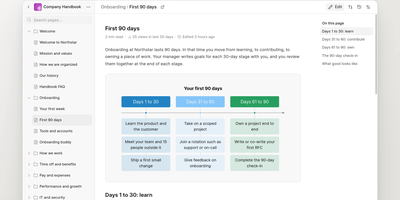
Frappe Wiki is an open-source wiki that turns product guides, help centers, and company handbooks into clean, searchable documentation your whole team enjoys writing. Each space is its own wiki with a separate URL, logo, and access rules, public or limited to chosen roles. The rich text editor handles headings, tables, task lists, code blocks, callouts, images with dark-mode variants, Mermaid diagrams, PDFs, and videos, and stores everything as Markdown. Edits collect in a change request that works like a branch: a reviewer reads a side-by-side diff, then approves, asks for changes, or rejects it, and readers can propose changes too. Every merge adds a version to the page history. Published pages show a page tree, a table of contents, search, PDF download, per-page feedback, and light or dark mode. Analytics report page views, new visitors, top pages, and referrers for the whole wiki, one space, or one page. GitHub Sync keeps a space in step with a folder of Markdown files in a repository. Each page gets meta tags and a generated social card, and the site serves a sitemap, a Markdown copy of every page, and an llms.txt index for AI tools. Running on a dedicated VPS on RepoCloud with guaranteed CPU, RAM, and SSD, full root SSH access, and a browser serial console. MIT licensed.
TheOneFile Verse
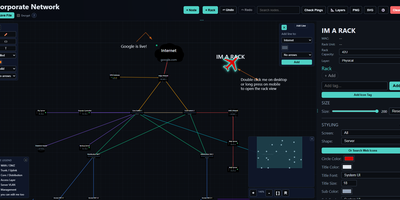
TheOneFile Verse is a self-hosted workspace where teams draw networks, smart homes, and infrastructure together on one live canvas. Each room is a shared map where nodes, racks, wires, zones, and text sync instantly between everyone connected, with live cursors, per-room chat, and an undo that only reverses your own edits. Status probes cover ICMP ping, TCP ports, HTTP, and DNS, and Network Discovery scans a subnet, names hosts through reverse DNS, mDNS, and SNMP, tags more than 70 common services with selfh.st icons, and drops the results onto the map as nodes. An Enter 3D button turns any map into a walkable, multiplayer 3D space with procedural device models, and rack views show equipment mounted by U slot. The admin dashboard manages rooms, users, roles, invite codes, OIDC providers, SMTP delivery, email templates, backups, API keys, and audit logs. Rooms can carry passwords, guest access, or an automatic self-destruct timer. Anyone can export a portable copy as one self-contained HTML file, with optional AES-256 encryption, and import it back later to keep collaborating. Running on a dedicated VPS on RepoCloud with guaranteed CPU, RAM, and SSD, full root SSH access, and a browser serial console. Unlicense licensed.
Manifest LLM Gateway
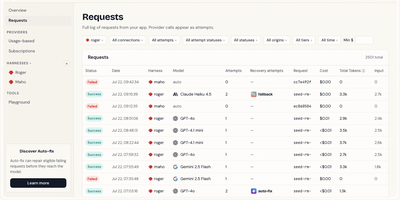
Manifest LLM Gateway is a self-hosted gateway that puts every model you pay for behind one OpenAI- and Anthropic-compatible endpoint. Connect provider API keys, reuse subscriptions like ChatGPT Plus or Claude Max, or point it at Ollama and LM Studio on your own hardware. Send a request with the model set to auto and your routing rules choose the target by model, header, complexity, or task type, with fallbacks that take over the instant a model fails. Each agent or app gets its own harness, a named connection with a private key, spending limits, and notifications when usage climbs. The Requests view logs every call and every retry attempt, with status, cost, tokens, and the full request and response body readable as a conversation. Autofix repairs a malformed request, for example one using a renamed parameter, and resends it before your app ever sees an error. A Playground tests models from the dashboard, a command line tool and MCP server handle setup from a terminal or an AI assistant, and an n8n node plugs it into automations. Over 35 provider connections cover more than 300 models. Running on a dedicated VPS on RepoCloud with guaranteed CPU, RAM, and SSD, full root SSH access, and a browser serial console. MIT licensed.
NetPulse
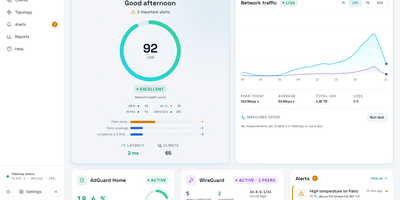
NetPulse is a self-hosted dashboard that turns a pile of routers, switches, and clients into one live picture of how your network is doing. A single score from 0 to 100 condenses latency, loss, uptime, and temperature, and updates every few seconds. The topology map draws itself from bridge and LLDP data, placing wired and wireless clients under the router and port they actually use. Every device is classified by type, with signal strength, band, and first-seen time. Router cards show model, firmware, CPU, memory, temperature, and live traffic. Scheduled WAN speed tests compare results against your contracted plan, and panels for WireGuard peers and AdGuard Home keep VPN and DNS activity in view. Alerts for overheating, new devices, firmware updates, and WAN outages reach you through push notifications, ntfy, Telegram, or webhooks. Admin and viewer accounts share access, a Wi-Fi channel analyzer scores congestion, and OpenWrt firmware upgrades can be started from the browser. MQTT publishing feeds Home Assistant, and an optional read-only MCP endpoint answers questions from your AI assistant. The interface installs as a phone app and speaks English and Spanish. Running on a dedicated VPS on RepoCloud with guaranteed CPU, RAM, and SSD, full root SSH access, and a browser serial console. AGPL-3.0 licensed.
ElixirOffice
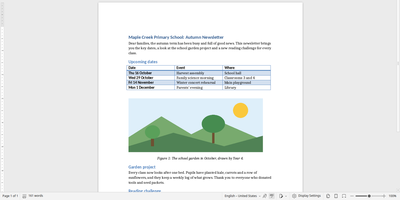
ElixirOffice gives teams a Word, Excel, and PowerPoint style editing suite that runs in the browser on a server you control. The ribbon tabs, Alt key tips, mini toolbar, and keyboard shortcuts match Microsoft Office, so muscle memory keeps working from the first day. Documents in .docx, .xlsx, .pptx, .odt, .ods, and .odp open with layout tuned to match Word, and free metric-compatible fonts keep page breaks stable. Comments appear in the margin, tracked changes show every edit, and several people can co-edit a file in real time. Connect Nextcloud or Murena Workspace through a revocable app password to browse, open, and save with conflict protection. Spreadsheets bring pivot tables, charts, Flash Fill, and Quick Analysis, and presentations add a slide sorter, sections, and Presenter View. An optional assistant called Ask Elixir can rewrite text, write formulas, build charts and pivot tables, or draft slides with the AI service you choose, including one you host yourself. It stays off until you enable it, and its edits wait for Accept or Discard. Forty-five interface languages and dozens of spelling dictionaries suit schools and international teams. Running on a dedicated VPS on RepoCloud with guaranteed CPU, RAM, and SSD, full root SSH access, and a browser serial console. AGPL-3.0 licensed.
Mydia
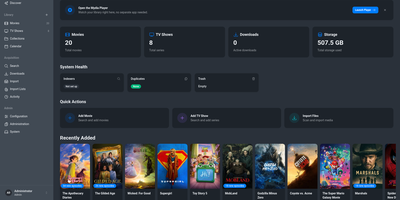
Mydia turns a folder full of movies and TV shows into a polished library that finds, ranks, and upgrades releases on its own. Poster grids, series pages with season and episode lists, and a release calendar keep every title organized with metadata from TMDB and TVDB. Monitored searches send requests to Prowlarr, Jackett, or the built-in indexer engine, then pass the best release to qBittorrent, Transmission, SABnzbd, NZBGet, or a debrid provider. A transparent ranking system explains why one release beat another, and quality profiles with custom formats decide when a better file should replace the old one. Guests can request titles through an approval workflow, and sign-in works with local accounts or OpenID Connect. Import lists pull from TMDB watchlists, popular, and trending charts, and a dashboard shows library size, downloads, duplicates, and storage at a glance. The built-in player streams the library from a browser at the /player path, with apps for desktop and phones that connect through an encrypted peer-to-peer link. Light, dark, and several color themes fit any screen. Running on a dedicated VPS on RepoCloud with guaranteed CPU, RAM, and SSD, full root SSH access, and a browser serial console. AGPL-3.0 licensed.
FlyBudget
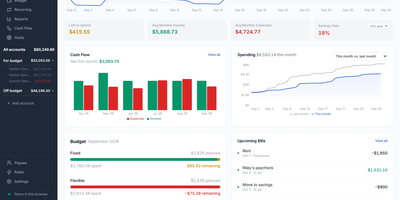
FlyBudget gives every dollar a job and keeps your financial data on a server you control, with no subscription, no account, and no tracking. Plan each month by category with carry-over, and watch bars turn amber near the plan and red when you overspend. Write a rule in plain words, preview the past transactions it matches, and let it rename, categorize, or split everything that arrives next. Track checking, credit cards, loans, investments, and property in their own currencies, then reconcile when the numbers need proof. Import CSV files from any bank with duplicate detection, or connect SimpleFIN or Plaid for automatic sync. Bills, subscriptions, and paychecks appear as a list or calendar, and FlyBudget can find them in your history. Dashboards of net worth, spending, trends, and cash flow can be rearranged, and a custom report builder covers the rest. Savings goals, payees with logos, and one-step backups sit alongside light and dark themes. Every page has a phone layout, and transactions entered offline sync when the connection returns. Running on a dedicated VPS on RepoCloud with guaranteed CPU, RAM, and SSD, full root SSH access, and a browser serial console. AGPL-3.0 licensed.